
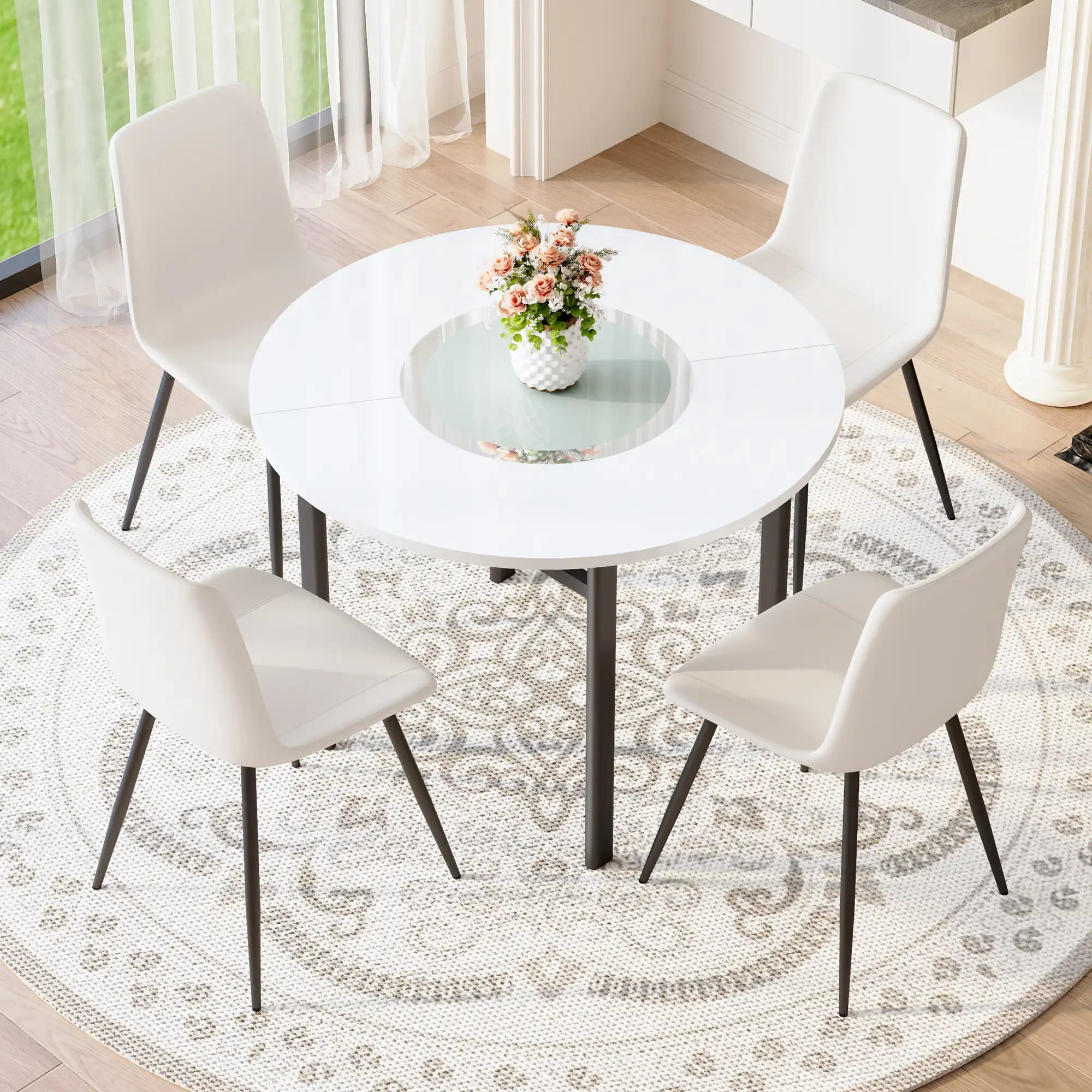

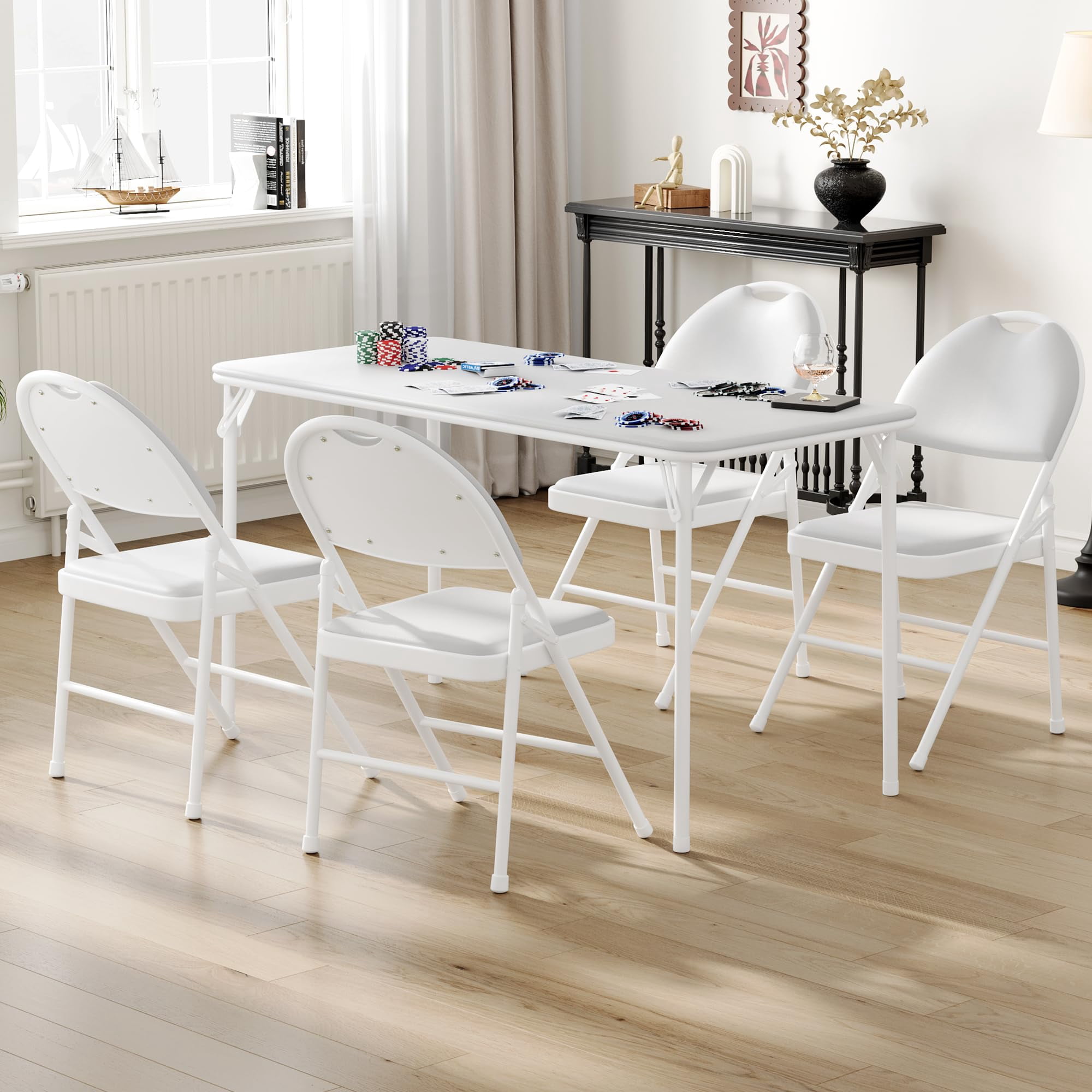
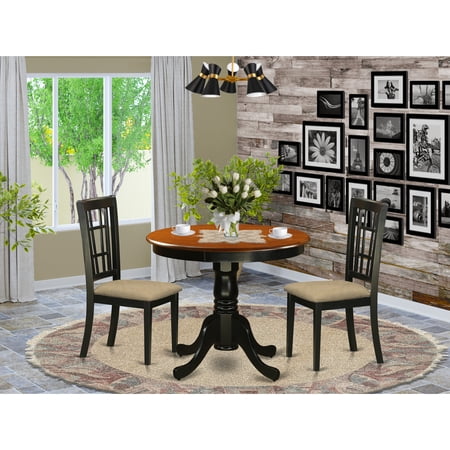
Why a Coordinated Chair and Table Set Matters for Your Office
Selecting a chair and table set for office is about more than just filling a space. It's about creating a cohesive environment where functionality meets design. A well-matched set ensures that every element of your workspace works in harmony, promoting better posture, efficient workflows, and a professional aesthetic that reflects your business or personal brand.
Workspace Insight: Studies show that employees in ergonomically optimized workspaces report a 17% increase in productivity. A coordinated chair and desk set eliminates common issues like mismatched heights, which can cause slouching or reaching, leading to long-term musculoskeletal strain.
Key Benefits of an Integrated Office Set
Investing in a unified office furniture set offers several advantages over purchasing pieces separately:
- Ergonomic Harmony: Ensures the chair's height range and desk height are perfectly aligned for optimal posture.
- Design Cohesion: Creates a polished, unified look without the hassle of matching wood tones, metal finishes, and fabric colors.
- Simplified Setup: Receive all components together, often with streamlined assembly instructions, saving you time and effort.
- Space Optimization: Many sets are designed with specific dimensions in mind, making it easier to plan your room layout effectively.
- Cost-Effectiveness: Bundled sets frequently offer better value compared to buying a premium desk and a high-end chair separately.
Types of Office Chair and Table Sets
Understanding the different types of sets available helps you narrow down your choice based on your work style and office space:
| Set Type | Best Suited For | Typical Features |
|---|---|---|
| Compact Home Office Sets | Small apartments, dorm rooms, or home offices with limited square footage | Desk width under 42 inches, armless or slim-profile chairs, often includes a small drawer or shelf |
| Executive Desk & Chair Combos | Senior management, home offices that require a formal, commanding presence | Large wooden desks (60+ inches), high-back leather executive chairs, detailed hardware and finishes |
| Corner Desk Sets | Maximizing space in corners or creating a dedicated work nook | L-shaped desk, ergonomic task chair, efficient use of wall space, often with cable management |
| Modern & Minimalist Sets | Tech companies, creative studios, contemporary home offices | Clean lines, metal legs, durable laminate tops, sleek mesh or fabric chairs with adjustable features |
| Standing Desk & Stool Sets | Health-conscious professionals who alternate between sitting and standing | Height-adjustable desks, high stools or ergonomic chairs suitable for counter-height work |
Space Planning: How to Measure for Your New Set
Before you purchase a chair and table set for office, proper measurement is crucial to ensure a comfortable and functional workspace. Here’s a simple guide:
Pro Tip: Always measure your doorway, hallway, and stairwell dimensions before buying. Many office desks come in larger boxes that need to navigate through your home or building for a successful setup.
1. Measure Your Floor Space
Use masking tape to outline the desk's footprint and the chair's movement range on your floor. Ensure you have at least 3-4 feet of clearance behind the chair for movement and for others to pass by.
2. Check Desk Height Compatibility
Standard desk height is 29-30 inches. For an ergonomic set, ensure the chair's maximum seat height (with you seated) allows your forearms to be parallel to the floor when typing, without shrugging your shoulders.
3. Account for Legroom
Your desk should have at least 26-28 inches of clearance from the floor to the underside. This allows you to cross your legs or shift your position without feeling cramped.
4. Visualize the Flow
Consider the path you take to your desk and the location of other furniture like filing cabinets or bookshelves. The set should create an efficient workflow, not obstruct traffic.
Material Selection: Durability Meets Aesthetics
The materials in your office desk and chair set will determine its longevity, ease of maintenance, and overall look. Here’s how to evaluate your options:
For the Table:
- Solid Wood: Offers timeless elegance and exceptional durability but comes at a higher price point and requires maintenance to prevent scratches and water rings.
- Engineered Wood (MDF/Plywood): A popular choice for its stability and cost-effectiveness. Look for sets with a durable laminate or veneer finish that resists chipping and is easy to clean.
- Glass Top: Creates a modern, airy feel and is easy to wipe clean. However, it shows fingerprints and requires careful handling to prevent chipping the edges.
- Metal Frame: Provides industrial-chic style and is extremely sturdy. Often combined with wood tops for a balanced look.
For the Chair:
- Mesh: Ideal for breathability, especially in warmer climates or for long sitting hours. Offers good ergonomic support with a modern aesthetic.
- Fabric: Provides a soft, comfortable feel and comes in a wide array of colors and patterns. Best for low-traffic, temperature-controlled offices.
- Leather (Genuine or Faux): Conveys a classic, professional look. Genuine leather is durable and ages well, while high-quality faux leather offers a similar look at a more accessible price point and is easier to clean.
- Plastic/Polyurethane: Common in budget-friendly or modern minimalist sets. It's lightweight, easy to clean, and often features vibrant color options.
Ergonomic Considerations for Your Chair and Desk Combination
The true value of a chair and table set lies in its ergonomic synergy. A mismatch can lead to discomfort and reduced productivity. Focus on these key points:
- Chair Height & Desk Alignment: Your chair should allow your feet to rest flat on the floor, with your knees at a 90-degree angle. The desk surface should be at or slightly below your elbow height when your arms are relaxed by your sides.
- Seat Depth & Leg Clearance: There should be a 2-3 finger gap between the back of your knees and the seat edge. The desk's apron or legs should not impede this space.
- Armrests & Desk Surface: If your chair has armrests, they should allow you to slide comfortably under the desk. For typing, your wrists should be straight and not resting on a hard edge. Consider a set with a desk that has a slightly beveled or rounded front edge to reduce pressure on your forearms.
- Monitor Placement: Your desk should have enough depth to place your monitor at arm's length, with the top of the screen at or just below eye level. Many modern desk sets offer integrated monitor shelves for this purpose.
Important Compatibility Note: If you are buying a chair and desk set that doesn't include a monitor, factor in the cost of a monitor riser or arm. This small investment can be the difference between a good workspace and an ergonomically excellent one, preventing neck and eye strain.