
The Enduring Appeal of an Old Oak Office Chair
In an era of disposable furniture, an old oak office chair stands as a monument to durability and timeless design. It's not just a place to sit; it's a statement piece that brings warmth, history, and craftsmanship into your workspace. Whether you're a collector, a remote worker seeking character, or someone who appreciates the heft of solid wood, these chairs offer a unique blend of function and soul. Unlike modern ergonomic chairs wrapped in plastic and mesh, oak chairs age gracefully, developing a rich patina that tells a story of decades past.
Did You Know? Quarter-sawn oak, often used in early 20th-century office chairs, features distinctive ray flecks that resemble tiger stripes. This method made the wood more stable and resistant to warping—a key reason many of these chairs have survived for over 100 years.
Identifying a Genuine Old Oak Office Chair
Before you buy, it's essential to distinguish between a true antique and a modern reproduction made to look old. Here are key markers of authenticity:
- Construction joints: Look for mortise-and-tenon joints, often secured with wooden pegs. Modern chairs rely on screws and glue.
- Seat type: Many original chairs had a "saddle seat" shaped by hand, or a simple plank. Later versions may have been upholstered.
- Hardware: Cast iron or solid brass mechanisms for swivel and tilt. Old iron may have a rough, unpolished texture.
- Wood grain: Oak has a pronounced, open grain. Feel the surface—genuine aged oak will have minor dings and a smooth, worn feel from use.
- Maker's marks: Check underneath the seat or on the mechanism for stamps from companies like The Gunlocke Chair Co., S. Karpen & Bros., or Thonet.
Restoration vs. Original Patina: Finding the Balance
One of the first decisions you'll face is whether to restore an old oak chair or preserve its "as-found" character. Both paths have merit:
🛠️ Full Restoration
- Stripping old finish and applying new varnish or shellac.
- Re-gluing loose joints for structural integrity.
- Reupholstering the seat with period-correct fabric or leather.
- Replacing casters with functional replicas.
- Result: A like-new chair that's ready for daily use.
📜 Preserve Patina
- Gentle cleaning with mild soap and wax.
- Stabilizing cracks without filling them.
- Keeping original upholstery if intact (even with wear).
- Leaving old finish to show age and wear patterns.
- Result: A museum-quality piece with historical authenticity.
For most people who want to use the chair, a sympathetic restoration that preserves the wood's integrity while making it comfortable is the best route.
Adding Modern Comfort to a Vintage Frame
Let's be honest: a 100-year-old oak chair wasn't designed for 8-hour workdays. But with a few thoughtful updates, you can blend old-world charm with contemporary ergonomics. Consider these modifications:
- Seat cushion: Have a custom foam cushion made, upholstered in leather or fabric that complements the wood. Attach it discreetly so it doesn't detract from the chair's lines.
- Lumbar support: A small, removable back cushion can be added. Look for ones that tie onto the spindles or backrest.
- Height adjustment: Some antique swivel mechanisms allow for height adjustment via a threaded rod. If not, you can install a modern gas lift cylinder inside the base, though this requires skilled woodworking.
- Casters: Replace old steel casters with rubber or urethane wheels that protect hardwood floors and roll smoothly.
Where to Place an Old Oak Office Chair
These chairs are versatile. They shine in:
- Executive offices: Paired with a massive wood desk, it creates a power office with old-money aesthetics.
- Home libraries: Next to a reading table or writing desk.
- Reception areas: As guest chairs that immediately communicate quality and tradition.
- Creative studios: The contrast of old wood with modern art and equipment is visually striking.
Caring for Your Old Oak Office Chair
Oak is tough, but it needs care. Dust regularly with a soft cloth. Avoid direct sunlight, which fades the wood. Once or twice a year, apply a quality furniture wax (like Renaissance Wax or Briwax) to protect the finish. If the chair creaks, a drop of mineral oil on moving metal parts often silences it. For wood joints that have loosened over time, consult a professional conservator rather than using modern wood glues that can damage the patina.
Frequently Asked Questions About Old Oak Office Chairs
Final Thoughts: Is an Old Oak Office Chair Right for You?
Choosing an old oak office chair is about more than seating—it's about embracing a piece of history. It's for those who appreciate the weight of solid wood, the artistry of hand-carved details, and the story embedded in every scratch. While it may require a bit more care than a mass-market chair, the reward is a unique, sustainable piece that elevates your office from generic to memorable. Whether you find a fully restored example or take on a restoration project yourself, you're investing in craftsmanship that was built to last centuries.
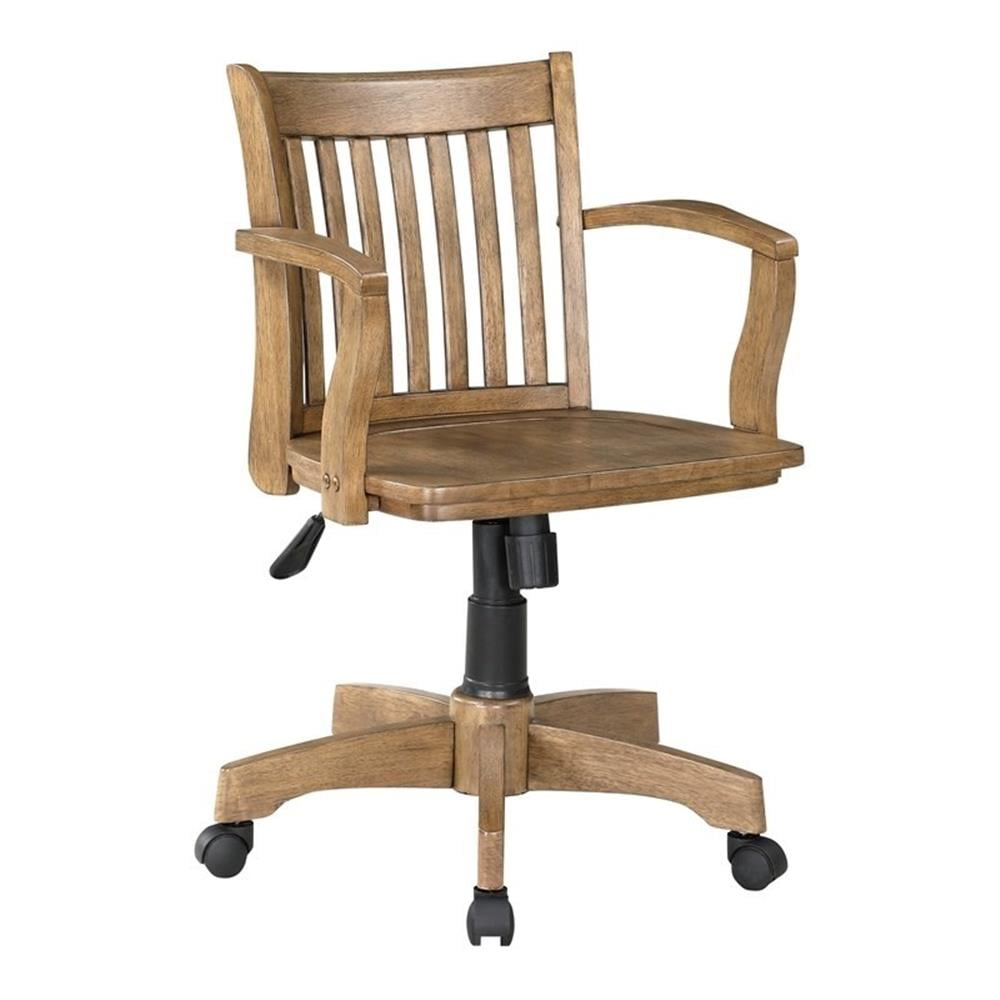
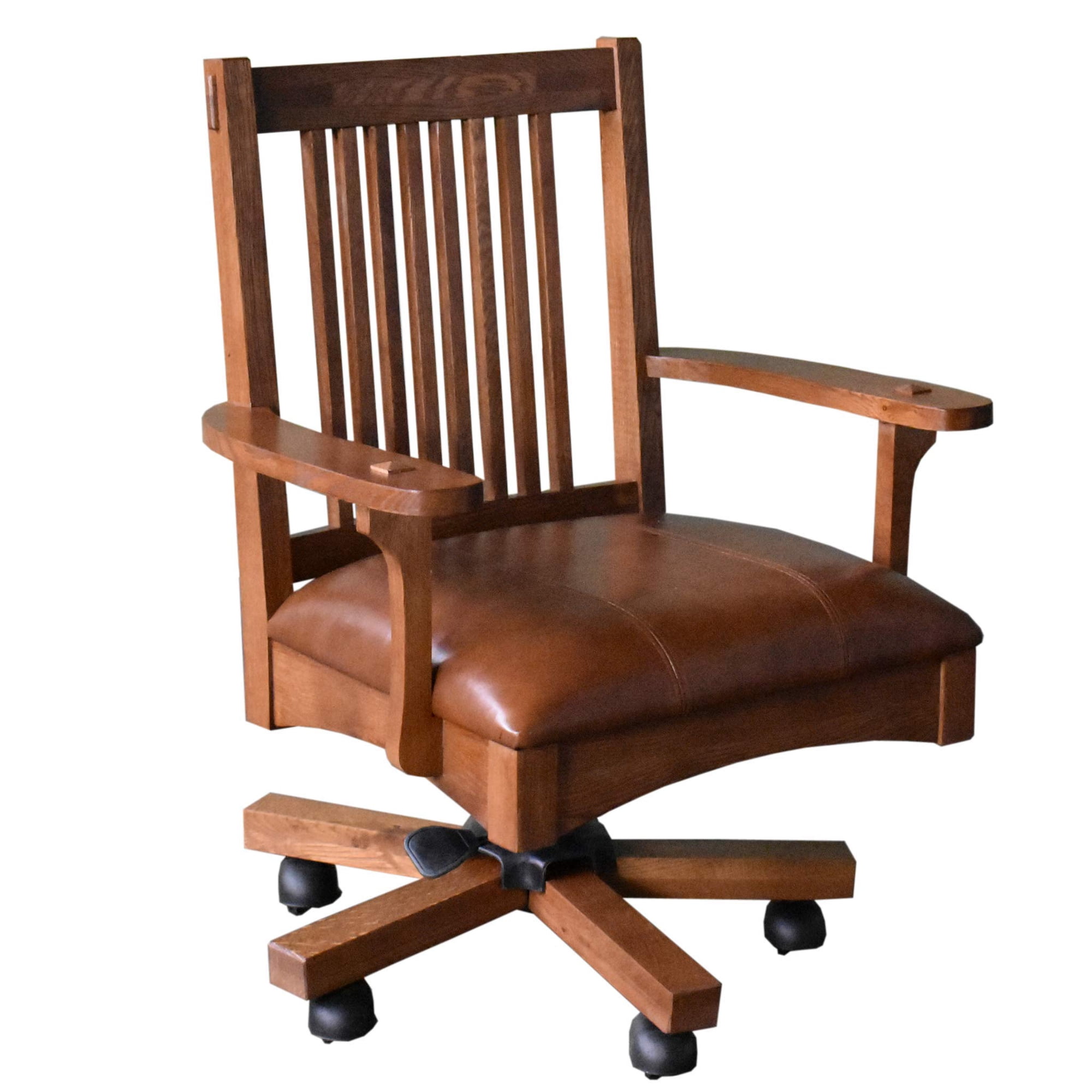
Browse our selection of restored and high-quality vintage-style oak chairs above. Each item shown is available through our trusted partners, bringing you one step closer to owning a timeless classic.