
Decoding the $50 Office Chair: What to Expect and How to Choose
Let's be honest: shopping for an office chair with a budget of $50 feels like navigating a maze. You're confronted with a sea of options, all promising comfort, but your wallet whispers caution. However, a tight budget doesn't automatically mean you have to endure a backache. The market for budget office seating has evolved. Today, you can find surprisingly capable chairs that fit both your wallet and your workspace. This guide is your roadmap to finding that perfect, affordable seat.
The Three Pillars of a Great Budget Chair: Support, Stability, & Style
When your budget is capped at $50, you become a features detective. You're looking for the best bang for your buck. Forget luxury leather or complex synchro-tilt mechanisms. Instead, focus on these three pillars. Think of it like building a reliable bicycle: you need a comfortable seat, sturdy wheels, and a frame that won't wobble. The same logic applies to your chair.
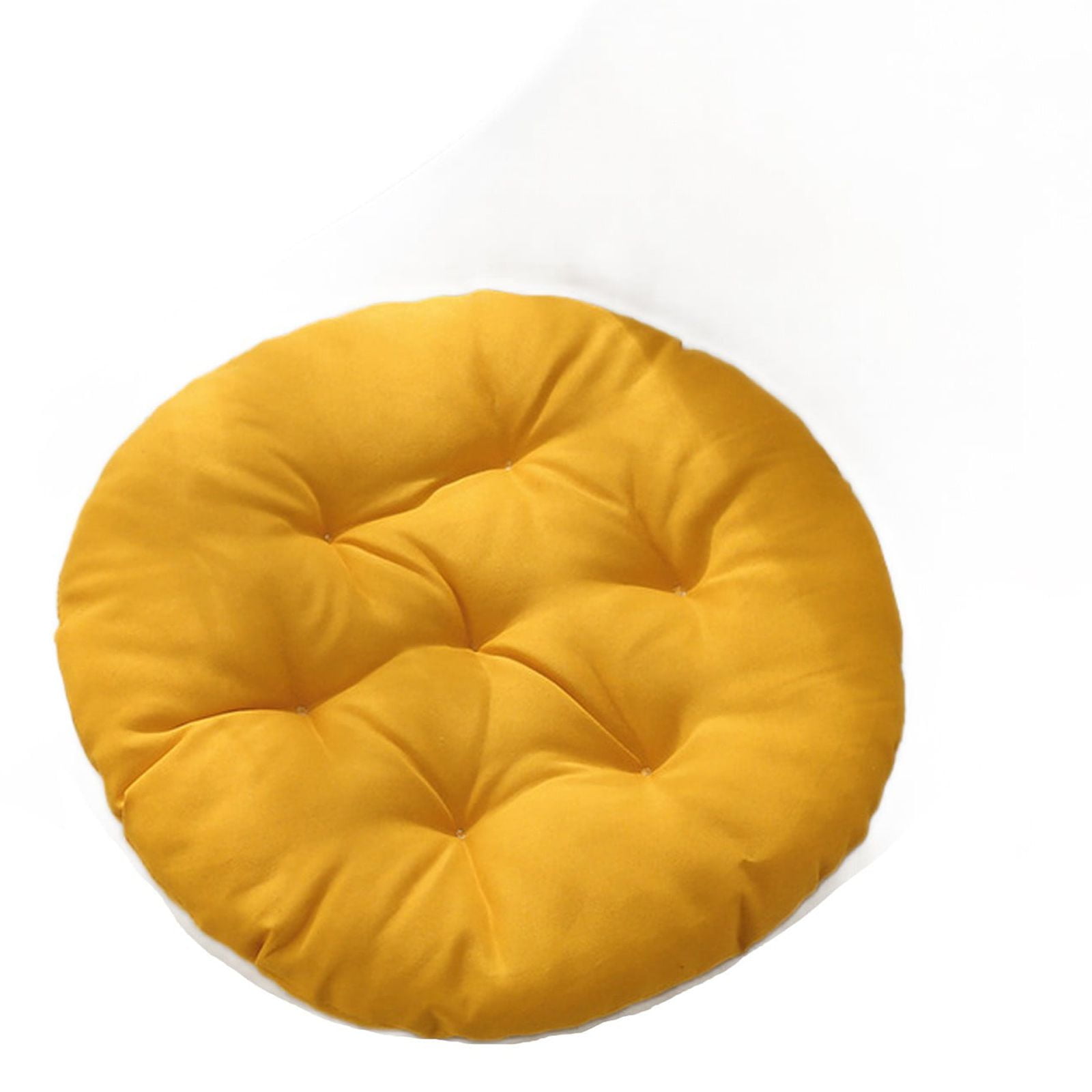
- Seat Comfort (The Foundation): The seat pan is your primary contact point. Look for high-density foam that won't flatten out after a few weeks. A seat depth of around 17-19 inches generally fits most people. Avoid rock-hard seats or those with thin padding that feels like a park bench.
- Back Support (The Structure): While you might not get a complex lumbar system, a backrest with a gentle curve or a breathable mesh panel can make a huge difference. Some budget chairs offer a slight recline, which helps in shifting pressure throughout the day.
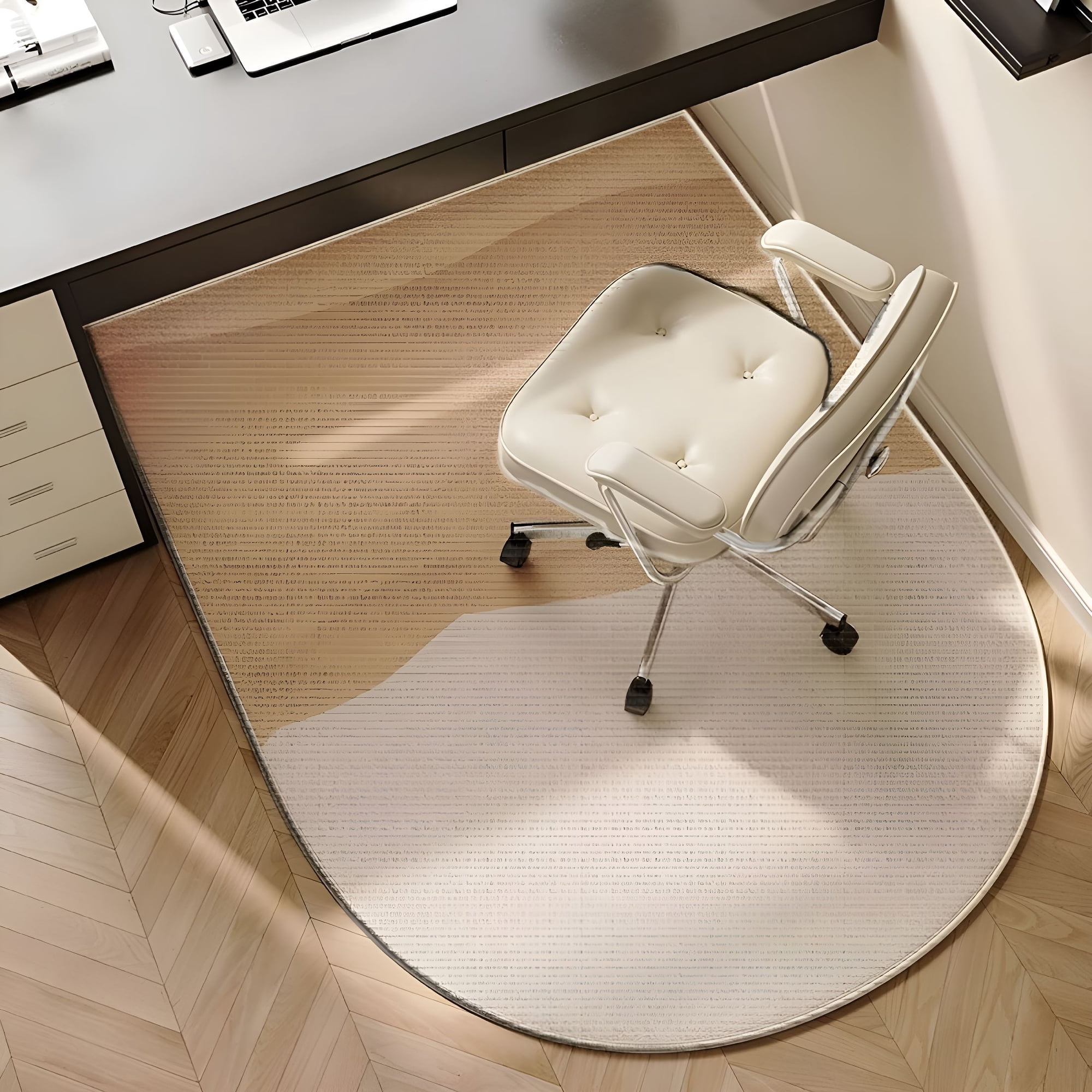
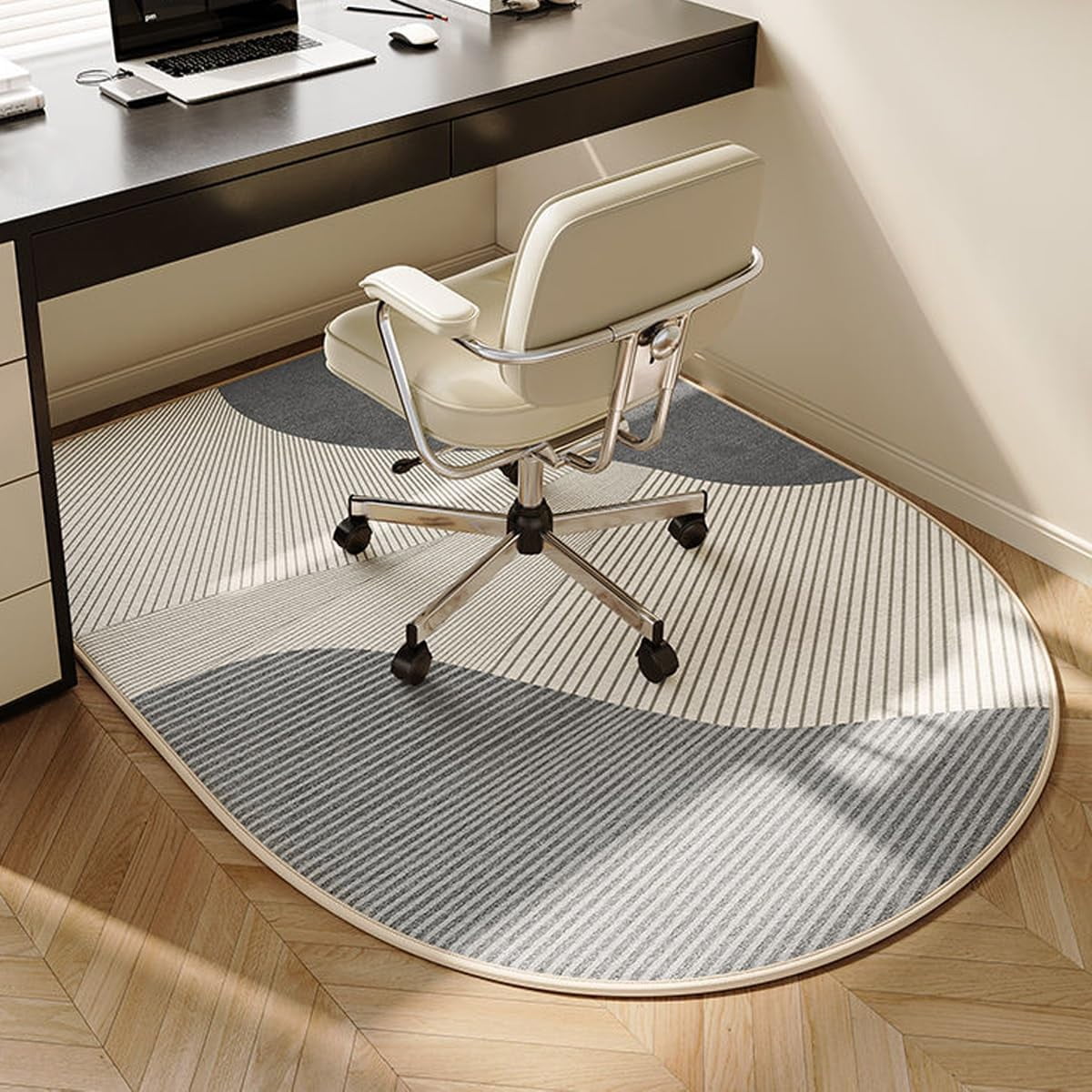
- Base and Mobility (The Wheels): A sturdy five-point base is non-negotiable for safety. Check the casters: hard plastic wheels are fine for carpet, but if you have hardwood or tile floors, look for chairs with rubberized or polyurethane casters to prevent scratches.
Material World: Choosing the Right Upholstery on a Budget
At the sub-$50 price point, you'll primarily encounter three material types: mesh, fabric, and bonded leather. Each has its own personality. Choosing the right one is like picking the right outfit for the weather—you want something that suits your environment and work habits.
✅ Mesh Back Chairs
- Breathability: Ideal for warmer climates or long hours, preventing that sticky back feeling.
- Modern Look: Often sports a sleek, contemporary aesthetic that fits modern home offices.
- Lightweight: Easy to move around.
- Durability: Good quality mesh resists sagging and tearing better than cheap bonded leather.
⚠️ Fabric & Bonded Leather
- Fabric: Can be cozy but may absorb spills and pet hair. Ensure it's a dark color or stain-resistant if possible.
- Bonded Leather: Looks professional initially but tends to crack and peel within 1-2 years, especially in warm rooms.
- Cleaning: Fabric can be harder to clean than mesh; bonded leather can flake off, creating a mess.
Who is the $50 Office Chair Really For?
Setting realistic expectations is key. A chair in this range is a fantastic solution for specific scenarios. It's like a reliable compact car—perfect for city driving and daily commutes, but not built for off-road trucking. Here’s where these chairs truly shine:
- The Student's Study Nook: For a dorm room or a teenager's bedroom, a $50 chair provides ample comfort for homework and gaming sessions without breaking the bank.
- The Part-Time Home Office: If you work from home only a couple of days a week, a budget chair is a cost-effective solution.
- The Guest Room or Spare Desk: Perfect for occasional use when friends or family need a place to sit and check emails.
- The Temporary Setup: If you're starting a new business or just moved, it's a smart placeholder until you can invest in a premium ergonomic model.
According to a recent home office survey, nearly 40% of remote workers started with a budget chair under $75 before upgrading. This shows that starting affordable is a common and practical path. These chairs serve as a crucial entry point into creating a more organized and productive workspace.
Measuring for Success: Ensuring Your Budget Chair Fits
One common mistake is ignoring dimensions. A chair might look perfect online, but if the seat is too shallow or the back too short, you'll be uncomfortable. Arm yourself with a tape measure. Here’s a quick checklist to avoid a misfit:
- Seat Width: Measure your hips or the widest part of your lower body. Add 2-4 inches for comfortable movement. Look for at least 18-20 inches of seat width.
- Seat Depth: When you sit back, you should have 2-4 fingers of space between the back of your knee and the seat edge. This prevents circulation issues.
- Backrest Height: Do you need lower-back support only, or do you prefer a high-back chair that supports your shoulders? Measure from your seat to your shoulder blades.
- Under-Desk Clearance: Check the chair's minimum and maximum height to ensure it slides comfortably under your desk. Armrest height is also crucial—they should allow your arms to rest at a 90-degree angle while typing.
Taking these measurements before you click 'buy' transforms your shopping from a guessing game into a precise science.
Frequently Asked Questions: Your Budget Chair Queries Answered
Final Verdict: Value Doesn't Always Mean Sacrifice
Navigating the world of office chairs under $50 is about balancing expectations with needs. You might not get a throne, but you can absolutely find a dependable, comfortable, and good-looking seat that supports your daily tasks. By focusing on essential features like seat comfort, material suitability, and proper fit, you can make a smart purchase that serves you well for years. Remember, the best chair is the one that fits both your body and your life—budget included. Happy (and smart) seating!