
Understanding the Landscape of Office Chair Types
Choosing an office chair often feels like navigating a maze: there are dozens of styles, each promising the ultimate comfort. But just as you wouldn't wear dress shoes to run a marathon, you shouldn't pick a conference room chair for 10-hour coding sessions. The office chair type determines how well it supports your tasks, body, and work environment. Let's break down the categories so you can make an informed investment in your health.
🧭 Analogy: Think of office chair types like vehicles. A task chair is your reliable sedan — efficient and practical. An executive chair is the luxury SUV — comfortable and prestigious. A kneeling chair? That's your sporty convertible — fun, but not for everyone, and best used occasionally.
1. Core Office Chair Categories (H2)
We have identified six fundamental types that cover 95% of office seating needs. Each has a unique design philosophy.
Task / Ergonomic Chairs
Best for: Desk workers, programmers, anyone typing >4 hours/day.
- Adjustable lumbar support
- Seat height & tilt mechanisms
- Often mesh or breathable fabric
- Usually armless or with 2D arms
Task chairs prioritize function over flash. They are the workhorses of the office, promoting dynamic sitting.
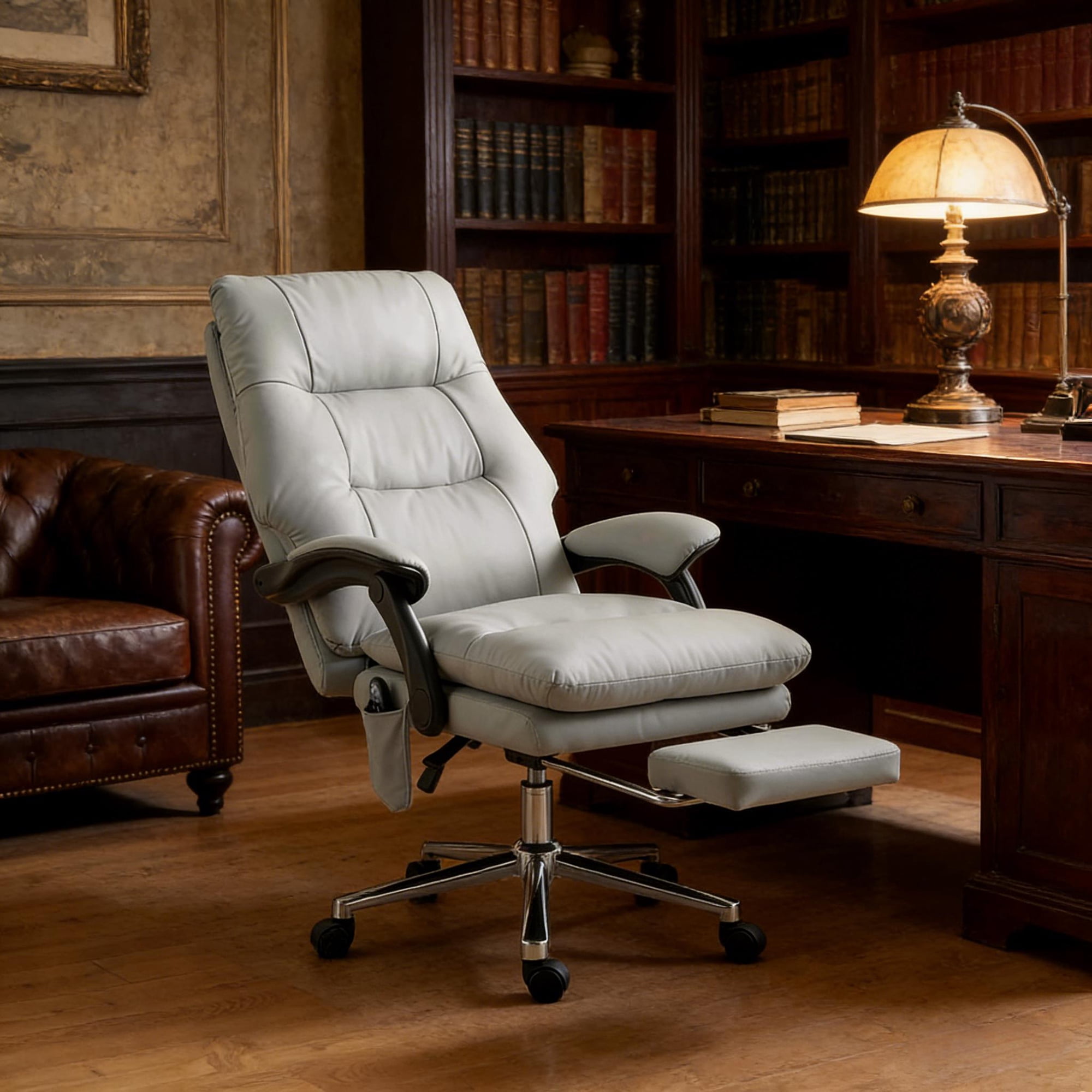
Executive Chairs
Best for: Managers, client-facing roles, home offices with style.
- High back (often with headrest)
- Premium leather or bonded leather
- Thick padding, waterfall seat
- Polished aluminum or wood base
These chairs project authority. They usually have fewer adjustments but superior cushioning.
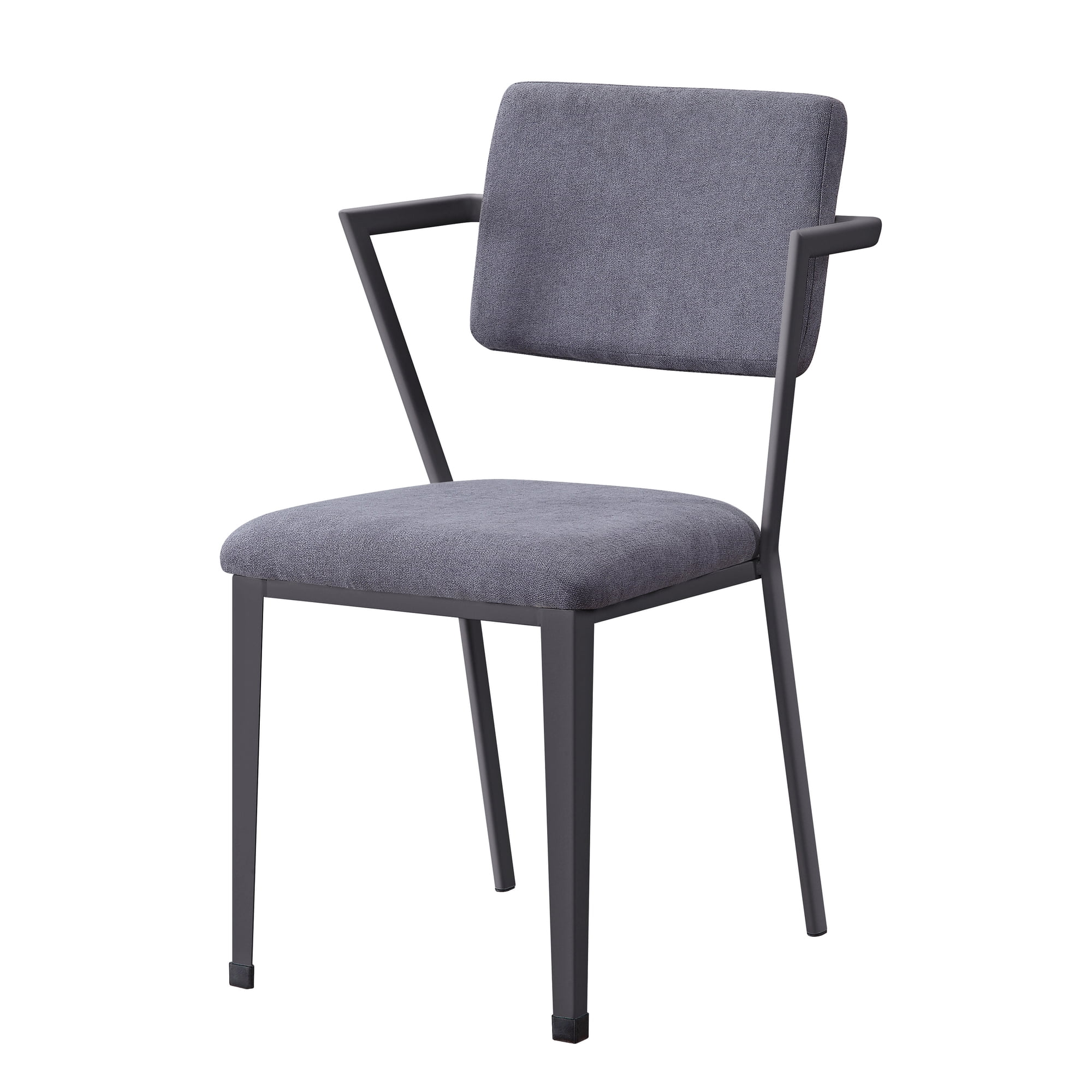
Conference / Guest Chairs
Best for: Meeting rooms, waiting areas, visitor seating.
- Often stationary or with minimal swivel
- Armless or low arms for easy sliding
- Stackable designs for multipurpose rooms
- Aesthetics match office decor
They are designed for intermittent use — stylish and compact, not for long-term sitting.
Drafting / Tall Chairs
Best for: Standing desks, drafting tables, labs.
- Extra tall gas cylinder (seat height 24"–32")
- Often includes a footring
- Backrest similar to task chairs
- Stable base for perching
Bridging the gap between sitting and standing, these reduce fatigue during precision work.
Big & Tall Chairs
Best for: Larger body frames, plus-size users.
- Weight capacity 400–1000 lbs
- Extra wide seat (22"+)
- Reinforced steel frame
- Thicker seat foam
Safety and durability are key. They look similar to executive chairs but built tougher.
Specialty Chairs
Best for: Alternative sitting, therapy, specific needs.
- Kneeling chairs (posture focus)
- Saddle chairs (open hip angle)
- Ball chairs (active core)
- Recliners (gaming/relaxation)
These are niche but can be game-changers for people with certain back issues or work styles.
2. How to Match Office Chair Type to Your Body & Job (H2)
Selecting a type isn't just about labels — it's about aligning features with your physical dimensions and daily routine. Use this step-by-step approach:
- Measure your work surface height. Standard desks are 29"-30". If your desk is higher (42" standing desk), you likely need a drafting chair type. If lower (26" drawing table), a standard task chair is fine.
- Evaluate your sitting duration & tasks. For deep work requiring focus (accountants, writers), an ergonomic task chair with syncro-tilt keeps you moving. For frequent meetings and phone calls, an executive chair with headrest allows comfortable reclining.
- Consider room aesthetics and visitor presence. A leather executive chair might be overkill in a cubicle but perfect for a corner office. Guest chairs in waiting areas should be durable yet stylish — fabric or mesh.
- Account for body dimensions. If you're 6'4" or weigh over 250 lbs, a standard task chair will feel cramped. Immediately look for "big and tall" or "extended height" types. For petite users, seek chairs with shorter seat depth and lower minimum height.
- Test the "one-size-fits-all" myth. Kneeling chairs or exercise ball chairs can be excellent for 30-minute intervals, but rarely replace a primary task chair. Use them as supplements.
📊 By the numbers:
- 63% of office workers use a task/ergonomic chair as primary (2023 seating survey).
- Executive chairs have 2.3x thicker seat foam on average than guest chairs.
- Big & tall chair shipments increased 27% in the last 5 years.
🧑⚖️ Expert tip:
"Don't buy a conference room chair for your home office — they lack lumbar support. Invest in a true task or ergonomic type; your spine will thank you." — OSHA ergonomic guidelines
3. Comparison at a Glance: Task vs. Executive vs. Specialty (H2)
Still unsure? Here’s a quick cheat sheet to differentiate based on key factors:
| Feature | Task / Ergonomic | Executive / High-Back | Specialty (Kneeling/Saddle) |
|---|---|---|---|
| Primary goal | Support dynamic sitting | Comfort & prestige | Posture alternation |
| Back height | Mid-back (often shoulder level) | High-back (head support) | Minimal or no back |
| Adjustability | High (lumbar, arms, depth) | Moderate (mainly recline) | Low (angle only) |
| Material focus | Mesh / breathable | Leather / plush | Foam + wood/steel |
| Typical user | Analysts, developers, admins | Managers, directors, CEOs | Physical therapists, experimenters |
4. Myths About Office Chair Types (H2)
Let’s clear up common misconceptions that lead to poor purchases:
- Myth: "All leather chairs are executive chairs." Fact: Some leather chairs lack ergonomic adjustments — they're just stylish task chairs. Check the mechanism.
- Myth: "Mesh chairs are only for warm climates." Fact: High-quality mesh is supportive and used globally; it prevents sweat year-round.
- Myth: "You need a headrest if you have neck pain." Fact: A poorly placed headrest can push your head forward. Only certain high-back chairs have adjustable headrests that truly help.
- Myth: "Drafting chairs are just task chairs on stilts." Fact: They have different weight distribution and often a footring, requiring a more stable base.
5. Future Trends: Blended Types (H2)
Manufacturers are blurring lines: you now see "executive mesh chairs" (high-back with breathable mesh) or "task chairs with headrests". The key is to focus on the features that matter for your body, not the label. Hybrid types are great if they combine the adjustability of a task chair with the plush seat of an executive.
Frequently Asked Questions About Office Chair Types
Conclusion: Start with Your Workstyle, Then Choose the Type
Your ideal office chair type is the one that disappears beneath you — you shouldn't notice it because you're focused, not fidgeting. Whether you need the robust adjustability of an ergonomic task chair or the commanding presence of an executive leather chair, match the type to your daily habits. Use the affiliate listings above as a starting point to explore real models in each category. Remember: a chair is a long-term investment in your well-being.