
Why Choose a Vintage Style Office Chair?
Imagine an office that feels less like a sterile cubicle and more like a thoughtfully designed library or a Mad Men-era studio. That's the allure of a vintage style office chair. It's not just a place to sit; it's a statement piece that infuses your workspace with personality, warmth, and a sense of lasting quality. Unlike generic modern chairs that fade into the background, a vintage-inspired chair becomes a focal point, sparking conversations and reflecting your unique taste.
But style doesn't have to come at the expense of your back. Today's vintage-style reproductions cleverly marry iconic design with the ergonomic features you need for focused work. Whether you're drafting business plans, answering emails, or hopping on Zoom calls, you can enjoy the charm of a bygone era without the backache. According to a recent interior design survey, 68% of home workers said that incorporating "character pieces" like a vintage chair boosted their mood and productivity.
The Anatomy of a Vintage Style Office Chair: Design & Durability
What exactly makes an office chair "vintage"? It's a combination of silhouette, materials, and craftsmanship that echoes mid-century modern, industrial, or even art-deco influences. Let's break down the key components that define these timeless pieces.
1. Iconic Silhouettes: From Wingbacks to Wrap-Arounds
- The Executive High-Back: Often button-tufted with a rounded top, reminiscent of a classic library chair. It communicates authority and comfort, perfect for a home office where you want a "leader's seat."
- The Mid-Century Low-Back: Think of the Eames-inspired designs: a curved plywood or molded shell on a sleek swivel base. These are minimalist, airy, and ideal for smaller desks or creative spaces.
- The Saddle Seat: A nod to drafting chairs from the 1940s, with a contoured wooden seat that supports a more upright posture. It's a favorite among architects and designers.
2. Material Story: Leather, Wood & Brass
The materials in a vintage style office chair aren't just functional—they tell a story. Here's what to look for:
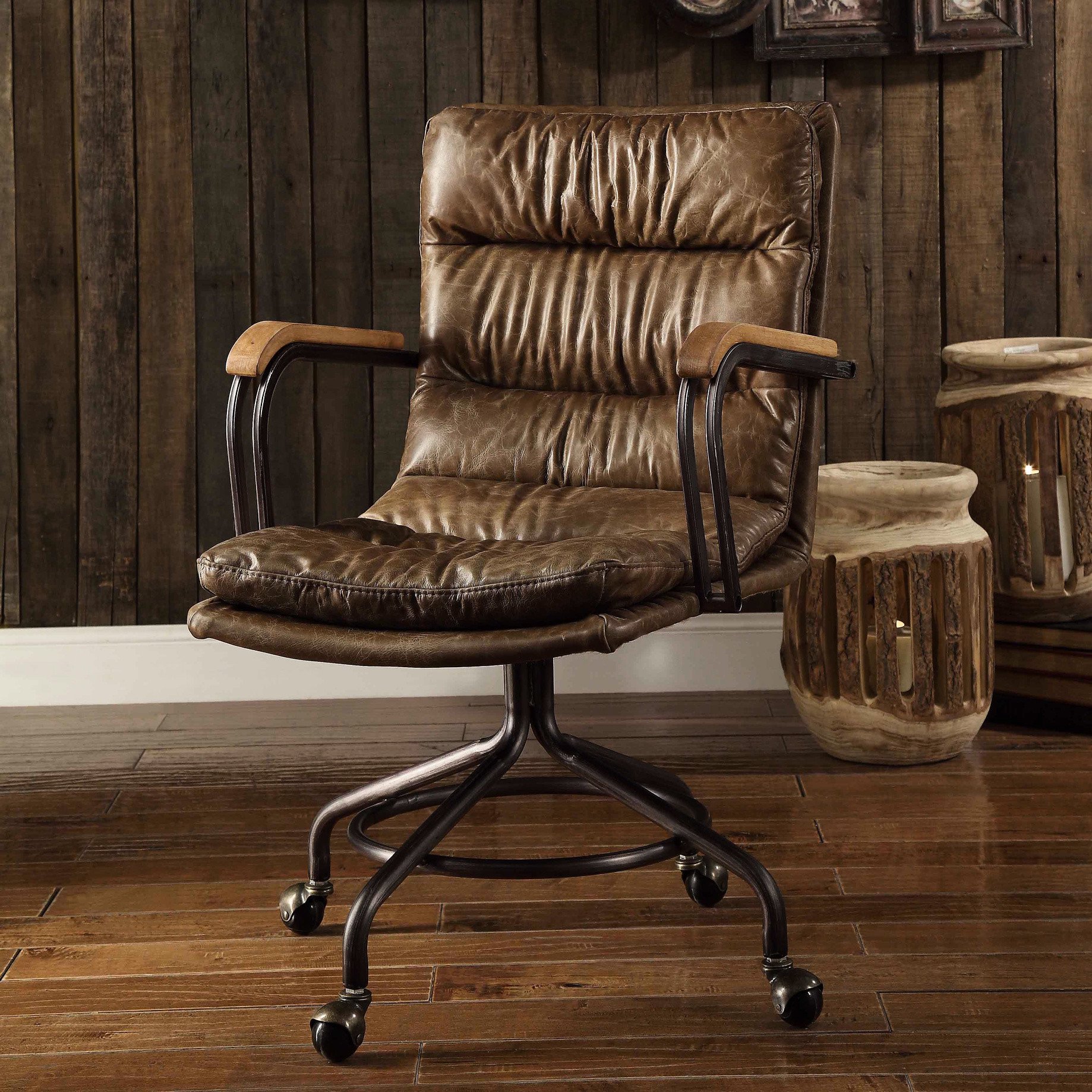
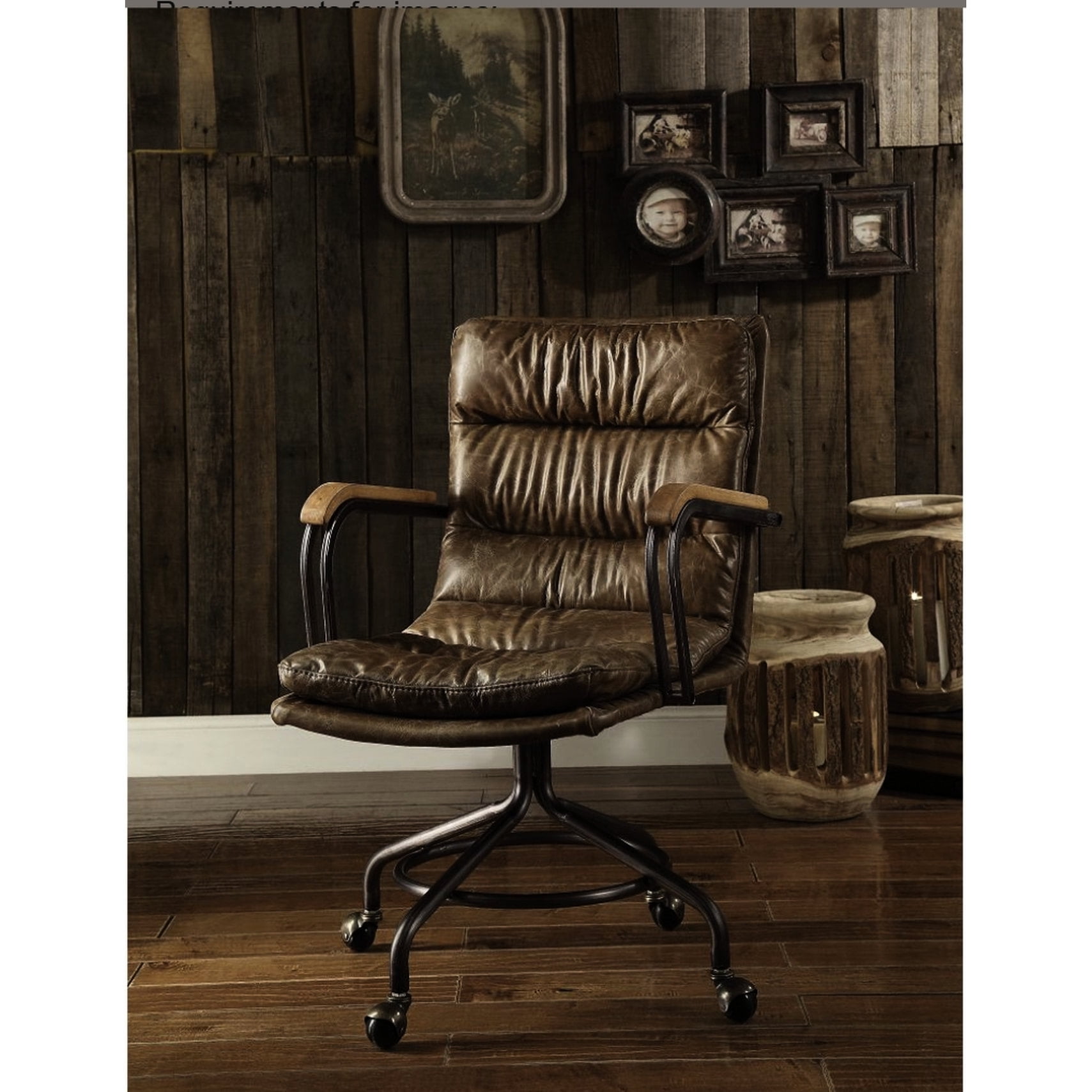
- Leather (or quality vinyl): Full-grain leather develops a beautiful patina over time, making the chair look better with age. Distressed or pull-up leather is especially popular for that "inherited heirloom" feel. For a vegan option, high-end vinyl replicates the look without the maintenance.
- Solid Wood: Walnut, oak, and mahogany are frequently used for armrests, bases, or the entire shell. Wood adds warmth and an organic contrast to metal or leather.
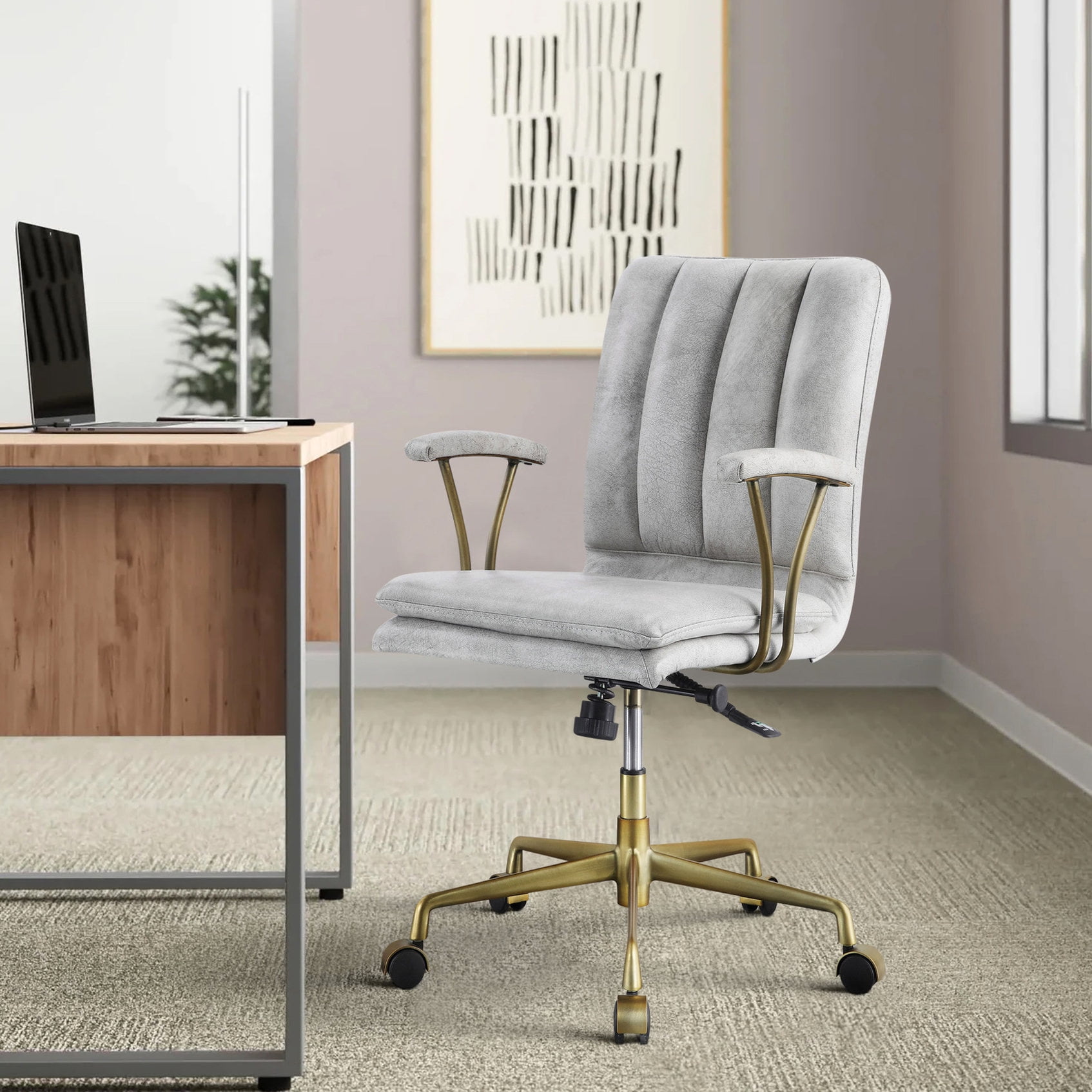
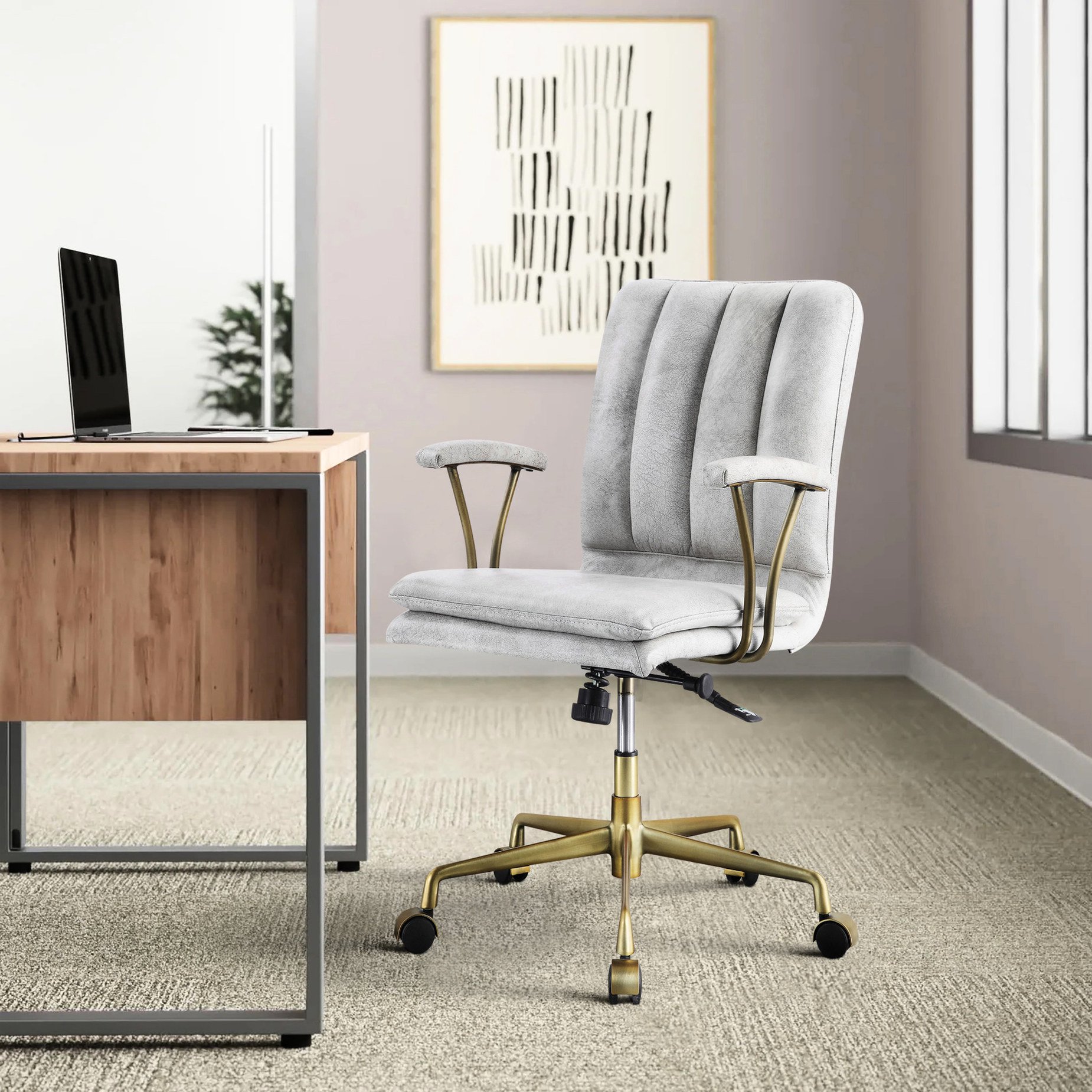
- Brass & Chrome Accents: Polished brass (for a warmer, traditional look) or chrome (for a sleeker, mid-century vibe) on the base, arms, or nailhead trim provide that final touch of authenticity.
3. Modern Comfort Inside a Retro Shell
While the outside looks vintage, the inside should be thoroughly modern. Look for these hidden features when choosing your chair:
- High-density foam cushioning that won't flatten after a few months. It should be firm yet forgiving, just like a quality car seat.
- Adjustable lumbar support integrated into the backrest. Some vintage styles have a clever curved back that naturally supports the spine.
- Smooth-rolling casters suitable for your floor type (hardwood or carpet). Many vintage-look chairs use brass-finished casters that roll silently.
- Gas lift height adjustment hidden under the seat, so you can find the perfect position without spoiling the classic lines.
Design tip: A vintage chair works like a great pair of jeans—it gets better with wear. Don't be afraid of slight variations in leather or a lived-in look; it adds to the charm.
4. Matching Your Vintage Chair to Your Office Decor
A vintage style office chair is surprisingly versatile. Here are a few pairing ideas:
- With a glass or white desk: A dark leather chair with wooden arms creates a striking focal point.
- With a rustic wood desk: Choose a lighter leather or a fabric shell in a muted tone (olive green, mustard) for a cohesive, cozy feel.
- In a minimalist space: A single statement chair with brass accents adds just the right amount of warmth and history.
Frequently Asked Questions About Vintage Style Office Chairs
Conclusion: Invest in a Chair With Character
Choosing a vintage style office chair is about more than just seating—it's about creating a workspace that inspires you. It’s a rejection of bland, disposable furniture and an embrace of craftsmanship, history, and personal style. Whether you're drawn to the sharp lines of a mid-century shell or the plush comfort of a tufted leather executive, these chairs prove that function and fashion can coexist beautifully.
Browse our curated selection above to find a piece that speaks to you. Remember, the best office chair is one that supports your body, fits your space, and makes you smile every time you sit down to work.