
Why Choose an Office Stationary Chair?
In a world of constant movement, there's power in stillness. An office stationary chair offers a deliberate alternative to traditional rolling chairs. By eliminating wheels and swivel mechanisms, these chairs provide a stable foundation that promotes better posture, reduces fidgeting, and creates an aura of focused authority. Whether you're leading a boardroom, managing a team, or working from a home office, the right stationary chair combines executive style with unwavering stability.
Workplace Insight: Studies show that excessive chair movement can be a source of distraction, reducing cognitive focus by up to 12%. Stationary chairs anchor you to your workspace, helping maintain concentration during critical tasks and high-stakes meetings.
Key Benefits of Fixed-Base Seating
Modern stationary chairs are far from the rigid, uncomfortable stools of the past. Today's designs incorporate ergonomic principles and premium materials to deliver a seating experience that rivals high-end swivel chairs.
Unwavering Stability
Fixed bases provide a solid platform that never shifts unexpectedly. This is especially beneficial for individuals with mobility concerns or those who simply prefer a grounded work environment.
Enhanced Postural Discipline
Without casters, you're encouraged to sit intentionally. Many users report improved spinal alignment and reduced slouching because the chair stays firmly in place, supporting natural posture.
Professional Aesthetics
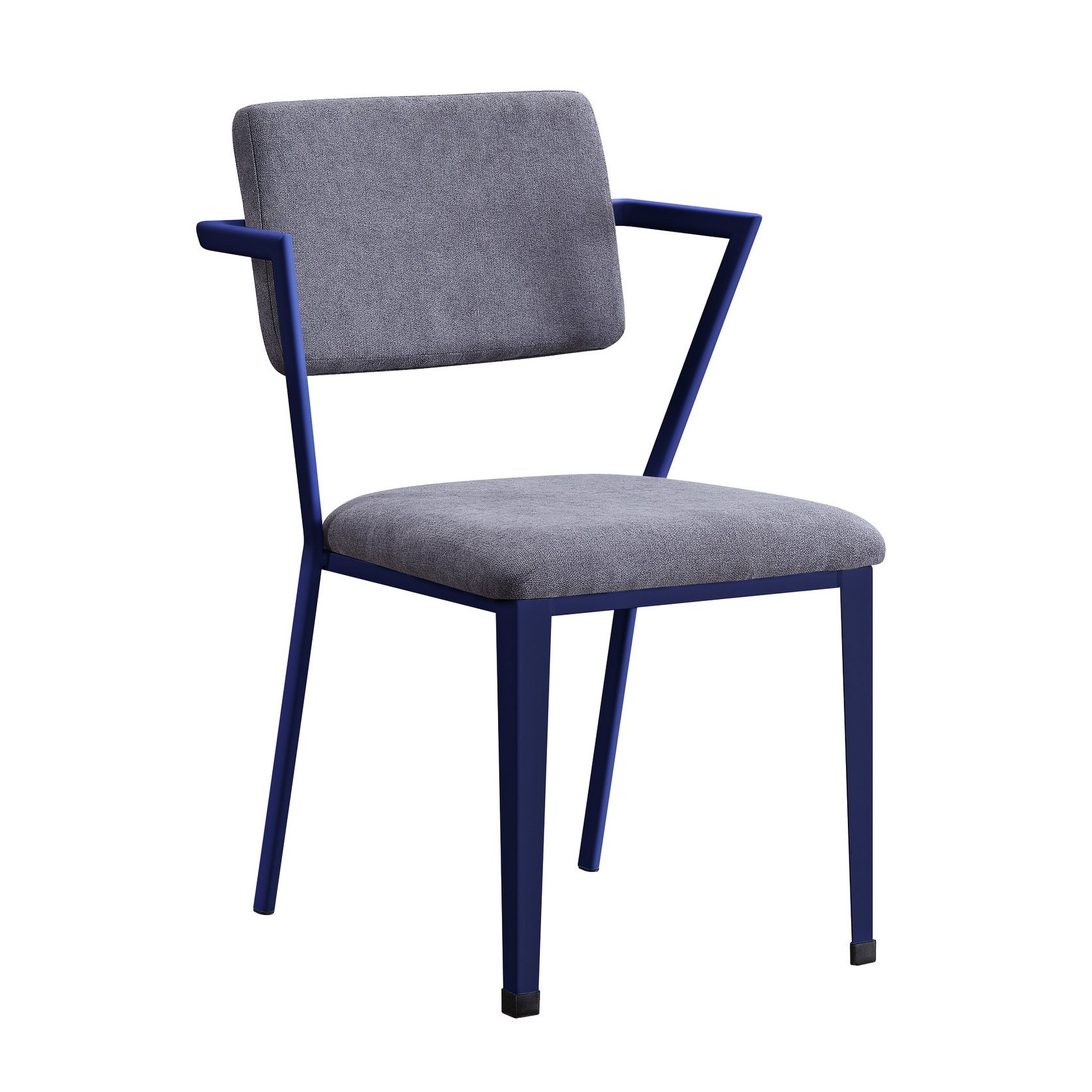
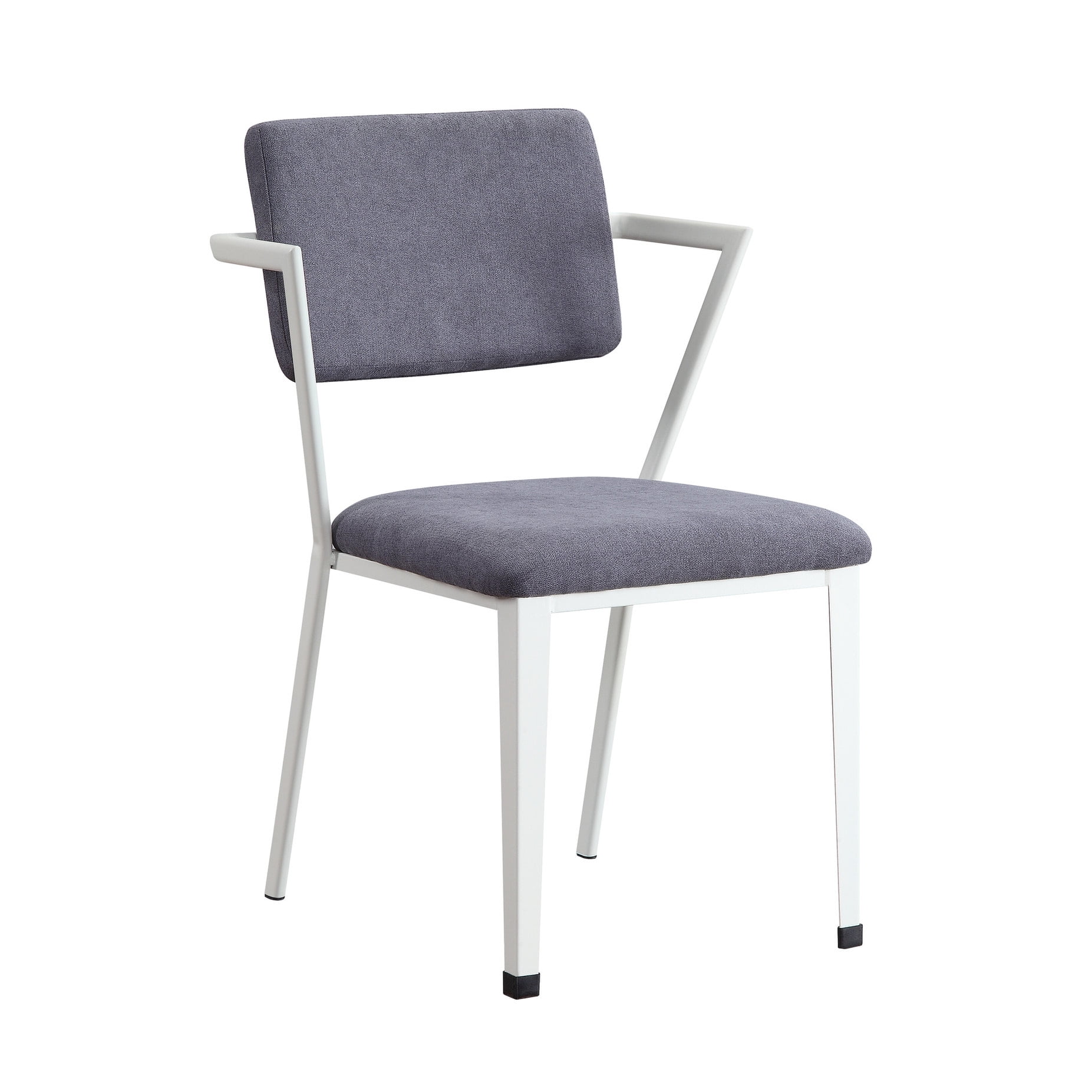
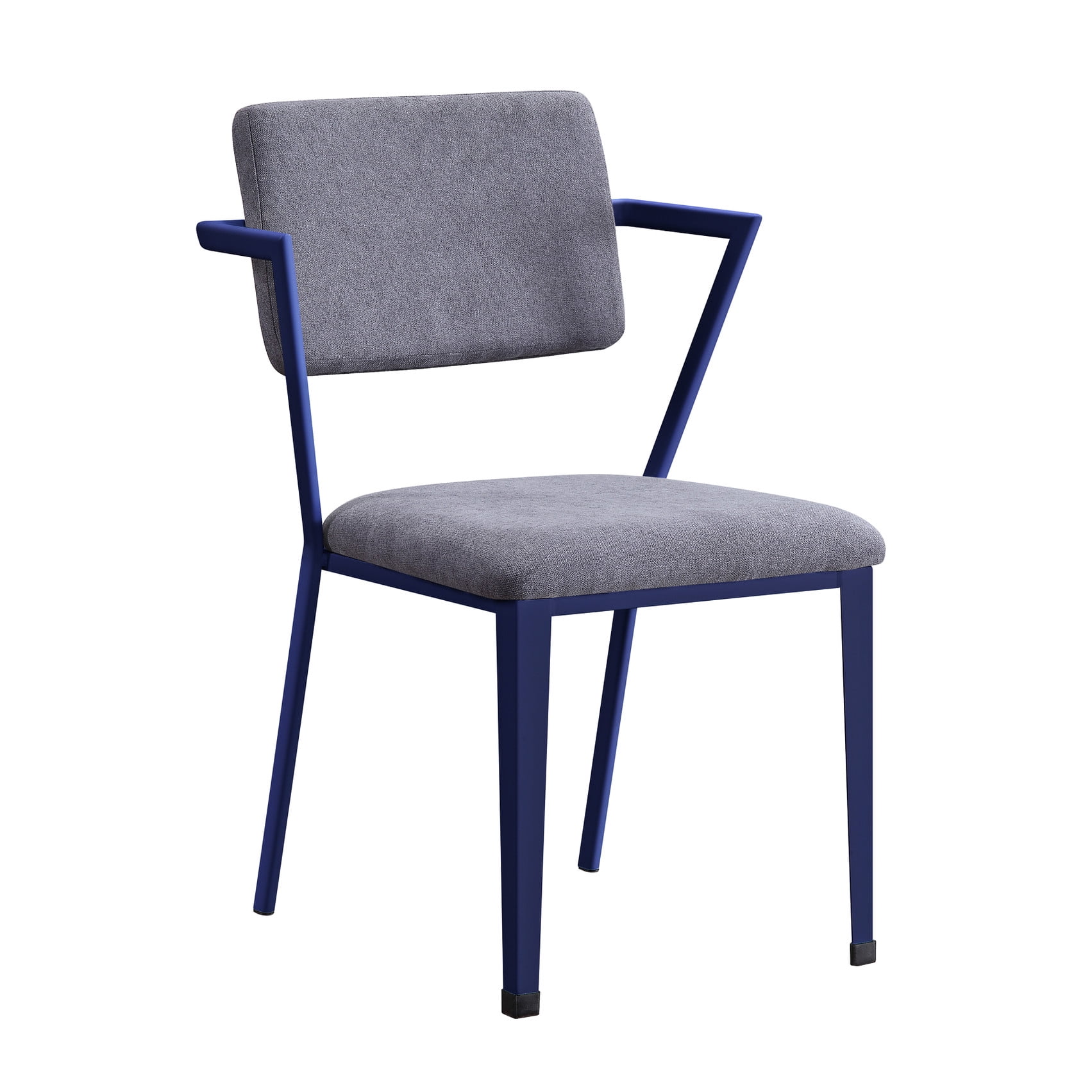
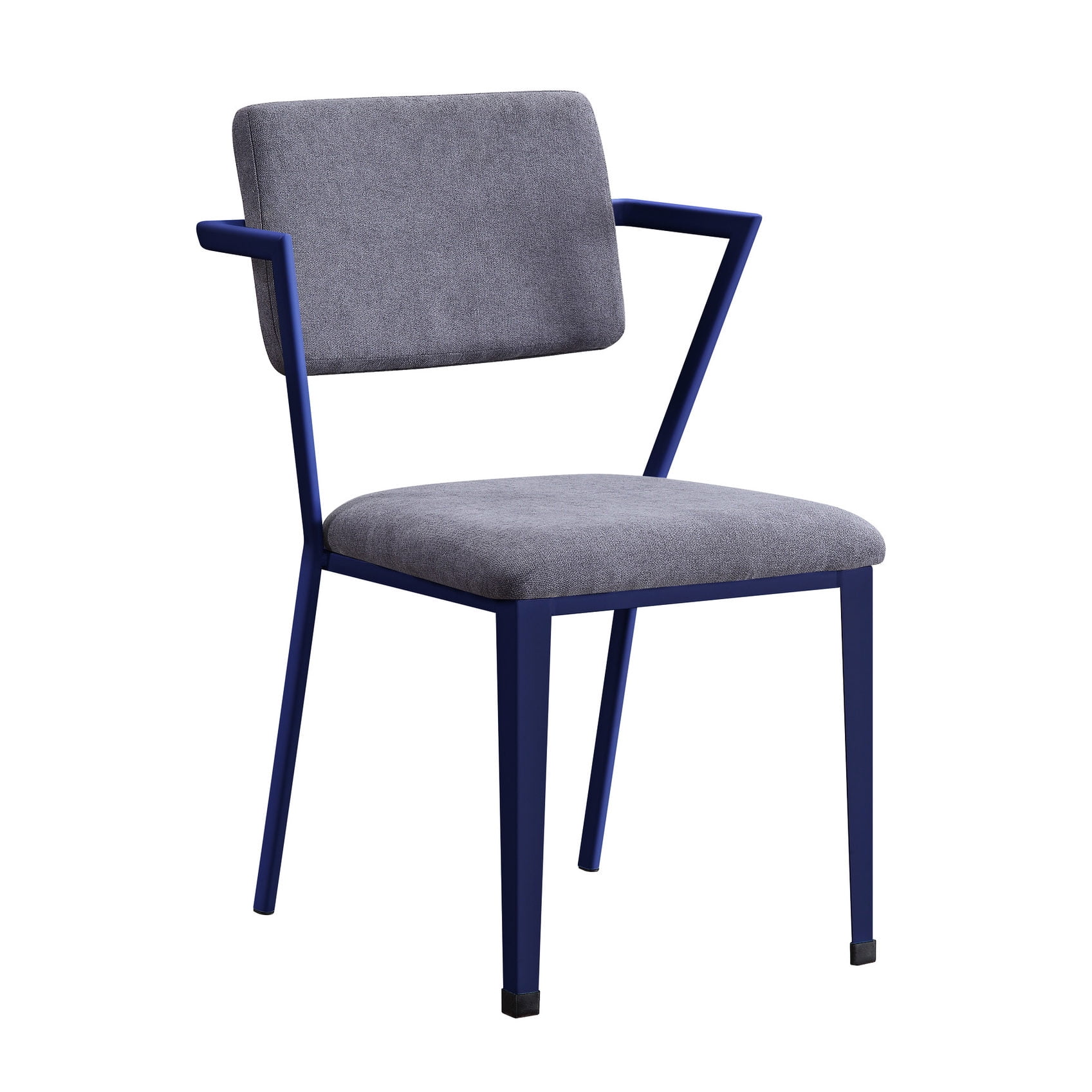
Stationary chairs often feature sleeker, more architectural designs. From polished aluminum bases to elegant wooden sled frames, they add a touch of refined sophistication to any office.
Long-Term Durability
With fewer moving parts (no wheels or swivel mechanisms), stationary chairs typically have fewer points of failure. High-quality models are built to last for a decade or more with minimal maintenance.
Who Benefits Most from a Stationary Office Chair?
Executive Leadership: For CEOs and senior managers, a stationary chair conveys authority and intentionality. It anchors you in place during important video calls or in-person presentations.
Home Office Professionals: Working from home often means limited space. Stationary chairs are perfect for smaller setups, eliminating the need for floor space required by rolling chairs.
Reception & Client-Facing Areas: Fixed-base chairs project a sense of order and professionalism. They also reduce wear on flooring and carpeting in high-traffic zones.
Ergonomic Enthusiasts: Some users prefer stationary chairs for the consistent support they offer. When combined with a sit-stand desk, they provide a stable platform for optimal ergonomic alignment.
Selecting the Ideal Stationary Chair: A Feature-Focused Guide
Choosing the perfect stationary office chair requires careful evaluation of several key components. Use this checklist to ensure you invest in a model that meets your professional and physical needs.
1. Base Construction
Material: Look for heavy-gauge steel or aluminum bases. Sled bases (curved metal frames) offer a modern look and exceptional stability. Four-star or five-star fixed bases distribute weight evenly.
Pro Tip: For carpeted floors, ensure the base has glides or leveling feet to prevent rocking.
2. Seat Comfort & Material
Cushioning: High-density molded foam retains shape over time. Avoid overly soft padding that may compress within months.
Upholstery: Leather (genuine or high-quality bonded) offers easy cleaning and a premium look. Fabric provides breathability and a softer feel.
3. Back Support & Ergonomics
Lumbar: Integrated or adjustable lumbar support is crucial for long hours. High-back designs offer full spine support, while mid-back models promote active posture.
Recline Mechanism: Many stationary chairs feature a tilt or recline function with tension adjustment to allow dynamic movement without rolling.
4. Adjustability Options
Height Adjustment: A pneumatic gas lift is common even in stationary chairs. Ensure the range accommodates your desk height.
Armrests: Fixed or adjustable armrests can relieve shoulder tension. For ultimate customization, look for 2D or 3D adjustable arms.
Material Breakdown for Stationary Office Chairs
The material of your stationary chair influences both its longevity and its visual impact. Here's how common materials stack up:
| Material | Durability | Comfort & Feel | Maintenance | Best Use Case |
|---|---|---|---|---|
| Genuine Leather | Excellent (10+ years) | Luxurious, conforms to body over time | Regular conditioning required | Executive suites, high-end home offices |
| Faux Leather / PU | Good (3-7 years) | Soft, easy to clean, budget-friendly | Wipe with damp cloth | General office, reception areas |
| Premium Fabric | Good (5-8 years) | Breathable, wide color options | Spot cleaning, occasional vacuum | Collaborative spaces, home offices |
| Mesh (with fixed base) | Moderate (4-6 years) | Highly breathable, modern aesthetic | Easy to dust, minimal upkeep | Tech offices, warm climates |
Design Note: Stationary chairs with wooden or metal sled bases are increasingly popular in modern interior design. They offer a minimalist profile that pairs beautifully with glass desks or traditional executive furniture.
Health & Productivity Benefits of a Non-Rolling Chair
Choosing a stationary chair isn't just about aesthetics—it's a strategic decision that can positively impact your physical well-being and daily output.
- Reduced Lower Back Strain: Because the chair stays put, you're less likely to adopt awkward reaching positions. This helps maintain a neutral spine throughout the day.
- Improved Circulation: Waterfall seat edges—common in ergonomic stationary models—prevent pressure behind the knees, promoting healthy blood flow.
- Lower Distraction Environment: No squeaky wheels or accidental rolling means you stay mentally locked into your tasks, boosting productivity by reducing micro-interruptions.
- Enhanced Safety: For users with balance issues or in busy offices, a fixed base eliminates the risk of the chair sliding out from under you.
Stationary vs. Swivel: Making the Right Choice
Both chair types have their place. Use this simple comparison to decide which suits your work style:
Opt for Stationary If:
- You value absolute stability during work
- Your workspace has limited floor area
- You rarely need to reach for items far from your desk
- You prefer a clean, uncluttered aesthetic
- You want to minimize movement to maintain focus
Opt for Swivel/Rolling If:
- You frequently move between multiple workstations
- You need to rotate between screens or files
- Your office layout requires frequent repositioning
- You prefer dynamic movement while working
Investment Perspective: Long-Term Value
Premium office stationary chairs represent a significant but worthwhile investment. A high-quality model with a steel frame, dense foam, and durable upholstery can easily last 10 to 15 years. When you factor in the daily comfort, ergonomic benefits, and professional image they project, the cost per year becomes remarkably reasonable—often less than the price of a daily coffee.
Budget Guideline: Entry-level stationary chairs with essential ergonomics typically start around $250–$400. Mid-range models ($500–$900) offer better materials, enhanced adjustability, and longer warranties. Premium executive stationary chairs ($1,000+) feature top-grain leather, advanced ergonomic systems, and commercial-grade construction.