
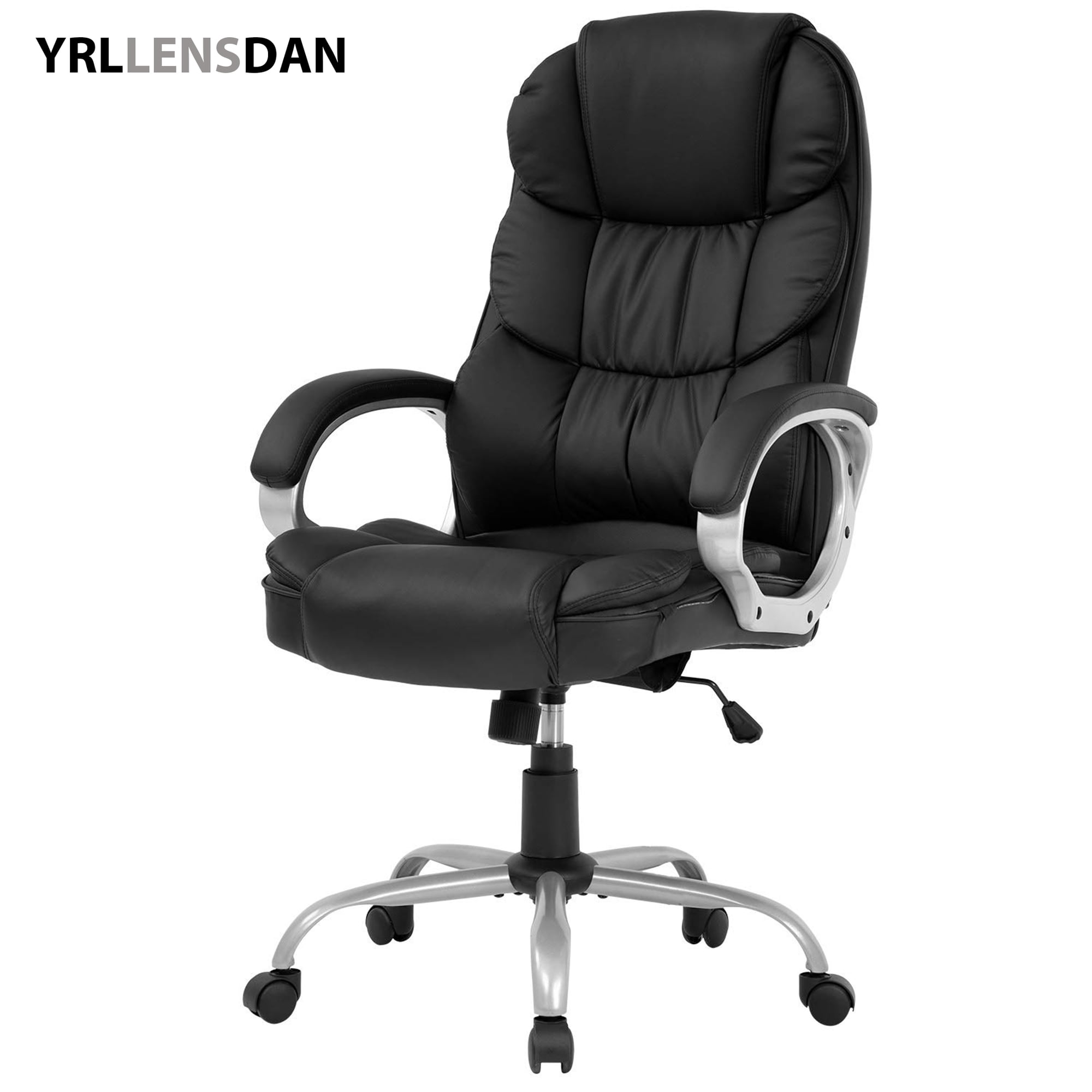
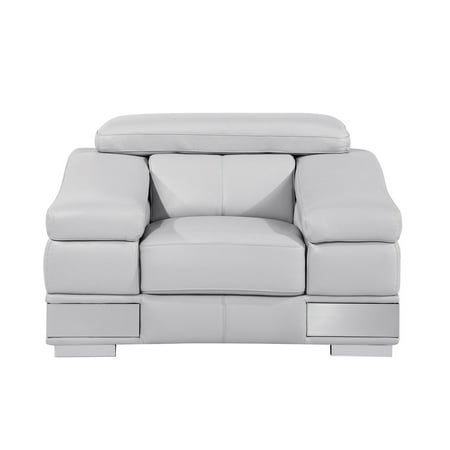
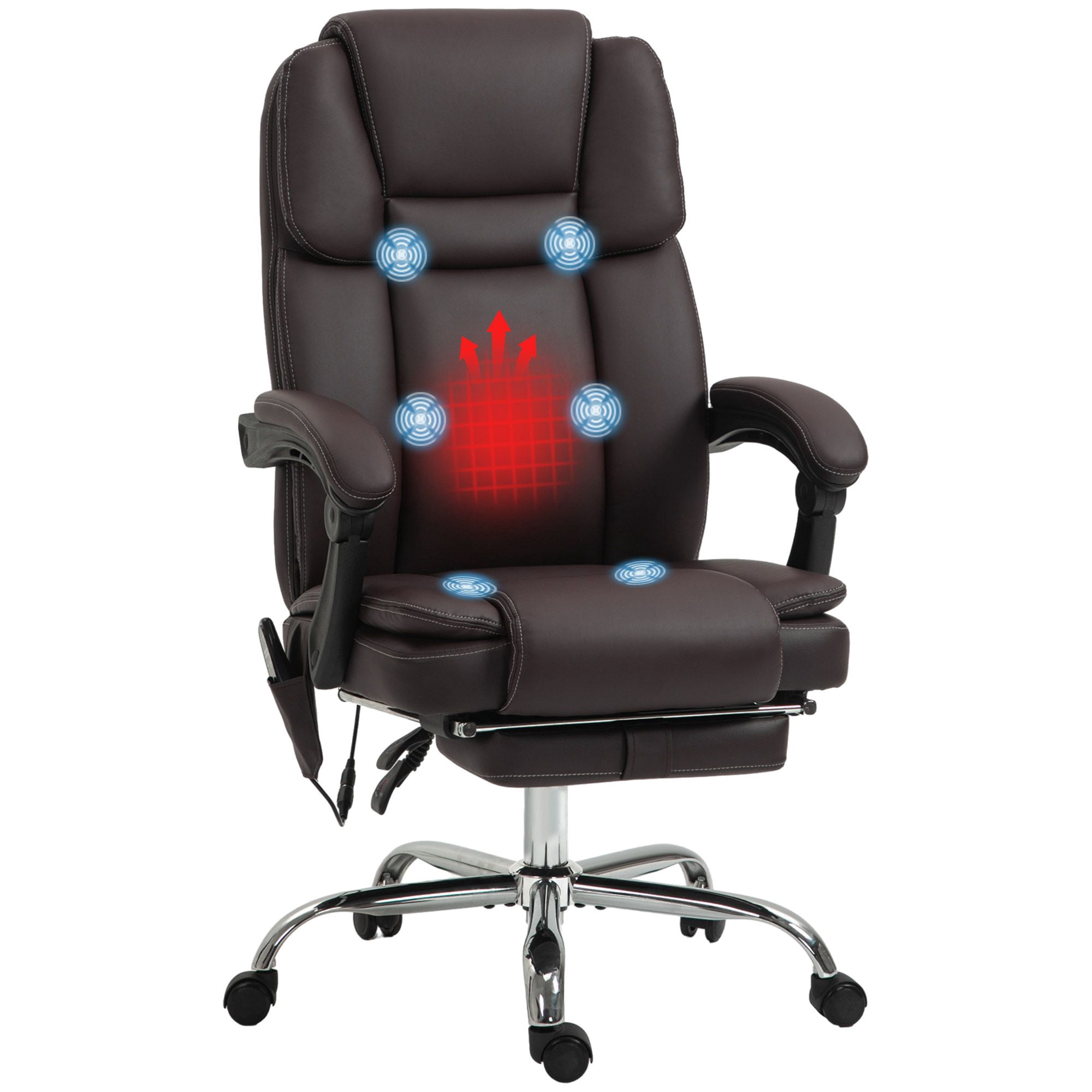
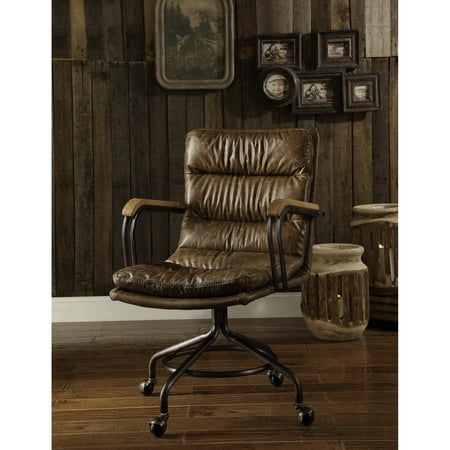
Beyond the Leather: What "Comfortable" Really Means
Imagine stepping into your office. The day ahead is long, filled with back-to-back video calls, intense focus sessions, and creative brainstorming. Your first point of contact with this workday? Your office chair. For many, the pursuit of the perfect seat ends with a comfortable leather office chair. It’s a symbol of professionalism, but more importantly, it’s a sanctuary for your body during those crucial working hours.
But "comfortable" is a subjective term. A chair that feels like a cloud for five minutes might turn into a backache nightmare after hour three. In this guide, we’re not just looking for softness. We’re looking for the perfect alchemy of cushioning, support, material quality, and adjustability—all wrapped in the timeless elegance of leather. We'll explore why leather remains a top choice for comfort and how to select a chair that will keep you feeling great for years to come.
The Anatomy of Comfort: Key Features in Leather Chairs
When shopping for a comfortable leather office chair, think of it as a high-performance vehicle for your spine. Every component plays a role. Here’s what separates a truly comfortable chair from a pretty but painful one.
1. The Cushioning: High-Density Foam vs. Memory Foam
The seat cushion is your foundation. A common mistake is equating softness with comfort. A pillow-soft seat might feel great momentarily, but it lacks the resilience to support your pelvis and thighs, leading to poor posture and fatigue.
- High-Density Foam: This is the gold standard for all-day comfort. It’s firm enough to provide structure but contours slightly to your body. Think of a high-quality mattress—it supports you without letting you sink. This prevents pressure points and keeps your spine aligned.
- Memory Foam: Some premium leather chairs incorporate a layer of memory foam on top of a high-density base. This offers a "hug" that conforms to your unique shape. It’s exceptionally comfortable for those who prefer a plusher feel, but ensure the base foam is dense enough to prevent you from bottoming out.
- Waterfall Edge: Look for a seat with a gently sloping "waterfall" front edge. This design reduces pressure on the back of your thighs and behind your knees, promoting better blood circulation to your legs and feet—a critical feature for long hours of sitting.
2. Lumbar Support: The Unsung Hero of Comfort
A beautiful leather backrest is useless if it doesn't support the natural curve of your lower back. Without proper lumbar support, you’ll find yourself slouching, which leads to back pain, shoulder tension, and even headaches.
The most comfortable chairs offer adjustable lumbar support. This isn't a one-size-fits-all solution. You should be able to move the support pad up and down, and sometimes in and out, to perfectly fit the small of your back. According to ergonomic studies, maintaining the spine's natural S-curve can reduce muscle fatigue by up to 40% over an eight-hour workday.
3. The Leather Itself: From Stiff to Supple
The type of leather dramatically impacts both initial and long-term comfort.
- Bonded Leather: Often found in budget chairs. It can be comfortable initially but tends to crack and peel over time, losing its comfort factor.
- Genuine Leather: A step up, this is real leather but often from the lower layers of the hide. It's durable but can feel slightly stiffer.
- Top-Grain Leather: This is the sweet spot for comfort. The surface has been sanded and refinished, making it smoother and more supple than full-grain. It feels soft to the touch and requires minimal break-in.
- Full-Grain Leather: The highest quality, retaining all the natural markings. It's incredibly durable but can feel firm initially. Over time, it develops a beautiful patina and molds to your body, becoming uniquely comfortable for you.
- Perforated Leather: Look for tiny perforations in the leather. This is a game-changer for comfort, as it allows for breathability, preventing that sticky, sweaty feeling during long meetings or in warmer climates.
4. The "Sit Test": Recline and Tilt Tension
Comfort isn't static. A truly comfortable leather office chair allows you to move. The ability to recline and lean back is essential for dynamic sitting, which relieves pressure on your spine.
Pay close attention to the tilt tension mechanism. This controls how much effort it takes to recline. You want it adjusted so you can lean back effortlessly, yet the chair provides enough resistance to support you in any position. A synchronized mechanism, where the seat and backrest move together, provides a more natural and comfortable recline.
5. Armrests: 4D Adjustability is King
Nothing ruins the comfort of a plush leather seat faster than armrests that are in the wrong position. They should support your arms and shoulders, allowing them to relax.
Look for "4D" armrests, which allow you to adjust them in four directions: up/down, forward/back, left/right (pivot), and sometimes width. This level of customization ensures your elbows are at a 90-degree angle, your shoulders are relaxed, and you're not hunching or reaching for your desk.
Pro Tip: Think of your chair's adjustments like a bespoke suit. You wouldn't wear a suit off the rack without tailoring it. Don't just sit in your new leather chair; spend the first day adjusting every single lever and knob to fit your unique body dimensions.
Frequently Asked Questions About Comfortable Leather Office Chairs
Conclusion: Investing in Your Daily Comfort
Finding the perfect comfortable leather office chair is a personal journey. It’s about understanding that true comfort is a partnership between your body and your furniture. It’s the high-density foam that supports you, the adjustable lumbar that cradles your back, and the supple leather that welcomes you at the start of each day.
Don't settle for a chair that looks good but leaves you feeling tired and achy. Use the insights from this guide to prioritize features that matter—cushioning, adjustability, and leather quality. A chair is not an expense; it's an investment in your health, your focus, and your professional well-being. Choose wisely, and your body will thank you for years to come.