
Why Standard Office Chairs Fail the ADHD Brain (And What Actually Works)
If you have ADHD, you know the struggle: you're supposed to sit still, but your body screams for movement. You shift, you fidget, you cross your legs, you bounce your knee. Traditional executive chairs are built for static posture—they imprison you. An ADHD office chair is different. It's a tool that works with your neurology, not against it. It gives your body the input it craves so your mind can finally focus. Let's explore how the right seat can transform your workday.
🧠 The Neuroscience Bit: Research suggests that physical movement helps regulate dopamine and norepinephrine levels in the ADHD brain. A 2015 study from the University of Central Florida found that children with ADHD focusing better when they were allowed to move. While designed for adults, an active seating ADHD chair applies the same principle: controlled movement reduces the need for disruptive fidgeting.
The 4 Pillars of an ADHD-Optimized Office Chair
Not all ergonomic chairs are created equal for neurodivergent users. Here’s what to look for:
1️⃣ Dynamic Movement (The Rocking Factor)
A chair with a smooth tilt mechanism or a wobble stool base allows you to rock gently. This vestibular stimulation is like white noise for your body—it satisfies the need to move without leaving your desk. Look for chairs with adjustable tilt tension so you can dial in the perfect sway.
2️⃣ Ergonomic Adjustability
ADHD often comes with hyperfocus, which can make you ignore pain until it's screaming. A chair with adjustable lumbar height, seat depth, and 4D armrests ensures you can tweak the fit until it disappears—allowing you to focus on work, not your aching back.
3️⃣ Sensory-Friendly Materials
If certain textures drive you crazy (tactile defensiveness), avoid sticky vinyl or rough fabric. Breathable mesh prevents overheating during hyperfocus sessions. Soft, woven fabric or smooth leather can be soothing. The material should not be a distraction.
4️⃣ Postural Prompting
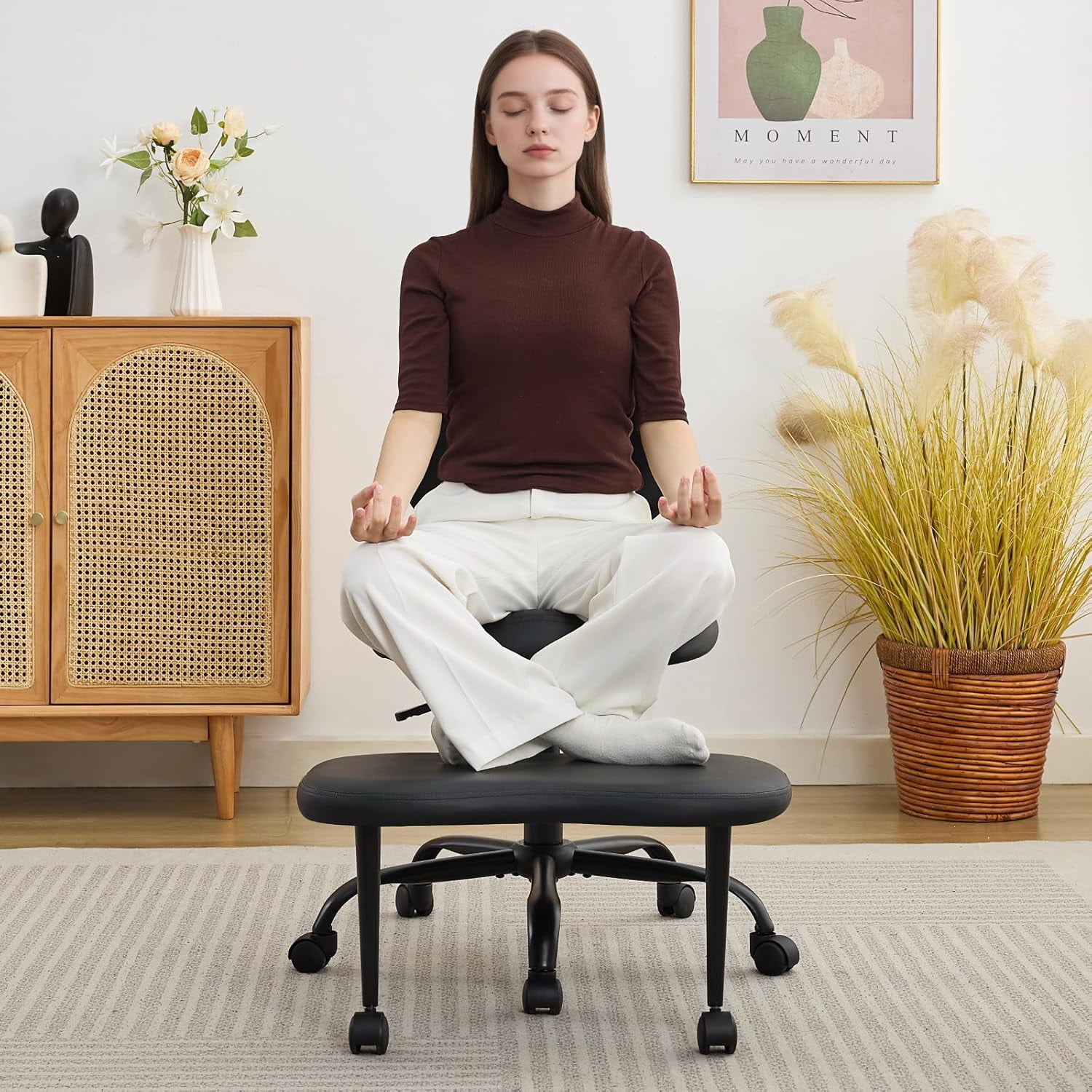
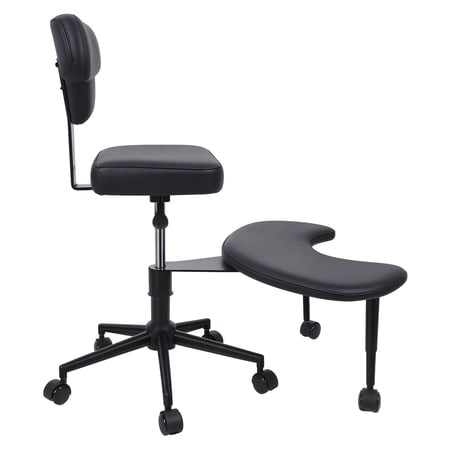
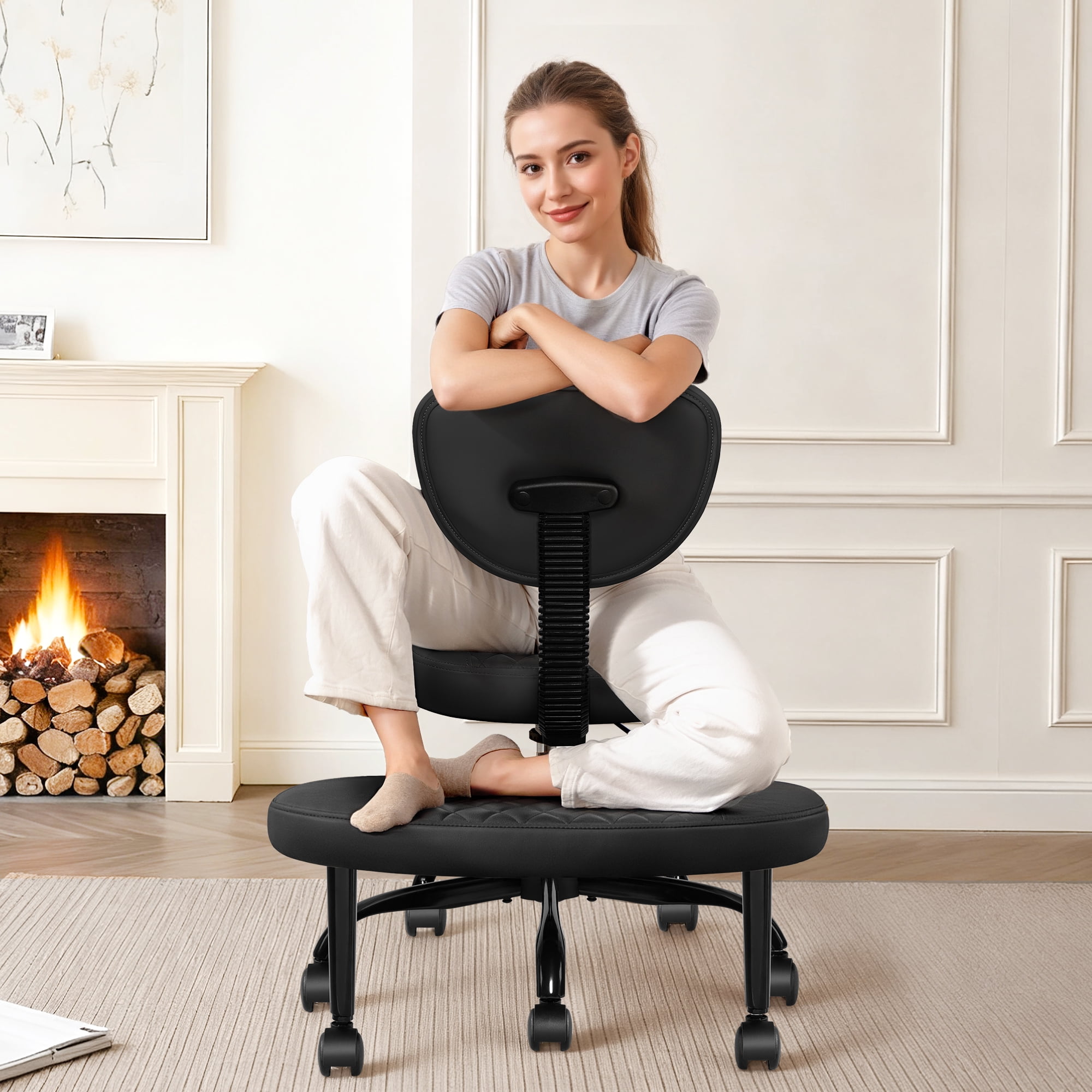
Some ADHD chairs, like active kneeling chairs or saddle stools, encourage an open hip angle. This 'perching' position keeps you slightly off-balance, prompting your core to engage and your brain to stay alert—it’s harder to doze off when you're subtly balancing.
Dynamic vs. Static: A Quick Comparison
| Feature | Standard Executive Chair | ADHD-Optimized Chair |
|---|---|---|
| Movement | Locked upright position | Free-float tilt, rocking, or swivel |
| Backrest | Often fixed or minimal give | Flexible or mesh with spring-back |
| Sensory Load | Heat-retaining leather/vinyl | Breathable mesh or soft, non-triggering fabric |
| Adjustability | Basic height and tilt | Seat depth, lumbar, arms, headrest |
| Fidget Potential | Leg bouncing only | Rocking, perching, leaning |
Types of ADHD-Friendly Seating
There isn't a one-size-fits-all ADHD chair. Here are the main categories, with their pros and cons:
✅ High-Back Dynamic Mesh Chair
- Pros: Excellent breathability, good neck support for leaning back, synchronous tilt allows movement, professional look.
- Cons: Can be expensive, mesh may lose tension over years.
⚠️ Kneeling / Saddle Chair
- Pros: Forces open posture, constant micro-movements, great for core engagement.
- Cons: No backrest, can be tiring for full 8-hour days, requires getting used to.
✅ Active Seat / Wobble Stool
- Pros: Maximum movement (360° wobble), extremely engaging, often height-adjustable.
- Cons: No back support, not suitable for formal offices, requires balance.
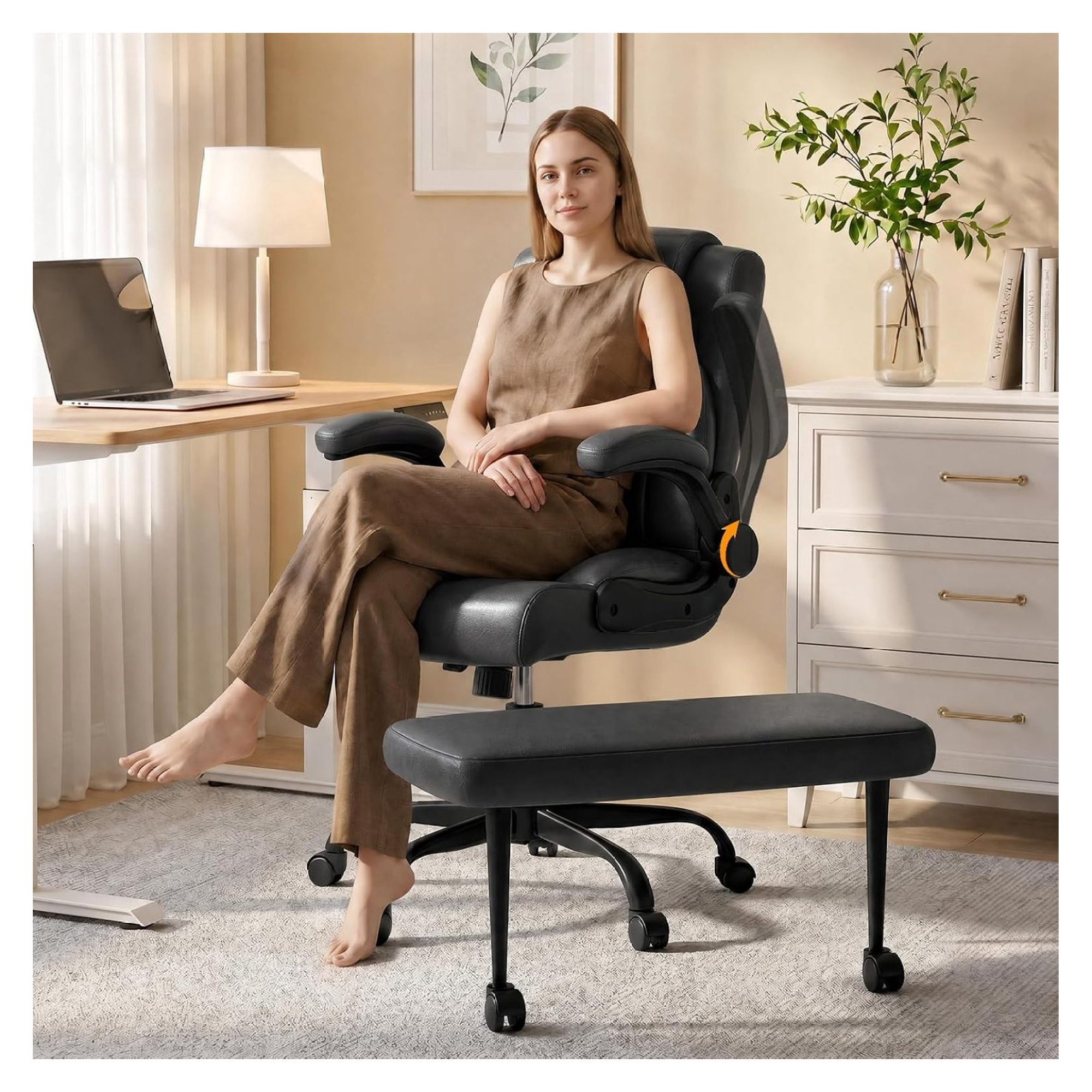
⚠️ Ergonomic Task Chair with Headrest
- Pros: Balanced support and movement, good for zoning out (headrest supports the 'thinking lean').
- Cons: Movement range is less than a wobble stool, headrest might bother some.
Setting Up Your ADHD Workspace: Beyond the Chair
The chair is just one piece. Combine it with these strategies for a focus-friendly zone:
- Foot Fidget Bar: Attach a swing bar under your desk. It gives your feet a place to bounce or swing, channeling energy silently.
- Standing Desk Converter: Pair your ADHD chair with a standing desk. The ability to switch postures throughout the day prevents stagnation.
- Texture Underfoot: A small mat with a different texture (like a spiky massage mat or a soft rug) gives your feet sensory input while you work.
- Weighted Lap Pad: For some with ADHD, deep pressure is calming. A small weighted pad on your lap can reduce fidgeting.
Step-by-Step: How to Choose Your ADHD Office Chair
Do you run hot or cold? Do you hate tags and rough textures? List your sensory triggers. If you overheat easily, mesh is mandatory. If you love cozy textures, look for fabric or velvet. If you need smoothness, leather might be your pick.
Do you need to rock rhythmically? (Look for a high-tilt tension chair). Do you prefer swiveling and bouncing? (Consider a wobble stool or active seat). Do you just need to shift positions constantly? (A highly adjustable ergonomic chair with seat depth changes is key).
Measure your desk height (seat should allow elbows at 90°). Measure your popliteal height (back of knee to floor) to ensure proper seat height range. If you're tall, look for a chair with a higher back and deeper seat. If you're petite, look for a seat pan that adjusts shallower.
If possible, sit in the chair and see if you can bounce your knees without hitting the desk. See if the armrests get in the way when you shift. The chair should allow you to sit in at least 3 different positions comfortably (upright, leaned back, perched forward).
If you plan to rock or bounce, ensure the chair has a heavy-duty gas lift (class 4 or above) and a sturdy aluminum base. Plastic bases can crack under dynamic stress. Look for warranties covering the mechanism for at least 5 years.
Frequently Asked Questions About ADHD Office Chairs
Final Thought: Let Your Body Help Your Brain
For years, you might have been told to "sit still." But if you have ADHD, stillness might be the enemy of focus. The right ADHD office chair gives you permission to move—safely and ergonomically. It honors your neurology. Whether you choose an active wobble stool, a breathable mesh rocker, or a highly adjustable task chair, the goal is the same: reduce the friction between your body and your work. Invest in a chair that lets you forget you're sitting, so you can remember what you're working on.
Recommendation: Start by analyzing your movement patterns today. Do you rock, bounce, or shift? Use that information to filter the chairs above. Your focus is worth the upgrade.