
Why Invest in a Body Built Office Chair?
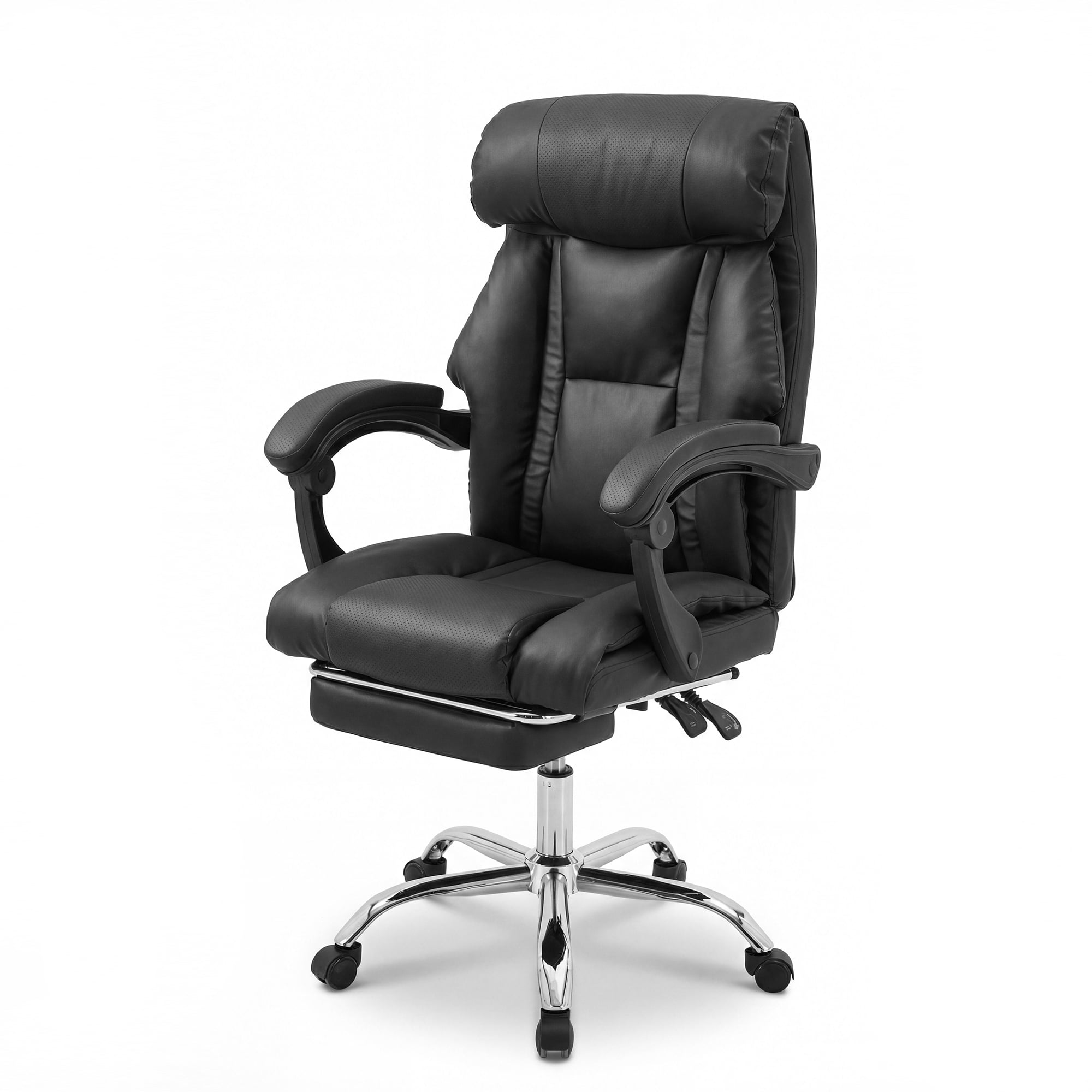
When standard office chairs fail to provide the necessary support and longevity, a body built office chair becomes more than a luxury—it's a necessity. Engineered specifically for larger body types, these chairs represent the pinnacle of durability and ergonomic design. For executives, remote workers, or anyone spending significant hours at a desk, choosing a chair that matches your physical needs is crucial for preventing fatigue, back pain, and long-term musculoskeletal issues.
Industry Insight: Research indicates that nearly 40% of office workers report discomfort with standard-sized seating. For individuals with larger frames, this percentage is significantly higher. A properly fitted, heavy-duty chair can reduce lower back pain by up to 55% and increase daily productivity by minimizing discomfort-related distractions.
What Defines a True Body Built Office Chair?
Not all chairs labeled as "big and tall" or "heavy-duty" are created equal. A genuine body built office chair is distinguished by several core engineering and design principles:
Reinforced Steel Frame
The backbone of durability. Look for chairs with a solid steel or heavy-gauge aluminum frame that can withstand daily stress without flexing or weakening over time.
Class 4 Gas Lift Cylinder
The standard for heavy-duty seating. A Class 4 cylinder supports significantly more weight and provides thousands of smooth, reliable height adjustments, preventing sudden sinking.
Wider, Contoured Seat
Seat widths of 21 to 24 inches offer ample space, while waterfall edges promote circulation. High-density foam (often 4-6 inches thick) prevents bottoming out.
5-Star Heavy-Duty Base
A reinforced aluminum or steel base with a wide footprint provides exceptional stability, ensuring the chair remains firmly planted even during movement or recline.
Ergonomic Features Tailored for Larger Frames
Beyond sheer strength, the best body built office chairs incorporate advanced ergonomics to support long hours of work:
- Adjustable Lumbar Support: A must-have. Look for both height and depth adjustment to precisely fit the natural curve of your lower spine. Some premium models offer dynamic lumbar that moves with you.
- High-Back Support: A tall backrest (often 30 inches or higher) provides crucial support for the entire spine, including the upper back and shoulders, promoting a more relaxed, upright posture.
- 4D Armrests: Armrests that adjust in height, width, depth, and pivot angle allow you to create a custom fit, reducing strain on your shoulders, neck, and wrists during typing or resting.
- Seat Depth Adjustment: This feature allows you to slide the seat pan forward or backward, ensuring proper thigh support without pressure behind the knees. It's critical for users with longer legs.
- Recline Mechanism with Tension Control: A synchronized tilt mechanism that allows the back and seat to move in a coordinated manner, with adjustable resistance, lets you find the perfect angle for focused work or relaxed thinking.
Material Matters: Choosing the Right Upholstery
The material of your chair affects not only its appearance but also its breathability, durability, and maintenance. Here's a quick guide:
- Heavy-Duty Mesh: Ideal for warmer climates. It offers exceptional breathability, preventing heat buildup. High-quality mesh for body built chairs uses a denser weave to maintain support without sagging.
- Top-Grain Leather: The ultimate in professional aesthetics and durability. Leather is easy to clean, resists spills, and ages beautifully. However, it requires conditioning and can be warm.
- High-Performance Fabric: Often a blend of polyester and nylon, these fabrics are designed to be stain-resistant, durable, and more breathable than leather, offering a comfortable balance.
- Faux Leather (PU): A budget-friendly option. While it can look stylish, its durability is lower than genuine leather or premium mesh and may crack or peel after a few years.
Health & Productivity Benefits of a Properly Fitted Chair
Choosing the right chair is an investment in your well-being. The benefits extend far beyond simple comfort:
Reduced Musculoskeletal Pain
Proper support minimizes strain on the back, neck, and shoulders, helping to prevent chronic pain conditions associated with poor seating.
Improved Posture
A chair designed for your frame encourages a neutral spine position, reducing slouching and its negative long-term effects on the spine and discs.
Enhanced Focus & Energy
When you're not constantly shifting to find a comfortable position, your mental energy can be directed entirely to your work, leading to higher productivity.
Increased Longevity of Investment
Body built chairs are constructed with higher-grade components, meaning they outlast standard chairs, providing better value over their extended lifespan.