
Why the "Office Chair That You Can Sleep In" is a Game-Changer
In today's high-performance work culture, the line between productivity and burnout is thin. The modern professional needs more than just a place to sit—they need a sanctuary that adapts to their rhythm. Enter the revolutionary category of the office chair that you can sleep in. This isn't just a seat; it's a multifunctional tool designed to maximize your efficiency during work hours and provide a crucial reset button when fatigue sets in.
Productivity Insight: Studies from NASA and the National Sleep Foundation show that a short power nap of 10-20 minutes can improve alertness by up to 100% and boost cognitive performance. An office chair designed for sleep enables you to capture these benefits without leaving your workspace.
Think of it as your personal cockpit. Just as a pilot's seat is engineered for long-haul comfort and immediate alertness, these specialized chairs are built to support you through intense focus and provide instant relaxation. They combine the ergonomic requirements of an executive task chair with the plush comfort and reclining functionality of a first-class seat. This hybrid design is the ultimate solution for entrepreneurs, remote workers, creatives, and anyone who spends extended hours at their desk.
Key Features of a Napping-Ready Office Chair
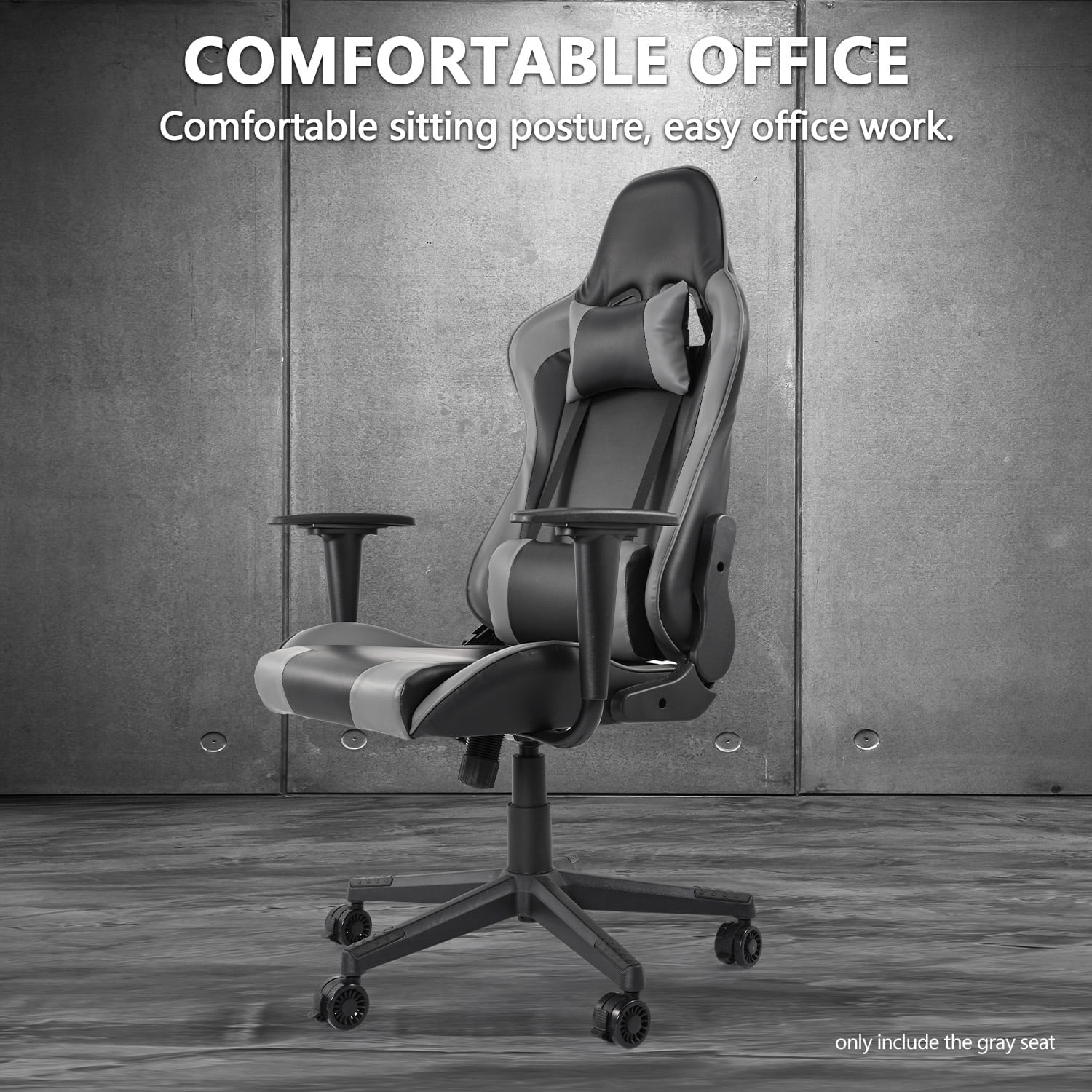
Finding the perfect office chair that you can sleep in requires looking beyond standard office chair features. Here are the critical elements that transform a simple task chair into a sleep-friendly workstation:
- Deep Recline Mechanism: Look for a chair that reclines to at least 135 degrees. The best options offer a near-flat 150-180 degree recline, allowing for a natural sleeping posture that reduces spinal pressure.
- Integrated Padded Footrest: A retractable footrest is non-negotiable. It provides crucial support for your legs and feet, improving circulation and preventing that "pins and needles" feeling when you recline.
- Multi-Dimensional Headrest: A well-padded, adjustable headrest that supports the natural curve of your neck is essential to prevent strain and ensure your head is properly supported during a nap.
- Plush, High-Density Foam Cushioning: The seat and back should be generously padded with high-resilience foam that provides "sink-in" comfort without bottoming out over time.
- Locking Tilt Mechanism: A reliable locking system allows you to secure the chair at your desired recline angle, ensuring you don't slowly sink back or spring forward while you're sleeping.
The Anatomy of a Napping Chair: A Quick Comparison
To help you visualize the differences, here's how a standard office chair compares to a premium "sleep-ready" model.
| Feature | Standard Task Chair | Sleep-Ready Reclining Office Chair |
|---|---|---|
| Recline Angle | Typically 90° to 110° (minimal recline) | 90° to 150°+ (near-flat recline) |
| Head Support | Often none, or a small, non-adjustable headrest | Large, padded, and adjustable headrest for full neck support |
| Leg Support | None | Integrated, extendable footrest for full leg support |
| Cushioning | Medium-density foam, focused on support for sitting upright | High-density, plush foam designed for both sitting and lying down |
| Primary Use | Upright working, typing, focusing | Dual-purpose: productive work & restorative napping/relaxation |
Health and Productivity Benefits of Reclining Office Chairs
Choosing an office chair that you can sleep in is an investment in your long-term health and daily performance. Here’s how it pays dividends:
Reduced Spinal Pressure
Reclining shifts your body weight from your pelvis and spine to your back and shoulders, decreasing spinal disc compression by up to 30% compared to sitting upright.
Enhanced Cognitive Function
Power naps of 10-20 minutes have been proven to improve memory, creativity, and alertness. This chair makes it convenient to take these "mental resets" anytime.
Improved Circulation
Leg elevation via the footrest promotes better venous return, reducing the risk of edema (swelling) and deep vein thrombosis (DVT) associated with prolonged sitting.
Stress Reduction
The simple act of reclining can trigger a relaxation response, lowering cortisol levels and reducing feelings of stress and anxiety, making you more resilient.
How to Choose the Perfect Office Chair for Sleeping
Selecting the right chair involves more than just a quick glance. Follow this structured approach to find your ideal match.
Step 1: Assess Your Space and Physical Needs
- Measure Your Area: Ensure you have enough space behind your desk for the chair to fully recline without hitting a wall or furniture.
- Know Your Body: Consider your height and weight. A taller person needs a chair with a longer seat depth and a higher backrest to support the head and shoulders when reclined.
- Identify Key Comfort Zones: Do you have existing back or neck pain? Prioritize chairs with highly adjustable lumbar and head support.
Step 2: Match the Chair to Your Usage Pattern
Prioritize breathable materials like high-quality mesh on the back, combined with plush seat foam to balance ventilation and comfort.
Focus on a durable, smooth recline mechanism with a multi-position lock and a premium, easy-to-clean upholstery like leather or bonded leather.
Look for a chair with 4D armrests that can be adjusted out of the way when napping and a footrest that stows neatly when working.
Fabric or leather chairs provide warmth and a cozy feeling, ideal if your office tends to be air-conditioned and you want a comfortable nap.
Step 3: Establish Your Investment Tier
A quality napping office chair is an investment in your well-being. Here's a general guide to what you can expect at different price points:
Entry Level
Basic recline (up to 135°), padded footrest, good for occasional napping and general comfort.
Mid-Range
Wider recline angles (150°), better cushioning, more durable mechanisms, and higher weight capacities.
Premium
Near-flat recline (180°), premium materials (top-grain leather), advanced ergonomic adjustments, and exceptionally smooth mechanisms.
Step 4: Test the Experience (Simulate a Nap)
Expert Tip: When testing a chair, don't just sit upright. Fully recline it, extend the footrest, and relax for a full 10-15 minutes. Pay attention to pressure points on your hips, shoulders, and neck. Ensure the recline lock is easy to engage and holds its position securely.