
Redefining the Home Office: The Living Room Workspace
The line between our living spaces and workspaces has never been more blurred. For millions, the living room has transformed into a hybrid zone—a place to relax in the evening and a productive office during the day. The centerpiece of this dual-purpose area? A carefully selected office chair for the living room. It's no longer just a tool for work; it's a piece of furniture that must harmonize with your sofa, your coffee table, and your personal style. A 2023 home decor survey indicated that 68% of remote workers consider furniture aesthetics equally as important as comfort when setting up their home office. This shift has led to an explosion of designs that prioritize both ergonomics and elegance.
✨ Design Insight: Think of your living room office chair as an "accent chair with a function." It should invite you to sit for a conference call, yet be beautiful enough to stand alone when the laptop is closed.
1. The Aesthetic Shift: From Utilitarian to Decorative
Traditional office chairs were designed for cubicles, not curated living rooms. Today, manufacturers have responded with collections that mimic residential furniture. You'll find chairs with:
- Upholstery beyond mesh: Luxurious velvet, breathable linen, durable performance fabrics, and soft faux fur are now common.
- Warm material palettes: Wooden armrests and five-star bases in walnut or oak replace cold chrome and black plastic.
- Streamlined silhouettes: Low-back or mid-back designs that don't visually overpower a room, unlike massive high-back executive chairs.
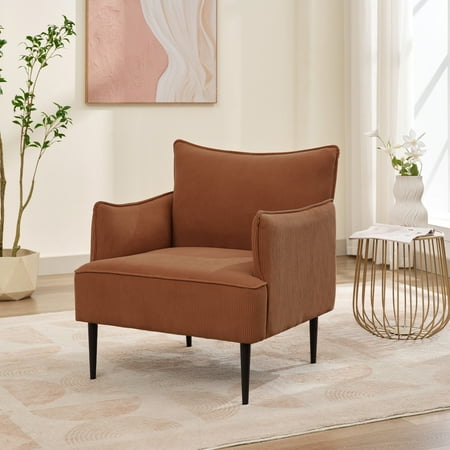
- Tailored color options: From muted earth tones (terracotta, sage green) to jewel tones (sapphire blue, emerald) that act as a focal point.
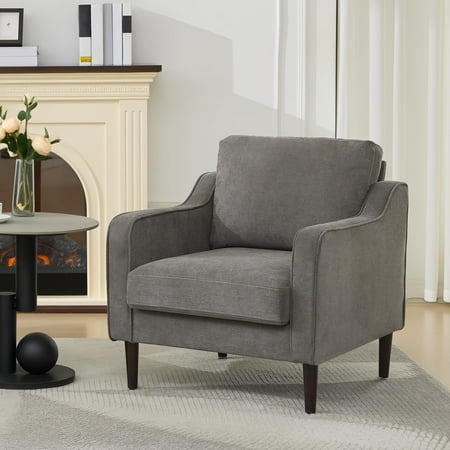
The goal is a seamless blend. Imagine a light gray velvet swivel chair that pairs perfectly with a sectional, or a minimalist white leather chair that complements a Scandinavian-style desk. This integration is the core principle of choosing a living room office chair.
2. Ergonomic Must-Haves for the Hybrid Lifestyle
While style is paramount, an office chair for living room use must still protect your body during those long work hours. You don't have to sacrifice health for beauty. Here are the non-negotiable ergonomic features to look for, even in a stylish package:
- Adjustable Seat Height: A pneumatic gas lift is essential. Your feet should rest flat on the floor, with thighs parallel to the ground. This is crucial for circulation and posture, whether you're working from the living room for 2 hours or 8.
- Lumbar Support: Even slim-profile chairs can have built-in, contoured lumbar support. Some models offer external lumbar pillows that add a touch of coziness while providing crucial lower back support.
- Seat Depth and Cushioning: Look for a seat pan that supports most of your thighs without pressing behind your knees. High-density foam cushioning ensures the chair remains comfortable for years without sagging.
- Smooth Mobility: Living rooms often have a mix of surfaces. Ensure the chair has high-quality casters—soft rubber rollers for hardwood/tile, or standard carpet casters. Silent-rolling casters are a bonus, preventing noise during evening relaxation.
2.1. The "Dual-Purpose" Factor: Seating for Work & Leisure
One of the most compelling features of a living room office chair is its ability to serve guests. When you're off the clock, a well-designed chair shouldn't scream "office." Look for these dual-purpose characteristics:
- 360-Degree Swivel: Great for work, but also allows a guest to easily turn and engage in conversation.
- Armrest Style: Opt for chairs with lower-profile or wooden armrests that resemble those on traditional dining or accent chairs. Avoid bulky, heavily padded armrests that look purely functional.
- Non-Work Mode: When pushed slightly under a desk or console table, the chair should look intentional. A sleek fabric or leather chair can simply look like part of the room's decor.
3. Material Deep Dive: Choosing What's Right for Your Living Room
The material of your chair dictates both its look and its longevity in a high-traffic area like the living room. Here's a breakdown to help you decide:
Velvet & Chenille
Soft, luxurious, and available in rich colors. Adds instant warmth and texture. Best for low-spill, adult-focused homes.
Linen & Cotton Blends
Breathable, casual, and often washable. Perfect for coastal, boho, or farmhouse styles. Can wrinkle, but that adds to the relaxed charm.
Bonded/Top-Grain Leather
Sleek, easy to clean, and ages well. A leather chair can look striking in a modern or traditional living room. Wipes clean easily—great for pets or kids.
Performance Fabric
Stain-resistant, durable, and often feels like cotton. Ideal for families. Brands are now making these in stylish weaves and colors.
4. Space Planning: Fitting an Office Chair into Your Living Room Layout
Integrating a work area into a living room requires thoughtful spatial planning. An office chair for living room needs its own "zone." Here's how to make it work:
- Measure Your "Work Triangle": Ensure there's enough room to push the chair back from the desk without blocking a walkway or hitting a sofa. A minimum of 36 inches of clearance is ideal.
- Visual Separation: Use a stylish rug to define the work area. The chair's wheels should roll smoothly on it. A rug anchors the space and distinguishes it from the relaxation zone.
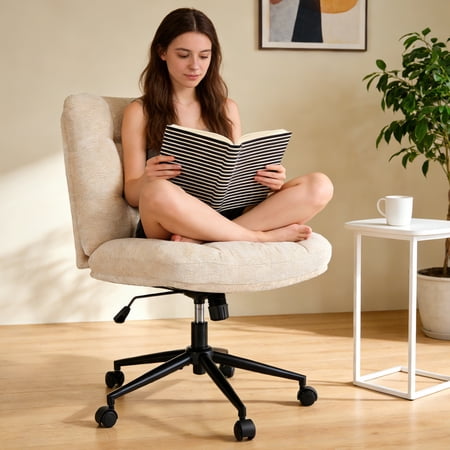
- Scale is Key: In a small living room, choose a chair with a smaller footprint and an open back (like a cage or Parsons style) to avoid visual bulk. For larger rooms, you can opt for a more substantial, high-backed chair that makes a statement.
- Lighting Integration: Position your chair to take advantage of natural light, but also consider how it looks under floor lamps or table lamps in the evening. The chair becomes part of the room's ambient lighting story.
5. Style Personas: Matching the Chair to Your Decor
Your living room has a personality. Your office chair should match it. Let's explore which chair styles work best with popular interior design themes:
For the Modern Minimalist
Look for: Clean lines, solid colors (black, white, grey, or a single bold hue), and materials like polished aluminum bases and matte fabric. A sleek, armless shell chair on a swivel base can be both sculptural and functional. The focus is on "less is more," with the chair providing a subtle accent.
For the Bohemian Spirit
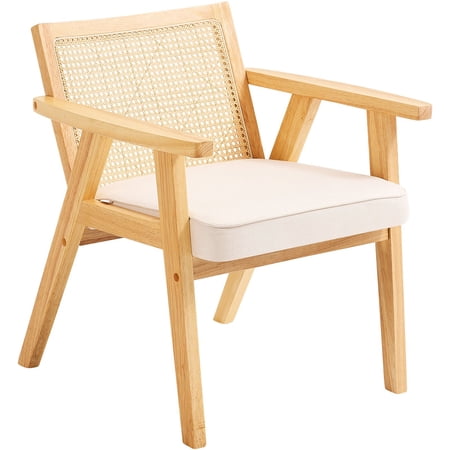
Look for: Natural materials like rattan, cane, or wood. A rattan swivel chair with a cozy seat cushion adds texture and an earthy vibe. Think macrame, warm tones, and a relaxed silhouette. It should feel like it belongs in a room with plants and layered textiles.
For the Mid-Century Modern Enthusiast
Look for: Iconic shapes—a slight "bucket" seat, splayed wooden legs (even on a swivel base), and warm upholstery like mustard yellow, burnt orange, or olive green. A chair that echoes the design of an Eames or a Jacobsen piece will feel right at home.
For the Classic Traditionalist
Look for: A high-back or wingback style, but scaled for a desk. Nailhead trim, rich leather or velvet, and a tufted back. This chair acts like a piece of fine furniture, conveying elegance and permanence. It pairs well with a wooden desk and classic decor.
6. The Floor Protection Factor
Living room floors are precious—whether they're wide-plank oak, glossy tile, or plush wool carpet. Protecting them from your office chair is a top priority. Here's a quick guide:
- Hardwood & Laminate: Equip your chair with soft rubber casters (often called "office chair wheels for hardwood floors"). Consider a stylish, transparent polycarbonate chair mat—it's much less obtrusive than the cloudy plastic mats of the past. Some brands offer bamboo or wood-slatted mats for a more decorative look.
- Carpet: Standard carpet casters work well. For high-pile or shag carpet, you may need a flat, hard chair mat to provide a stable rolling surface and prevent the carpet from tangling in the wheels.
- Area Rugs: If your chair sits on an area rug, ensure the rug pad is non-slip and the chair's casters are appropriate for the rug's pile thickness. Thinner, flat-weave rugs are generally better for rolling chairs.
7. Where to Place the Desk and Chair
The arrangement of your desk and chair dictates the flow of the room. Popular and functional placements include:
- Behind the Sofa: If your living room is large, placing a long, low console table behind the sofa with a stylish chair creates a dedicated work area without closing off the space.
- In an Alcove or Bay Window: This is an ideal spot. A small desk and a comfortable, space-efficient chair can turn an unused nook into the coziest office in the house, with great natural light.
- Against a Wall: The most common setup. Here, the chair's back is to the room. Choose a chair with a beautiful back detail—a keyhole, interesting stitching, or a lovely wood frame—since it will be visible.