


Introduction: The Unsung Hero of Your Office Chair
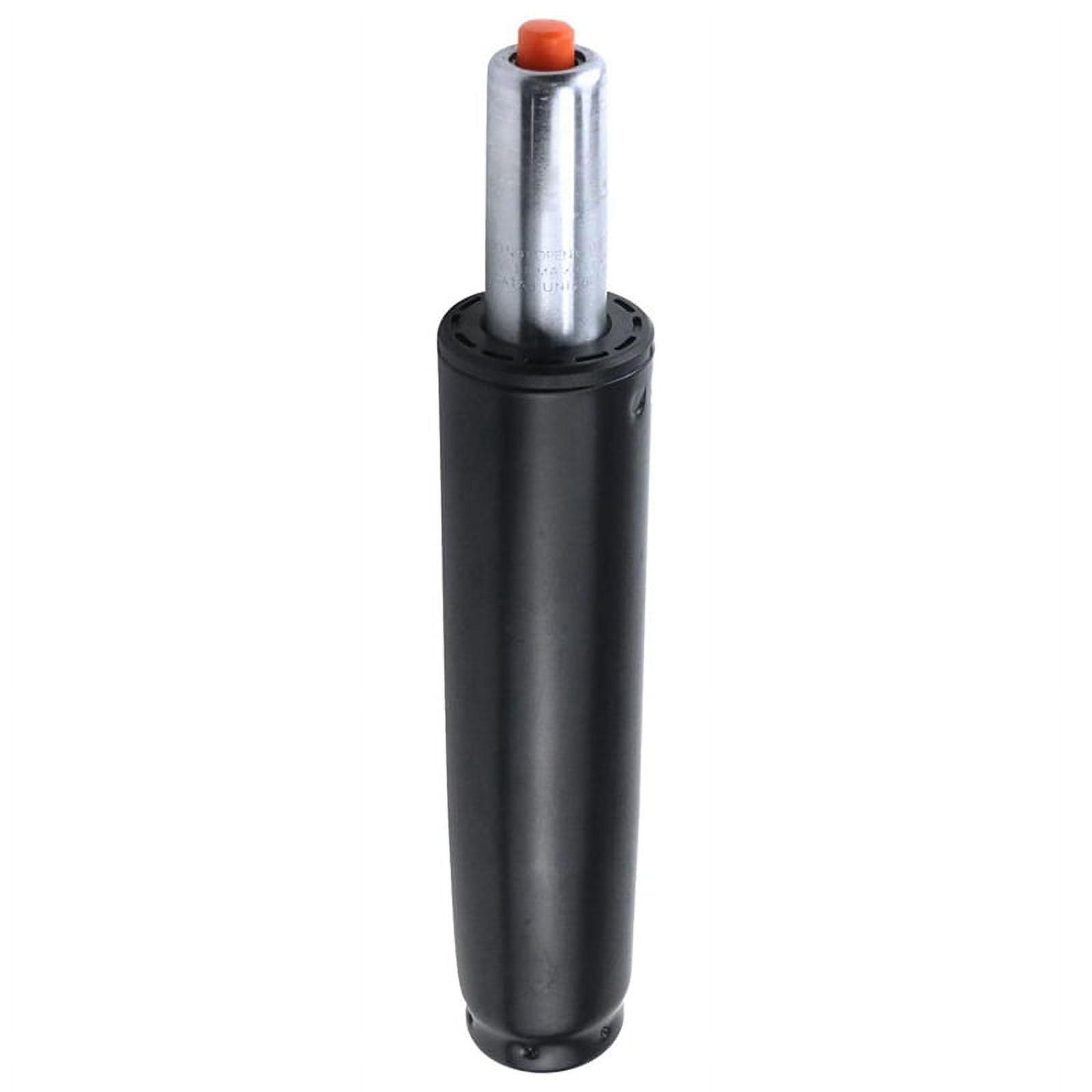
Imagine sitting down at your desk, pulling a lever, and smoothly gliding to your ideal height. You probably don't think about the mechanism that makes this possible—until it stops working. That mechanism is the office chair hydraulic system, also known as the gas lift or pneumatic cylinder. It's the piston-like component between the seat and the base that governs height adjustment and absorbs micro-shocks.
For many, a faulty hydraulic lift means a sinking chair, frustrating instability, or a permanent lean. But understanding this component is key to choosing a durable, comfortable, and safe office chair. This guide dives deep into the world of office chair hydraulics, helping you make an informed decision whether you're buying a new chair or fixing an old one.
Decoding the Office Chair Hydraulic: How It Works & What Can Go Wrong
Think of your chair's hydraulic lift like a high-quality bicycle pump, but in reverse. It's filled with compressed nitrogen gas. When you operate the lever, you open a valve inside the cylinder. The pressure of the gas pushes against a piston, allowing the seat to rise. When you sit down, your weight compresses the gas slightly, and releasing the lever traps the gas at that new height, locking it in place. This ingenious system provides effortless, tool-free adjustment.
The Anatomy of a Gas Lift Cylinder
To truly appreciate a good hydraulic system, let's break down its core components:
- The Outer Tube (Shield): This is the visible, often chrome or black, cover. It protects the inner mechanism and provides a sleek look.
- The Inner Cylinder (Piston Chamber): This houses the compressed nitrogen gas and the piston. Its quality determines the lift's strength and longevity.
- The Piston and Valve Assembly: The piston moves up and down within the cylinder. The valve, activated by your chair's height lever, controls the flow of gas to lock or release the piston.
- Class Rating (2, 3, or 4): This is your most important buying indicator. It signifies the cylinder's durability and safety testing.
- Class 2: For light-duty, occasional use (home office, guest chairs). Least durable.
- Class 3: The industry standard for most task and executive chairs. Passes BIFMA (Business and Institutional Furniture Manufacturers Association) tests for 24/7 use. This is the minimum you should look for.
- Class 4: Heavy-duty, designed for big and tall chairs (300lbs+) and intensive use. Offers the highest durability and safety margin.
Common Hydraulic Problems and Their Causes
Just like car tires wear down, hydraulic lifts have a lifespan. Here are the most frequent issues and why they happen:
- The "Slow Sink": You adjust to your perfect height, but within minutes, you're an inch lower. Cause: Worn-out internal seals. The compressed gas slowly leaks past the piston. This is the most common failure mode.
- The "Jerky Lift": Instead of a smooth glide, the chair moves in fits and starts or gets stuck. Cause: Internal contamination, lack of lubrication, or a bent piston rod.
- Complete Failure (No Lift): The chair is stuck at its lowest point and won't rise. Cause: Complete loss of gas pressure, often due to a catastrophic seal failure or a cracked internal cylinder.
- Annoying Squeaks and Grinds: Noises during rotation or height adjustment. Cause: While often due to the chair's base or casters, it can originate from a dry or failing hydraulic mechanism.
According to furniture repair specialists, the gas lift is the second most commonly replaced component on office chairs (after casters), highlighting its critical role and wear-and-tear nature.
Beyond Basics: Features of a Premium Hydraulic System
A truly great office chair hydraulic offers more than just height adjustment. Look for these hallmarks of quality:
✅ Seamless Adjustability
Premium lifts provide a perfectly smooth, fluid motion with no sticking points. You can micro-adjust your height with a light touch.
✅ Robust Construction
A thicker steel outer tube and a high-quality inner cartridge signal durability. This reduces flex and wobble, even at maximum height.
✅ Safety Certifications
Look for BIFMA X5.1 certification. This ensures the cylinder has passed rigorous tests for stability, strength, and durability, including thousands of adjustment cycles.
✅ Corrosion Resistance
A well-finished chrome or painted outer shield resists rust and everyday wear, maintaining its appearance and structural integrity over time.
Frequently Asked Questions About Office Chair Hydraulics
Conclusion: Elevate Your Seating Experience
The hydraulic lift is far more than a simple piston; it's the core of your chair's functionality and a major contributor to your daily comfort. Whether you're searching for a new office chair or troubleshooting an existing one, paying attention to the quality of the gas lift—its class rating, smoothness, and certifications—is a smart investment in your health and productivity.
Choosing a chair with a reliable Class 3 or Class 4 hydraulic system ensures you'll enjoy years of smooth, wobble-free height adjustments. And if you're facing a sinking chair, remember that a replacement is often a simple and cost-effective fix. A well-functioning hydraulic system lets you focus on the work at hand, not on fighting with your chair to stay at the right height.