
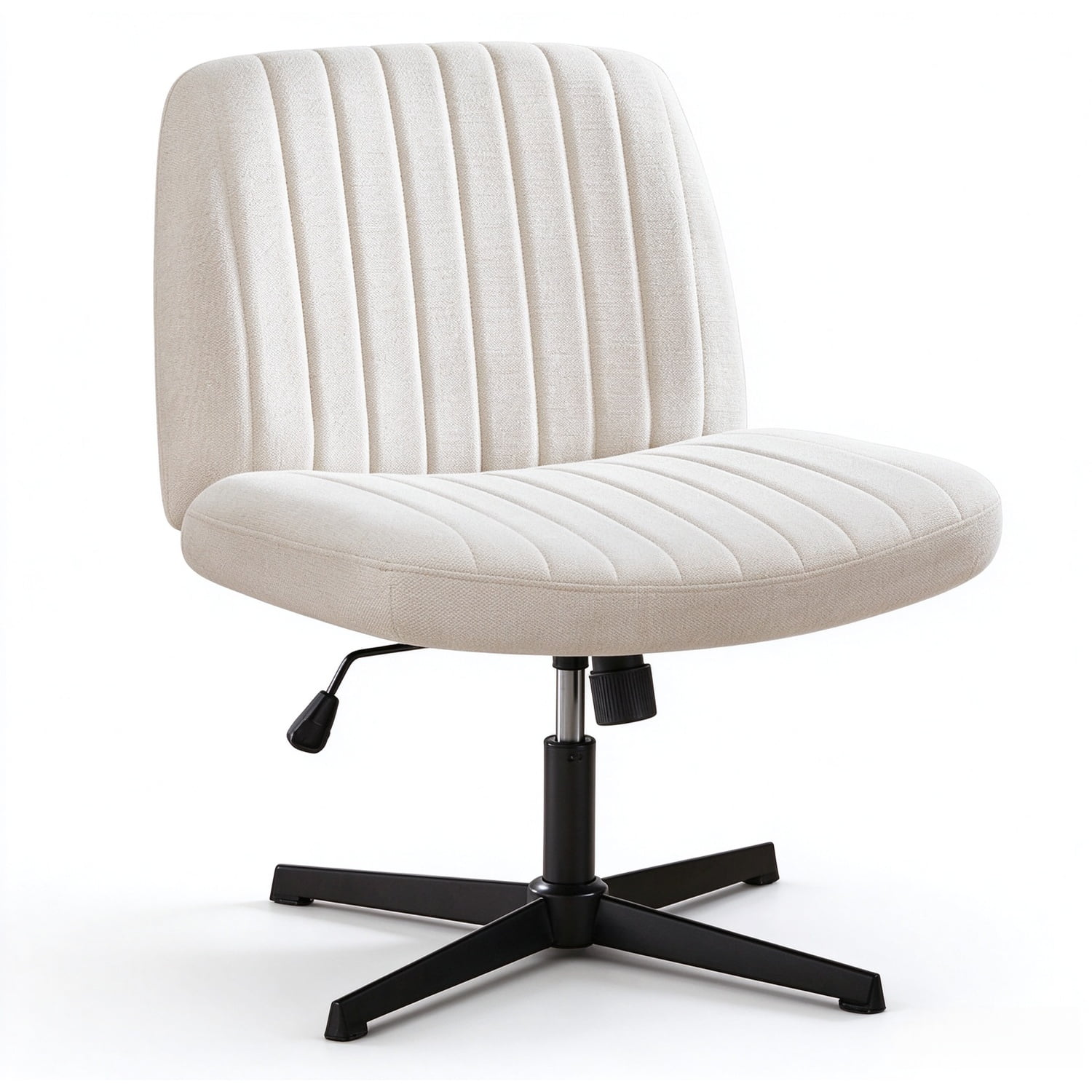
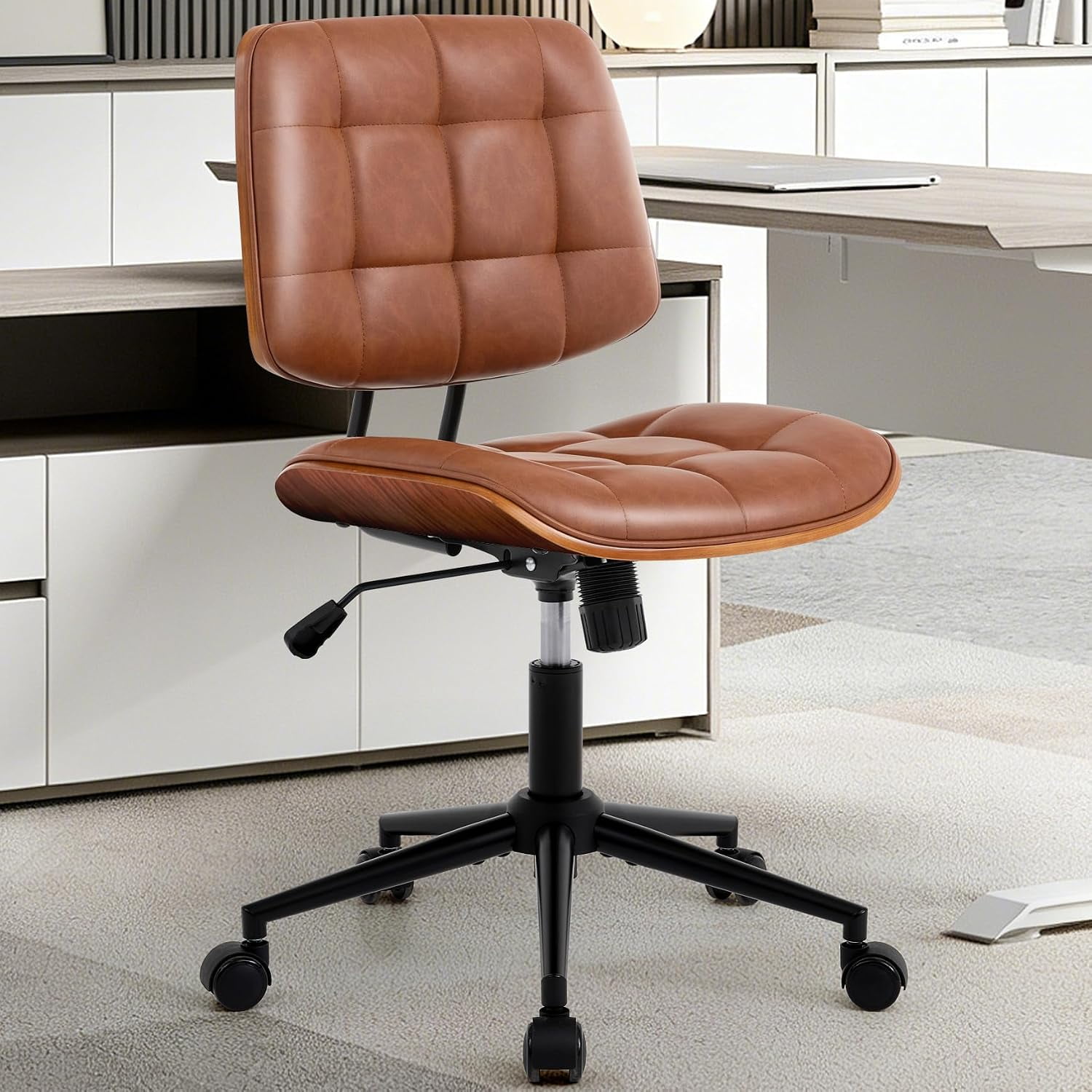
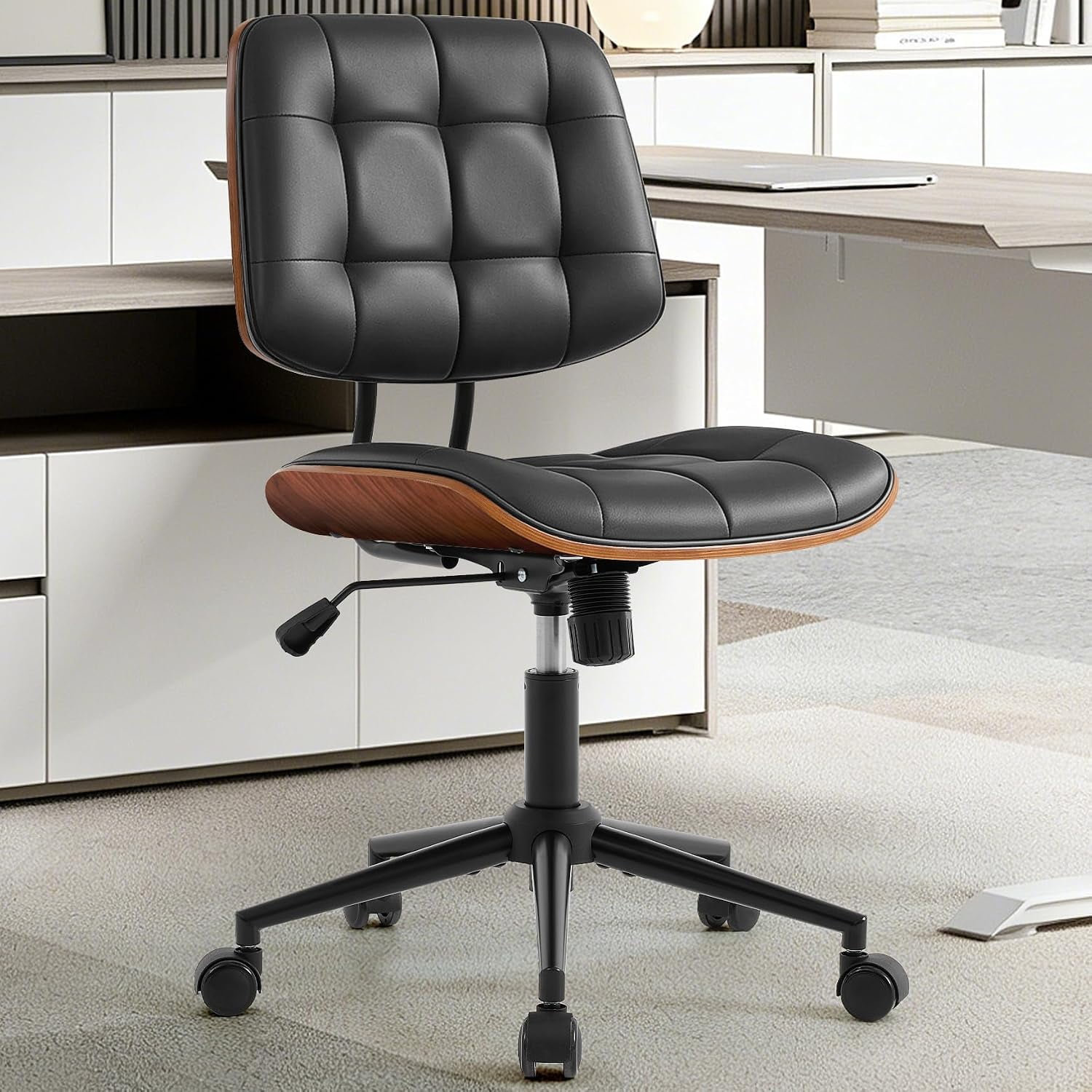
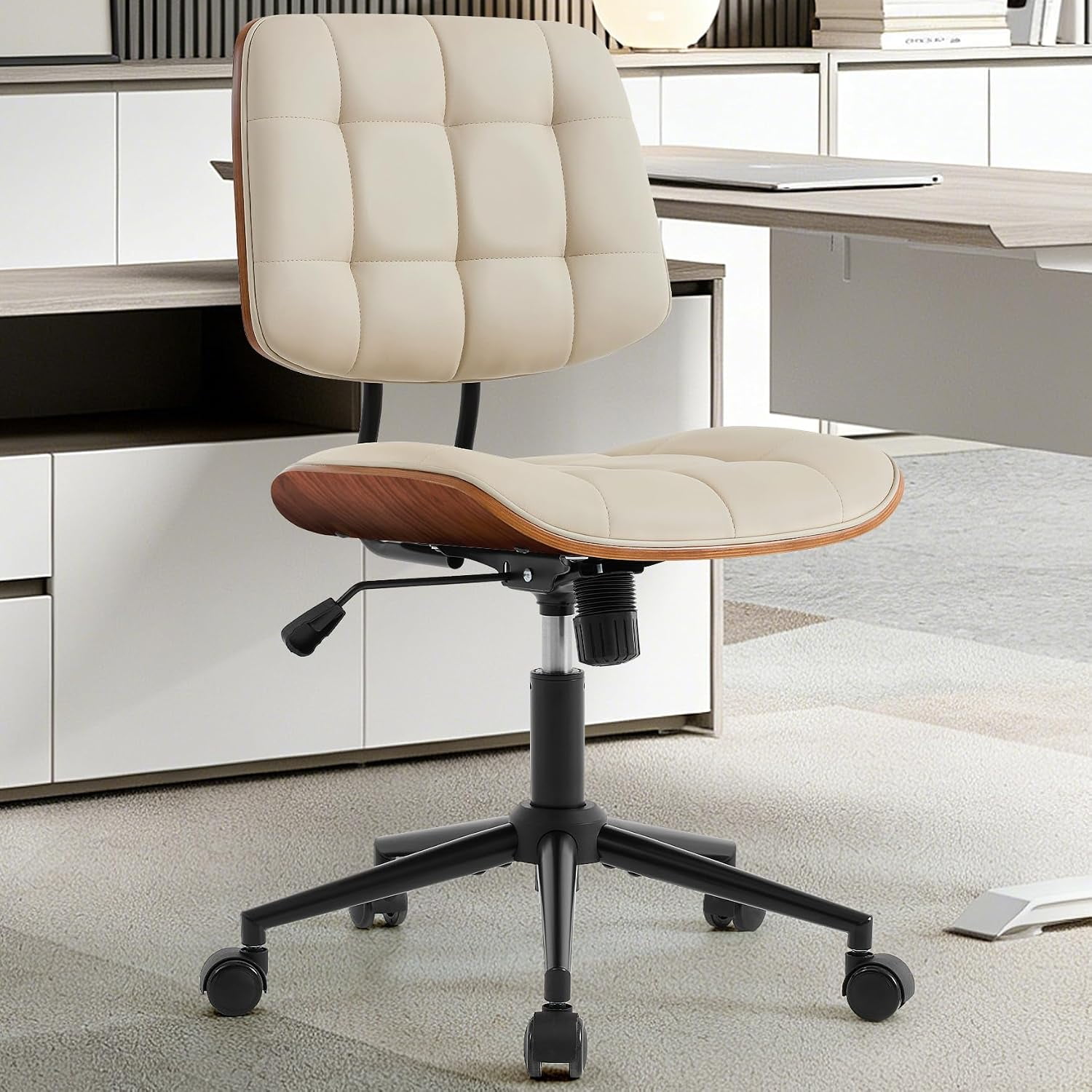
Why Choose an Office Arm Chair Without Wheels?
In a world of constant motion, there's a compelling case for stability. An office arm chair no wheels offers exactly that: a grounded, secure seating solution that eliminates the distractions of rolling and sliding. These stationary chairs are not just about nostalgia; they are a practical choice for professionals seeking focus, durability, and a timeless aesthetic in their workspace.
Key Insight: While rolling chairs are ubiquitous, a fixed office armchair provides a sense of permanence and stability that can enhance concentration. According to workplace design studies, a stable seating environment can reduce fidgeting by up to 25%, allowing for deeper focus on complex tasks.
Essential Features of a Quality Stationary Armchair
Choosing the right stationary armchair requires understanding the features that make it both comfortable and functional. Here are the key elements to look for:
- Sturdy Frame Construction: A solid metal or hardwood frame ensures longevity and stability, essential for a chair that doesn't rely on a rolling base for balance.
- Supportive Armrests: Well-padded and ideally height-adjustable armrests reduce strain on your shoulders and neck, promoting a relaxed posture.
- Ergonomic Seat Cushioning: High-density foam or memory foam seat cushions provide all-day comfort, preventing pressure points and fatigue.
- Lumbar Support: Built-in or adjustable lumbar support is critical for maintaining the natural curve of your spine, especially during long sitting sessions.
- Floor-Friendly Base: Felt glides or rubber stoppers on the base protect your flooring from scratches and provide excellent grip, keeping the chair firmly in place.
Comparing Stationary vs. Rolling Office Chairs
To make an informed decision, it’s helpful to understand the fundamental differences between stationary and rolling office chairs. Here’s a quick comparison:
| Feature | Office Arm Chair No Wheels | Traditional Rolling Office Chair |
|---|---|---|
| Stability | Excellent – remains firmly in place, no unintended movement. | Moderate – can roll or shift, especially on smooth surfaces. |
| Floor Protection | High – felt glides are gentle on all floor types. | Moderate – casters can scratch hardwood or get clogged with debris. |
| Mobility | Low – requires you to stand and move the chair manually. | High – easy to move around the workspace without standing. |
| Durability | Often higher – simpler construction with fewer moving parts. | Variable – dependent on caster and mechanism quality. |
| Professional Aesthetic | Classic, executive, and refined. | Modern, functional, and dynamic. |
The Ergonomic Benefits of a Stationary Armchair
Beyond the obvious stability, a well-designed stationary armchair offers substantial health and comfort benefits that can transform your workday.
Enhanced Posture
The solid base encourages proper posture as you're not inclined to lean or shift as you might in a rolling chair.
Reduced Back Strain
Integrated lumbar support systems in many models directly target and alleviate lower back pressure.
Improved Focus
Eliminating the physical distractions of rolling and swiveling allows you to channel more mental energy into your work.
Better Circulation
Seat depth adjustment and waterfall edges, often found in these chairs, prevent the back of your knees from pressing against the seat, promoting healthy blood flow.
The Complete Guide to Choosing Your Perfect Stationary Office Armchair
Selecting the ideal office arm chair no wheels is more than just a furniture purchase; it's an investment in your daily comfort, productivity, and long-term health. With a wide range of options available, from classic leather club chairs to modern mesh-backed designs, the decision can feel overwhelming. This comprehensive guide breaks down the selection process into manageable steps, helping you find the perfect match for your unique needs.
Understanding Your Needs: Self-Assessment
Before you start browsing, take a moment to assess your specific requirements. This ensures you look for features that matter most to your work style and physical comfort.
- Your Work Style: Do you sit for long, focused periods, or are you frequently up and down? A stationary chair is ideal for the former, offering a consistent seat position.
- Physical Dimensions: Measure your height and weight. Look for chairs with appropriate seat height (your feet should be flat on the floor) and weight capacity (most quality chairs support 250-300 lbs).
- Your Workspace: Consider your desk height and the style of your office. The chair should be a seamless fit, both functionally and aesthetically.
- Pain Points: Do you suffer from lower back pain, neck strain, or hip discomfort? Prioritize chairs with adjustable lumbar support, armrests, and seat depth to address these issues.
Key Materials and Their Impact
The materials used in your armchair directly influence its comfort, durability, and overall feel. Here’s a breakdown of the most common options for stationary office chairs:
Leather & Faux Leather
- Pros: Professional, premium look; durable and easy to wipe clean; ages well with character.
- Cons: Can be less breathable in warm climates; needs occasional conditioning.
- Best For: Executive offices, client-facing roles, and traditional decors.
High-Quality Fabric
- Pros: Breathable, soft, available in various colors and patterns; comfortable.
- Cons: More susceptible to stains; requires professional cleaning.
- Best For: Team workspaces, creative environments, and those seeking a cozy feel.
Breathable Mesh
- Pros: Excellent air circulation; keeps you cool; modern aesthetic; flexible back support.
- Cons: Less formal look; may lack the plush feel of fabric or leather.
- Best For: Warm climates, tech companies, and those who value airflow.
Solid Wood / Metal Base
- Pros: Extremely durable; provides a classic or industrial look; very stable.
- Cons: Heavier to move; can be more expensive.
- Best For: High-end offices, traditional studies, and as a durable statement piece.
Adjustability: The Key to Long-Term Comfort
One common misconception is that stationary chairs lack adjustability. While they don't roll, many modern models offer a range of ergonomic adjustments that are crucial for prolonged comfort.
Top Use Cases for a Stationary Office Armchair
These chairs are more versatile than one might think. Here are some ideal scenarios where a no-wheel armchair excels:
- Executive Corner Office: Projects authority and sophistication, often serving as the primary chair for high-level management.
- Reception Areas & Guest Seating: Provides comfortable and stable seating for visitors without the risk of them rolling away.
- Focus-Based Workstations: Ideal for deep work tasks like writing, coding, or accounting where minimal movement is preferred.
- Home Offices & Study Rooms: Adds a touch of class and comfort, blending seamlessly with home decor.
- Meeting Rooms & Conference Tables: Offers dignified and stable seating for participants, avoiding the noise and distraction of rolling chairs.
In conclusion, the office arm chair no wheels is a highly relevant and beneficial choice for many professionals. By considering your personal needs, understanding the material options, and prioritizing adjustability, you can select a chair that not only looks great but also supports your health and productivity for years to come.
Frequently Asked Questions About Armchairs Without Wheels
Conclusion & Final Thoughts
Choosing an office arm chair no wheels is a strategic decision that prioritizes stability, focus, and timeless style. While modern rolling chairs offer mobility, the stationary armchair provides a sense of permanence and groundedness that can be invaluable for deep, concentrated work.
Final Recommendations
A plush leather stationary armchair with a high back and classic design exudes confidence and authority.
A sleek, mesh-backed armchair with a polished aluminum base offers a contemporary look with excellent breathability and ergonomic support.
A fabric upholstered armchair in a neutral tone can blend comfort and style, creating a warm and inviting workspace.
Remember, the best chair is one that fits your body, your work style, and your environment. Don't hesitate to test different models and prioritize adjustability to ensure you get the perfect fit. Your back, and your productivity, will thank you.