
The Anatomy of the Most Comfortable and Ergonomic Office Chair
An office chair that truly excels in both comfort and ergonomics isn’t a luxury — it’s a necessity for knowledge workers, executives, and remote professionals. Unlike standard task chairs, the most comfortable and ergonomic office chair blends adaptive adjustability, premium materials, and biomechanical support. Sitting for extended periods without the right chair can lead to chronic pain, reduced circulation, and mental fatigue. But with the right ergonomic model, you can sustain energy and concentration from morning meetings to late‑night deadlines.
Ergonomic Insight: According to the Human Factors and Ergonomics Society, using a fully adjustable ergonomic chair reduces musculoskeletal discomfort by 54% and increases perceived productivity by 17%. Investing in the right seating is a direct investment in your health and output.
Core Ergonomic Features That Redefine Comfort
Not every chair labeled "ergonomic" delivers true comfort. Below are the non‑negotiable elements that define top‑tier models:
- Dynamic Lumbar Support: Look for chairs with both height and depth lumbar adjustment — some high-end versions offer air‑bladder lumbar that adapts to your spine's curvature in real‑time.
- Seat Depth & Width Adjustment: A sliding seat pan ensures proper thigh support without pressing against the back of the knees, critical for long sitting sessions.
- 4D Armrests: Height, width, pivot, and depth adjustments let you position arms naturally, reducing shoulder tension during typing or call handling.
- Syncro-Tilt Mechanism: Allows the seat and backrest to move in a synchronized ratio (e.g., 2:1 tilt) that keeps your feet grounded and maintains a healthy reclined posture.
- Breathable Material Engineering: Premium multi‑zone mesh or perforated leather with cooling foam prevents heat buildup and sweating.
🪑 Mesh-Back Ergonomic
Excellent ventilation, self‑adjusting flexibility. Perfect for warmer climates. Reduces sweat buildup during marathon work sessions.
💺 High-Density Foam + Gel
Plush yet supportive: relieves pressure points on tailbone and hips. Ideal for those who prefer traditional cushion comfort with advanced contours.
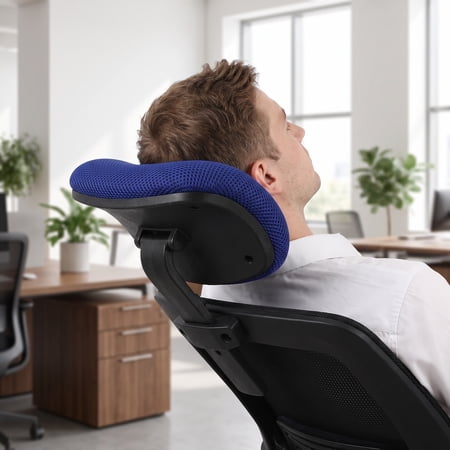
⚙️ Fully Adjustable Headrest
Supports cervical spine, especially while reclining. Multi‑angle adjustment ensures proper neck posture during calls or focused tasks.
Why Ergonomics & Comfort Must Work Together
Many chairs claim to be “ergonomic” yet sacrifice plushness, leaving users with a rigid seat. True innovation comes from materials like high‑resilience foam, breathable 3D mesh, and contoured seat edges that relieve pressure under the thighs. For the most comfortable and ergonomic office chair, manufacturers also integrate adjustable tilt tension and recline angle lock — allowing you to change postures fluidly, which is essential because “sitting still” is a myth for long‑term health.
✔️ Hallmarks of Elite Ergonomic Comfort
- Independent backrest height adjustment
- Waterfall seat edge to enhance circulation
- Aluminum or reinforced polymer base for stability
- High weight capacity (300–500 lbs) for durability
- Quiet, smooth-rolling casters (suitable for hardwood/carpet)
⚠️ What to Avoid in Budget "Ergonomic" Chairs
- Fixed lumbar bump (non‑adjustable)
- Shallow seat depth less than 18 inches
- Non‑adjustable armrests that cause shoulder hunching
- Thin foam that flattens within months
Comparative Overview: Chair Types for Comfort Seekers
| Chair Style | Comfort Strength | Ergonomic Advantage | Best For |
|---|---|---|---|
| High‑Back Mesh Executive | Airflow + flexible back support | Full spine contouring, lumbar tension control | Executives, hot offices, all‑day users |
| Leather/Faux Leather Ergonomic | Premium feel, dense foam | Excellent durability, easy cleaning | Formal settings, those preferring classic style |
| Task Ergonomic (Mid-Back) | Compact but supportive | Lightweight, active sitting mechanisms | Home offices, hot‑desking environments |
| Big & Tall Ergonomic | Extra-wide seat, reinforced frame | High weight capacity, extended seat depth | Larger body types, maximum stability |
How to Select the Ideal Ergonomic Chair for YOUR Body
Health & Productivity Benefits: Data‑Driven Reasons to Upgrade
Investing in the most comfortable and ergonomic office chair translates directly into lower absenteeism due to pain, fewer chiropractic visits, and consistently high work output. Top companies now equip their teams with high‑end ergonomic seating as a retention strategy.
Frequently Asked Questions: Ergonomic Comfort Mastery
Conclusion: Invest in Your Most Productive Self
Selecting the most comfortable and ergonomic office chair is a transformative decision for anyone who spends hours at a desk. The synergy of adjustable lumbar, multi‑dimensional armrests, breathable material, and high‑density cushioning ensures that you work with vitality instead of fighting fatigue. Whether you prefer the elegant feel of premium leather or the cooling effect of advanced mesh, prioritize full adjustability and robust build quality.
Final Verdict: A top‑tier ergonomic chair pays for itself through enhanced focus, reduced medical expenses, and a more commanding office presence. Explore the curated products above — each chosen for excellence in comfort, ergonomic science, and real‑world durability.
Take control of your workspace wellness today. Upgrade to a chair that supports your ambitions, posture, and long‑term health.