
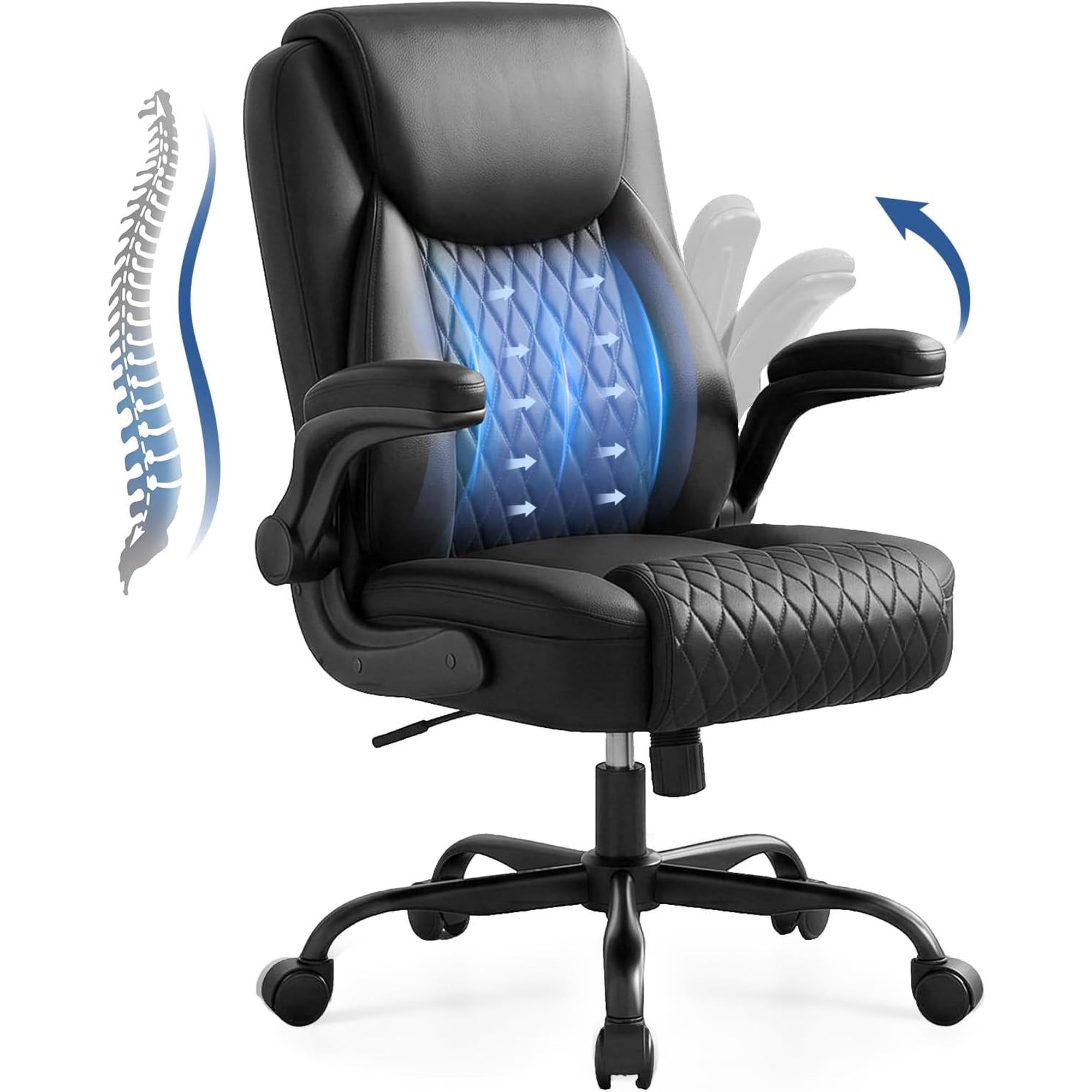

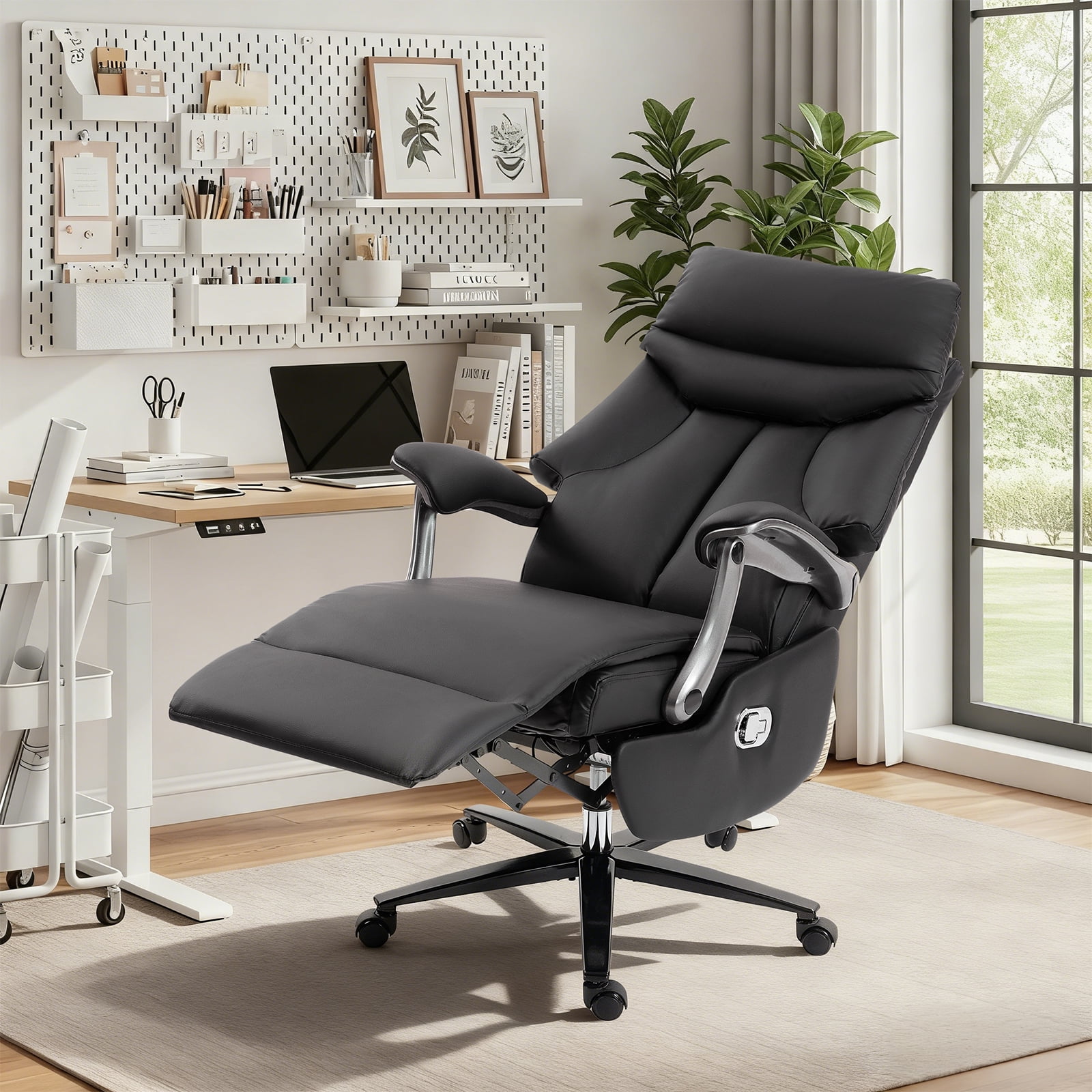
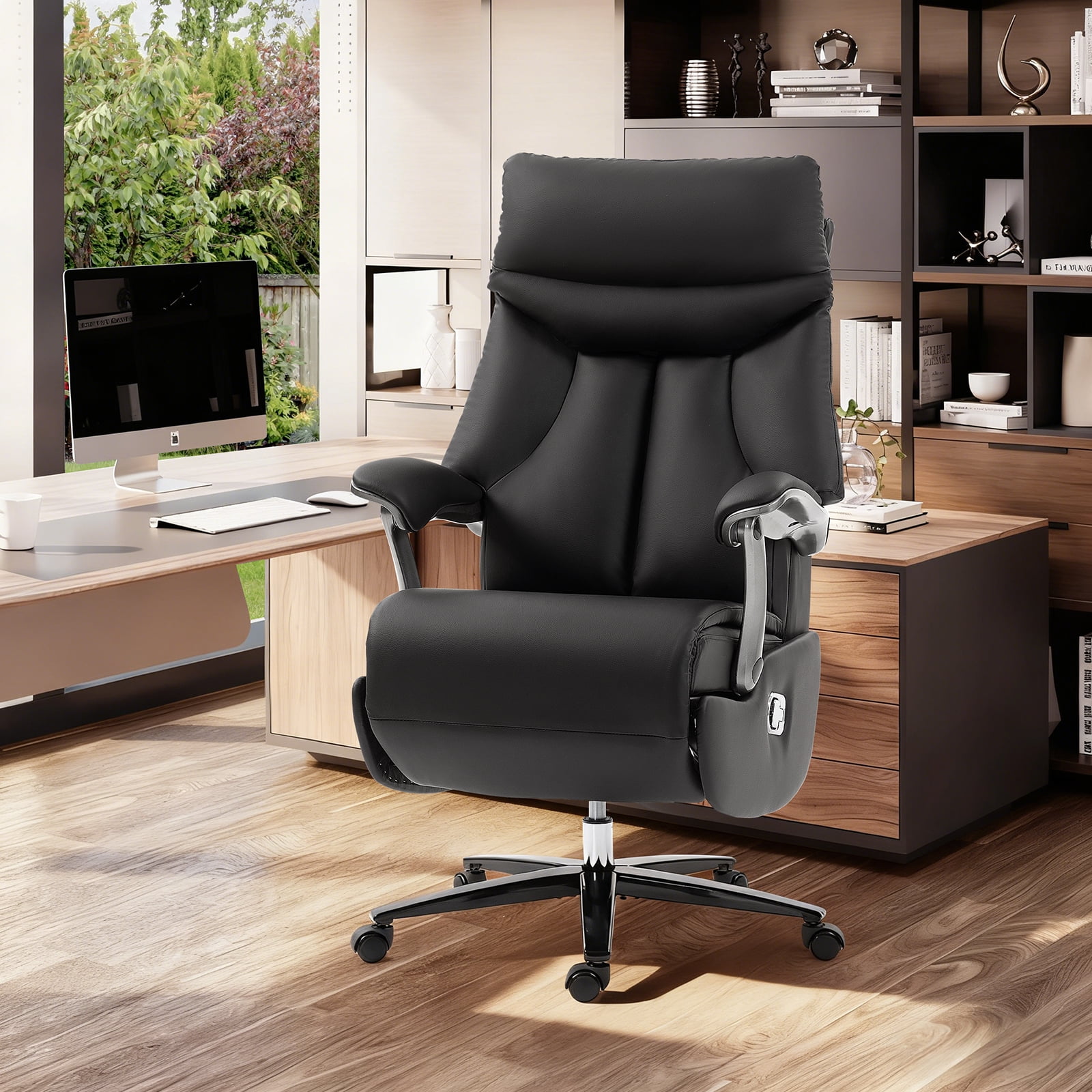
Why Comfort is Non-Negotiable for Executive Performance
For today's business leaders, an executive comfortable office chair is not a luxury—it's a strategic asset. The days of choosing between a chair that looks prestigious and one that feels good are over. Modern executive seating integrates biomechanics with high-end aesthetics. When you're making critical decisions, negotiating deals, or leading virtual teams, physical discomfort becomes a cognitive distraction. Investing in a chair that cradles your body in plush, supportive materials directly translates to sharper focus, sustained energy, and a professional demeanor that commands respect.
Ergonomic Insight: Research from the Human Factors and Ergonomics Society indicates that reducing physical discomfort by just 20% can increase cognitive performance by up to 18%. An executive comfortable office chair actively supports micro-movements, which are crucial for maintaining healthy blood flow and oxygen to the brain during long work sessions.
The Anatomy of Ultimate Comfort: Key Elements to Look For
Not all executive chairs are created equal. True comfort is a symphony of features working in harmony. Below, we break down the essential components that define a premium comfortable executive chair:
1. Advanced Cushioning Systems
Look beyond simple foam. High-density, multi-layered foam with a gel-infused top layer offers the best of both worlds: firm support from the base and a plush, pressure-relieving surface. This prevents the "bottoming out" effect after hours of sitting.
2. Dynamic Lumbar Support
Static lumbar pads are outdated. Premium chairs now feature adjustable lumbar that moves with you. Look for independent height and depth adjustment, allowing you to fine-tune the pressure on your lower back, filling the natural curve of your spine perfectly.
3. Multi-Dimensional Armrests
4D armrests (adjustable in height, width, pivot, and depth) are the gold standard for comfort. They allow you to position your arms and shoulders in a relaxed, neutral position, reducing strain on your neck and upper back, especially during long typing sessions.
4. Adaptive Recline Mechanism
A synchronized or "knee-tilt" mechanism adjusts the seat pan angle as you recline, keeping your feet grounded and preventing the sensation of tipping backward. This supports your natural movement cycle, allowing for subtle posture changes that promote comfort.
Material Science: The Comfort Factor
The material covering your executive chair plays a pivotal role in perceived comfort and long-term durability. Here's a modern comparison to guide your choice:
| Material Type | Comfort Profile | Thermal Comfort | Long-Term Feel | Best Executive Profile |
|---|---|---|---|---|
| Premium Perforated Leather | Plush, luxurious, molds to body | Good (micro-perforations add breathability) | Develops a personalized fit, ages gracefully | Traditional executives who want prestige and breathability |
| Elastic Mesh (High-Tension) | Firm yet flexible, distributes weight evenly | Excellent (maximum airflow) | Consistent support, no sagging | Tech executives, warmer climates, active sitters |
| Luxury Fabric (Wool/Blend) | Soft, warm, highly breathable | Very good (natural fibers regulate temp) | Stain-resistant options available, durable | Design-focused leaders, creative directors |
| Top-Grain Leather with Foam | Immediate plushness, high-density support | Moderate (best with AC) | Requires conditioning, offers premium feel | CEO suites, client-facing offices |
🧠 Pro Tip: The "20-Minute Test" for Comfort
When evaluating an executive comfortable office chair, sit in it for at least 20 minutes while simulating your work tasks. Pay attention to pressure under your thighs, the responsiveness of the backrest, and whether you feel the need to fidget. A truly comfortable chair will encourage subtle, natural movement without making you feel the urge to constantly readjust. Your body will tell you if the chair is a long-term partner or just a short-term fix.
Building Your Comfort Ecosystem: Chair + Ergonomics
Even the most comfortable chair requires proper setup to unlock its full potential. Here's a simple checklist to create an ergonomic haven:
- Feet Flat: Ensure your feet rest flat on the floor. If not, consider a footrest to reduce pressure on the back of your thighs.
- Knee Angle: Your knees should be at a 90-degree angle, roughly level with your hips.
- Armrest Alignment: Position armrests so your elbows rest at a 90-110 degree angle, with shoulders relaxed.
- Monitor Height: The top of your monitor should be at or slightly below eye level to prevent neck strain.
- Movement Breaks: Use the chair's recline and tilt functions to change your posture every 45-60 minutes.
Understanding Weight Capacity and Build Quality
Long-term comfort is also about stability and durability. A chair that feels great on day one but starts to wobble or creak after a year isn't a true comfortable investment. Pay close attention to:
- Base Construction: A heavy-duty aluminum base provides superior stability and longevity compared to plastic. It contributes to a solid, grounded feel that enhances the sense of comfort and safety.
- Cylinder Rating: Class 4 gas lifts are the industry standard for executive chairs, supporting frequent adjustments and higher weight capacities without failure.
- Caster Quality: Dual-wheel, hard-floor casters (or rollerblade-style) provide smooth, quiet movement, which is a subtle but important aspect of the user experience.