
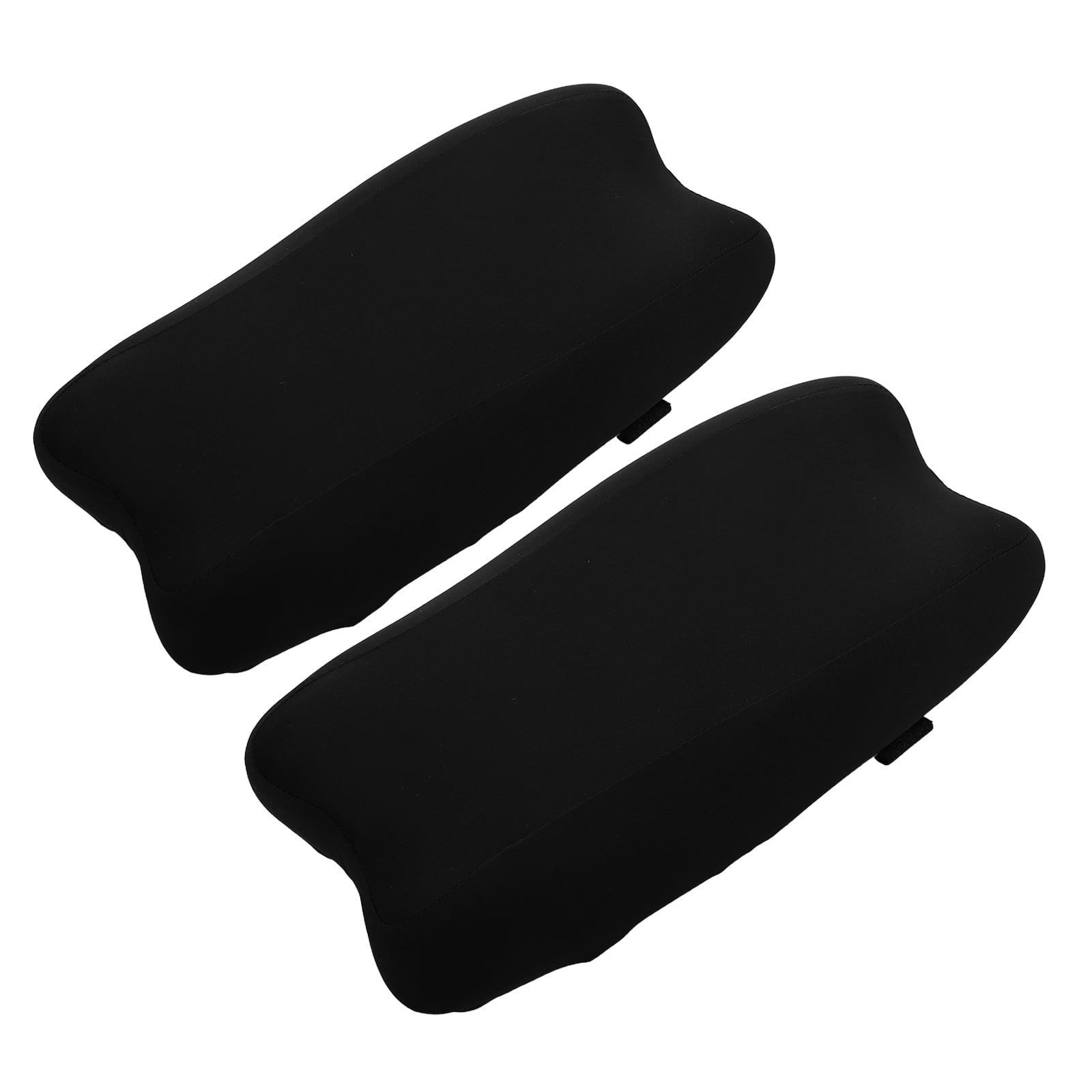
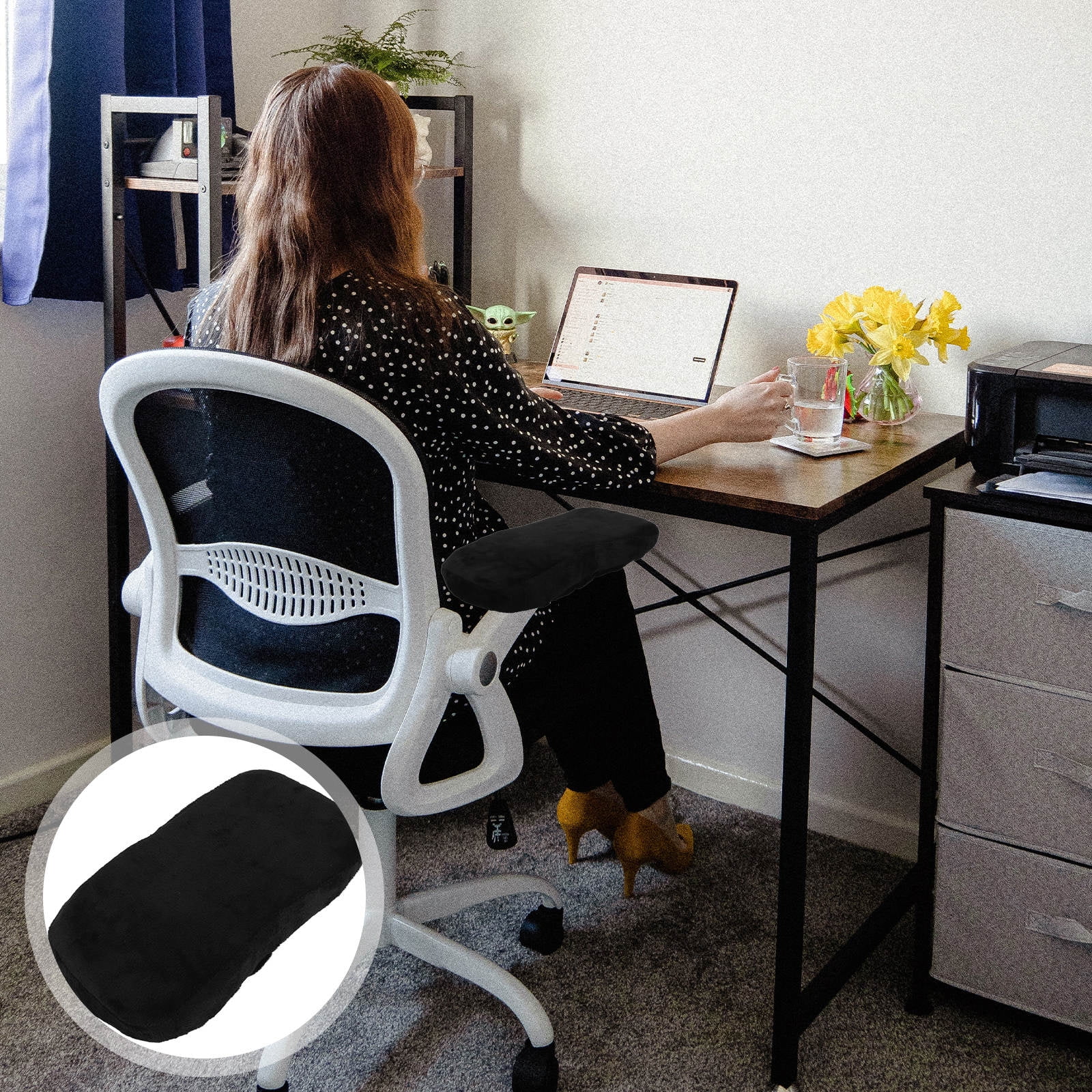
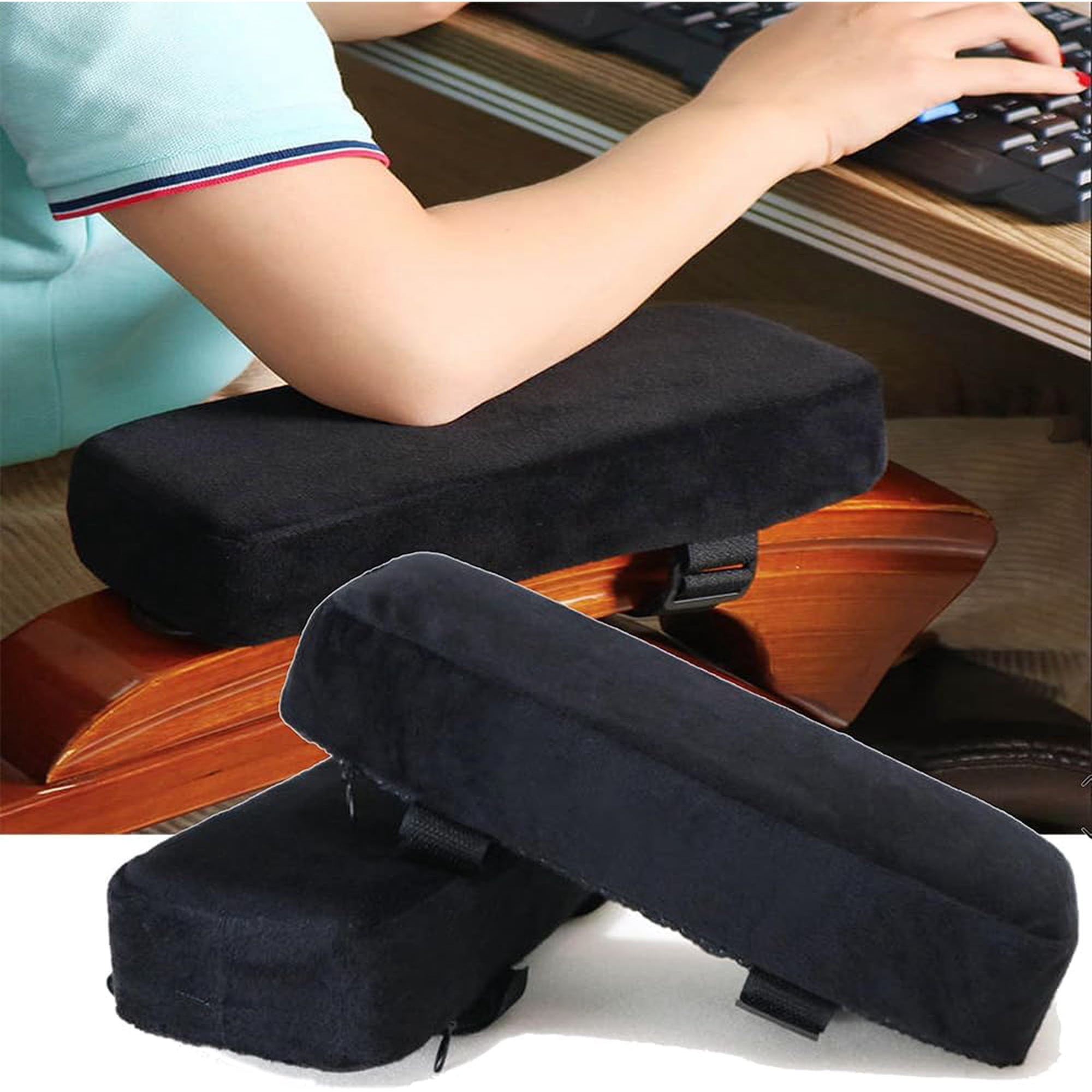
Why Your Office Chair Needs a Memory Foam Upgrade
Think of your office chair as the foundation of your workday. But even the best executive chair can feel unforgiving after hours of sitting. That's where memory foam cushions for office chairs come in—they act like a custom-molded seat, adapting to your body's unique curves. According to a study by the Journal of Physical Therapy Science, using a contoured foam cushion can reduce spinal disc pressure by up to 30%, significantly lowering fatigue.
Unlike a standard chair pad, memory foam (viscoelastic) uses your body heat to become soft and pliable, cradling your hips and thighs. This isn't just about comfort; it's about maintaining focus. A 2022 survey by ErgoDirect found that 74% of remote workers reported fewer backaches after switching to a supportive memory foam seat cushion. Whether you're dealing with an old chair or simply want to add a layer of luxury, these cushions are a cost-effective ergonomic fix.
Beyond Basic Padding: How Memory Foam Transforms Seating
Most standard office chair seats are filled with polyurethane foam, which provides initial softness but compresses completely under weight. This "bottoming out" effect transfers pressure directly to your sit bones and tailbone. Memory foam, however, behaves differently—it's like quicksand that supports rather than swallows. Here's what happens when you introduce a high-quality memory foam cushion to your work setup:
1. Pressure Redistribution: The "Bucket of Sand" Analogy
Imagine standing on dry sand—your feet sink and leave a deep imprint. Now imagine lying on a memory foam mattress; your body creates a shallow, even depression. The same principle applies to memory foam cushions for office chairs. They distribute your weight across the entire surface, preventing painful pressure points under the ischial tuberosities (sit bones). This is crucial for maintaining blood flow and preventing numbness during long meetings.
2. Spinal Alignment and Posture Support
A sinking seat often causes your hips to roll backward, leading to a "C-shaped" spine—a fast track to back pain. A properly designed memory foam cushion with a contoured shape (raised edges and a deeper center) encourages your pelvis to maintain a neutral position. Many cushions also include a built-in lumbar support pillow or a slight incline that nudges you to sit upright. As Dr. Emily Carter, an ergonomics specialist, notes, "A stable, contoured seat is the first step to aligning the entire kinetic chain—from your hips to your shoulders."
3. Temperature Regulation: The Gel Infusion Factor
One common complaint about early memory foam was heat retention. Today's top-tier cushions solve this with cooling gel layers. The gel absorbs and dissipates body heat, keeping the foam's surface cool. Some cushions even use "open-cell" foam that allows air to circulate. If you work in a warm office or tend to run hot, look for cushions labeled "cooling gel" or "breathable mesh cover."
4. Durability and Rebound: High-Density vs. Low-Density
Not all memory foam is created equal. High-density foam (5-7 pounds per cubic foot) has more material packed into it, meaning it will maintain its shape and support for years. Low-density foam (under 3 pounds) may feel soft initially but will develop permanent body impressions within months. When shopping for memory foam cushions for office chairs, always check the density. A good rule of thumb: if it springs back immediately after pressing, it's likely high-quality viscoelastic foam.
Quick Comparison: Cushion Types at a Glance
| Cushion Type | Best For | Key Feature | Ideal User |
|---|---|---|---|
| Contoured Memory Foam | Posture correction | Elevated sides & thigh groove | Those who slouch or have lower back pain |
| Gel-Infused Memory Foam | Hot climates / long hours | Cooling gel beads or top layer | Anyone who experiences sweating or heat buildup |
| Coccyx Cutout (U-Shaped) | Tailbone pain / post-surgery | Rear groove to relieve pressure | Individuals with coccydynia or hemorrhoids |
| Wedged / Tilted Cushion | Hip flexibility / sitting forward | Forward slope to open hip angle | People with tight hip flexors or who do desk work |
5. The "Hammock Effect" and Edge Support
Have you ever felt like you're slipping off your chair? That's often due to poor edge support. Quality memory foam cushions have reinforced edges that prevent you from sliding forward. This is particularly important if you frequently lean forward to type or write. The foam should compress under your thighs but remain firm at the very front to support your legs without cutting off circulation—a feature often called a "waterfall edge."
6. Portability: One Cushion, Multiple Chairs
A great advantage of standalone cushions is their portability. You can move your memory foam cushion from your home office chair to your car seat, to a conference room chair, or even to a stadium seat. This makes it a versatile investment. Most come with anti-skid bottoms or adjustable straps to keep them firmly in place, ensuring you get consistent support wherever you sit.
Frequently Asked Questions About Memory Foam Office Cushions
Conclusion: Small Investment, Big Daily Returns
Your office chair is likely the most-used piece of furniture in your home. If it's causing discomfort, a memory foam cushion for office chairs is the simplest, most affordable ergonomic upgrade you can make. From cooling gel technology to targeted coccyx relief, there's a cushion designed for every need. Think of it not as an accessory, but as a daily tool for better health and sharper focus. Pair it with good posture and regular movement, and you've built a workspace that truly supports you.