
Why Every Workspace Needs a Quality Office Chair Pad
Think of your office chair as the engine of your productivity—it powers you through meetings, deadlines, and creative sessions. But even the best engine needs the right components to perform optimally. That's where an office chair pad comes in. Much like how a high-performance tire enhances a car's ride, a quality chair pad transforms your seating experience from ordinary to exceptional.
Ergonomic Insight: According to the Occupational Safety and Health Administration (OSHA), workers who use properly cushioned seating report 41% less discomfort during 8-hour workdays. The right office chair pad doesn't just add softness—it actively promotes better posture and reduces pressure points that lead to fatigue.
An office chair pad serves two primary purposes: comfort enhancement and floor protection. For the sitter, it provides additional cushioning where factory chair padding may fall short, corrects posture with lumbar support, and can even alleviate existing back pain. For the workspace, chair mats protect expensive flooring from casters, reduce noise, and allow smoother chair movement across carpets or hard surfaces.
The market for office chair pads has evolved significantly. No longer simple foam squares, today's pads incorporate advanced materials like medical-grade gel, viscoelastic memory foam, bamboo charcoal infusion, and cooling fabrics. Understanding these options helps you make an investment that pays dividends in daily comfort and long-term health.
The Science of Sitting: How Office Chair Pads Improve Your Workday
To appreciate the value of a quality chair pad, it helps to understand what happens when you sit for extended periods. The human body isn't designed for static sitting—it craves movement and variation. When you sit, your body weight concentrates on the ischial tuberosities (the sitting bones), creating pressure points. Over time, this pressure restricts blood flow, compresses nerves, and leads to discomfort.
The Pressure Distribution Principle
A well-designed office chair pad acts like a bridge, distributing your weight across a larger surface area. Imagine standing on concrete in dress shoes versus standing on sand in bare feet—the difference is dramatic. Quality pads use materials that redistribute pressure away from bony prominences to areas better equipped to handle sustained weight.
Beyond Cushioning: The Posture Connection
Here's something many people overlook: the right office chair pad doesn't just make your seat softer—it actively improves your sitting posture. How? Through strategic design elements:
- Coccyx cutouts (tailbone relief channels) prevent direct pressure on the most sensitive area of your spine
- Wedge designs tilt your pelvis slightly forward, promoting natural spinal curvature
- Lumbar extensions fill the gap between your lower back and the chair, preventing slouching
- Contoured surfaces guide your hips into proper alignment, reducing strain on hip flexors
- Non-slip bottoms keep you centered, preventing the "sliding forward" posture that strains lower back
Types of Office Chair Pads: Finding Your Perfect Match
🟢 Gel-Infused Seat Cushions
Best for: Long hours, hot climates, pressure relief
Gel pads use viscoelastic polymer that remains temperature-neutral while providing exceptional pressure distribution. The gel molecules shift to accommodate your shape without the "bottoming out" common in cheap foam. Many combine gel with memory foam for the best of both worlds.
Key Benefit: Gel dissipates heat, preventing the sweaty discomfort associated with prolonged sitting.
🔵 Memory Foam Cushions
Best for: Body contouring, personalized support, budget-conscious buyers
Memory foam responds to body heat, softening at pressure points while remaining firm elsewhere. High-density memory foam (4-5 pounds per cubic foot) offers the best longevity and support. Look for open-cell formulations that breathe better than traditional memory foam.
Key Benefit: Creates a custom-molded seat surface unique to your body shape.
🟠 Lumbar Support Pads
Best for: Lower back pain, posture correction, existing chairs with poor back support
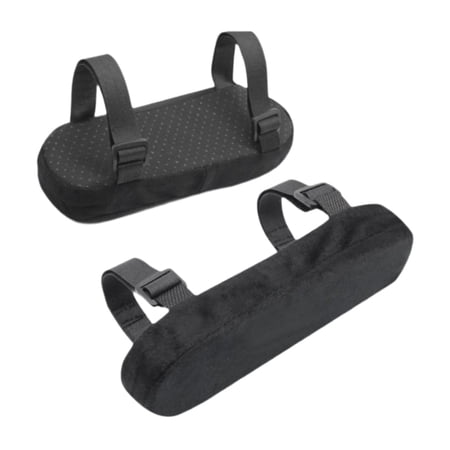
These specialized pads attach to your chair's backrest, providing targeted support to the lumbar region. Adjustable straps allow you to position support exactly where needed. Some inflatable versions let you customize firmness throughout the day.
Key Benefit: Prevents the "C-curve" slump that leads to chronic back pain.
🟤 Chair Mats & Floor Protectors
Best for: Hardwood floors, plush carpets, rolling chair mobility
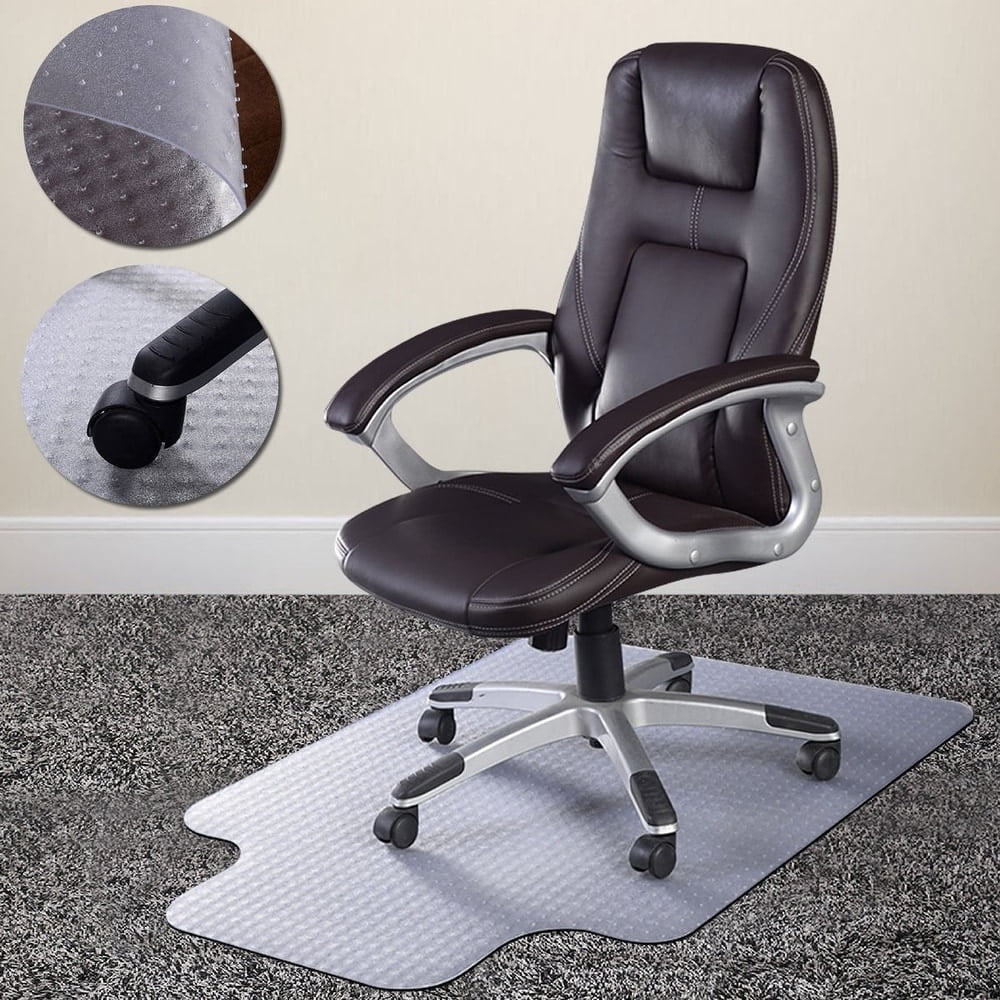
Technically a different category but essential to the "office chair pad" family. Chair mats create a smooth surface for casters to roll easily while protecting underlying floors. Modern mats use eco-friendly materials and come in various thicknesses for different carpet piles.
Key Benefit: Extends floor life by 5-10 years and reduces rolling resistance by up to 60%.
Material Science: What Makes a Great Chair Pad
The performance of any office chair pad hinges on its materials. Here's a deeper look at what separates premium pads from disposable ones:
High-Density Foam Core
The foundation of any quality pad. Density is measured in pounds per cubic foot (PCF).
Premium: 4-5 PCF Standard: 2-3 PCF Budget: Under 2 PCFHigher density means the foam retains its shape for years rather than developing permanent flat spots after months.
Gel Technology
Not all gel is created equal. Medical-grade gel used in hospital pressure relief is the gold standard.
Visco-elastic gel Phase-change gelLook for gel that maintains consistency across temperature ranges rather than becoming rock-hard in cool rooms.
Cover Fabrics
The outer layer affects breathability, durability, and cleaning ease.
Breathable mesh Moisture-wicking Machine washablePremium pads use covers with at least 200-thread count and antimicrobial treatments to prevent odor.
Non-Slip Base
Essential for keeping your pad positioned correctly throughout the day.
Natural rubber Silicone dots PVC-freeThe best bases use hundreds of tiny grippers rather than a solid sticky surface that can damage chair upholstery.
Real-World Benefits: What the Data Shows
The Measurable Impact of Quality Chair Pads
Choosing the Right Office Chair Pad: A Step-by-Step Approach
With so many options available, selecting the perfect pad can feel overwhelming. Follow this systematic approach to narrow your choices:
-
Identify Your Primary Need
Are you seeking comfort for long hours? Pain relief for an existing condition? Floor protection for a new home office? Write down your top priority—this becomes your filter for all other decisions. -
Measure Your Chair
A pad that's too small won't provide adequate support; one too large can curl at edges or interfere with chair mechanisms. Measure seat width (side to side) and depth (front to back). Standard office chairs range 18-22 inches wide and 16-20 inches deep. -
Consider Your Body Type
Taller individuals need deeper seats to support thighs fully. Heavier users require higher-density foam to prevent bottoming out. Petite users benefit from narrower pads that don't force legs apart. -
Evaluate Your Environment
Do you work in a warm office? Prioritize gel or breathable mesh. Cold environment? Memory foam retains warmth. Carpeted floor? You'll need a chair mat with carpet spikes. Hardwood? Look for smooth-backed mats. -
Check Attachment Method
Some pads use elastic straps to secure to the chair; others rely on non-slip backing. Straps work better for chairs with textured surfaces, while non-slip bases suit smooth leather or plastic seats. -
Read for Maintenance Requirements
Removable, machine-washable covers extend pad life significantly. If you eat at your desk or have pets, easy cleaning becomes essential.
Special Considerations for Different Floor Types
If you're shopping for a chair mat (floor protector), your flooring material dictates the right choice:
- Hardwood or Laminate: Choose a mat specifically labeled for hard surfaces. These have smooth undersides that won't scratch. Avoid mats with grippers or spikes designed for carpet.
- Low-Pile Carpet: Standard chair mats with small cleats work well, gripping the carpet while providing a smooth rolling surface.
- Plush or High-Pile Carpet: You need a mat with longer, more aggressive cleats to prevent the mat from shifting. Thicker mats (at least 3/16 inch) prevent the casters from "bottoming out" into the carpet.
- Tile or Vinyl: Similar to hardwood requirements—smooth backing essential. Some users prefer transparent mats on tile to show off the flooring beneath.
Maintenance Tips for Long-Lasting Chair Pads
Your office chair pad is an investment. Protect it with these care strategies:
- Rotate regularly: Even with non-slip bases, rotating your pad 180 degrees every month ensures even wear.
- Vacuum fabric covers: Dust and debris break down fibers over time. Use upholstery attachment weekly.
- Spot clean immediately: Blot spills—don't rub, which pushes liquid deeper into foam.
- Avoid direct sunlight: UV rays degrade foam and fade fabrics. Position your chair away from windows or use UV-protected covers.
- Fluff memory foam: Some pads benefit from occasional "kneading" to restore loft, especially in cooler temperatures.
Frequently Asked Questions About Office Chair Pads
Conclusion: Invest in Comfort, Protect Your Health and Floor
Your office chair is likely where you spend a significant portion of your waking hours. Yet even the most expensive executive chair may not provide the personalized support your unique body needs. An office chair pad bridges that gap—offering customizable comfort that adapts to your physiology, work habits, and workspace.
Think of it this way: you wouldn't drive a luxury car on underinflated tires or neglect regular maintenance. Similarly, your "productivity vehicle"—your office chair—deserves components that optimize its performance. A quality chair pad doesn't just make your seat softer; it actively contributes to better posture, reduced fatigue, and fewer sick days due to musculoskeletal discomfort.
Final Recommendations by User Type
Gel-infused seat cushion + lumbar support pad for all-day pressure relief.
Chair mat for floor protection + breathable seat cushion.
Medical-grade gel cushion with coccyx cutout + adjustable lumbar support.
Premium leather-top memory foam pad that matches professional aesthetics.
Remember that the best office chair pad is the one you'll use consistently. Prioritize quality materials, proper fit, and features that address your specific needs. Whether you're battling back pain, protecting new hardwood floors, or simply wanting to make your 9-to-5 more comfortable, there's a perfect pad waiting for you.
Browse our selection above to see today's top-rated office chair pads, with real-time pricing and availability pulled directly from Walmart's catalog. Your back—and your floors—will thank you.