
Why "Long Lasting" Matters More Than You Think
In a world of disposable furniture, a long lasting office chair is a statement of smart investment. It's not just about avoiding the hassle of buying a new chair every few years. A chair built with durability in mind is fundamentally better for your health, your wallet, and the environment. Think of it like buying a well-engineered car versus a toy: one is designed for performance and longevity, the other for short-term use.
Data Point: A study by the North American Office Furniture Market suggests that the average "budget" office chair lasts only 2-3 years before showing significant wear or mechanical failure. In contrast, a commercial-grade, long lasting office chair is engineered to function perfectly for 10-15 years, representing a cost-per-year saving of 50-70%.
The Anatomy of Longevity: What to Look For
A chair that stands the test of time is defined by its components. You can't judge durability by looks alone. Here is a checklist of the key components that separate a lasting investment from a temporary seat:
1. The 5-Star Base
Look for reinforced nylon, aluminum, or steel. These materials resist cracking and bending under pressure. The base is the foundation; a weak plastic base is a common failure point.
2. Gas Lift Mechanism
Insist on a Class 3 or Class 4 gas cylinder from a reputable supplier. This is the "engine" for height adjustment. A higher class means it's tested for more cycles and weight, ensuring it won't fail after a few years.
3. Frame Construction
The internal frame should be metal or reinforced composite, not cheap plastic. This provides the structural integrity to support your weight and the stress of reclining for thousands of hours.
4. Upholstery Material
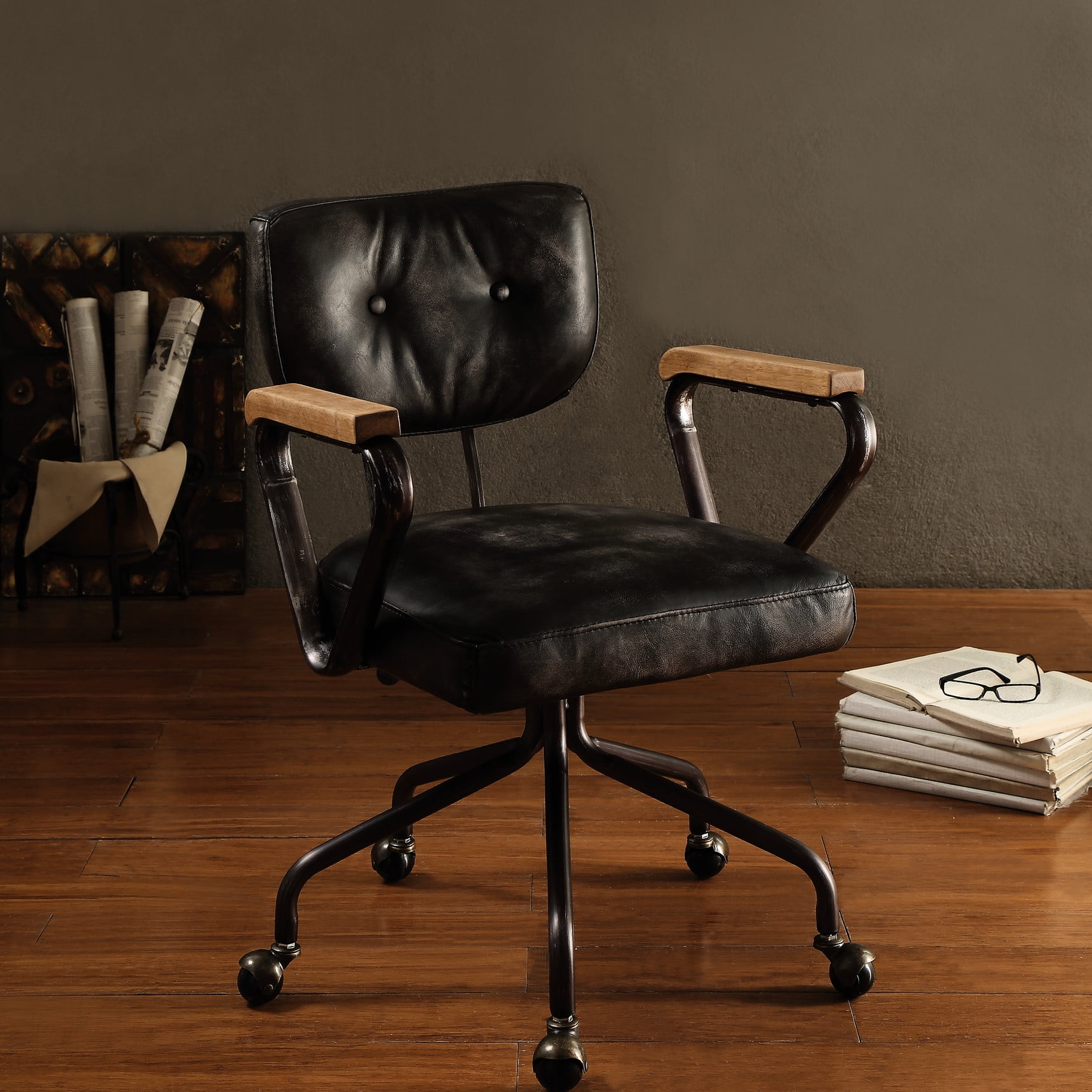
Commercial-grade fabric, top-grain leather, or high-density mesh are your best bets. Avoid "bonded leather" or thin vinyl, which are notorious for peeling and cracking within a couple of years.
5. Casters (Wheels)
Dual-wheel casters with metal or hard nylon hubs are more durable than single, all-plastic wheels. They distribute weight better and roll smoothly without breaking.
6. The Warranty
The single best indicator of longevity. A 10-year or limited lifetime warranty on the frame and mechanism shows the manufacturer's confidence in their product. A 1- or 2-year warranty is a red flag.
Investment Tiers for Long-Lasting Seating
Understanding the market tiers helps you align your budget with your longevity goals. Here’s a simple breakdown:
Entry-Level Durable
Good for light home office use. May feature a solid frame but with more basic materials. Expect a 3-5 year warranty.
Commercial Grade
The "sweet spot" for longevity. Features heavy-duty components, premium materials, and warranties of 5-12 years.
Investment Grade
Designed for 24/7 use. Top-grain leather, aluminum frames, advanced ergonomics, and limited lifetime warranties. Built to be the last chair you ever buy.
Material Science: Picking Your Durable Partner
The battle of materials for longevity is clear once you know what to avoid.
The Champion: High-Quality Mesh
Modern, high-density mesh is incredibly durable. It is resistant to sagging, stretching, and tearing. It's also breathable, which prevents the material degradation that can happen with heat and moisture in foam-based seats. If you see a mesh chair from a reputable brand with a long warranty, it's a top contender for longevity.
The Classic Contender: Top-Grain Leather
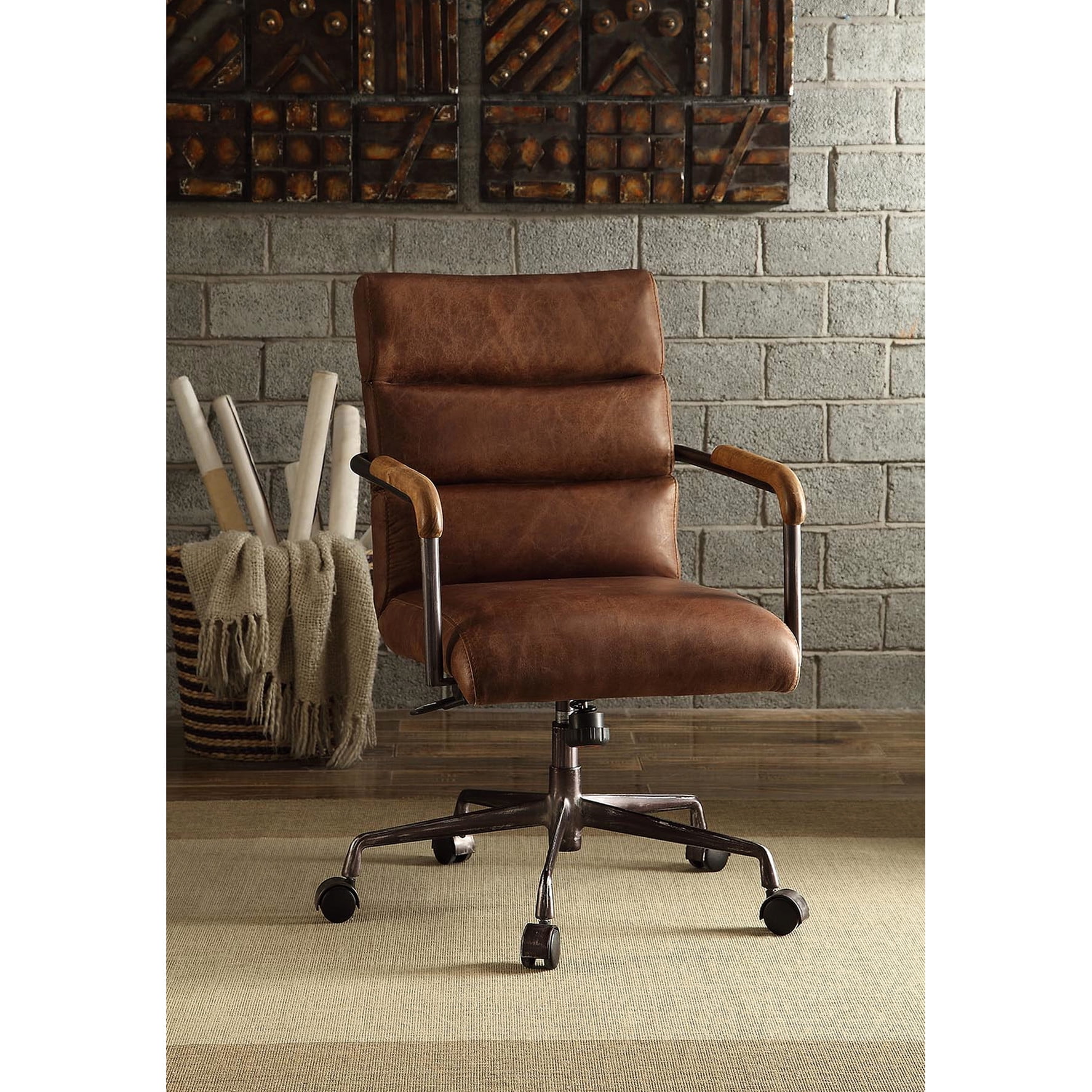
With proper care (cleaning and conditioning every 6-12 months), a top-grain or full-grain leather chair can last 15 years or more. It develops a patina over time but maintains its structural integrity. The key is ensuring the leather is attached to a high-density foam cushion that won't flatten out.
The One to Avoid: Bonded Leather
This material is made from leather scraps mixed with polyurethane and glued onto a paper backing. It is universally known for peeling and flaking after 1-3 years of use. No matter how good the frame is, if the chair is covered in bonded leather, it will look terrible long before it wears out mechanically.
The "Catch-22" of Adjustability and Durability
Ironically, chairs with more moving parts (like 4D armrests and complex recline mechanisms) have more potential points of failure. However, this doesn't mean you should avoid adjustability. A truly long lasting office chair will have robust, well-engineered adjustment mechanisms that feel solid and click into place with precision, not with a loose, flimsy feel. When testing a chair, operate every lever and slider. Do they feel built to last, or do they feel like they might snap off?
Prioritizing a long lasting office chair is an investment in your daily comfort and long-term financial sense. By focusing on the components that matter—the base, the gas cylinder, the frame, and the warranty—you can cut through the marketing noise and find a seat that will support you faithfully for a decade or more.