
Why a Herman Office Chair is a Game-Changer for Your Workday
Imagine sitting for eight hours straight without feeling stiffness in your lower back or fatigue in your shoulders. That's the promise of a well-designed Herman office chair. Inspired by the legendary ergonomics of Herman Miller, these chairs are not just furniture—they are tools for well-being and productivity.
Whether you're a remote worker, a CEO, or a creative professional, the chair you sit on directly influences your focus, energy levels, and long-term spinal health. According to the American Chiropractic Association, 80% of people will experience back pain at some point, often due to prolonged sitting in poorly designed chairs. Investing in a Herman office chair is like buying health insurance for your spine.
Did You Know? A study by the University of California found that employees using ergonomic chairs reported a 17.5% increase in productivity and a 32% reduction in musculoskeletal discomfort.
The Anatomy of a Herman Office Chair: What Sets It Apart
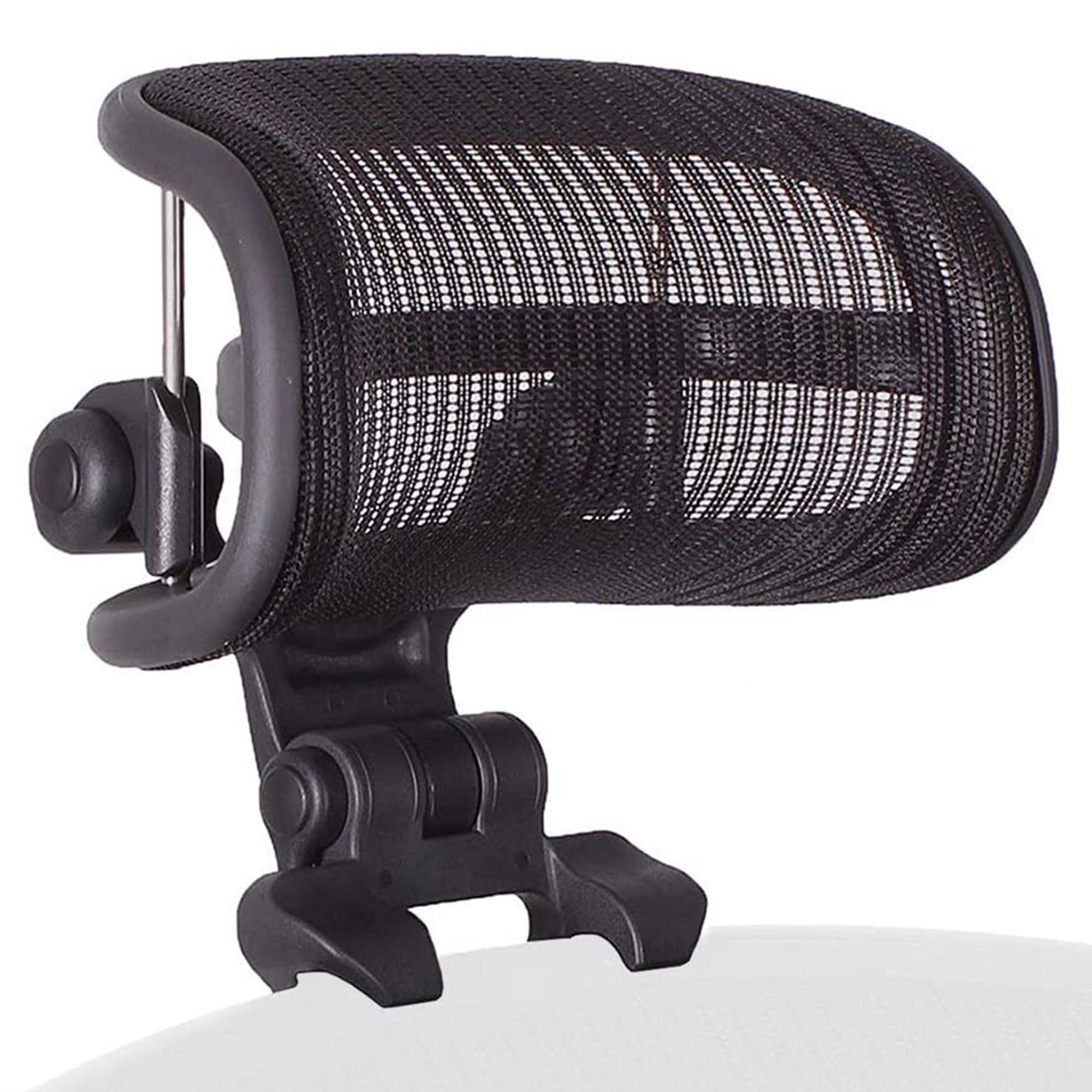
Herman office chairs are built on decades of research into human biomechanics. Unlike generic chairs, they feature kinematic adjustments that mimic the natural movements of your body. Let's break down the key components that make these chairs exceptional.
1. PostureFit Technology: Your Spine's Best Friend
Think of PostureFit as a gentle hand supporting your lower back. Traditional chairs often leave a gap between your lumbar spine and the backrest, forcing your muscles to work overtime. Herman chairs with PostureFit technology use adjustable pads that tilt your pelvis forward slightly, maintaining the natural S-curve of your spine. This reduces disc compression by up to 40%, according to ergonomic studies.
2. 8-Zone Suspension vs. Memory Foam: The Comfort Debate
Herman chairs often feature an 8-zone suspension system—a mesh material with varying tension across different areas. This is like sleeping on a mattress that's soft in some places and firm in others, tailored to your body's pressure points. In contrast, memory foam chairs can trap heat and sag over time. The suspension system promotes airflow, keeping you cool during marathon work sessions.
3. Adjustable Arms: More Than Just Armrests
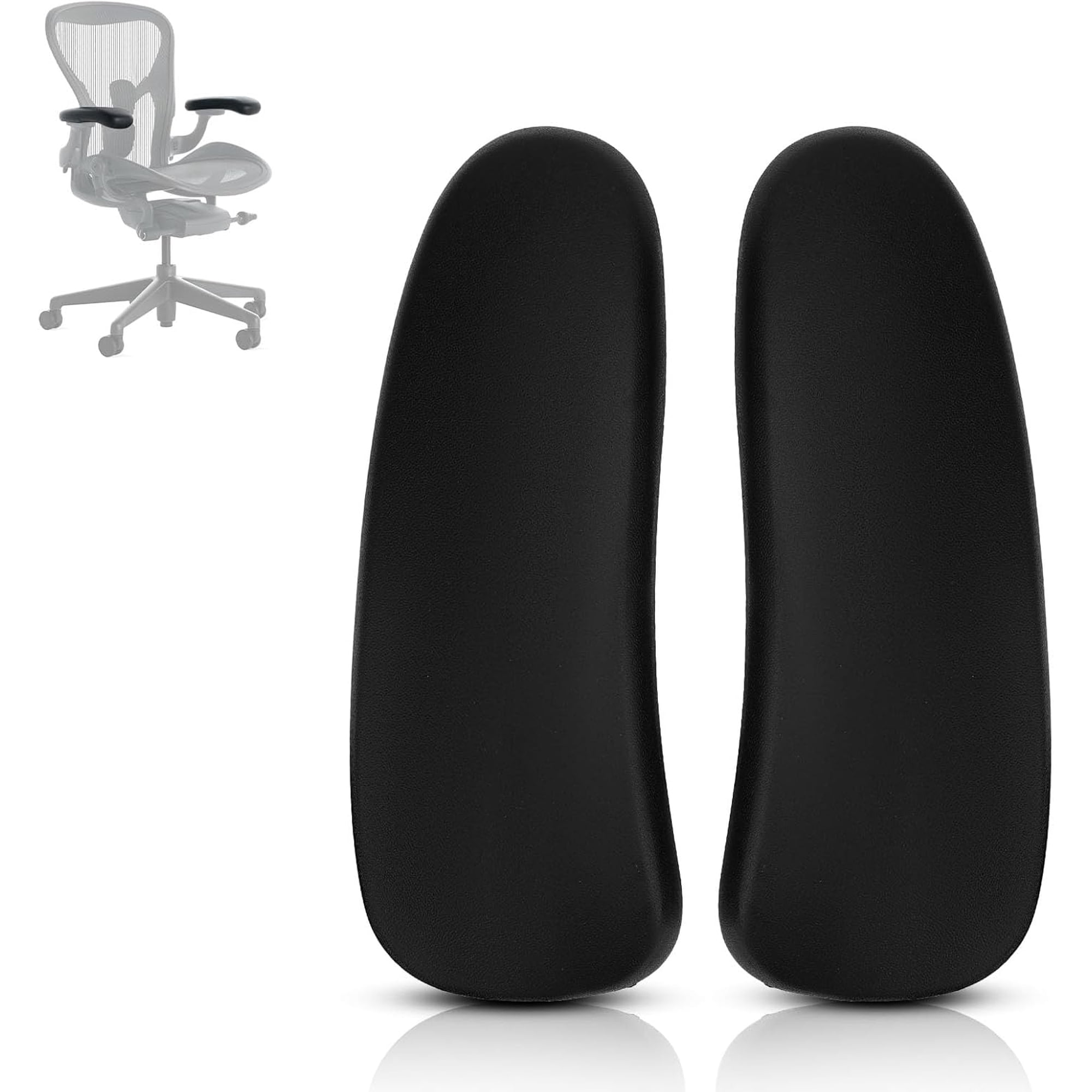
Imagine trying to type with your elbows floating in the air—it leads to shoulder strain. Herman chairs offer 4D armrests that adjust up/down, left/right, forward/backward, and even pivot. This allows you to keep your arms at a 90-degree angle, reducing tension in your neck and shoulders. It's like having a personal assistant that aligns your workstation to you, not the other way around.
4. Tilt Mechanisms: The Science of Movement
Static sitting is the enemy of health. Herman chairs incorporate synchronous tilt mechanisms where the seat and backrest move together at a precise ratio (often 2:1 or 3:1). This keeps your feet planted while allowing your upper body to recline slightly, opening up your hip angle and promoting blood circulation. Some models even have a forward tilt feature for intense desk work, shifting your pelvis forward to maintain alertness.
5. Material Matters: Mesh, Leather, or Fabric?
The choice of material affects breathability, durability, and aesthetics.
- Mesh: Ideal for hot climates. It's breathable, supportive, and bounces back to shape. Perfect for those who tend to overheat.
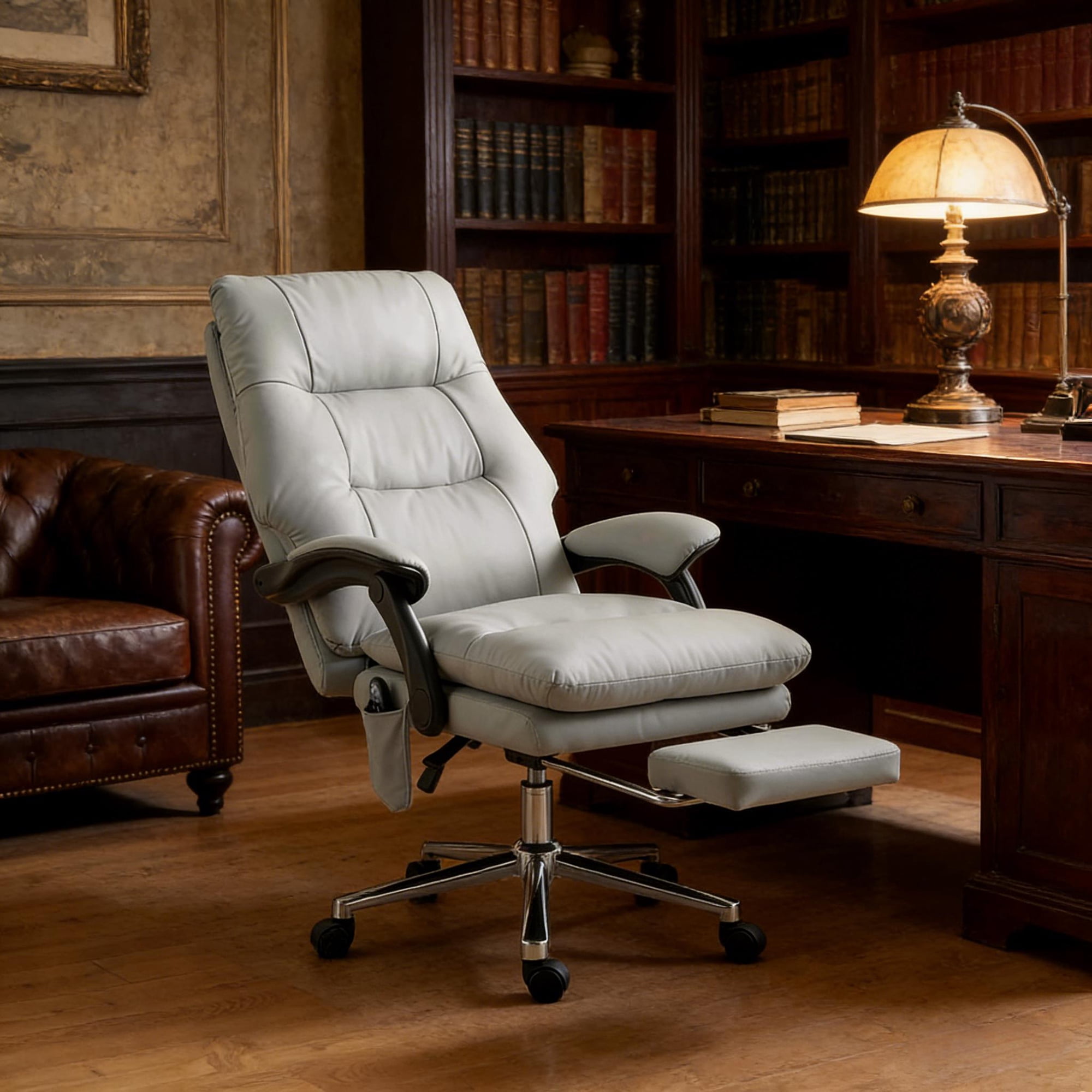
- Leather: Exudes professionalism and is easy to wipe clean. However, it can get sticky in summer and requires conditioning.
- Fabric: Offers a soft, cozy feel and comes in various colors. It's quieter and warmer but may absorb spills.
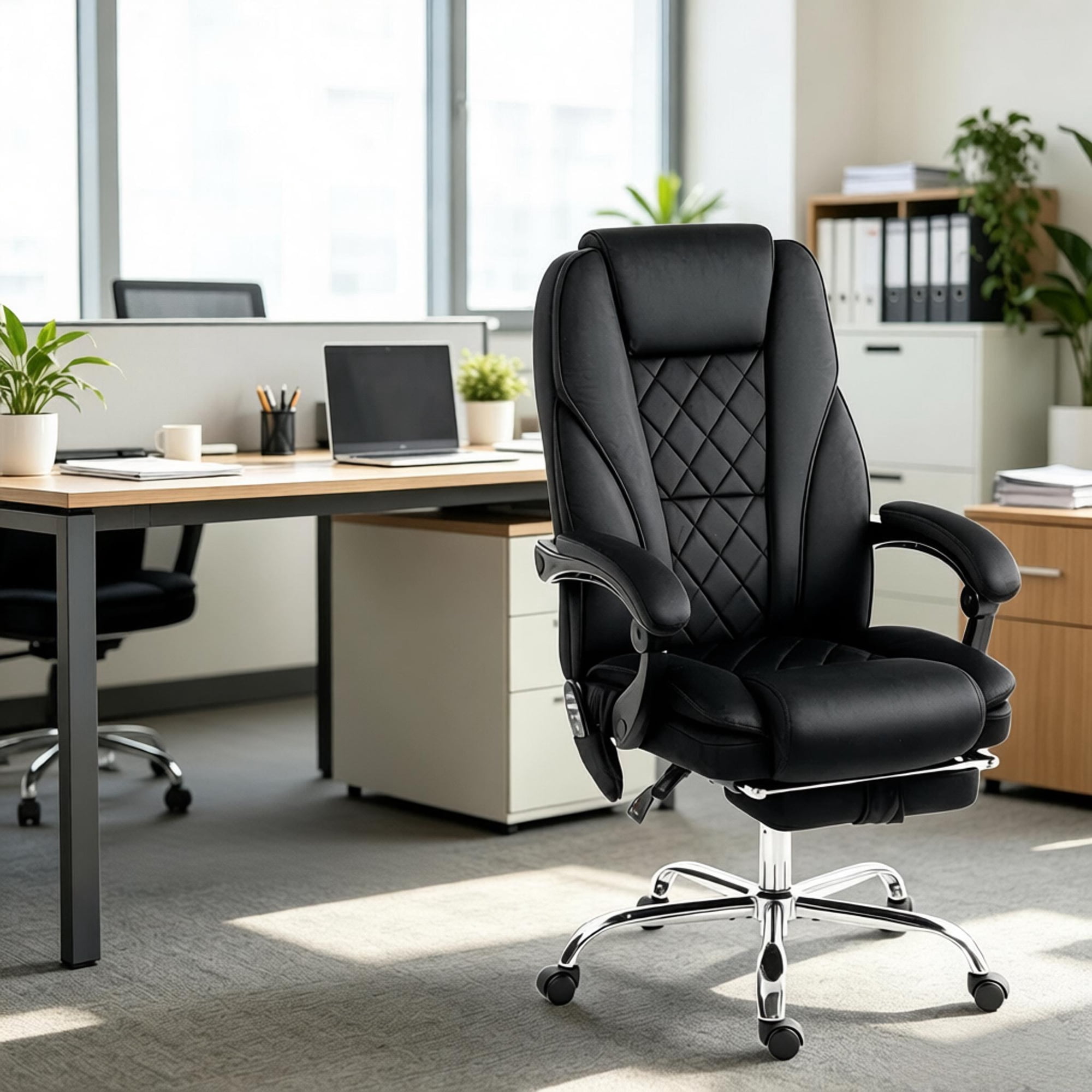
Most premium Herman chairs use a combination—mesh for the back for breathability and cushion foam for the seat for comfort.
6. Weight Capacity and Build Quality
A Herman office chair is an investment in durability. Most models support 300 to 400 pounds, with reinforced bases and gas lifts tested for 20,000+ cycles. The frames are often made of aluminum or high-strength polymer, ensuring they don't wobble or creak even after years of use. Think of it like buying a car: you want an engine that lasts, not one that breaks down after a few years.
How to Choose the Perfect Herman Office Chair for Your Body Type
Selecting the right chair isn't about picking the most expensive model—it's about finding the one that fits you like a tailored suit. Here's a step-by-step guide:
Step 1: Measure Your Body Dimensions
- Seat width: Measure the widest part of your hips/thighs. Add 1-2 inches for comfortable space.
- Seat depth: From the back of your buttocks to the back of your knee, subtract 2 inches. You should have 2-3 finger gaps between the seat edge and your calf.
- Back height: From your seat to your shoulder blades. A high-back chair supports the entire spine, while mid-back offers more mobility.
Step 2: Match with Chair Sizes
Herman chairs often come in sizes A (small), B (medium), and C (large). Use this quick reference:
- Size A: For users up to 5'5", weight up to 130 lbs.
- Size B: For 5'5" to 6'2", weight 130-250 lbs. (Most common)
- Size C: For 6'2" and above, weight 250-350+ lbs.
Step 3: Identify Your Work Style
Step 4: Set Your Budget
Entry-Level
Basic ergonomic features, good for occasional use.
Mid-Range
Better adjustability, quality mesh, and lumbar support.
Premium
Fully adjustable, premium materials, 12-year warranty.
High-End
Top-tier models like Aeron, Embody with all features.
Health Benefits Backed by Science
Switching to a Herman office chair isn't just about comfort—it's a health intervention. Here's what research says:
- Reduced Spinal Load: A study in the Journal of Physical Therapy Science found that chairs with dynamic lumbar support reduce intervertebral disc pressure by 35% compared to standard office chairs.
- Improved Posture: The Mayo Clinic notes that ergonomic chairs encourage users to sit back, reducing slouching and forward head posture, which is a leading cause of tech neck.
- Enhanced Circulation: Waterfall seat edges (common in Herman chairs) prevent pressure behind the knees, allowing blood to flow freely and reducing the risk of deep vein thrombosis during long sits.
- Boosted Focus: When your body is pain-free, your brain can focus on work. A Cornell University study showed that discomfort leads to a 12% drop in cognitive performance.
Comparing Herman Chairs to Other Brands
| Feature | Herman Office Chair | Generic Ergonomic Chair | Gaming Chair |
|---|---|---|---|
| Lumbar Support | Dynamic, adjustable height/depth | Fixed or basic pad | Often just a pillow |
| Seat Material | Breathable mesh or premium leather | Foam with fabric | PU leather (hot, peels) |
| Armrests | 4D adjustable | 2D or fixed | 2D sometimes |
| Tilt Mechanism | Synchronous, weight-sensitive | Knee-tilt or basic recline | Recline only |
| Warranty | 10-12 years | 1-3 years | 1-2 years |
| Resale Value | High (holds value) | Low | Low |
As you can see, Herman chairs are engineered for longevity and ergonomics, whereas other categories often cut corners on materials and adjustability.
Frequently Asked Questions About Herman Office Chairs
Final Verdict: Is a Herman Office Chair Right for You?
Choosing a Herman office chair is a decision to prioritize your health, comfort, and productivity. It's like upgrading from a bus to a first-class seat—the journey becomes smoother, and you arrive less fatigued. While the price tag may give you pause, consider the cost of back pain treatments, lost productivity, and replacing cheap chairs every few years. In the long run, a Herman chair pays for itself.
Remember, the best chair is the one that fits your body and work style. Use the guide above, test if possible, and choose a model that makes you excited to sit down and work. Your spine will thank you.