
Decent Office Chair: The Unsung Hero of Productivity
You don’t always need a throne to work effectively. Sometimes, all you require is a decent office chair – a reliable seat that supports your posture, fits your space, and doesn’t demand a second mortgage. Think of it as the "well-made pair of jeans" in your office: not flashy, but you feel the difference the moment you sit down. Whether you're equipping a home office or refreshing a corporate cubicle, understanding what makes a chair truly 'decent' saves you money and back pain.
Why "decent" matters: A survey by the American Posture Institute found that 52% of remote workers use kitchen or dining chairs as their primary desk seat. Upgrading to even a decent ergonomic chair can reduce daily fatigue by an estimated 35% and improve focus during afternoon slumps.
The Anatomy of a Decent Office Chair (What to Look For)
A decent chair is not defined by a single feature, but by the harmony of its components. Below we dissect the key elements, from the base up, so you can spot quality even when the price tag is modest.
1. The Base: Stability & Mobility
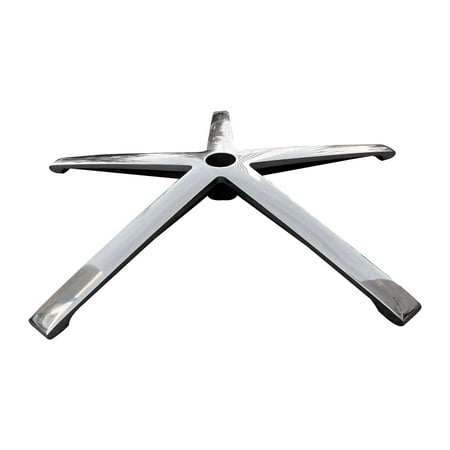
The foundation of any decent chair is a five-star base. Avoid four-star bases (they tip easily). Nylon/polypropylene bases are common in the decent category – they're lightweight and strong enough for daily use. Metal bases add durability but also weight and cost. For casters, look for dual-wheel casters (they roll smoother) and ensure they match your floor: hard casters for carpet, soft rubber for hardwood or tile.
- Base material: Reinforced nylon is perfectly decent for up to 250-300 lbs.
- Caster type: Look for "floor-friendly" markings if you have hardwood.
- Gas lift class: Class 3 (up to 220 lbs) or Class 4 (up to 330 lbs) – decent chairs usually have Class 3.
2. Seat Comfort & Foam Density
This is make-or-break for a decent chair. You want foam that rebounds slowly (high-density) rather than foam that compresses permanently after three months. A decent chair often uses molded foam with a thickness of at least 3 inches. Waterfall seat edges (curved down at the front) relieve pressure on your thighs – a hallmark of decent ergonomic design.
✔ Signs of quality foam
- Firm but forgiving
- Recovers quickly when pressed
- No hard spots or bottoming out
✘ Red flags
- Too soft (sinks to the base)
- Lumpy or uneven surface
- Thin padding under thighs
3. Backrest & Lumbar Support: The Spine's Best Friend
A decent office chair must offer adjustable lumbar support – either via a mechanical knob or a built-in contour that aligns with the natural curve of your lower back. For many decent chairs in the $200–$400 range, you'll find height-adjustable lumbar pads or a tension-adjustable backrest. Mesh backrests are popular because they conform slightly and breathe; fabric backs offer more cushioning but less airflow.
1 Check lumbar height: Sit upright – the support should fit snugly into the curve of your back, not your mid-back or hips.
2 Tilt mechanism: A decent chair often includes a "knee-tilt" or "synchro-tilt" that allows the seat and back to move together, keeping your feet planted.
3 Backrest height: Mid-back is typical for decent chairs (supports up to shoulder blades). High-back offers more head/neck support but may cost more.
4. Armrests: Adjustability Spectrum
In the decent category, armrests often fall into two types: fixed padded arms or 2D adjustable (height and sometimes width). While 4D armrests are a premium feature, even simple height adjustment can significantly improve your typing posture. If you're on a tight budget, ensure at least the armrests are wide enough and don't dig into your elbows.
- Fixed arms: Acceptable if positioned correctly for your desk height.
- Height-adjustable (2D): Gold standard for a decent chair – lets you align arms with your desk.
- Flip-up arms: Great for sliding the chair under a desk or for guitar players.
5. Upholstery Materials: Fabric, Mesh, or Faux Leather?
Each material has trade-offs. A decent office chair often uses breathable mesh for the back and durable fabric for the seat. Here’s a quick comparison:
| Material | Pros | Cons | Decent-level expectation |
|---|---|---|---|
| Mesh | Breathable, modern look | Less padding, can sag over years | Common in $150–$350 chairs; look for tight weave |
| Fabric | Soft, warm, variety of colors | Can stain, may trap heat | Choose high rub-count (50,000+ double rubs) |
| Faux leather (PU) | Easy to wipe, looks sleek | Peeling after 2-3 years in hot climates | Acceptable for light use; avoid if you sweat heavily |
6. Weight Capacity & Durability
A decent office chair should comfortably support a wide range of body types. Look for a stated weight capacity – typically 250–300 lbs is considered decent. The mechanism (the metal box under the seat) should be solid, not flimsy. Reading user reviews mentioning "squeaking" or "wobbling" after a few months helps separate decent from disposable.
How to Test if a Chair is Truly "Decent" (Before You Buy)
Use this 5-point check, like a mental scorecard, when you browse online or in a store:
- The 15-minute sit test: Imagine working in it – shift positions, reach for a keyboard. Any pressure points?
- Adjustability check: Can you easily change seat height while seated? Do levers feel sturdy?
- Rock and tilt: Lean back. Does the chair feel stable? Does the tension lock hold your weight?
- Armrest alignment: When typing, do your arms rest naturally without shrugging?
- Material feel: Run your hand over surfaces – any sharp edges or cheap plasticky smell?
According to office furniture experts, a decent chair should score at least 4 out of 5 on this checklist. If it fails two or more, it’s likely below the 'decent' threshold.
Frequently Asked Questions About Decent Office Chairs
Conclusion: Decent is the New Smart
In a market flooded with ultra-premium chairs costing a fortune, the humble decent office chair stands out as the pragmatic champion. It respects your budget while safeguarding your posture. Remember: a chair doesn't need a built-in massager or diamond-stitched leather to be effective. It needs to fit your body, encourage movement, and stay reliable through thousands of sits.
Focus on the fundamentals – adjustable lumbar, quality foam, smooth casters – and you'll find a chair that feels decent for years to come. Browse our curated product grid above to see models that meet these criteria, and always read recent user reviews to confirm long-term satisfaction.