
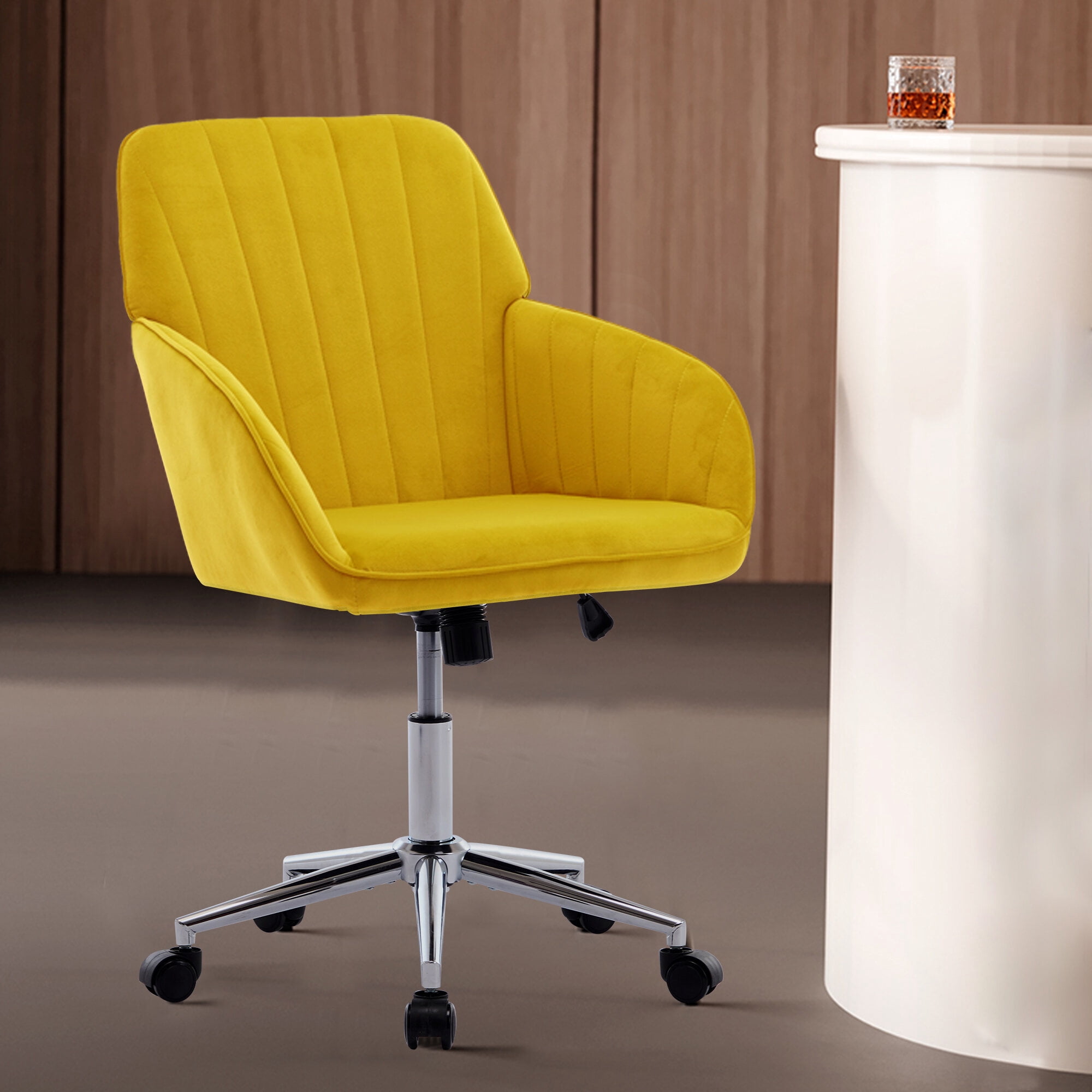
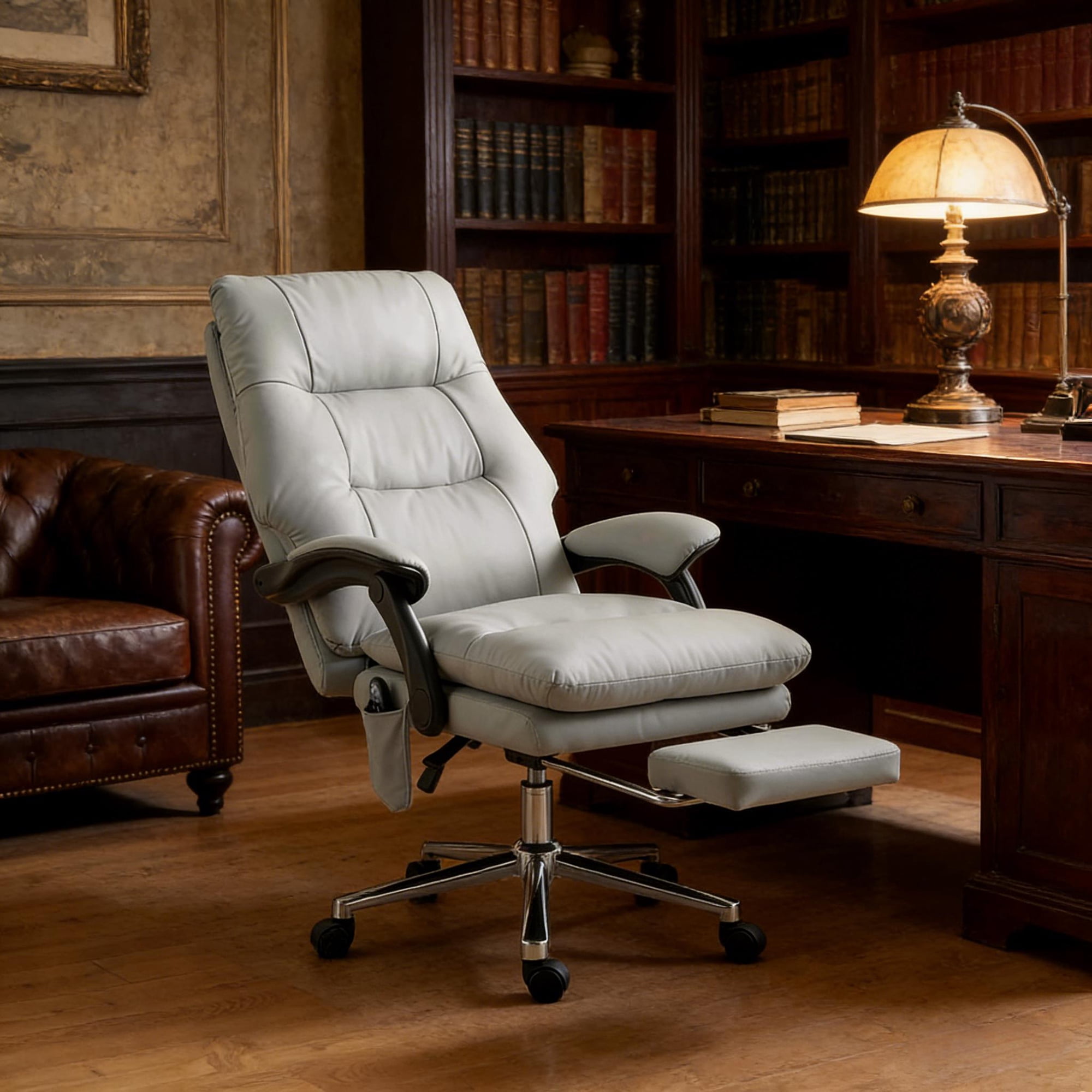
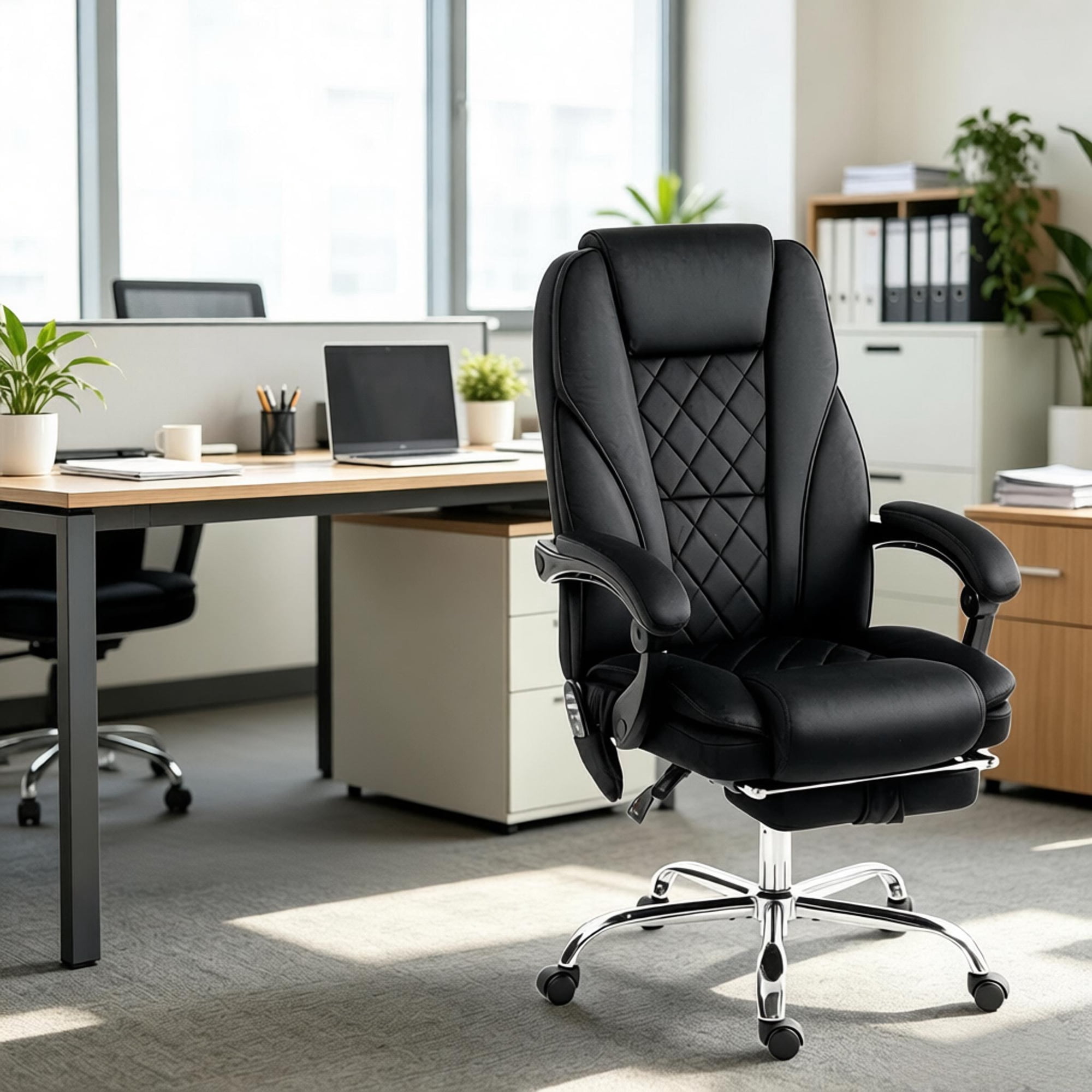
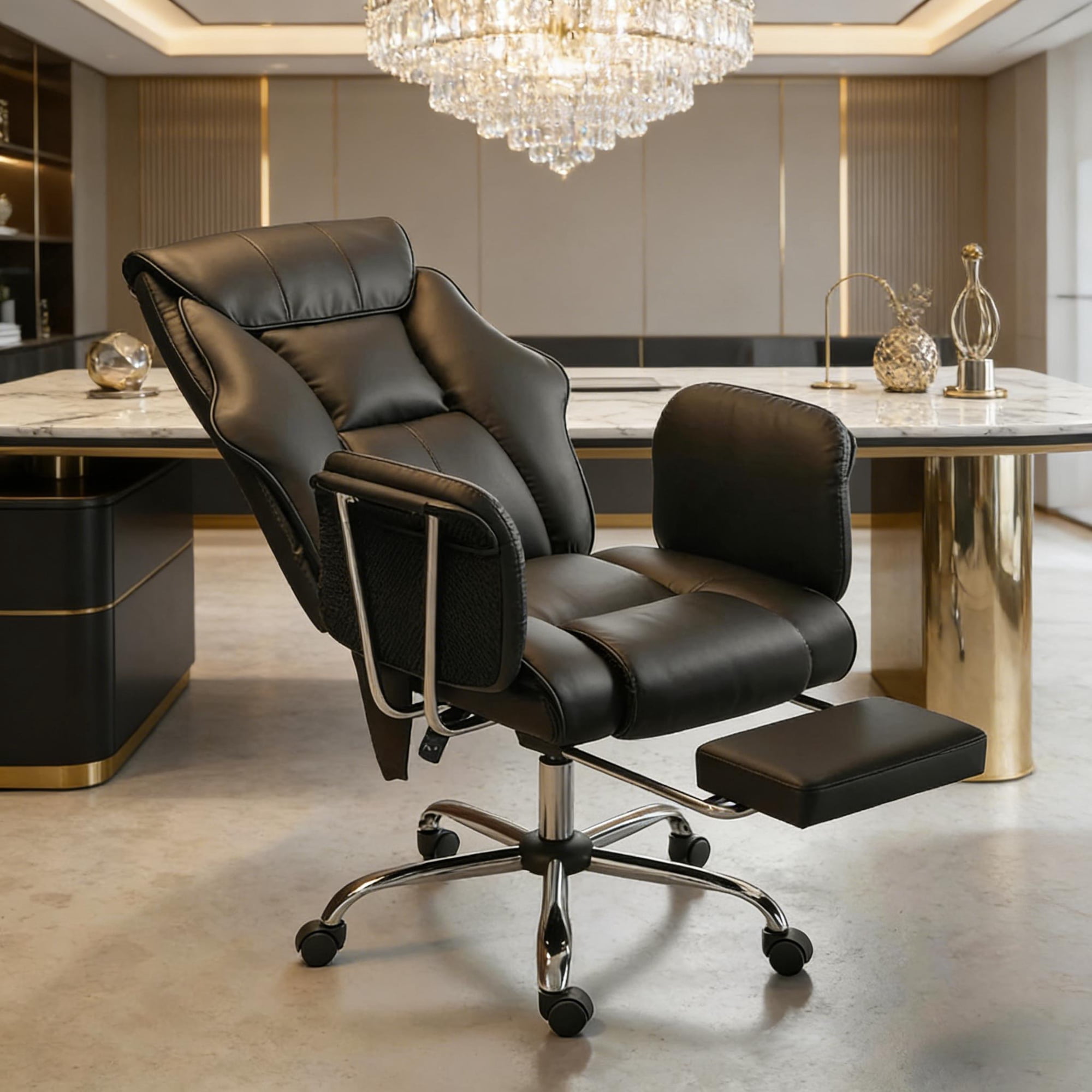
The Philosophy Behind "Fabrique Par" Office Chairs
Imagine walking into a workshop where each office chair is assembled by skilled hands, not just by machines. That is the essence of fabrique par office chair—a term that evokes heritage, precision, and a commitment to excellence. In a world of mass production, these chairs stand out because they are made by (fabrique par) artisans who understand that a leader's throne must support both posture and prestige.
📊 Industry Insight: A study by the European Furniture Manufacturers Association found that hand-finished chairs have a 40% longer lifespan than mass-market alternatives. The attention to detail in frame construction and material joining reduces long-term wear and tear significantly.
The Hallmarks of a True 'Fabrique Par' Chair
What exactly sets a 'fabrique par' chair apart? It’s a combination of tangible details and the intangible feel of quality. Here are the characteristics to look for:
- Hand-Stitched Upholstery: Unlike machine stitching that can be uniform but weak, hand-stitching uses stronger threads and allows for complex curves, ensuring the leather or fabric hugs the foam perfectly.
- Solid Material Selection: Artisans choose materials that age gracefully. You will find full-grain leather that develops a patina, polished aluminum bases that resist corrosion, and high-resilience foam that doesn't flatten after a year.
- Precision Mechanics: The tilt mechanisms, gas lifts, and casters are often sourced from specialized manufacturers (like Suspa or Stabilus) and tested for thousands of cycles. The movement feels fluid, not jerky.
- Unique Design DNA: Many 'fabrique par' chairs have signature design elements—a particular curve on the armrest, a contrast stitching pattern, or a sculpted backrest—that make them instantly recognizable.
🌿 Leather
Full-grain leather breathes, conforms to your body temperature, and with care, can last 15+ years. It’s the choice for those who see their chair as a long-term investment.
⚙️ Mechanism
German or Italian-made tilt mechanisms provide synchronized movement, keeping your feet planted while the backrest reclines—essential for healthy sitting dynamics.
🧵 Stitching
Look for "saddle stitching" where two needles interlock the thread. This method ensures that if one stitch breaks, the rest remain intact—a hallmark of durability.
Integrating Modern Ergonomics into Classic Craftsmanship
Some assume that "handmade" means "old-fashioned." But the best fabrique par office chair designs seamlessly blend traditional craftsmanship with 21st-century ergonomic science. It’s like a tailor making a bespoke suit with modern stretch fabric. Here’s how they do it:
- Dynamic Lumbar Support: Instead of a fixed curve, artisans embed adjustable lumbar bladders or mechanical slides within the handcrafted frame. You get support that moves with you.
- 4D Armrests: These are not plastic add-ons. High-end chairs feature armrests covered in the same premium leather, with metal adjustment levers that glide smoothly and lock securely.
- Seat Depth Adjustment: A hidden slider mechanism allows you to move the seat pan forward or backward, ensuring proper thigh support regardless of your height—all while maintaining the chair's clean exterior lines.
- Weight-Activated Recline: Some models use a mechanism that adjusts recline tension based on your body weight, eliminating the need for a bulky tension knob. The engineering is invisible, but the comfort is immediate.
According to ergonomist Dr. Emily Carter, "A well-crafted chair with proper adjustability can reduce spinal disc pressure by up to 35% compared to a static, one-size-fits-all chair."
Why 'Fabrique Par' is a Smarter Long-Term Investment
Let’s talk numbers. A typical mass-market office chair might cost $300 and last 3 years before the foam compresses or the mechanism fails. A fabrique par office chair might cost $1,500 but last 12–15 years. Here’s a simple breakdown:
- Cost per year (mass-market): ~$100 (if you replace every 3 years).
- Cost per year (crafted chair): ~$100–$125 (over 12-15 years).
Beyond the numbers, consider the daily comfort and health benefits. Sitting in a chair that supports you properly can reduce fatigue, improve concentration, and potentially save you from costly physiotherapy bills. It’s the classic "buy once, cry once" philosophy applied to your workspace.
Selecting Your Ideal 'Fabrique Par' Chair
Choosing the right chair is a personal journey. Here is a step-by-step guide to help you navigate the options:
1. Define Your "Sitting Style"
Are you a dynamic sitter (moving often, leaning forward) or a static sitter (leaning back for long periods)? Dynamic sitters need a chair with a responsive synchro-tilt; static sitters might prefer a chair with a good recline lock and headrest.
2. Prioritize Adjustability
Even with beautiful materials, if the chair doesn't fit your body, it’s not for you. Ensure it has: seat height range that matches your desk, seat depth adjustment, lumbar height/depth adjustment, and armrests that can be tuned to your elbow angle.
3. Match Material to Environment
For a formal, client-facing office, a leather 'fabrique par' chair projects authority. For a home office in a warm climate, consider a chair with a mesh back (even handcrafted ones can incorporate breathable mesh panels) combined with a leather seat.
4. Test the Mechanisms
If possible, visit a showroom. Sit in the chair and operate every lever. Does the gas lift raise smoothly? Does the recline lock engage firmly? The tactile feedback should inspire confidence.
Frequently Asked Questions About Fabrique Par Office Chairs
Conclusion: The Chair as a Legacy Piece
In the end, a fabrique par office chair is more than a place to sit—it is a piece of functional art. It supports your most valuable asset (your health) while enhancing the aesthetic of your workspace. Whether you are drawn to the rich smell of hand-oiled leather, the smooth glide of a precision mechanism, or the quiet confidence of owning something made by human hands, these chairs offer a sitting experience that mass production cannot replicate. Invest in craftsmanship, and your back—and your sense of style—will thank you for years to come.