
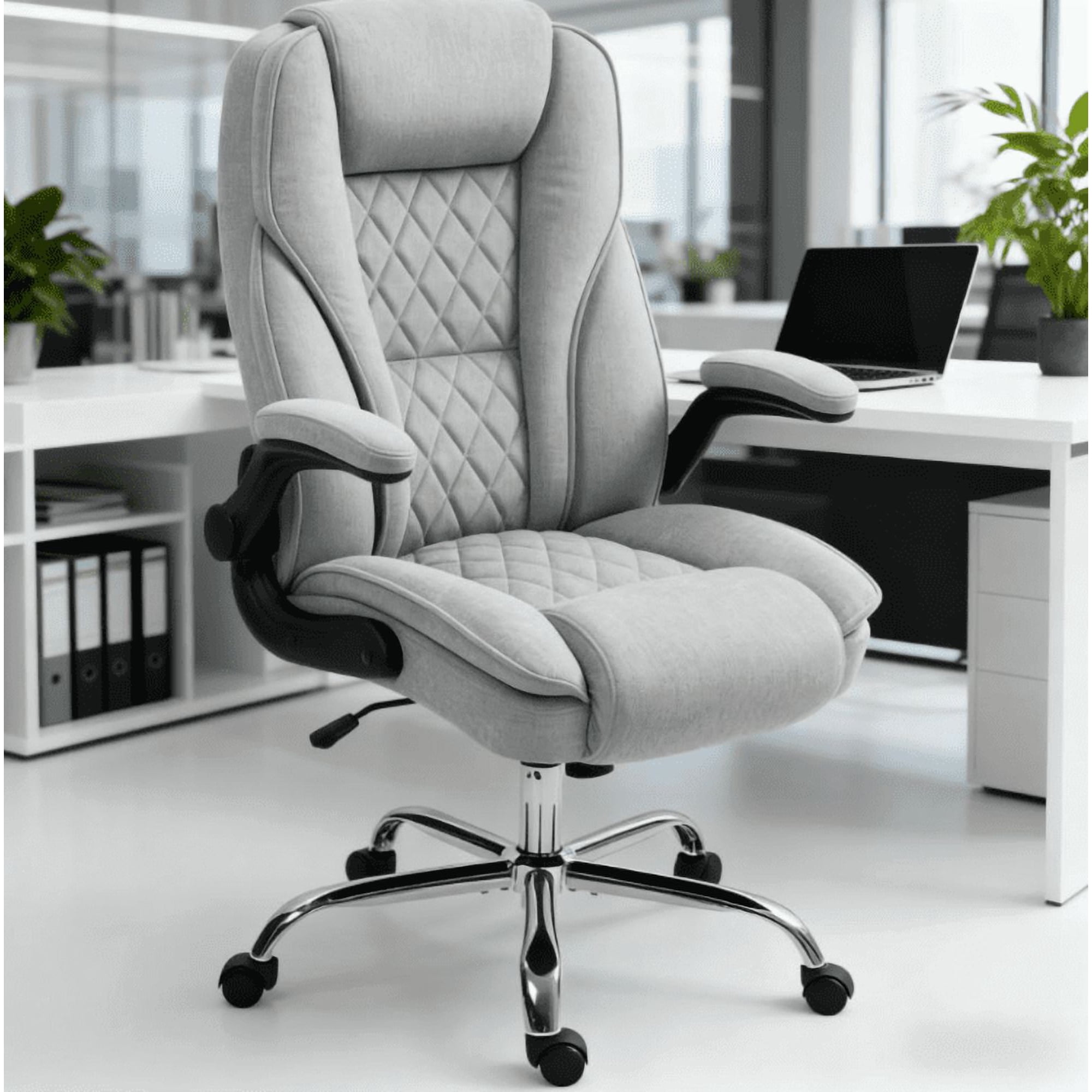
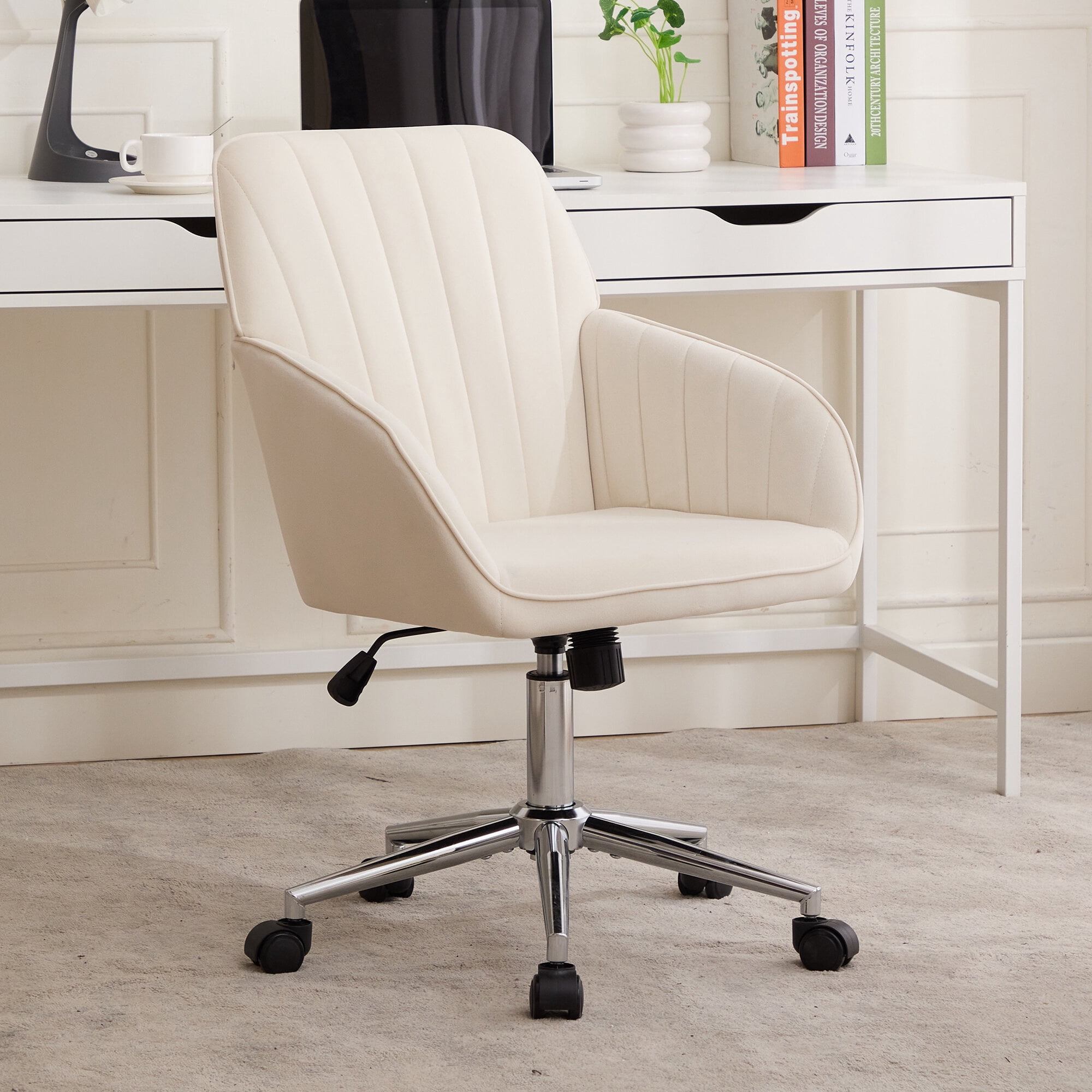

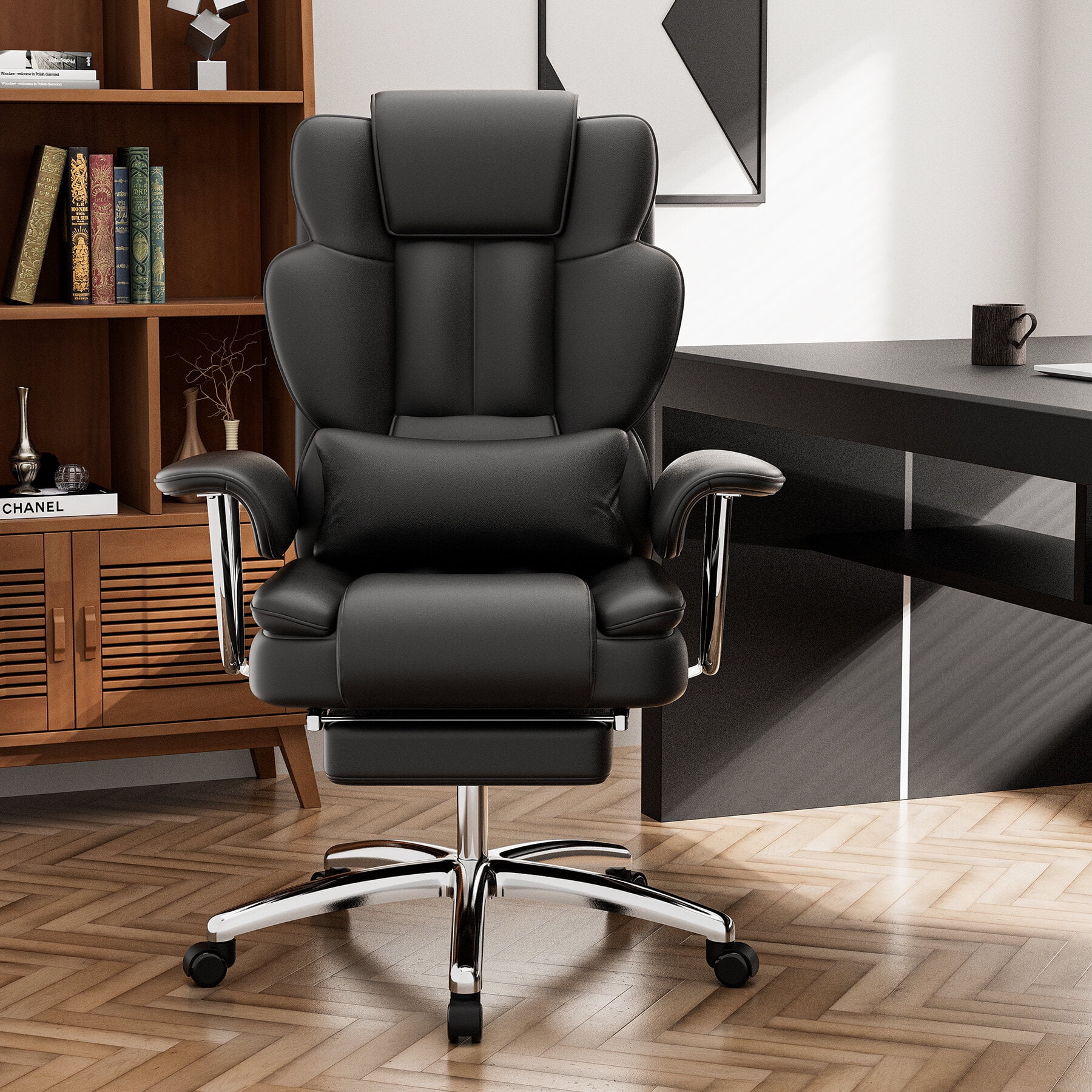
Beyond 'One-Size-Fits-All': Understanding Your Unique Ergonomic Needs as a Tall Person
The term "ergonomic" is thrown around loosely, but for tall individuals, its meaning is very specific. It's not just about a chair looking comfortable; it's about precise engineering that accommodates a larger skeletal frame. A chair that fits a person of average height perfectly can become a source of musculoskeletal stress for someone over six feet tall. This is because the key dimensions—seat height, seat depth, backrest height, and armrest positioning—must align with your unique proportions.
Ergonomic Reality: According to studies on workplace ergonomics, using improperly fitted furniture is a leading cause of work-related musculoskeletal disorders. For tall individuals, an ill-fitting chair forces unnatural postures like slouching to rest their head, leaning forward to use armrests, or crossing legs to relieve pressure, which cumulatively strain the body over time.
Key Measurements: The Blueprint for Your Ideal Chair
Before you start shopping, understanding your own measurements is the most powerful step you can take. Armed with this data, you can quickly filter out unsuitable chairs and focus on models that truly fit. Think of it as finding a tailored suit versus buying off-the-rack.
- Seat Height (Your Femur Length): Measure from the floor to the back of your knee while sitting. For tall people, a chair's maximum seat height should be at least 21-22 inches. A standard chair's max height is often 18-19 inches, which is insufficient.
- Seat Depth (Your Thigh Length): Measure from the back of your knee to your lower back. You'll need a seat depth of at least 19-21 inches. Adjustable seat depth is non-negotiable for a perfect fit.
- Backrest Height (Your Torso Length): Measure from your seat to the top of your shoulder or head. A high-back chair with a backrest of 32 inches or more is essential to support your full spine.
- Armrest Height (Your Forearm): When sitting with shoulders relaxed, your forearms should rest parallel to the floor. The chair's armrests must adjust high enough to achieve this without you having to raise your shoulders.
Five Critical Features to Look For in a Tall-Person Ergonomic Chair
1. Extended Gas Lift Cylinder
This is the most fundamental feature. A standard gas lift provides a seat height range of roughly 16-21 inches. A tall-person chair uses an extended cylinder that can achieve a seat height of 18-24 inches or more, ensuring your knees are at a comfortable 90-degree angle.
2. Adjustable Seat Depth Slider
This mechanism allows you to move the seat pan forward or backward. This is crucial for tall people to get proper thigh support without the front edge of the seat cutting off circulation behind the knees.
3. Height-Adjustable Headrest
A fixed headrest is often useless for tall people. Look for a headrest that not only tilts but also has significant vertical adjustment to cradle the base of your skull, not the back of your neck, providing true cervical spine support.
4. Multi-Dimensional Armrests (4D)
Armrests that adjust in height, width, depth, and pivot are essential. This allows you to position them to support your forearms without forcing your shoulders into a hunched or wide stance, which is a common issue with fixed armrests.
5. High-Weight Capacity & Reinforced Frame
A chair built for a tall person is inherently built for durability. Look for a minimum weight capacity of 350-400 lbs. This rating indicates a larger base, a thicker seat plate, and a more robust metal frame, ensuring the chair remains stable and functional for years.
The Fit Checklist: A Step-by-Step Guide to Testing Your New Chair
When you finally have a promising chair, whether in a showroom or after it arrives, use this checklist to ensure it's the right fit. A good chair will feel supportive from the moment you sit down.
- Feet Flat on the Floor: Adjust the seat height until your feet are flat on the floor and your knees are at a 90-degree angle, slightly lower than your hips.
- Two to Three Finger Gap: Check the seat depth. There should be a gap of 2-3 fingers between the front edge of the seat and the back of your knees. If you can't create this gap, the seat is too deep.
- Full Back Support: Lean back. The backrest should support your entire spine, from your pelvis to at least your mid-to-upper back. If a headrest is present, it should cradle your head, not push it forward.
- Shoulder Check: With your shoulders relaxed, your elbows should be at a 90-degree angle. The armrests should support your forearms without lifting your shoulders or forcing them outwards.
- The Recline Test: Lock the recline mechanism in your preferred working position. Then, recline back. The tension should allow a smooth, controlled movement, supporting you in a healthy, semi-reclined posture that opens up your hip angle.
Material and Build Considerations for Enhanced Durability and Comfort
For tall individuals, a chair undergoes more stress due to leverage and weight distribution. Therefore, the materials and construction are not just about aesthetics—they're about the chair's longevity and your safety.
Frames and Base: The Foundation of Stability
The base of the chair should be made of heavy-gauge steel or reinforced aluminum. A 5-star base is standard, but for tall users, look for a base with a wider diameter (27-30 inches) for increased stability. The chair's frame should be all-metal in high-stress areas, not plastic. A Class 4 gas lift is the minimum standard; for tall users, ensure it's a Class 4 specifically rated for the chair's weight capacity.
Upholstery: Balancing Comfort, Support, and Climate
Your choice between fabric, mesh, and leather impacts your long-term comfort.
- High-End Mesh: Premium mesh chairs, like those from Herman Miller or Steelcase, offer excellent breathability, which is crucial for staying cool during long workdays. The mesh provides a firm, supportive surface that contours to your body without sagging. This is often the top choice for tall people who live in warmer climates or tend to run hot.
- Leather (Genuine or Bonded): Leather offers a classic, professional look and is easy to clean. However, it can be less breathable. For tall individuals, look for chairs with perforated leather to improve airflow. Genuine leather will mold to your body over time, offering a personalized fit, but it requires regular conditioning to prevent cracking.
- High-Density Fabric: Durable fabric is a great middle ground. It's more breathable than leather and can be very comfortable. Look for commercial-grade fabrics with high Martindale scores (a measure of abrasion resistance) to ensure they can withstand daily use without pilling or wearing thin.
Ultimately, the best material is one that aligns with your environmental conditions, maintenance preferences, and the level of support you need. Remember, for tall people, the structural integrity of the frame and base is paramount—the upholstery is the secondary, but still important, layer of comfort.
Frequently Asked Questions About Ergonomic Office Chairs for Tall People
Conclusion & Final Recommendations: Invest in Your Long-Term Health
Finding the perfect ergonomic office chair for tall people is not a luxury; it's an essential investment in your health, comfort, and professional productivity. The right chair acts as a silent partner, eliminating the physical distractions of pain and discomfort so you can focus on your work. By prioritizing features like extended seat height, adjustable seat depth, a high backrest with a height-adjustable headrest, and a robust frame, you are not just buying a chair—you are building a foundation for a healthier, more sustainable work life.
Your Next Steps: From Knowledge to Action
Before you look at another chair, take the key measurements mentioned in this guide: your ideal seat height, seat depth, and backrest height. Keep these numbers handy.
When browsing our product grid above, use the features discussed—extended gas lift, adjustable seat depth, 4D armrests, and high weight capacity—as your primary filters. Don't settle for a chair that lacks these core features.
Once your chair arrives, use the Step-by-Step Fit Checklist to verify it's the right one. Take your time with the adjustments; a properly adjusted chair is the key to unlocking its full ergonomic potential.
Remember, you spend a significant portion of your life in your office chair. For a tall person, the difference between a standard chair and one designed for your frame is the difference between enduring your workday and thriving in it. Choose wisely, and your body will thank you for years to come.