
Why Comfortable and Affordable Office Chairs Are a Game-Changer
For millions of professionals working from home or in hybrid environments, finding the sweet spot between comfort and cost has never been more critical. Comfortable and affordable office chairs are no longer a myth—modern manufacturing and smart design have made it possible to enjoy ergonomic support without the four-figure price tag. Whether you're a freelancer, a startup founder, or an employee setting up a home office, the right chair can transform your workday.
💡 Did you know? According to a 2024 workplace wellness study, 67% of remote workers reported increased productivity after upgrading to a properly supportive chair, yet 54% initially delayed purchasing due to cost concerns. The market now offers high-value options that bridge this gap.
Key Features to Look for in Budget-Friendly Ergonomic Chairs
Not all cheap chairs are created equal. Here's what separates a true value chair from a back-breaking trap:
- Adjustable Seat Height: Pneumatic cylinders that allow your feet to rest flat on the floor while thighs are parallel to the ground.
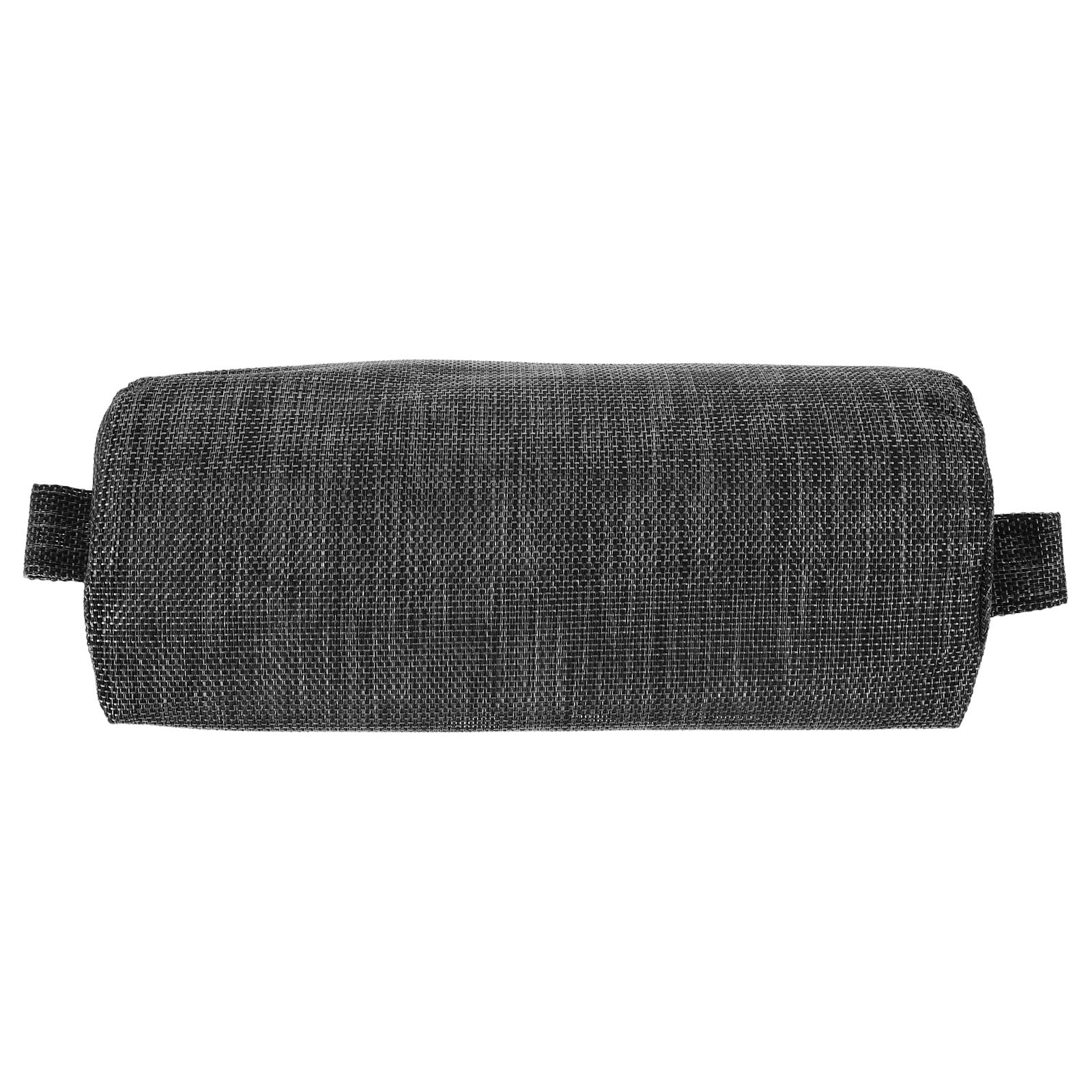
- Lumbar Support (Built-in or Adjustable): Prevents lower back strain during long hours—non-negotiable for comfort.
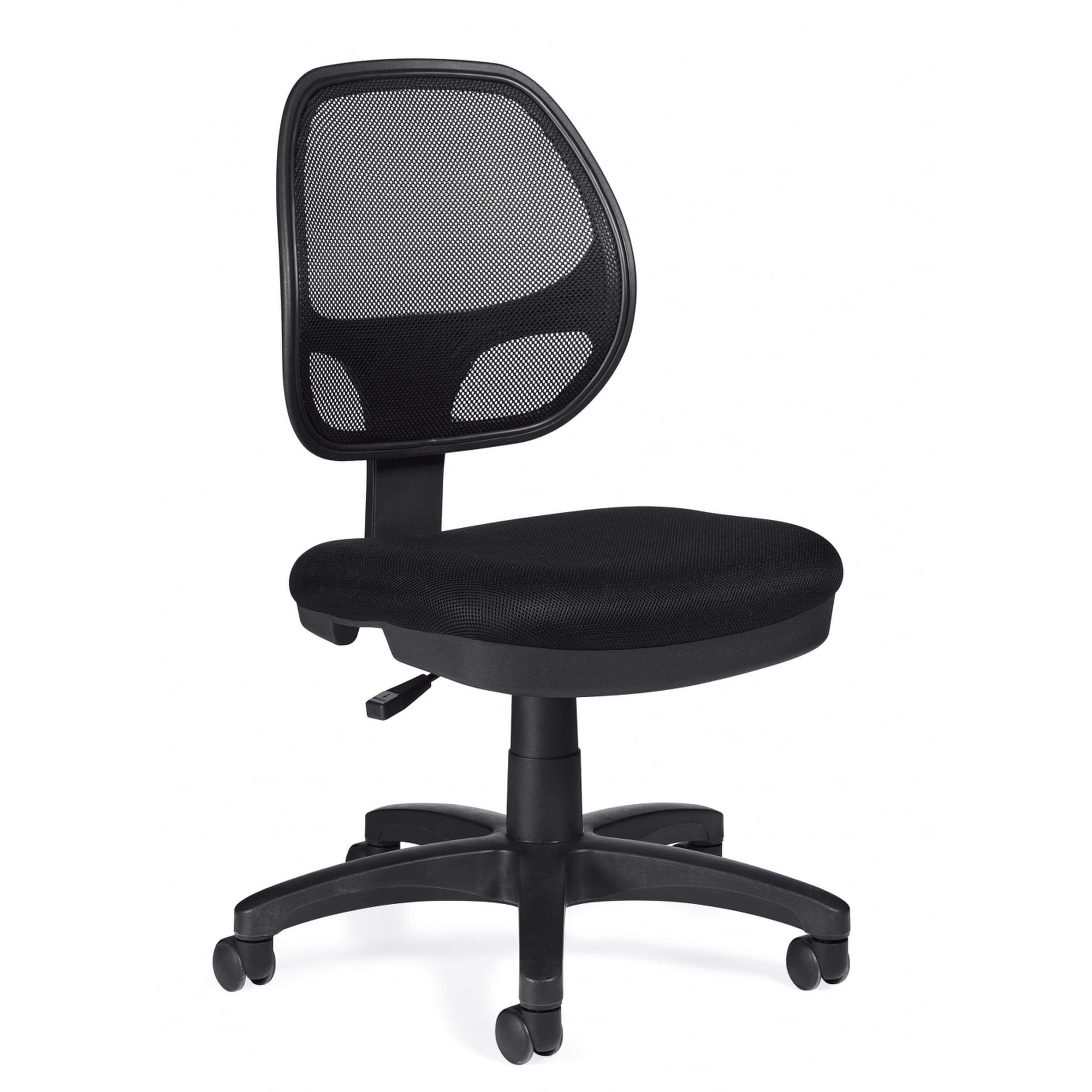
- Breathable Back Material: Mesh backs keep you cool; fabric or padded backs offer plushness. Choose based on your climate.
- Seat Depth & Width: At least 18 inches depth and 19 inches width to accommodate various body types comfortably.
- Quality Casters: Smooth-rolling wheels that protect flooring—look for dual-wheel casters for stability.
- Weight Capacity: Aim for 250–300 lbs minimum for long-term durability, even if you weigh less.
Comparing Materials: Best Value for Money
Material choice directly affects both comfort and longevity. Here’s how popular options stack up in the affordable segment:
| Material Type | Comfort Level | Breathability | Durability (Years) | Price Range | Ideal For |
|---|---|---|---|---|---|
| Mesh Back + Fabric Seat | High (with good foam) | Excellent (mesh back) | 4–7 years | $120–$250 | All-day users, warm climates |
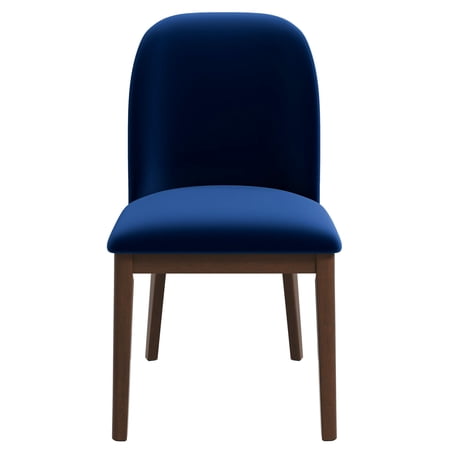
| Full Fabric Upholstery | High (plush) | Moderate | 3–6 years | $100–$200 | Cooler offices, comfort-first users |
| PU Leather / Faux Leather | Medium (can get sticky) | Low | 3–5 years (may peel) | $90–$180 | Occasional use, easy-clean needed |
| Full Mesh (Back & Seat) | Medium–High (firm) | Superior | 5–8 years | $150–$300 | Hot climates, active sitting |
Why 'Affordable' Doesn't Mean 'Cheap' Anymore
The office furniture industry has undergone a revolution. Brands now compete to deliver premium features at accessible price points. Features like 3D armrests, built-in lumbar support, and heavy-duty gas lifts are increasingly common in chairs under $250. The key is knowing which features matter most for your body and work style.
🏆 Smart Shopping Tip: Look for chairs with at least a 1-year warranty on parts and a 3-year warranty on the frame. This often indicates manufacturer confidence. Also, read reviews focusing on long-term comfort—not just unboxing impressions.
Health Benefits of Choosing the Right Affordable Chair
Investing in a supportive chair, even on a budget, yields real health dividends:
Reduced Neck & Shoulder Tension
Proper back angle and arm support minimize hunching and forward-head posture.
Better Circulation
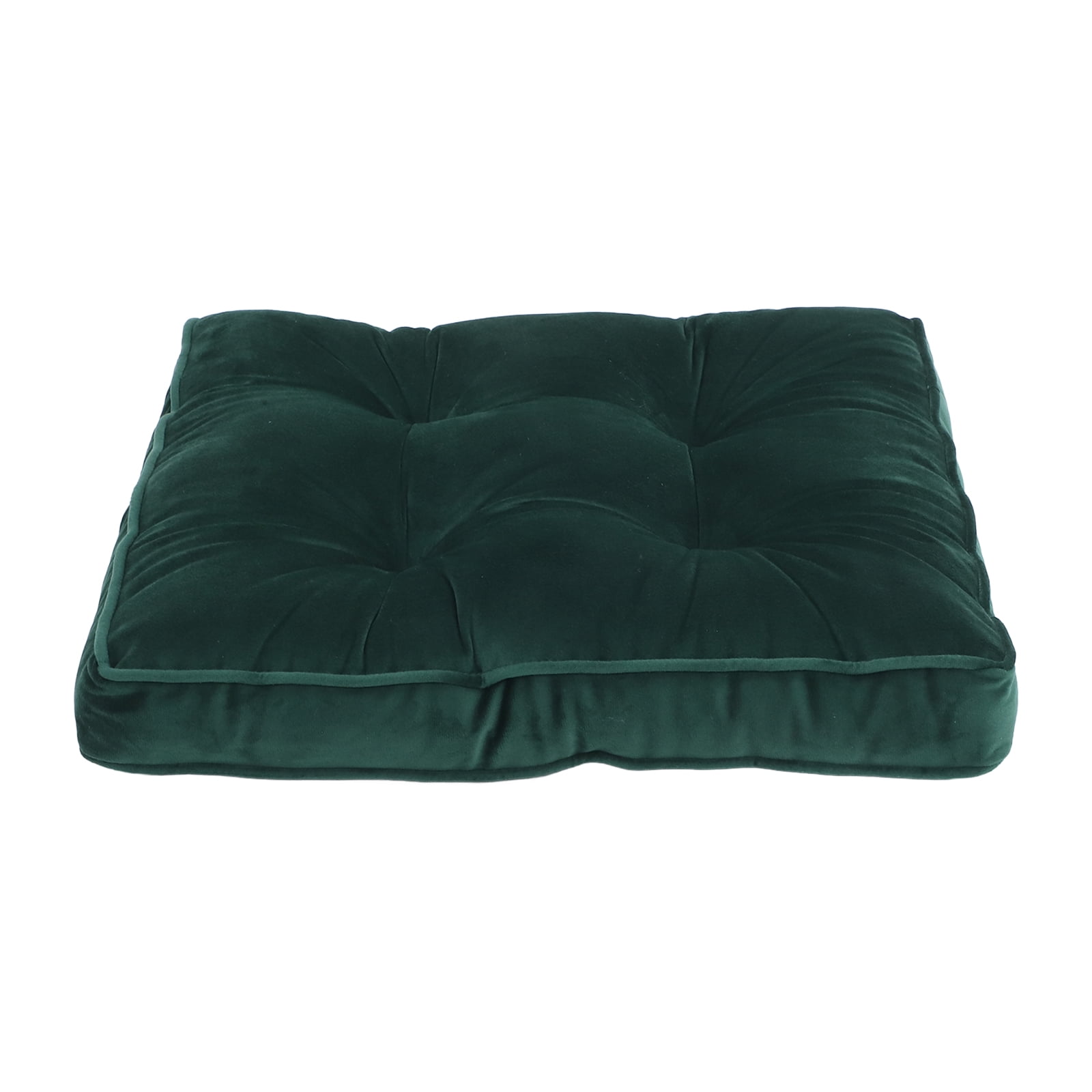
Waterfall seat edges or padded seats prevent pressure on thighs, keeping legs active.
Increased Daily Energy
Less physical strain means less fatigue, translating to higher productivity.
Long-Term Spinal Health
Consistent lumbar support reduces risk of chronic back conditions.
Step-by-Step Guide: How to Pick Your Ideal Affordable Ergonomic Chair
1. Measure Your Workspace
Check desk height (standard 28–30 inches) and clearance. Your chair’s seat height range should allow elbows at 90 degrees when typing.
2. Know Your Body Dimensions
If you're over 6 feet tall, prioritize chairs with a higher backrest (22+ inches) and adjustable headrests. For petite frames, seat depth adjustability is crucial.
3. Define Your Sitting Style
Do you lean forward, recline, or sit upright? Multi-lock tilt mechanisms allow you to lock in your preferred angle—a feature often found in the $150+ range.
4. Test (or Simulate) Comfort
If buying online, check return policies. Look for chairs with at least 30-day returns. Focus on seat foam density (high density = longer lasting).
5. Compare Warranties & Support
Even affordable chairs from reputable brands often offer 3–5 year limited warranties. This protects your investment.
Real-World Scenarios: Which Chair Fits Your Life?
- For the 9-to-5 Remote Worker: Look for a mesh-back chair with adjustable lumbar, padded seat, and 4-inch height range. Budget: $150–$250.
- For the Part-Time Home Office: A mid-back fabric chair with fixed arms can offer surprising comfort at $100–$150.
- For Students & Freelancers: Compact, armless ergonomic chairs save space and money (often under $120) without sacrificing posture support.
- For Big & Tall Individuals: Seek "heavy-duty" affordable options with reinforced frames and higher weight capacities (350+ lbs) — often priced $200–$300.
🔍 Pro Insight: Many affordable chairs now incorporate "active sitting" mechanisms that allow subtle movement, engaging core muscles and reducing stiffness. This feature was once reserved for $1,000+ chairs.