
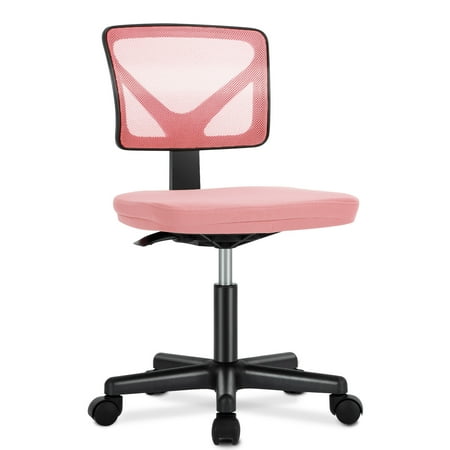
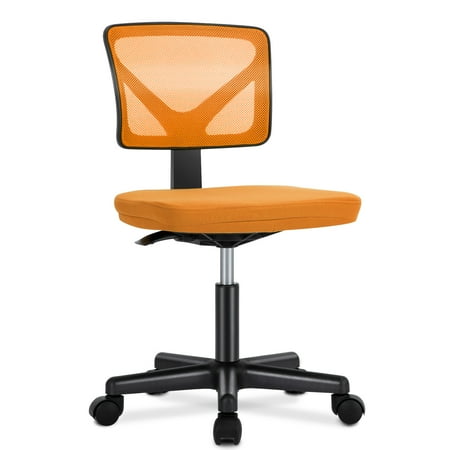
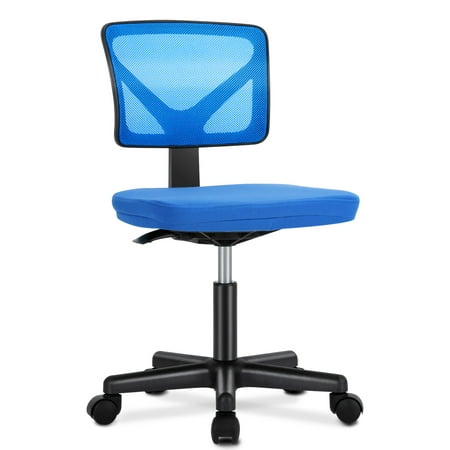
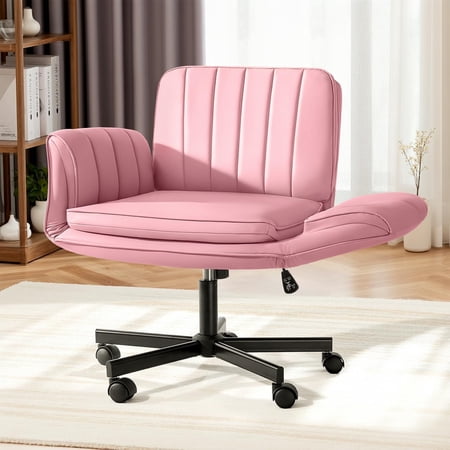
Why Mobility and Comfort Are Non-Negotiable for Modern Professionals
Imagine an office chair that not only hugs your curves with plush foam but also moves with you as effortlessly as a shadow. A comfortable office chair with wheels isn't just a piece of furniture—it's your productivity partner. From switching between monitors to joining an impromptu team discussion, wheeled chairs eliminate friction, literally and figuratively.
Ergonomic Insight: Studies show that alternating sitting postures and moving frequently during work hours can reduce lower back discomfort by 35–40%. A wheeled base encourages natural micro-movements, keeping your joints active and your circulation healthy.
Core Components That Define Rolling Comfort
A truly comfortable wheeled chair is more than just soft padding. It's an ecosystem of ergonomics, material science, and engineering. Below are the pillars of superior rolling comfort:
- Dual-Caster Fluidity: High-quality polyurethane or rubber casters that glide silently over carpets, hardwood, or tile, reducing resistance and noise.
- Dynamic Lumbar & Contour Foam: Memory foam or high-resilience foam that adapts to your body shape while maintaining structural integrity for years.
- Seat Depth & Tilt Mechanism: Allows you to shift pressure points and recline for restorative moments without leaving the chair.
- 4D Armrests: Height, width, pivot, and depth adjustments to support elbows and shoulders during long typing sessions.
- Breathable Upholstery: Whether premium mesh or perforated leather, airflow prevents heat buildup, keeping you fresh throughout the day.
Selecting the Perfect Rolling Chair: A Data-Driven Approach
Choosing the ideal wheeled office chair involves balancing your physical dimensions, work style, and floor type. Here’s a systematic framework:
| Selection Factor | Why It Matters | What to Look For |
|---|---|---|
| Seat Pan Width & Depth | Prevents pressure on thighs and accommodates different hip sizes | Depth: 17–21 inches adjustable; width: 19–24 inches for optimal comfort |
| Caster Type & Floor Compatibility | Protects floors, ensures smooth gliding, and enhances stability | Soft PU casters for hard floors; dual-wheel carpet casters for rugs |
| Backrest Height & Lumbar Adjustment | Supports entire spine, especially crucial for tall users | High-back with built-in adjustable lumbar; minimum 20-inch back height |
| Weight Capacity & Base Material | Ensures durability and safety for daily use | Steel or aluminum base rated 300 lb+, commercial gas lift class 4 |
| Tilt Tension & Locking Positions | Allows personalized recline resistance and posture breaks | Multi-angle lock, adjustable tension knob for reclining freedom |
Upholstery & Aesthetics: Matching Personality with Performance
The material of your wheeled chair affects breathability, tactile comfort, and maintenance. Each type offers distinct advantages for the modern worker:
✔️ Breathable Mesh
- Maximum airflow, ideal for warmer climates
- Contoured support that flexes with movement
- Lightweight and easy to clean
- Often combined with adjustable lumbar tension
✔️ Premium Fabric / Velvet
- Soft, cozy texture; wide color variety
- Excellent for colder environments
- Stain-resistant treatments available
- Often more affordable than leather while stylish
✔️ Genuine Leather & Leatherette
- Classic executive aesthetic, easy wipe-down
- Long-lasting with proper conditioning
- Dense foam padding stays supportive
- Conveys sophistication and authority
Health Benefits of an Agile, Cushioned Workstation
Combining ergonomic support with free movement unlocks measurable wellness improvements. Here’s how a wheeled comfortable chair impacts your well-being:
Reduced Muscular Tension
Dynamic sitting reduces static loading on spinal discs and hip flexors, mitigating chronic stiffness.
Enhanced Workflow Efficiency
Glide between desk zones, printers, or collaborative spaces without interrupting focus.
Lower Risk of Sciatica & Postural Fatigue
Seat depth and adjustable lumbar keep pelvis neutral, reducing nerve compression.
Better Blood Circulation
Waterfall seat edges and breathable materials prevent pooling and numbness.
Step-by-Step: How to Test a Rolling Office Chair for True Comfort
Step 1: Simulate Your Daily Routine
Sit for at least 15 minutes. Mimic typing, leaning back, and swiveling. Feel for any pressure points, especially under thighs and tailbone.
Step 2: Evaluate Caster Performance on Your Flooring
Roll across the surface you use most. Listen for noise, check smoothness, and ensure the chair stops securely when locked (if equipped).
Step 3: Adjust Every Ergonomic Feature
Test armrest adjustments, seat slider, tilt tension, and lumbar depth. The chair should adapt to your body — not the other way around.
Step 4: Assess Build Quality & Warranty
Look for reinforced metal base, 5-star caster design, and at least 5-year warranty on mechanics. Commercial-grade chairs often outlast residential models.