
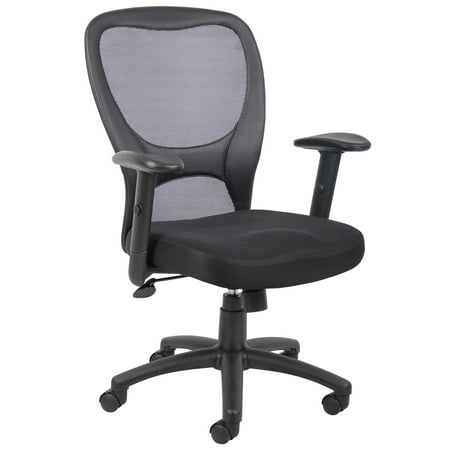
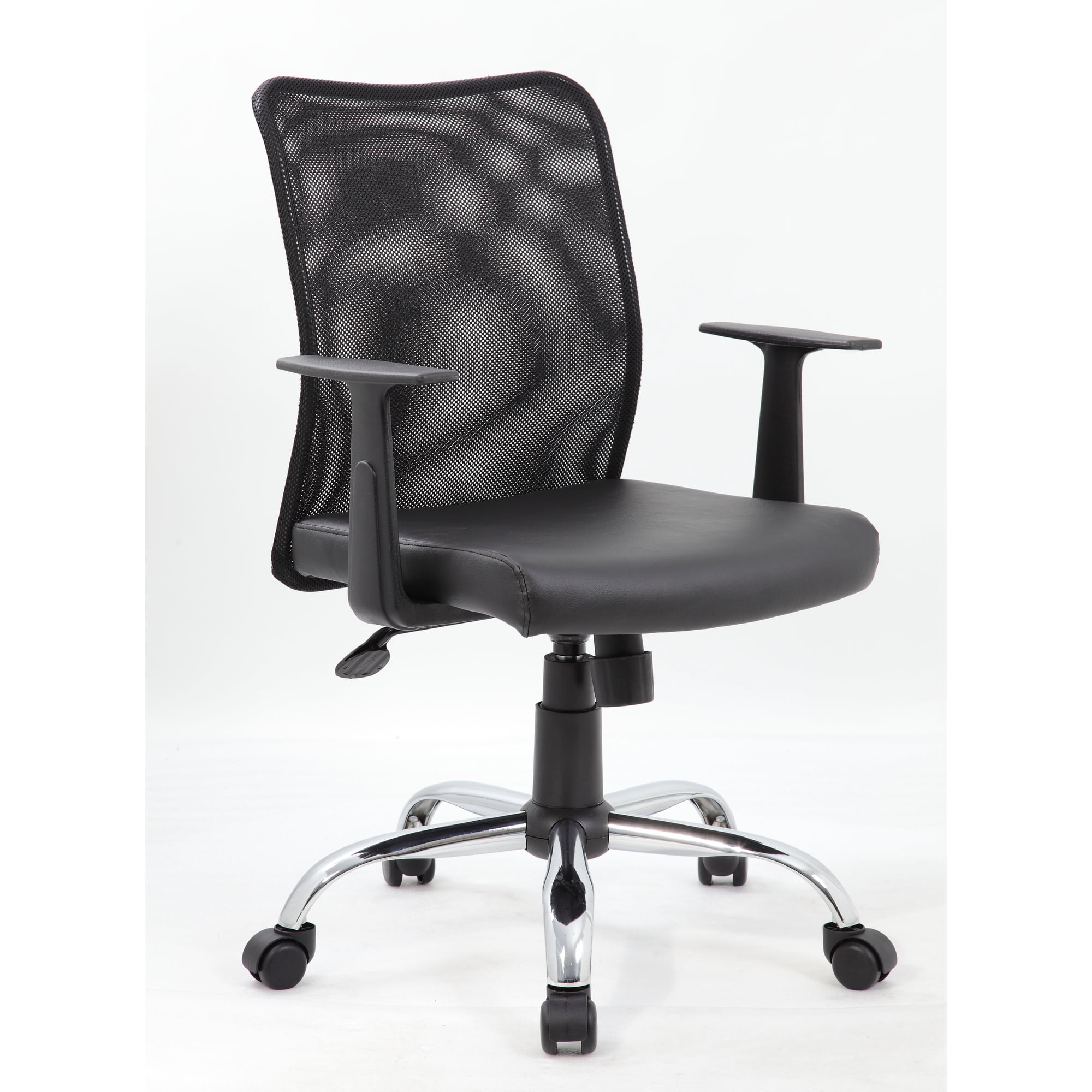
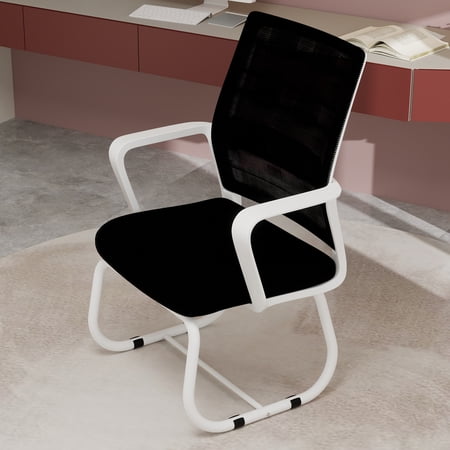
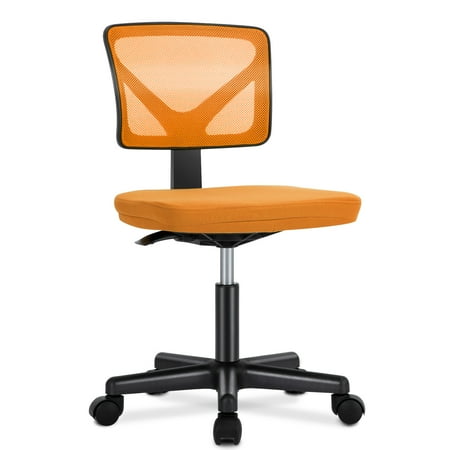
Why “Comfortable” and “Budget” Can Coexist in an Office Chair
For many professionals, the assumption is that comfort comes at a high cost. However, the landscape of office seating has evolved dramatically. Today, a comfortable budget office chair is not an oxymoron but a well-defined category that balances ergonomic design, material quality, and affordability. Whether you’re setting up a home office, outfitting a startup, or simply replacing an old, worn-out seat, you can achieve all-day comfort without exceeding your budget.
Smart Shopping Insight: According to home office surveys, nearly 68% of remote workers prioritize comfort, but 72% also consider price a deciding factor. The market has responded with chairs under $250 that offer features previously reserved for $500+ models. The key is knowing which features matter and where manufacturers deliver genuine value.
What Defines a “Budget” Chair That’s Actually Comfortable?
Not all affordable chairs are created equal. A truly comfortable budget office chair must meet three pillars: ergonomic support, material durability, and adjustability. Here’s a breakdown of what to look for:
- Contoured Backrest: A curved or S-shaped backrest mimics the natural spine alignment, providing passive lumbar support without complex mechanisms.
- High-Density Foam Seat: Avoid chairs with low-density foam that flattens quickly. Look for seat foam rated for 4-6 hours of continuous use.
- Breathable Material: Mesh backs are ideal for budget chairs because they provide airflow and resist sagging. Fabric seats are comfortable but ensure they are stain-resistant.
- Essential Adjustments: Height adjustment (pneumatic), tilt tension, and sometimes seat depth make a world of difference for posture and circulation.
- Sturdy Base & Casters: A five-point nylon base with smooth-rolling casters ensures stability and ease of movement on various floor types.
Where Budget Chairs Save — Without Sacrificing Comfort
Manufacturers reduce costs in areas that don’t heavily impact ergonomics: non-branded gas lifts, simpler armrest designs (often 1D or fixed), and fewer overall adjustment points. But smart engineering ensures that the back support, seat cushion, and posture alignment remain excellent. Many budget chairs now use synchronized tilt mechanisms where the seat and back move together — a feature once exclusive to high-end brands.
Key Features to Prioritize When Shopping
When evaluating chairs in the budget segment, focus on these critical aspects. Use the table below as a quick reference guide:
| Feature | Why It Matters | What to Look For (Budget-Friendly) |
|---|---|---|
| Lumbar Support | Prevents slouching and lower back strain during long hours | Built-in contoured backrest or adjustable lumbar knob (even basic sliding lumbar works) |
| Seat Foam Density | Determines how long the seat stays comfortable before bottoming out | Molded foam with density of 2.5-3.5 lb/cu ft; avoid soft, low-rebound foam |
| Backrest Material | Affects breathability and long-term durability | Mesh back (best airflow) or breathable fabric; avoid all-leather in budget range |
| Weight Capacity | Indicator of overall frame strength and gas lift quality | Minimum 250 lbs; 275-300 lbs recommended for lasting durability |
| Tilt Mechanism | Allows dynamic sitting and reduces pressure on spine | Lockable tilt with tension control; multi-angle lock is a bonus |
| Armrests | Support shoulders and reduce neck strain | Height-adjustable arms are best; fixed padded arms are acceptable for lower budgets |
The True Cost of an Ultra-Cheap Chair (And Why It's False Economy)
While searching for a comfortable budget office chair, you might be tempted by chairs priced under $70. However, these often come with hidden costs: poor lumbar support leads to back pain, gas lift failures, peeling "leather" after 6 months, and non-standard parts that can’t be replaced. Investing in the $120–$220 range typically gives you a chair that lasts 3–5 years with proper care — translating to pennies per day for genuine comfort and health protection.
Material Choices That Balance Comfort and Affordability
Different materials suit different needs. Here’s a quick comparison to help you choose:
Mesh Back + Fabric Seat
Best for: All-day use, warm climates, airflow lovers.
Pros: Excellent breathability, lightweight, typically easy to clean.
Cons: Mesh may sag over years, less formal appearance.
Full Fabric Upholstery
Best for: Plush comfort, cooler environments, home offices.
Pros: Soft feel, variety of colors, good padding.
Cons: Can trap heat, may stain if spills aren’t treated quickly.
PU Leather / Faux Leather
Best for: Easy cleaning, executive style on budget.
Pros: Wipes clean easily, looks professional.
Cons: Can crack or peel after 1-2 years, less breathable.
Ergonomics on a Budget: Small Adjustments, Big Impact
A truly comfortable budget office chair doesn’t require a dozen levers. Even with basic adjustments, you can achieve good posture. Start by setting seat height so your thighs are parallel to the floor and feet flat. If the chair has tilt lock, set a slight recline to reduce pressure on the lower back. Use a small cushion if lumbar support is minimal — many budget chairs have contours that work well with simple add-ons. The goal is to maintain natural spinal curvature and keep your shoulders relaxed.
Ergonomics Fact: Studies show that even a basic ergonomic chair can reduce reported back discomfort by up to 38% compared to standard dining chairs or cheap stools. The combination of height adjustability and a contoured backrest makes the biggest difference, both of which are standard in most budget office chairs today.