
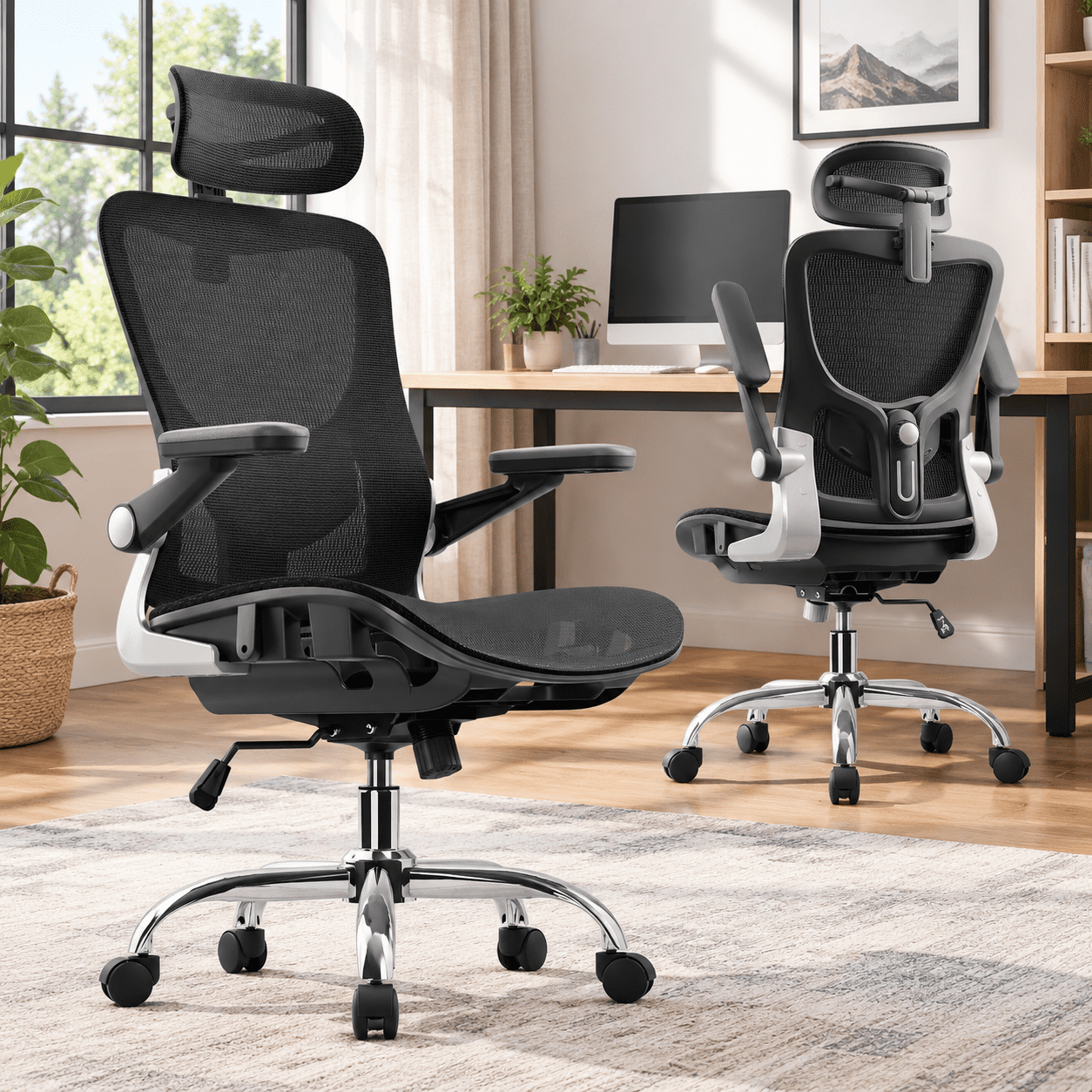
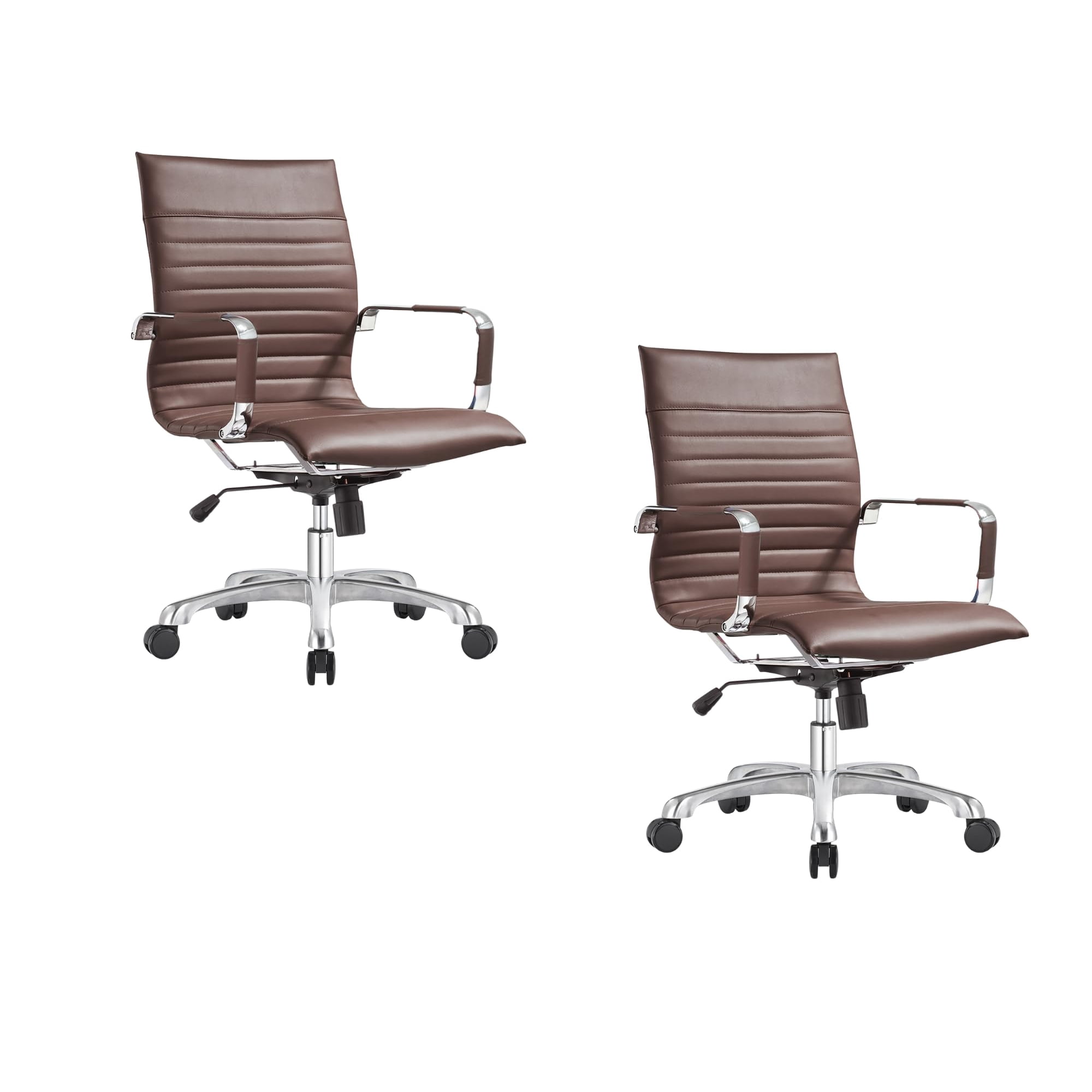
The Connection Between Your Chair and Your Spine
Imagine your spine as a column of 24 vertebrae, each one relying on the other for support. For the millions of us who spend our workdays seated, that column is under constant, uneven pressure. A standard office chair is often like a poorly fitted shoe—it might look fine, but over time, it causes discomfort and long-term damage. This is where the concept of a chiropractic office chair comes into play. It's not a medical device, but a thoughtfully engineered tool designed to work in harmony with your body's natural structure, much like a chiropractor works to align and balance your frame.
Did you know? The average office worker sits for about 6.5 to 8 hours a day. According to the American Chiropractic Association, back pain is one of the most common reasons for missed work and the single leading cause of disability worldwide. Choosing the right chair is a powerful step in mitigating these risks.
This guide will walk you through the essential elements of a spine-friendly chair, helping you make an informed decision that supports not just your work, but your long-term well-being. We'll move beyond simple comfort to explore the biomechanics of healthy sitting.
Core Principles of a Chiropractic-Friendly Chair
A chair that supports chiropractic principles goes beyond basic padding. It's built on a foundation of adjustability and support that adapts to your unique anatomy. Think of it as a "posture system" rather than just a place to sit.
1. The Foundation: Adjustable Lumbar Support
This is the non-negotiable feature. The lower back (lumbar spine) has a natural inward curve. When this curve flattens from slouching, it strains the discs, ligaments, and muscles.
- Height-Adjustable Lumbar: Everyone's spine is a different length. The support must hit the right spot—the curve of your lower back, not your mid-back or pelvis. This is the first step in re-establishing a healthy sitting posture.
- Depth-Adjustable Lumbar: The amount of curve support you need varies. Some chairs offer an air bladder or a mechanism to push the lumbar support forward or let it recede. This fine-tuning is what separates a good chair from a therapeutic one.
- Why it matters: Proper lumbar support reduces pressure on your intervertebral discs by up to 40%, according to ergonomic studies. It's like having a supportive hand at your back, preventing the slump that leads to "office chair posture."
2. Dynamic Movement: The Recline and Tilt Mechanism
Static sitting is the enemy. Our bodies are designed for movement. A chiropractic chair encourages micro-movements throughout the day.
- Synchronized Recline: This mechanism allows the backrest and seat to move in a coordinated, natural ratio (often 2:1 or 3:1). As you lean back, the seat tilts slightly upward, keeping you supported and preventing you from sliding forward. It promotes an "open" hip angle, which can reduce lower back compression.
- Adjustable Tilt Tension: You should be able to adjust how much force is needed to recline. This should be tuned to your body weight, allowing you to move freely without feeling like you're fighting the chair.
- Seat Edge (Waterfall) Design: A "waterfall" front edge curves gently downward. This prevents pressure on the back of your thighs, which can impede blood circulation and cause discomfort or numbness. It's a small detail with a big impact.
3. The Perfect Fit: Seat Depth and Armrests
A chair that doesn't fit your body is like a bicycle that's the wrong size—it will cause strain.
- Adjustable Seat Depth: This is a critical, often overlooked feature. When you sit back against the lumbar support, there should be a gap of about two to three finger widths between the back of your knee and the seat pan. If the seat is too long, it will press into your calves; too short, and your thighs aren't fully supported. Adjustable depth ensures proper weight distribution.
- 4D Adjustable Armrests: Your arms should rest lightly, with your shoulders relaxed and elbows at a 90-degree angle. Armrests that adjust in height, width, depth, and pivot allow you to achieve this. This prevents shoulder shrugging and upper back tension, a common complaint among desk workers.
Material Matters: Support and Breathability
High-Performance Mesh
- Breathability: Keeps you cool, reducing fatigue and sweating.
- Dynamic Conforming: High-quality mesh stretches slightly, conforming to the unique shape of your back and providing consistent, even support across the entire backrest.
- Durability: Modern mesh is incredibly resilient and resists sagging.
Premium Foam & Leather/Fabric
- Pressure Distribution: High-density foam cushions the sit bones (ischial tuberosities) effectively.
- Comfort: Offers a more "luxurious" feel. Look for chairs with a thinner foam layer over a supportive base to avoid the "hammock effect" which can misalign hips.
- Aesthetics: Often preferred in professional settings for a classic look.
How to "Test Drive" a Chair for Your Back
Before you commit, whether in a store or by ensuring a good return policy, perform this simple 5-minute test:
- The 90-90-90 Rule: Adjust the seat height so your feet are flat on the floor, knees at a 90-degree angle, and hips at a 90-degree angle (or slightly open).
- Lumbar Check: Sit upright and adjust the lumbar support. You should feel it gently pressing into the curve of your lower back, not your backside.
- The Fist Test: Try to slide your fist behind your lower back and the chair. It should be snug. If there's too much space, the lumbar support isn't doing its job. If it's too tight, the support is too aggressive.
- Seat Depth Check: Slide forward until your back is no longer touching the backrest. Measure the distance from the back of your knee to the seat edge. Now sit back properly. The gap should be 2-3 fingers wide.
- Recline and Move: Adjust the tilt tension and recline. Does it feel fluid? Can you lock it in a slight recline (100-110 degrees) for working? Move around; the chair should move with you without feeling wobbly.
Frequently Asked Questions About Chiropractic Office Chairs
Investing in Your Most Valuable Asset: Your Health
Choosing an office chair should never be an afterthought. It's a decision that echoes through every aspect of your work life and personal well-being. By understanding the principles of a chiropractic-friendly chair—adjustable lumbar support, dynamic movement, and proper fit—you are taking a proactive step toward a healthier, more productive, and pain-free career. Remember, the best chair is the one that fits *your* body and encourages *you* to move. Consider it not an expense, but an investment in your most valuable asset: your long-term health.
Final Thought: Pair your new chair with good habits. Stand up and stretch every 30-45 minutes. A chair supports good posture, but only you can practice it. Your spine will thank you for decades to come.