
Why Choose a Racing Seat Office Chair? More Than Just a Bold Look
At first glance, a racing seat office chair catches your eye with its bold lines and sporty silhouette. But beneath the aggressive styling lies a design philosophy rooted in practical ergonomics. Much like a racing bucket holds a driver firmly in place during high-speed turns, the contoured shape of these chairs provides a stable and supportive base for long, focused work sessions. It’s not just about aesthetics; it's about creating a cockpit for productivity.
Did you know? A study on seated posture found that chairs with lateral support (side bolsters) can reduce unconscious muscle fatigue by up to 30%, as your body spends less energy stabilizing itself. The wraparound design of a racing chair acts like a gentle guide, keeping your posture aligned.
The Anatomy of a Racing-Style Office Chair
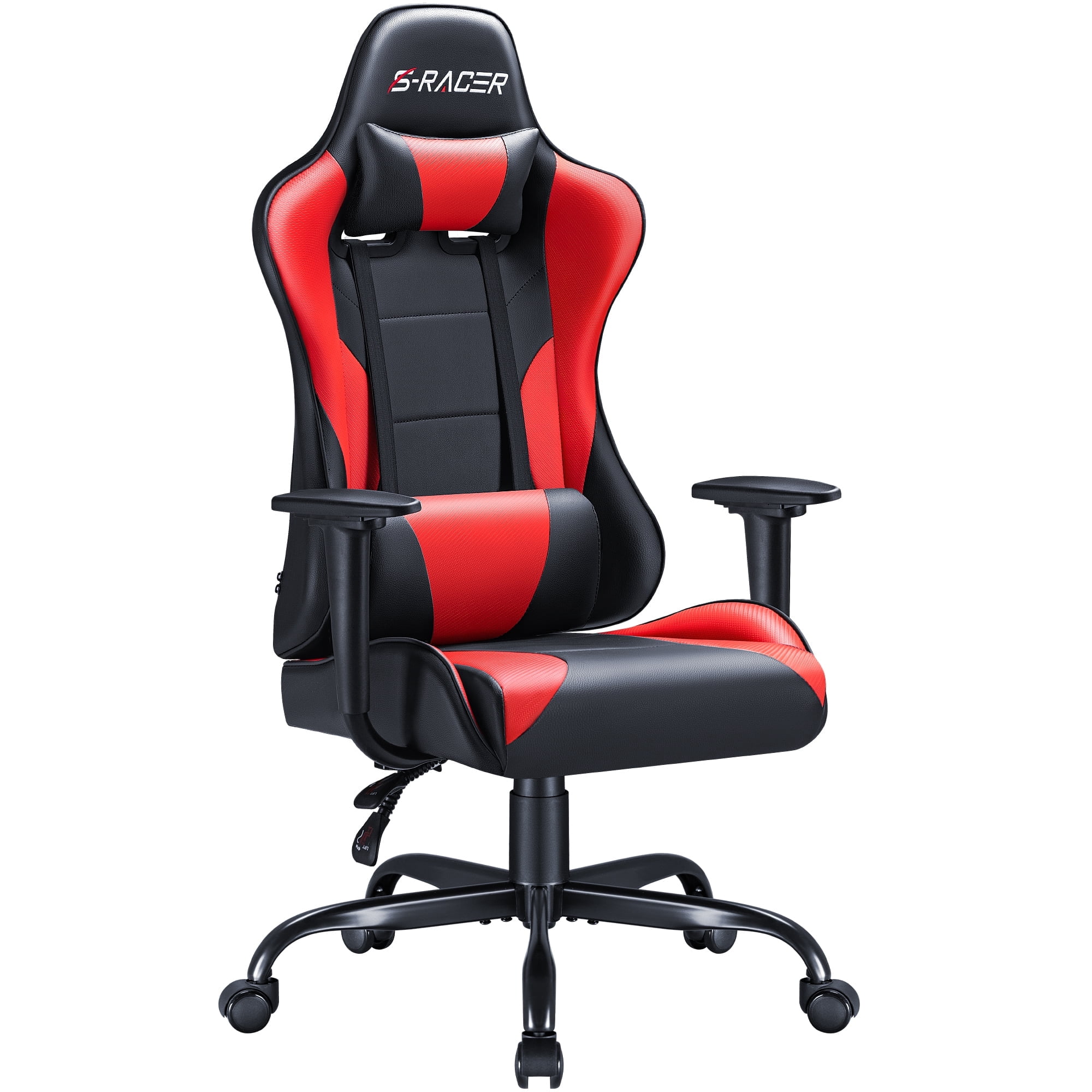
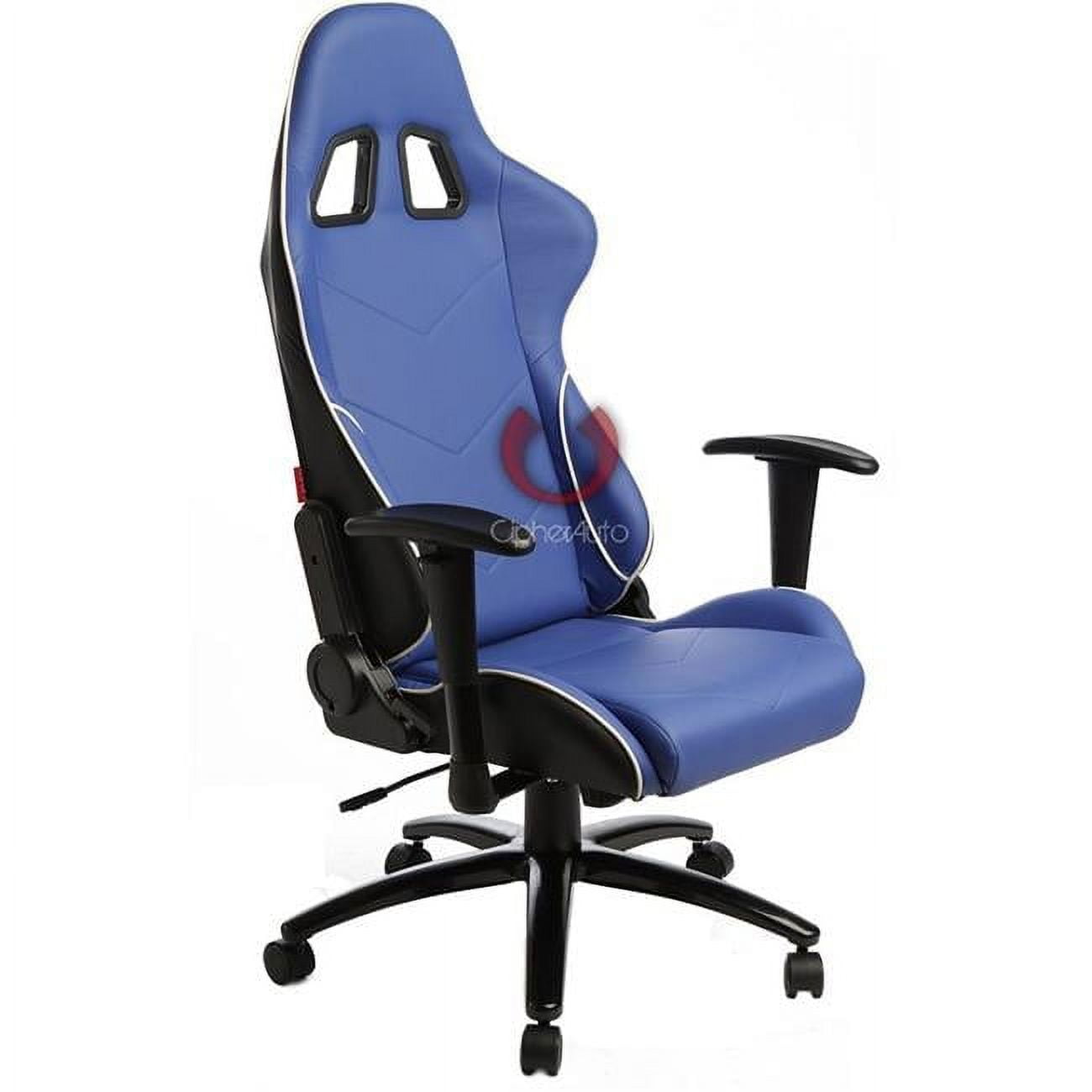
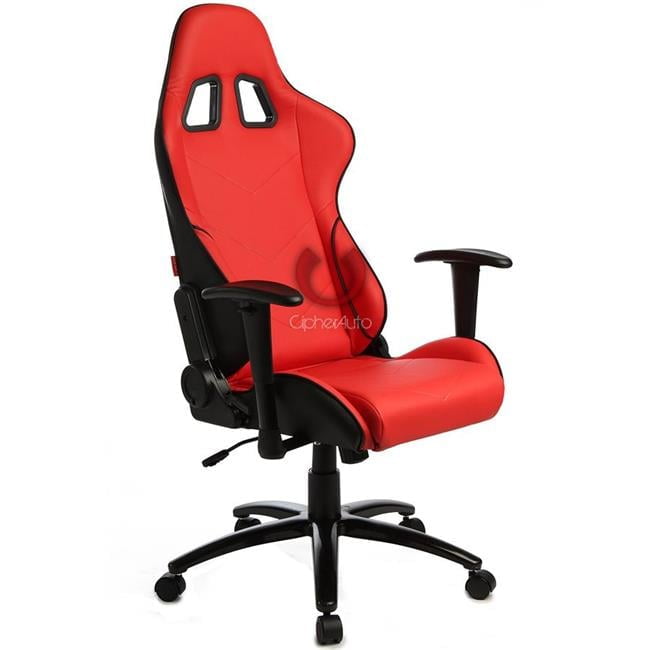
Understanding the key components helps you choose a chair that's both comfortable and durable. These aren't standard office chairs with a paint job; they are engineered with specific features:
- Integrated Headrest and High Back: Unlike traditional office chairs that stop at shoulder level, racing chairs extend to support your head and neck. This is crucial for moments when you lean back to think or take a brief respite.
- Pronounced Side Bolsters: The raised edges on the seat cushion and backrest are designed to hug your body. This creates a sense of enclosure and prevents slouching to the side, promoting a neutral spine position.
- Cold-Cured Foam: Most quality racing chairs use high-density foam that is "cold-cured" (formed at room temperature). This results in a cushion that is firm enough to provide support but resilient enough to resist sagging over years of use.
- Multi-Functional Tilt Mechanism: You'll often find a robust tilt mechanism that allows you to rock, recline, and lock the chair in multiple positions. Some models even offer a "butterfly" or "cross-shaped" mechanism for added stability.
- 2D or 4D Armrests: To complement the snug seat, armrests are highly adjustable—moving up/down, left/right, forward/backward, and even pivoting—so you can find the perfect position for typing and resting.
Material Matters: Breathability vs. Plush Comfort
Racing chairs typically come in two main upholstery families: PU leather (vegan leather) and fabric/mesh hybrids. Your choice depends on your work environment and personal comfort preference.
🛡️ PU Leather Racing Chairs
- Look: Sleek, sporty, and professional. Easy to wipe clean.
- Feel: Plush and supportive. Can retain heat, so ideal for air-conditioned spaces.
- Maintenance: Wipe with a damp cloth. Avoid direct sunlight to prevent cracking.
🌬️ Fabric / Mesh Racing Chairs
- Look: More casual and breathable. Often features color accents.
- Feel: Cooler for long hours. The mesh back adapts to your spine.
- Maintenance: Vacuum occasionally. Some have removable covers.
5 Reasons to Switch to a Racing Seat for Your Home Office
- Enhanced Focus Zone: The bucket design creates a physical boundary that mentally signals "work mode." It’s like a cockpit for deep work.
- Superior Lumbar Support: Most racing chairs come with a separate lumbar pillow that can be adjusted up/down and in/out, offering customizable lower back support that many standard chairs lack.
- Durability for Daily Use: Built with heavy-duty bases and gas lifts (often Class 3 or 4), they withstand the wear and tear of 8+ hour workdays.
- Recline for Relaxation: Need a power nap or a moment to think? Many racing chairs recline nearly flat (up to 180°), a feature rarely found in traditional office seating.
- Statement Piece: Whether you're a gamer, a designer, or just someone who appreciates clean lines, a racing chair adds a dynamic, modern element to any room.
Setting Up Your Racing Chair for Optimal Comfort
To get the most out of your racing seat, follow this simple 3-step setup:
- Step 1: Seat Height – Adjust so your feet are flat on the floor, with thighs parallel to the ground. Your knees should be at a 90-degree angle.
- Step 2: Lumbar Position – Place the lumbar pillow so it fits snugly into the curve of your lower back. It should fill the gap, not push you forward.
- Step 3: Armrest Alignment – Adjust armrests so your shoulders are relaxed, and your elbows form a 90-degree angle when typing. They should lightly support your forearms.
Racing Seat vs. Traditional Executive Chair: A Quick Comparison
While executive chairs focus on plush leather and a wide, commanding presence, racing chairs prioritize ergonomic containment and adjustability. If you often shift positions, lean forward while working, or prefer a more engaged seating posture, a racing chair might be your ideal match. The high back of a racing chair also offers better neck support than many mid-back executive models. On the other hand, if you prefer a very soft, "sink-in" feel, a traditional padded executive chair could be more suitable.
Who Benefits Most from a Racing Seat Office Chair?
This style is particularly popular among:
- Programmers and Developers: Long hours of coding require sustained posture; the bolsters help maintain position.
- Graphic Designers and Video Editors: The recline feature is great for leaning back to review work.
- Remote Professionals: Creates a distinct, comfortable workspace at home.
- Gamers (who also work from the same desk): A natural crossover chair that suits both play and work.
Ultimately, a racing seat office chair is an investment in your daily comfort. By choosing a model with the right materials and adjustments, you can transform your workspace into a hub of productivity and style.
Frequently Asked Questions About Racing Seat Office Chairs
Conclusion: Is a Racing Seat Office Chair Right for You?
If you're seeking a chair that offers a unique blend of sporty aesthetics, robust support, and ergonomic adjustability, a racing seat office chair is a fantastic choice. It moves beyond the ordinary, providing a dedicated workspace that encourages focus and good posture. By considering the materials, adjustability features, and your own daily habits, you can select a racing chair that will serve you well for years, turning your desk into a true command center.