
Why a Properly Fitted Ergonomic Chair is Non-Negotiable for Larger Builds
For individuals over 6 feet tall or weighing over 250 pounds, a standard office chair is often a source of chronic discomfort rather than a tool for productivity. Sinking seat cushions, armrests that dig into your sides, and inadequate back support aren't just minor annoyances; they can lead to significant musculoskeletal issues over time. Investing in a big tall ergonomic office chair is an investment in your long-term health and daily focus.
Key Insight: Studies in occupational ergonomics show that employees using chairs that are correctly sized for their body frame report 58% less back and shoulder pain compared to those using improperly sized seating. A chair that fits prevents micro-adjustments and constant fidgeting, allowing for deeper concentration.
Critical Features for Heavy-Duty Ergonomic Chairs
A chair designed for a larger frame goes beyond just being bigger. It incorporates engineering principles to provide stability, support, and longevity. Here are the features that define a high-quality model:
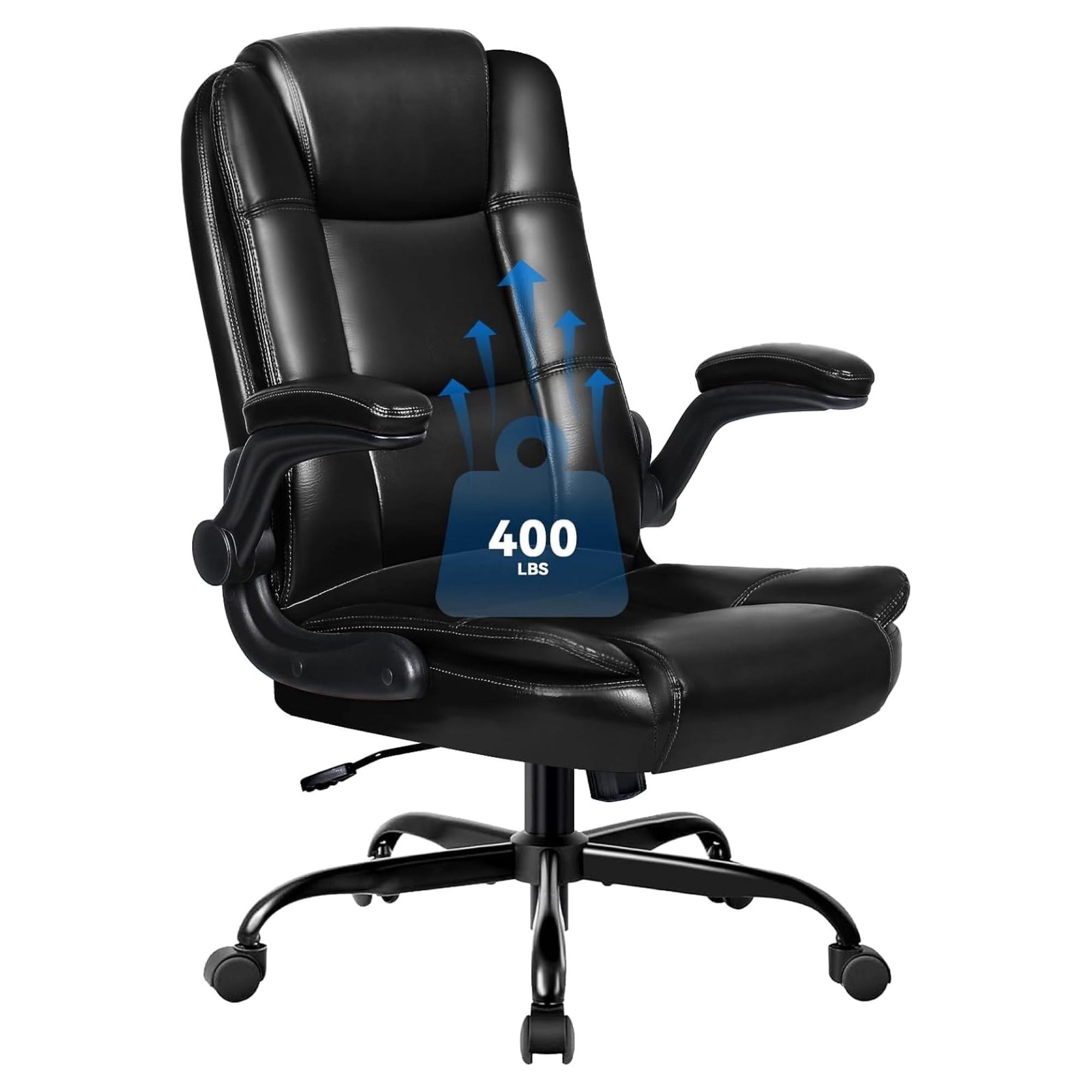
- Reinforced Steel Frame & Base: Unlike standard chairs that use plastic or thinner metal, heavy-duty models utilize a steel frame throughout and a 5-point steel base to prevent tipping and support greater weight without flexing.
- Class 4 Gas Lift Cylinder: This is the heart of a heavy-duty chair. A Class 4 cylinder is specifically rated for high-cycle usage and higher weight capacities (typically 350+ lbs), ensuring smooth height adjustment for years without failing.
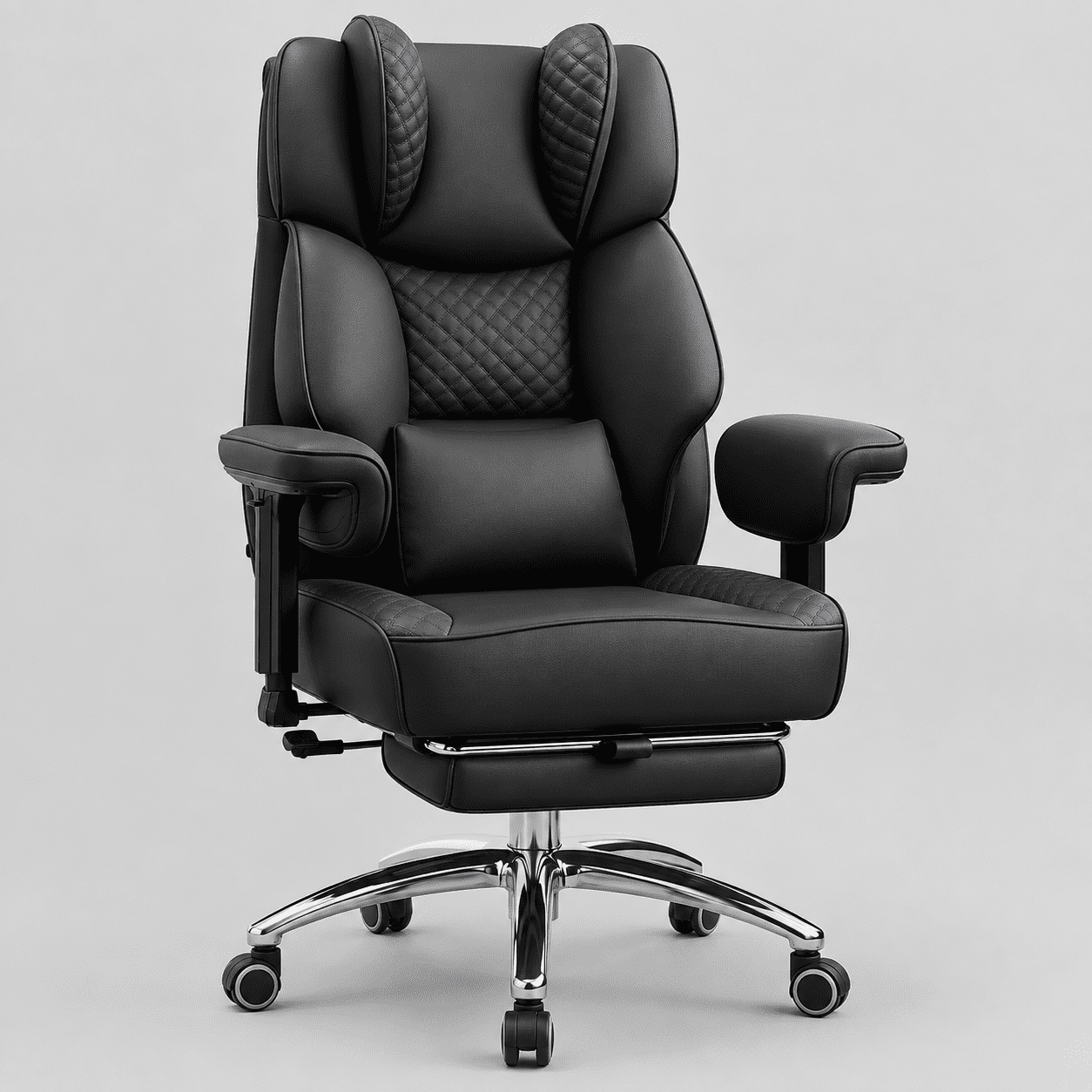
- Oversized Seat Pan (21+ inches wide): A wider seat provides ample room for comfortable sitting without feeling confined. Look for a seat depth adjustment to ensure your thighs are fully supported without pressing against the back of your knees.
- High-Density, Cold-Cured Foam: This type of foam resists compression and "bottoming out" over time. It maintains its shape and support for years, unlike cheaper foam that flattens within months.
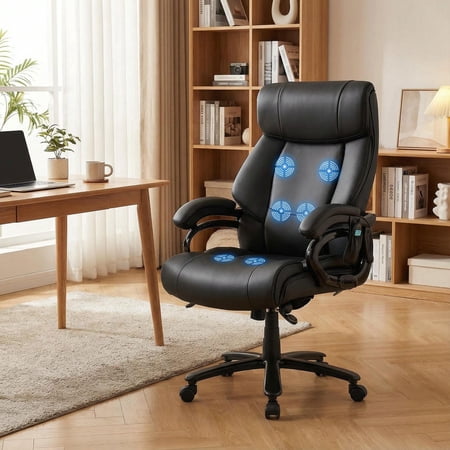
- Adjustable Lumbar Support: For taller individuals, the natural curve of the spine is higher. An adjustable lumbar support mechanism (height and depth) is essential to provide targeted support exactly where your lower back needs it most.
Navigating Your Purchase: A 3-Step Selection Process
Choosing the right chair can feel overwhelming, but by breaking it down into key focus areas, you can find the perfect match for your needs and budget.
Step 1: Prioritize Your "Core Structure"
Before looking at aesthetics, verify the chair's foundation. Check the manufacturer's stated weight capacity (aim for at least 350 lbs), the base material (steel is preferred), and the gas lift class (Class 4 is the standard for heavy-duty). These components determine the chair's safety and lifespan.
Step 2: Assess Dimensions for Your Body
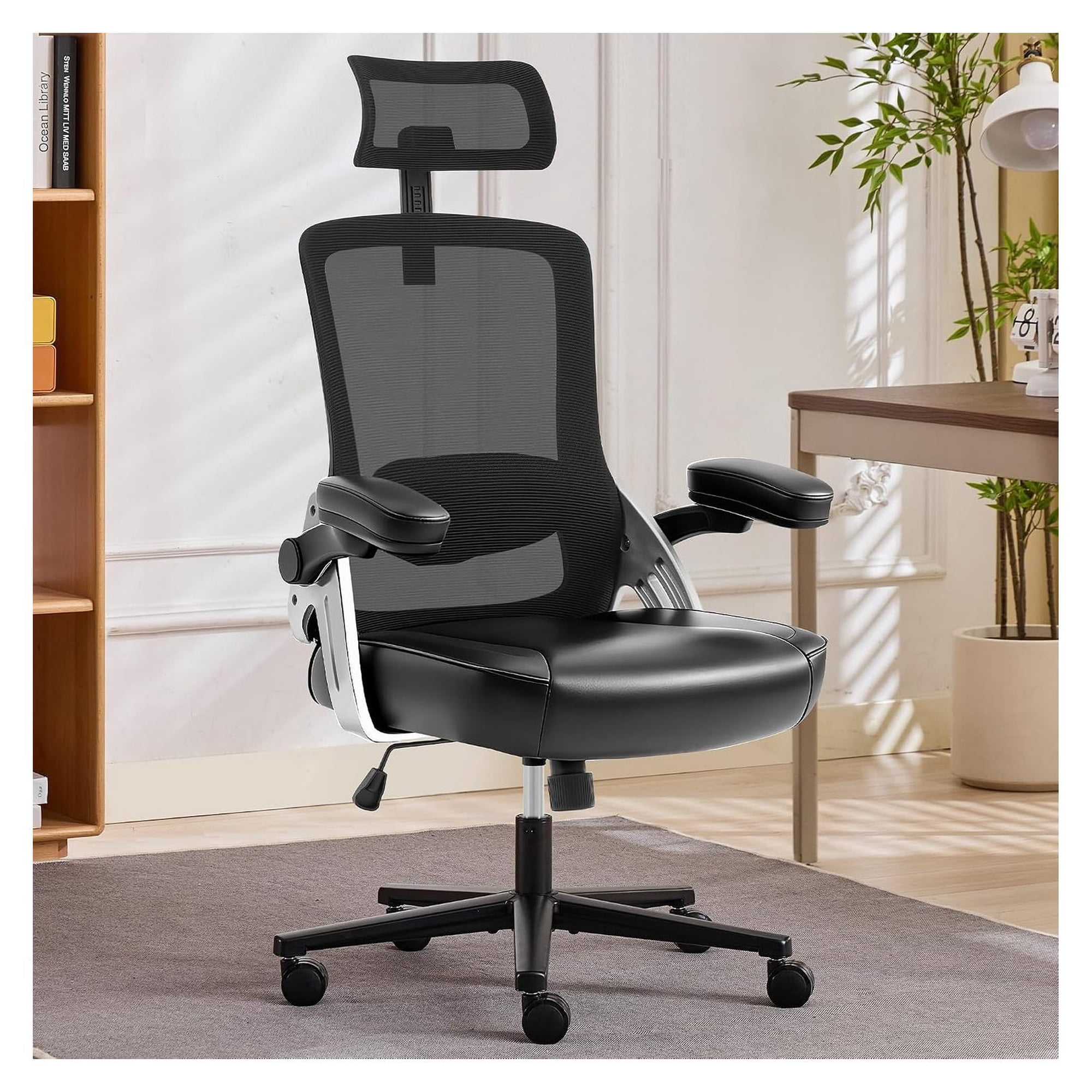
Focus on key measurements: Seat Width (look for 20-24 inches), Seat Depth (should adjust to leave 2-4 fingers gap behind knees), and Backrest Height (should support your entire back, including the shoulder blades). If you're over 6'2", ensure the chair has an adjustable headrest.
Step 3: Match Materials to Your Environment
Choose materials that align with your climate and maintenance preferences. Premium mesh is ideal for warmer offices as it provides breathability and support. Heavy-duty fabric or leather offers a classic, plush feel but may retain more heat. All materials should be easy to clean for longevity.
Material Selection for Big & Tall Chairs: Durability First
The materials used in a big and tall chair must withstand more stress. Here's how the primary options compare:
Reinforced Mesh
- Breathability: Exceptional airflow keeps you cool.
- Flexibility: Contours to movements without permanent stretching.
- Durability: High-quality commercial-grade mesh is tear-resistant.
- Maintenance: Easy to wipe down and resists stains.
Heavy-Duty Fabric / Leather
- Plush Comfort: Provides a traditional, luxurious seating experience.
- Noise: Quieter than mesh.
- Wear: Can show wear on high-contact areas over time.
- Temperature: Can be warmer in summer, cooler in winter.