
The Ultimate Guide to High Back Home Office Chairs
Imagine settling into your home office for a day of focused work. Your chair doesn't just hold you; it supports you, from the base of your spine to the tip of your shoulders. That's the promise of a high back home office chair. Unlike standard task chairs that cut off at mid-back, these chairs are engineered like a tailored suit for your entire torso, providing a level of comfort and spinal alignment that is essential for the modern, long-haul remote worker.
Did you know? A study in the journal "Ergonomics" found that workers using chairs with full back support reported a 27% decrease in upper back and shoulder discomfort compared to those using low-back chairs. Investing in a high back chair is an investment in your daily well-being.
1. The Architecture of Support: More Than Just Height
A high back chair is defined by its design philosophy: full-torso ergonomics. It's a common misconception that these chairs are simply taller versions of standard office seating. In reality, their structure is fundamentally different:
- Integrated Headrest: This isn't an add-on. A quality high back chair features a headrest that follows the natural curve of your cervical spine, reducing the load on neck muscles when you lean back to think or take a break.
- Extended Lumbar Curvature: The lumbar support in these chairs is more pronounced and vertically elongated, cradling the entire thoracic and lumbar region. This prevents the "hunch" that often develops from chairs that only support the lower back.
- Shoulder Blade Relief: The upper portion of the backrest is contoured to allow free movement of your shoulder blades, so you can type and move without feeling restricted, a feature often missing in cheaper, flat-backed chairs.
2. Key Adjustments: The "Dial-In" Factors
A static high back chair is useless. The magic lies in adjustability. Here’s what you must look for to tailor the chair to your unique body:
- 3D or 4D Adjustable Headrest: The best headrests move up/down, tilt angle, and sometimes forward/backward. This ensures the rest cradles the curve of your neck, not just the back of your skull.
- Independent Lumbar Depth: Beyond just height adjustment, look for lumbar support that you can push forward or let recede. This "depth" adjustment is critical for filling the gap in your lower back.
- Seat Depth (Slider): A waterfall-edge seat that slides forward and backward ensures your thighs are fully supported without pressure behind the knees, which is vital for circulation during 10-hour workdays.
- Backrest Tension Control: This allows you to adjust how much force is needed to recline. A tighter setting keeps you upright for typing; a looser setting allows for a gentle, ergonomic rock.
Without these adjustments, a high back chair is just a tall, uncomfortable throne. With them, it becomes a personal support system.
3. Material Science: Breathability vs. Comfort
Choosing the right material for your high back home office chair is like choosing the right fabric for a suit—it affects both function and form.
🕸️ High-End Mesh
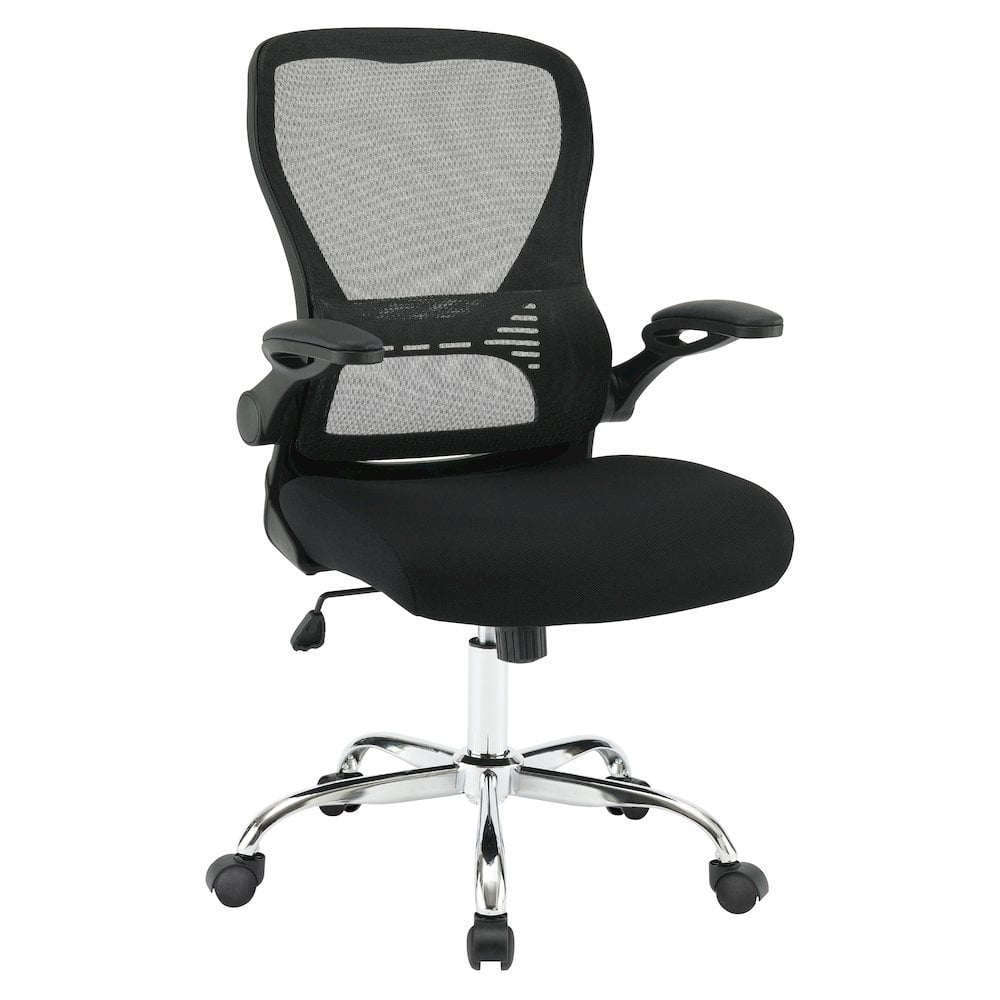
Mesh is the "air conditioning" of chair materials. It's ideal for home offices in warmer rooms or for people who run hot. Modern "hybrid" mesh chairs combine a breathable back with a plush, cushioned seat, offering the best of both worlds—cool back support with a comfortable, foam seat.
🛋️ Performance Fabric
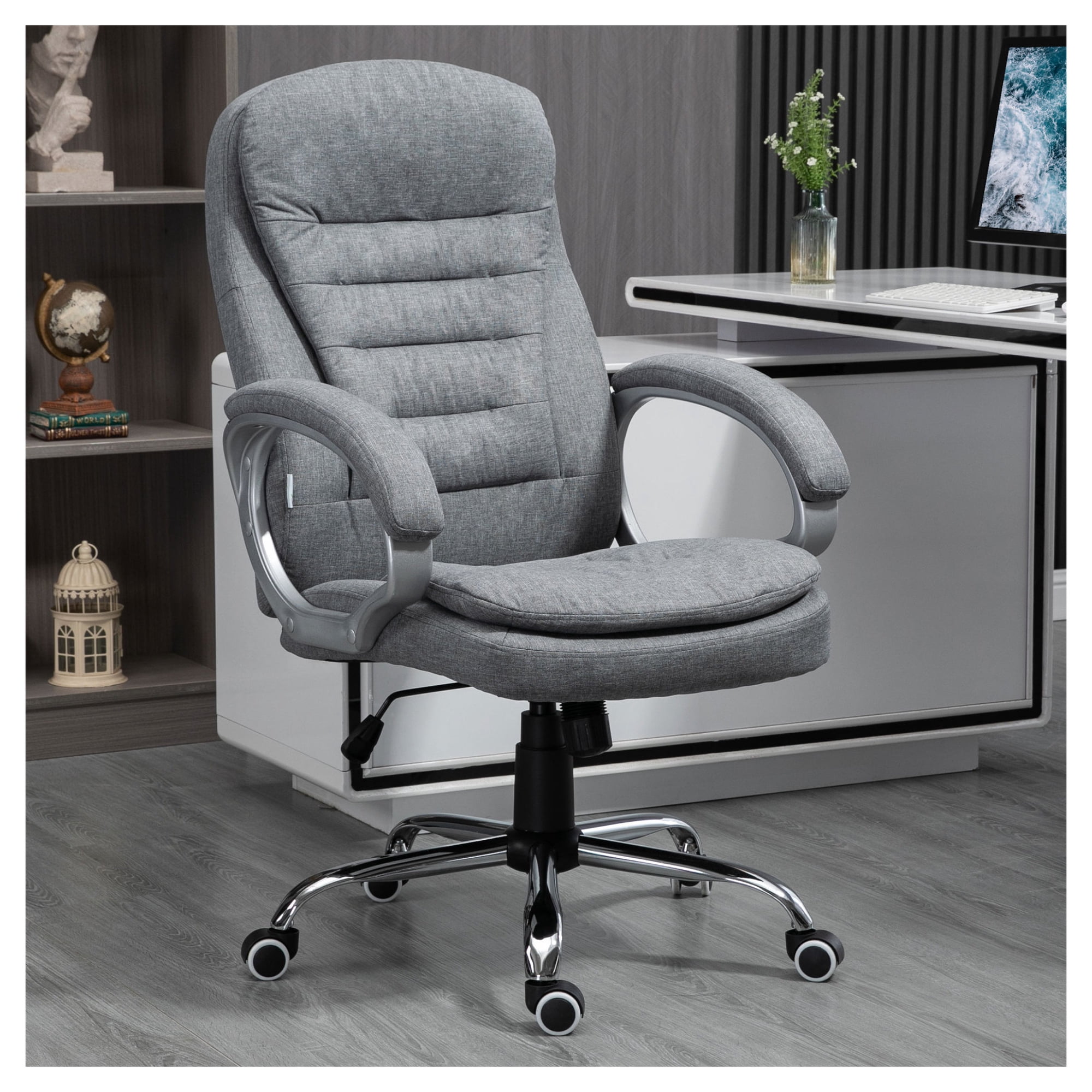
Fabric chairs bring warmth and a residential aesthetic to a home office. Look for "performance fabric" that is stain-resistant and durable (high double-rub count). They are quieter and often feel more "huggable" than mesh, making them perfect for a cozy home library or study.
4. Health Benefits: Why Your Upper Back Will Thank You
The benefits of a high back chair extend far beyond simple comfort. They are a proactive tool for musculoskeletal health.
📉 Reduces Thoracic Kyphosis
Excessive rounding of the upper back is common. A high back chair provides a firm surface that encourages you to open your chest and straighten your upper spine.
🧘 Promotes Neutral Neck Posture
With a properly adjusted headrest, your ears stay aligned with your shoulders, reducing the "forward head" posture that leads to chronic tension headaches.
💓 Enhances Respiratory Function
Sitting upright with an open chest allows your diaphragm to expand fully. Better posture directly translates to deeper, more oxygenating breaths, keeping your energy levels stable.
⚡ Dynamic Sitting Encouraged
A good high back chair with a synchronized recline mechanism lets you move fluidly between upright typing and reclined reading, promoting "dynamic sitting," which keeps spinal discs nourished.
5. The "Sweet Spot": Budgeting for a High Back Chair
Think of a high back chair as a 5-10 year investment in your primary home office asset. Here’s how to think about pricing:
- Entry-Level Excellence ($400 - $700): In this range, you can find reputable brands offering high backs with good mesh backs, basic lumbar support, and 2D armrests. They are a massive step up from generic department store chairs.
- The Professional's Choice ($700 - $1,300): This is the "sweet spot." Chairs here feature superior mechanisms, 4D armrests, adjustable headrests, and seat depth sliders. They often come with 10-12 year warranties.
- Premium Investment ($1,300+): These are heirloom-quality chairs. Think full-grain leather, polished aluminum frames, infinitely adjustable components, and designs that double as art. These are for the connoisseur who demands the absolute best.
6. Setting Up Your Chair for the First Time
Buying the chair is step one. Setting it up correctly is step two. Follow this quick guide:
- Seat Height: Adjust so your feet are flat on the floor, and your thighs are parallel to the ground, with a 90-degree angle at the knees.
- Seat Depth: Slide the seat pan so you have 2-3 finger widths of space between the back of your knee and the seat edge.
- Backrest Height/Headrest: Sit upright. Adjust the headrest so it cradles the curve of your neck, not your shoulders or the top of your head. The lumbar support should naturally fit into the small of your back.
- Armrests: Set them so your shoulders are relaxed, and your elbows form a 90-degree angle, with forearms parallel to the floor. They should just barely graze the bottom of your desk.