
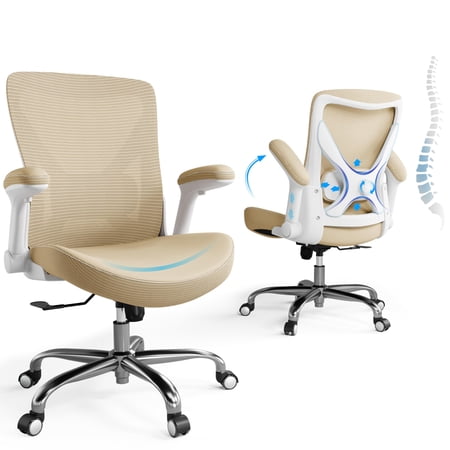
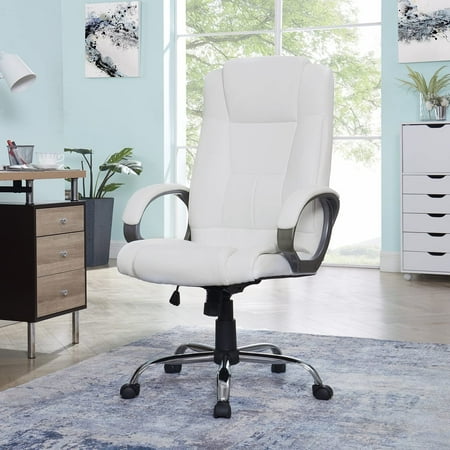
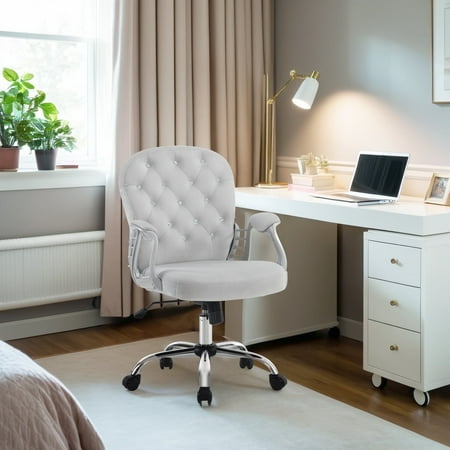
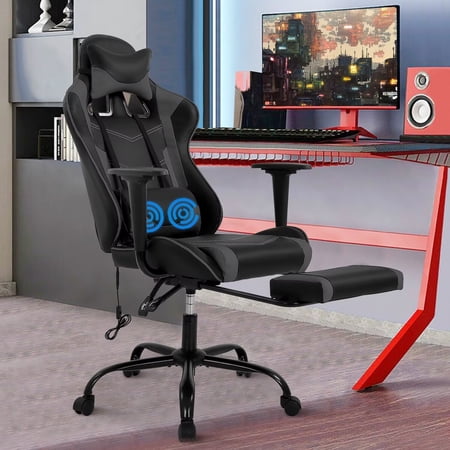
Why a Dedicated Lumbar + Neck Support Chair is Non-Negotiable
Imagine your spine as the central pillar of a skyscraper. Without proper reinforcement, it starts to lean, causing stress on every connected structure. That's exactly what happens when you sit for hours in a chair that neglects the natural curves of your back and neck. An office chair with lumbar and neck support acts as that essential reinforcement, actively maintaining your spine's alignment and preventing the cascade of discomfort that leads to lost productivity.
Ergonomic Insight: Studies from leading occupational health institutes show that workers using chairs with integrated, adjustable lumbar and neck support report a 67% reduction in reported back and neck pain within the first month. Furthermore, these chairs contribute to a 31% increase in perceived focus, as discomfort-related distractions are minimized.
The Dynamic Duo: How Lumbar & Neck Support Work Together
While many chairs offer basic back support, true ergonomic synergy comes from a system that addresses both the lumbar and cervical regions simultaneously. These two support zones work in concert to create a "neutral spine" posture.
⚙️ Active Lumbar Mechanism
Modern chairs feature dynamic lumbar systems that move with you. Whether it's a depth-adjustable pad or an inflatable air bladder, this feature ensures the curve of your lower spine is constantly supported, preventing the forward pelvic tilt that causes herniated discs.
🦒 Precision Neck Support (Headrest)
A 2D or 3D adjustable headrest is the game-changer for neck health. It should allow height, angle, and sometimes forward/back adjustment to cradle the occipital region. This relaxes the trapezius muscles, reduces tension headaches, and encourages a healthy, upright gaze at your monitor.
🔄 Postural Alignment Feedback
When both support zones are correctly adjusted, they create a subtle feedback loop. Your body naturally settles into a position where the spine is stacked—ears over shoulders, shoulders over hips—reducing fatigue by distributing weight evenly across the skeletal structure.
Key Ergonomic Features to Prioritize
Not all chairs labeled "ergonomic" deliver the same level of support. To ensure you're investing in a chair that truly protects your spine, look for these specific mechanisms:
- Independent Lumbar Depth & Height Adjustment: The lumbar support should move vertically (to hit your specific curve) and horizontally (to increase or decrease pressure). This is the hallmark of a premium office chair with lumbar and neck support.
- Multi-Dimensional Headrest (2D, 3D, or 4D): Basic fixed headrests are useless. Seek a headrest that tilts (angle), moves up/down (height), and ideally pivots forward/back to accommodate different torso lengths and seating postures.
- Seat Depth Adjustment: A feature often overlooked, seat depth ensures you have adequate thigh support without pressing against the back of your knees, which can compromise circulation and lower back posture.
- Concurrent Recline Mechanism: The best chairs use a "knee-tilt" or "synchronized" mechanism where the backrest and seat move together. This allows you to recline while maintaining the critical angle between your thighs and torso, keeping the lumbar support engaged.
- High-Density Foam & Suspension: Materials matter. High-resilience foam retains its shape, while advanced mesh suspensions offer breathable, dynamic support that conforms to spinal movements.
Real-World Analogy: The Suspension Bridge
Think of your body as a suspension bridge. The lumbar support acts as the main central cable, preventing the bridge (your spine) from sagging under load. The neck support functions as the suspension towers, ensuring the upper structure remains aligned and stable. Without either component, the entire system experiences uneven stress, leading to structural fatigue—or in your case, chronic pain and stiffness. An integrated office chair with lumbar and neck support is the engineering marvel that keeps your personal "bridge" strong and functional for years.
Step-by-Step: How to Select Your Ideal Chair
1 Assess Your Body & Workspace
- Measurements: Note your height and weight. Individuals over 6'2" may need a chair with an extra-tall cylinder and an extended headrest range.
- Workspace Flow: Do you have a sit-stand desk? Ensure the chair's armrests can be lowered to slide under the desk surface when standing.
2 Test the Adjustability Spectrum
- The 5-Point Adjustment Test: 1. Seat height, 2. Seat depth, 3. Lumbar height & depth, 4. Headrest range, 5. Armrest pivot/width. If a chair lacks any of these, it’s not a true ergonomic solution for comprehensive support.
- Recline Resistance: The chair should have adjustable tilt tension, allowing you to lean back comfortably without feeling like you're fighting the mechanism.
3 Material & Build Quality
- Base & Casters: A sturdy 5-star aluminum or reinforced nylon base with smooth-rolling casters ensures stability and protects your flooring.
- Warranty: A warranty of 7-12 years on the frame and 3-5 years on components indicates manufacturer confidence and long-term value.
Material Deep Dive: What Works Best for Dual Support?
The material of your chair directly influences how the lumbar and neck support feels. Here's a practical breakdown:
Ideal for active support and breathability. High-end mesh like 3D knitted fabric provides a "hammock" effect that automatically conforms to your spine, allowing lumbar mechanisms to work through a tensioned surface. Perfect for warmer climates and users who prefer a firmer, springy feel.
Offers a plush, firm foundation. Leather chairs often have more pronounced, padded lumbar structures that feel luxurious. The material molds to your shape over time, providing customized support, though it may retain heat.
High-performance fabric blends (like wool or polyester with stain resistance) offer a balance between softness and structure. They provide good temperature regulation and can be an excellent option for those who find leather too slippery or mesh too firm.
Common Misconceptions About Ergonomic Support
- "A high back alone provides neck support." False. A tall backrest is not a substitute for an adjustable headrest. The curve of a high back often hits the shoulders, not the cervical spine. True neck support requires a dedicated, adjustable headrest component.
- "Lumbar support is a one-size-fits-all bump." Incorrect. A static lumbar bump can cause more harm than good if it doesn't align with your spine's natural curve. Adjustable lumbar support is crucial for proper fit.
- "You don't need both if you have good posture." Not quite. Even with perfect posture, gravity exerts force. Support mechanisms reduce muscular effort, allowing you to maintain that posture without fatigue. They act as a safety net for your spine.