
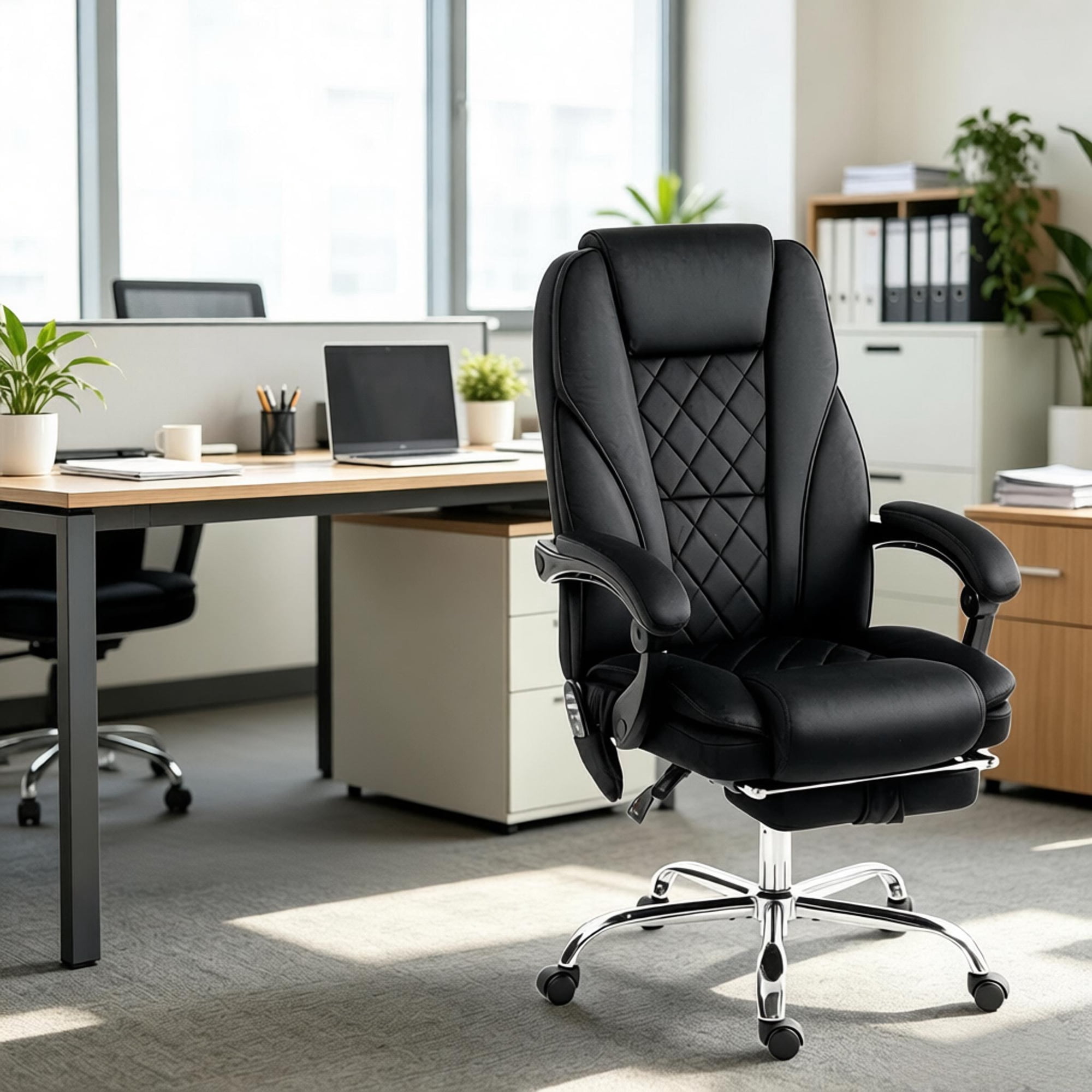
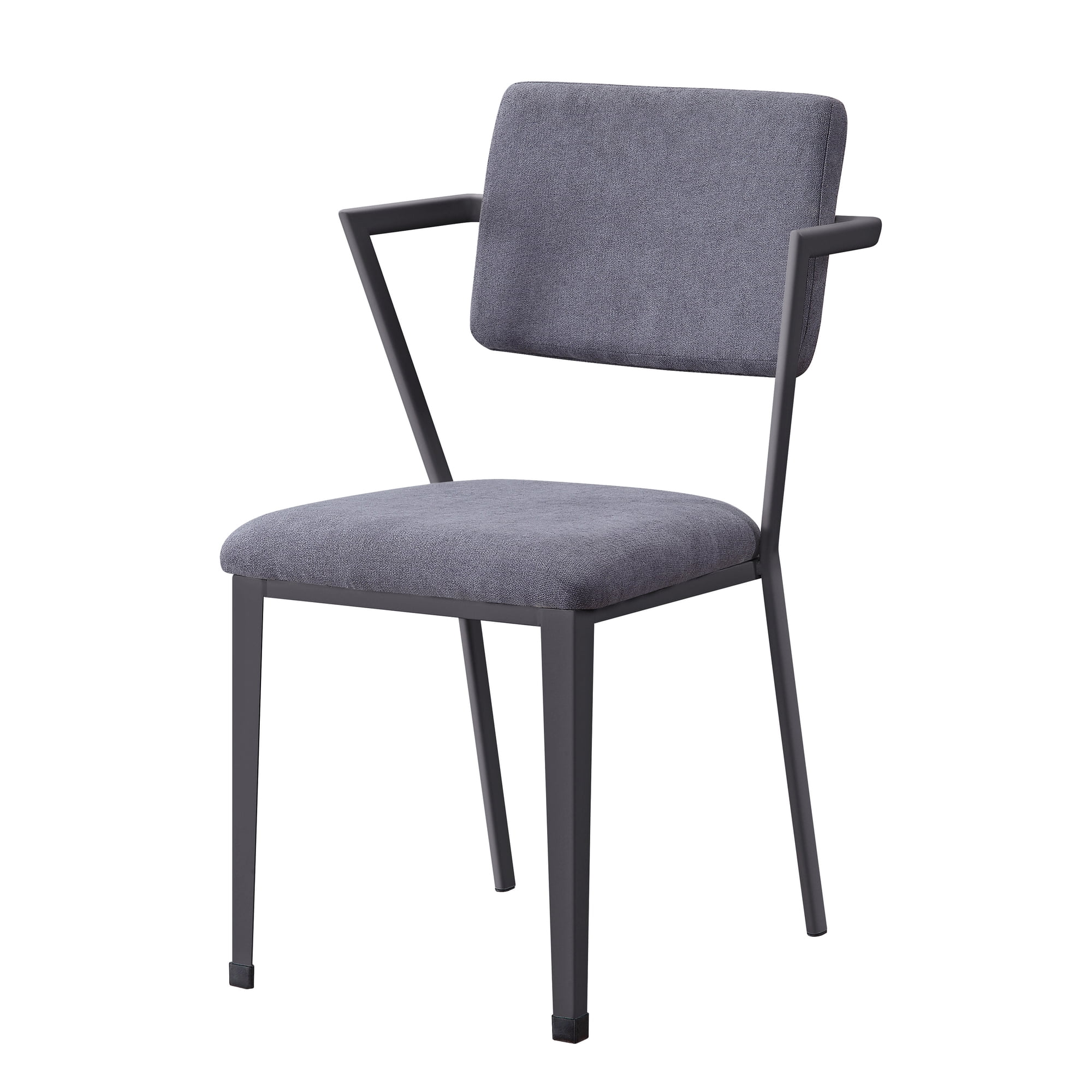
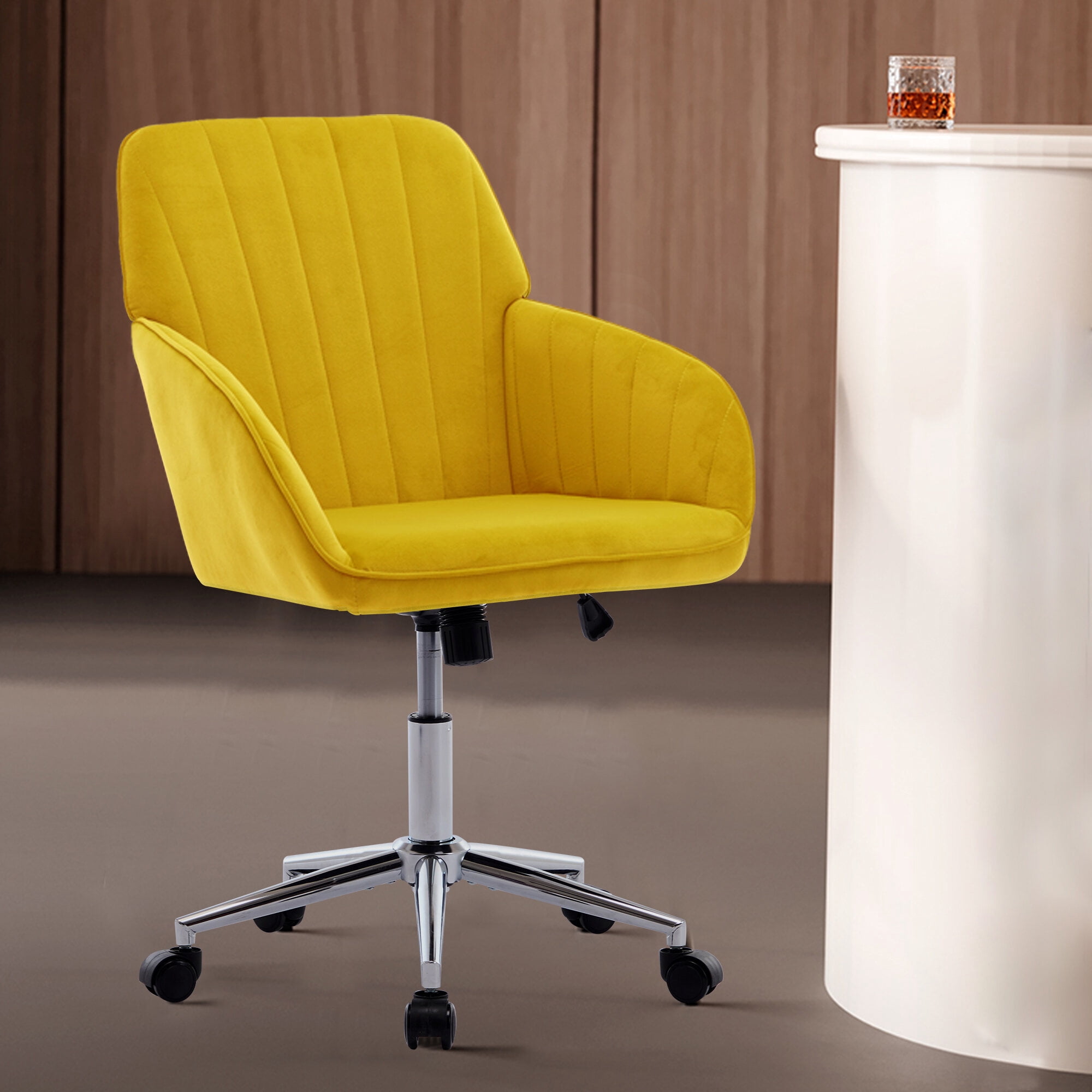
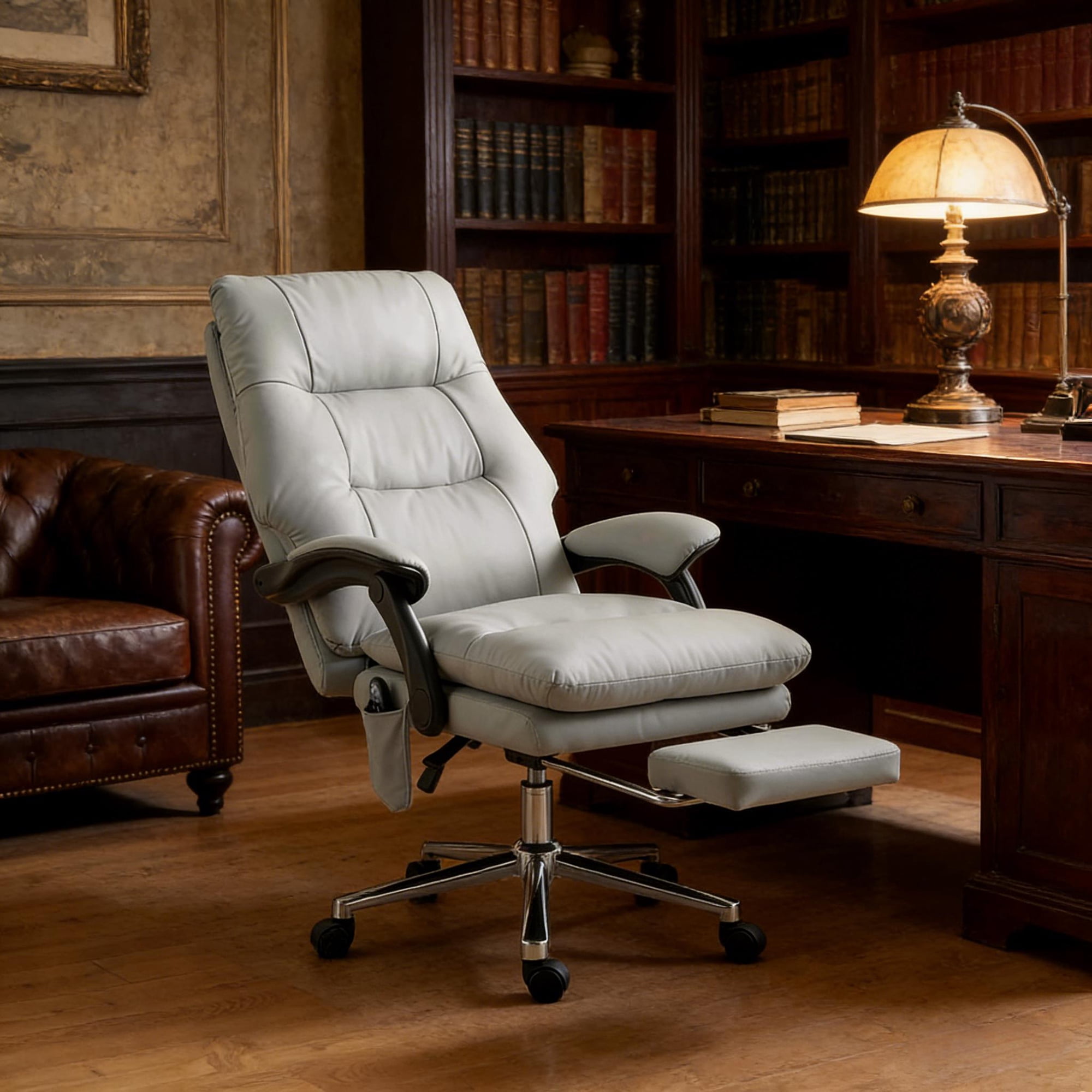
Why an 8hr Office Chair is Essential for Your Health & Productivity
If you spend eight or more hours at a desk, your chair isn't just furniture—it's your primary work tool. An 8hr office chair is purpose-engineered to provide sustained support, preventing the gradual fatigue that leads to slouching, poor circulation, and chronic back issues. Unlike standard task chairs, these models focus on extended pressure distribution, breathable materials, and multi-point adjustability.
Ergonomic Research Insight: Studies show that workers using chairs designed for 8+ hours report 37% less lower back discomfort and 28% higher concentration levels by the end of the day. The human spine is not built for static sitting, but a correctly configured 8hr chair allows micro-movements and postural shifts without losing support.
Critical Features of a True 8-Hour Rated Office Chair
Not every chair marketed as "ergonomic" can withstand full-day use. Genuine 8hr office chairs incorporate these non-negotiable elements:
- Dynamic Lumbar Support: Adjustable depth and height to cradle the lower back, reducing disc pressure.
- Seat Depth Adjustment: Allows proper thigh support (2–3 fingers between back of knee and seat edge) for improved circulation.
- High-Density Cold-Cure Foam: Retains shape and prevents bottoming out even after years of daily use.
- Multi-Dimensional Armrests (4D): Height, width, angle, and depth adjustments to support shoulders and wrists during long typing sessions.
- Synchronized Tilt Mechanism: Lets the chair recline while maintaining a balanced relationship between seat and backrest for natural movement.
- Breathable Back Material: Premium mesh or ventilated leather prevents heat buildup and moisture during extended sitting.
Comparing Materials for All-Day Comfort
Choosing the right material for your 8hr office chair influences both durability and thermal comfort. Here’s a practical breakdown:
Premium Mesh
- Exceptional breathability – stays cool
- Self-adapting support that flexes
- Easy to clean, lightweight
- Ideal for warmer climates or high-energy work
Top-Grain Leather
- Luxurious appearance, easy to wipe clean
- Conforms to body over time for personalized comfort
- Durable and long-lasting (10+ years)
- Professional executive aesthetic
Many modern 8-hour-rated chairs combine a mesh back (for airflow) with a cushioned fabric or leather seat — offering the best of both worlds. Hybrid designs are increasingly popular among hybrid workers and executives alike.
Health Benefits: Beyond Just Sitting
Investing in a high-quality 8hr office chair yields measurable health dividends:
✓ Spinal Alignment
Maintains natural S-curve, reducing risk of herniated discs and chronic tension.
✓ Hip & Pelvic Relief
Waterfall seat edge minimizes pressure on hamstrings and improves blood flow.
✓ Neck & Shoulder Ease
Adjustable headrest and armrests prevent forward head posture and shoulder stiffness.
✓ Mental Focus
Comfort reduces physical distractions, boosting productivity by up to 22% in afternoon hours.
Step-by-Step Guide: How to Choose the Right 8hr Office Chair
1. Evaluate Your Body & Workspace
- Measurements: Height, weight, and torso length. For taller individuals, look for chairs with higher backrests (22+ inches).
- Desk Height: Ensure the chair’s gas lift range fits your desk (usually 16–21 inches seat height).
- Usage patterns: Do you multitask, lean forward, or take calls? Recline tension and seat glide matter.
2. Prioritize Adjustability Over Aesthetics
- Non-negotiable: adjustable lumbar (both height and depth), seat slider, armrest width, and tilt lock.
- Optional but valuable: headrest, forward tilt for active sitting, and memory foam cushion.
3. Test Material & Warranty
- Sit on the chair for at least 20 minutes if possible. Pay attention to heat buildup and pressure points.
- Look for warranties: 10-year frame and 5-year component coverage indicates manufacturer confidence.
- Check weight rating — for extended use, choose chairs rated 300+ lbs for reinforced mechanics.
Ergonomic Adjustment Checklist for 8hr Use
| Adjustment | Why It Matters for 8+ Hours | How To Set Correctly |
|---|---|---|
| Seat Height | Prevents knee and hip strain | Feet flat, thighs parallel, elbows at desk height (90° angle) |
| Lumbar Depth/Height | Maintains natural curve; prevents slouching | Adjust so support fits the small of your back, not too aggressive |
| Seat Depth | Avoids circulation cut-off behind knees | 2-3 finger gap between back of knee and seat edge |
| Armrest Height & Width | Reduces shoulder tension and neck strain | Elbows 90°, shoulders relaxed, arms rest lightly without hunching |
| Recline Tension | Allows dynamic movement without abrupt lean | Adjust so reclining feels fluid but holds upright position when needed |
Myths vs. Facts: Long-Hour Office Seating
- Myth: A firm chair is always better for back support.
Fact: Moderate cushioning with ergonomic contouring is ideal; excessive hardness creates pressure points. - Myth: You don’t need seat depth adjustment if you’re average height.
Fact: Seat depth affects thigh support for everyone; standard seats may be too deep, causing slouching. - Myth: Headrests are unnecessary for 8-hour chairs.
Fact: A quality headrest reduces neck fatigue during reclined thinking sessions and phone calls, especially for tall users.
Frequently Asked Questions About 8hr Office Chairs
Conclusion: Invest in an 8hr Office Chair for Long-Term Success
Your workday should not be a battle against discomfort. A well-designed 8hr office chair is a strategic investment that directly influences your energy, focus, and physical well-being. By prioritizing adjustable lumbar support, seat depth, breathable materials, and a robust warranty, you create a workstation that supports peak performance. Whether you're an executive, remote professional, or creative, the right chair transforms your desk into a place of sustained productivity. Browse our curated selection above and choose the model that aligns with your body type and work style — your future self will thank you.
Our recommendation: Look for chairs that combine a mesh back (for airflow) with a cushioned seat (for comfort). Test the recline mechanism and ensure armrests adjust independently. A 10-year warranty is a solid indicator of quality.