
Smart Shopping for Office Chairs for Less
Upgrading your workspace doesn't have to drain your bank account. The modern market is filled with outstanding office chairs for less that deliver the same ergonomic benefits and durability as their high-end counterparts. The key is knowing what features truly matter for long-term comfort and where you can save without sacrificing quality. This guide is designed to help you navigate the world of budget-friendly seating, ensuring you get the best value for your investment.
Smart Spending Insight: A study on workplace ergonomics suggests that a well-designed office chair can reduce discomfort and fatigue by up to 50%. This doesn't require a $1,500 investment; a thoughtfully chosen chair in the $100-$300 range can deliver these benefits when it includes core ergonomic features.
Decoding the Budget-Friendly Chair Market
When searching for an affordable chair, you'll encounter a wide spectrum of options. The price often dictates the quality of materials and the range of adjustments. Here’s what to expect at different price points:
- Under $100 (The Basics): These chairs are typically best for light, part-time use. They offer standard seat height adjustment and basic back support. Focus on a comfortable seat cushion and a back that provides at least some lumbar curve.
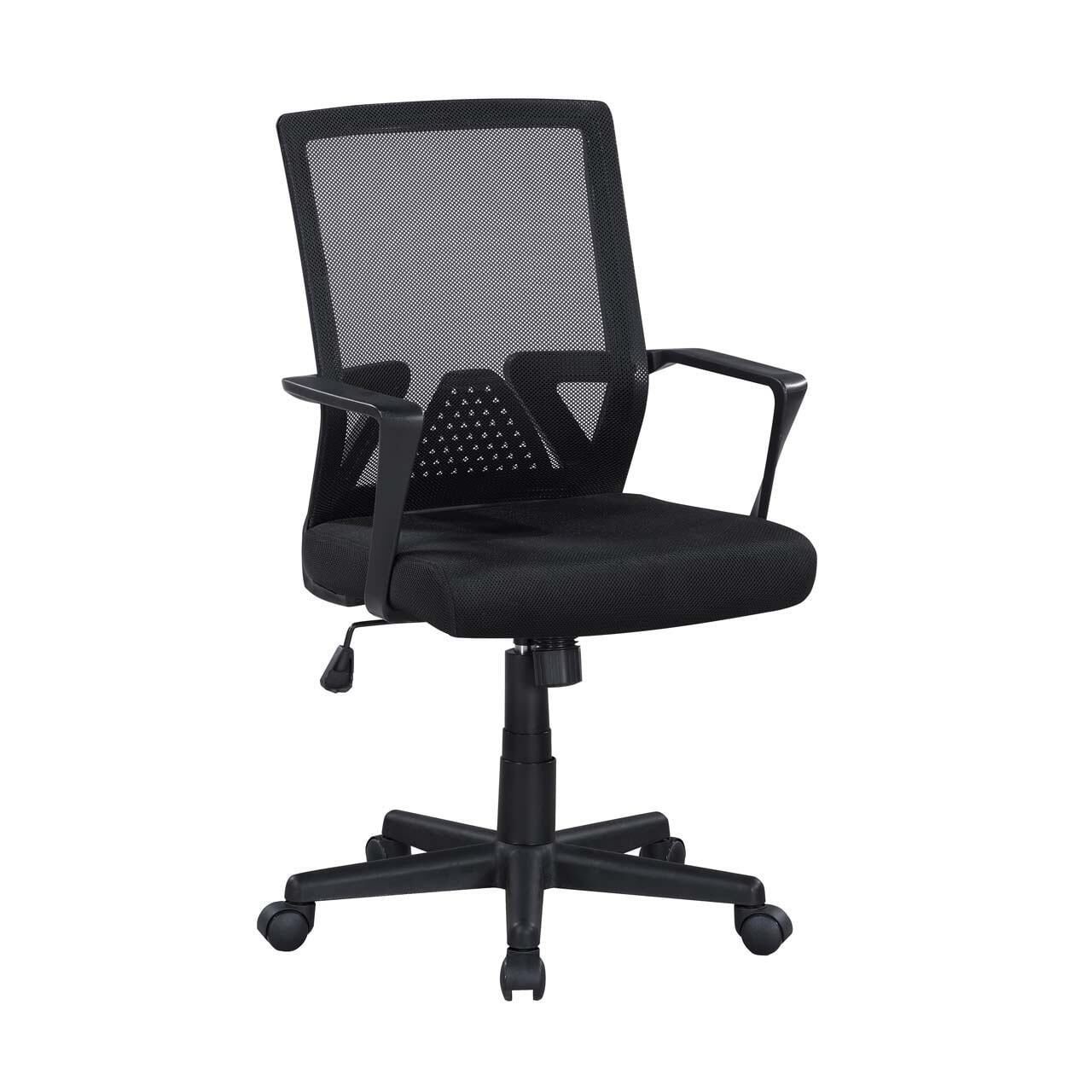
- $100 - $250 (The Sweet Spot): This range offers the best value for full-time use. Expect more durable construction, contoured seats, adjustable lumbar support, and often mesh backs for breathability. Many of the best "office chairs for less" fall into this category.
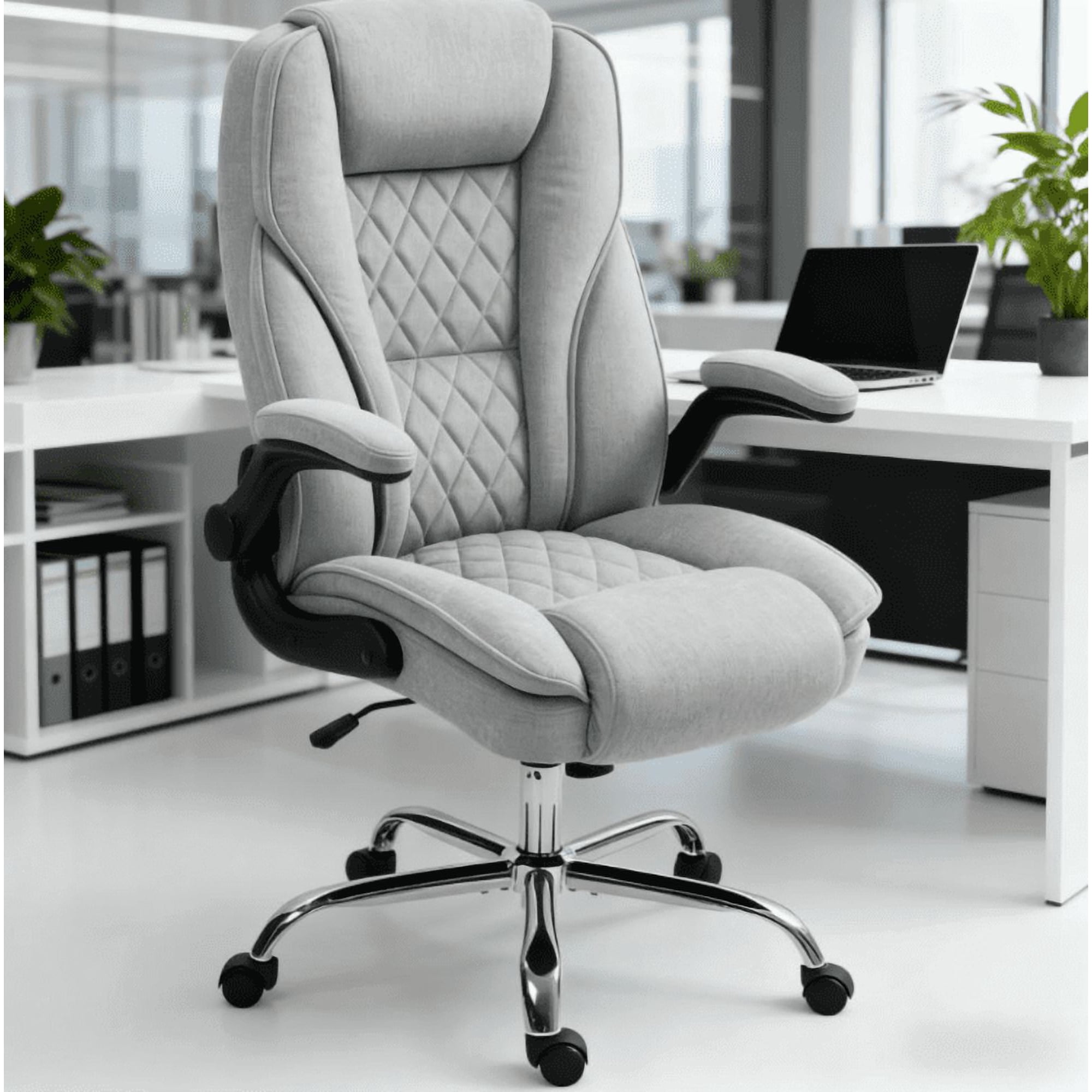
- $250 - $500 (The Pro-Sumer Range): Here, you'll find chairs with superior build quality, advanced ergonomic adjustments like seat depth and 4D armrests, and higher-grade materials like premium fabric or bonded leather, approaching the feel of executive-level seating.
Essential Features to Prioritize
To ensure you're getting a great deal, not just a low price, focus on these critical features:
| Feature | Why It Matters for Budget Shoppers | What to Look For |
|---|---|---|
| Seat Cushion Density | This is the #1 factor for long-session comfort. A thin, soft cushion will flatten quickly, making the chair unusable within months. | Look for "high-density foam" or "molded foam." A seat depth of at least 18 inches and a thickness of 3+ inches is ideal. |
| Lumbar Support | Essential for preventing lower back fatigue. It's a feature often missing on the cheapest chairs. | Seek chairs with an adjustable lumbar knob or a backrest with a pronounced, supportive curve that hits the small of your back. |
| Adjustability | A chair that doesn't fit you isn't a bargain. Basic adjustments ensure you can achieve proper ergonomics. | At a minimum, ensure it has pneumatic seat height adjustment and back tilt tension. If possible, get one with height-adjustable armrests. |
| Base & Casters | A flimsy base is a safety hazard and a sign of poor construction. | Opt for a 5-point metal base. For carpet, hard plastic casters are fine; for hard floors, look for soft-rolling or rubber casters to prevent scratching. |
Material Choices for the Value-Conscious Buyer
The material of your chair significantly affects its cost, feel, and longevity. Here's a breakdown of the best value options:
Mesh Back with Fabric Seat
- Value: Excellent. You get the breathability of mesh for your back, combined with the plush comfort of a foam-padded fabric seat.
- Pros: Great airflow, comfortable seat, often lighter and more flexible than full-mesh or leather chairs.
- Cons: Fabric seat can stain; mesh may sag over many years of heavy use.
Full Fabric Upholstery
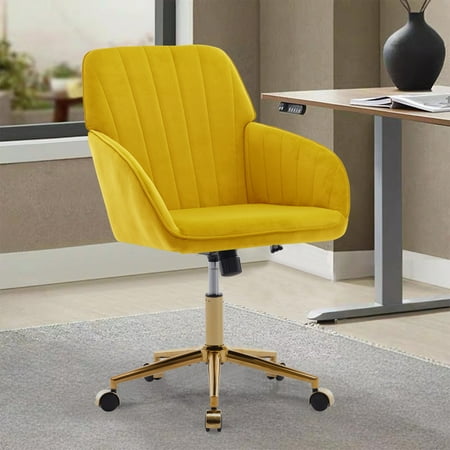
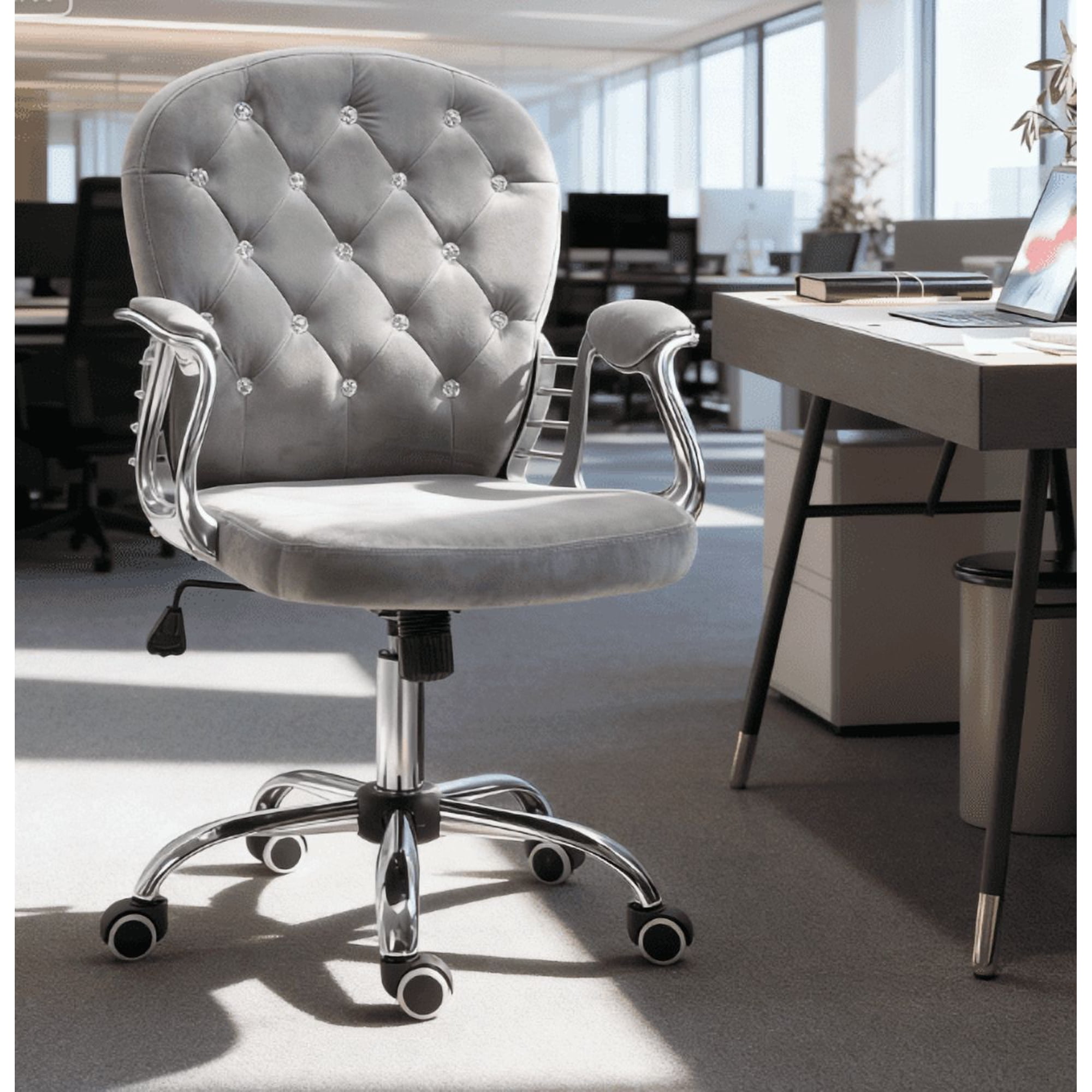
- Value: Good. This is a classic choice offering a wide range of colors and textures at a very competitive price point.
- Pros: Soft, warm, and comfortable. Often the most budget-friendly option.
- Cons: Can trap heat and allergens. Requires regular cleaning to prevent stains.
Bonded Leather
- Value: Fair. It offers a leather-like aesthetic at a fraction of the cost of genuine leather.
- Pros: Easy to wipe clean, gives a professional look.
- Cons: Prone to peeling and cracking after a few years of heavy use. Less breathable than fabric or mesh.
Full Mesh
- Value: Excellent for warm climates. Provides maximum breathability and often comes with a sleek, modern look.
- Pros: Highly breathable, excellent weight distribution, low maintenance.
- Cons: Can be less cushioned than fabric. The tension may be too firm for some users.
Five Steps to Choosing Your Perfect Budget Chair
Finding the right chair is a process. Follow these steps to make a confident purchase:
Step 1: Assess Your Needs and Space
- Measure Your Desk: The minimum desk height is typically 28-30 inches. Ensure your chair's maximum seat height (usually 20-22 inches) allows you to sit with your thighs parallel to the floor.
- Estimate Your Daily Usage: Are you sitting for 4 hours or 8+? For more than 6 hours a day, prioritize chairs with thicker cushions and better lumbar support, even if it costs a bit more.
- Space Constraints: Measure your available area. For small spaces, a chair with a compact base or no arms might be necessary.
Step 2: Set a Realistic Budget
Think of your chair as a long-term investment in your health. Instead of looking for the cheapest option, decide on a budget range that allows for quality features. Often, spending $150-$250 now saves you from buying another $80 chair in a year.
Step 3: Prioritize Features, Then Aesthetics
Make a list: "Must-have" (e.g., adjustable lumbar, height-adjustable arms) vs. "Nice-to-have" (e.g., color, headrest). This helps filter options quickly and ensures you don't sacrifice ergonomics for a sleek look you'll forget after a month of back pain.
Step 4: Read Reviews from Long-Term Users
Don't just look at the star rating. Search reviews for keywords like "after 6 months," "seat comfort," "durability," and "squeaking." This provides insight into how the chair holds up over time, which is crucial for a budget buy.
Step 5: Consider the Warranty
Pro Tip: A 5-year or longer warranty on the frame and components is a strong indicator of a manufacturer's confidence in their product. Even on a budget chair, a good warranty is a sign of quality and protects your purchase.