
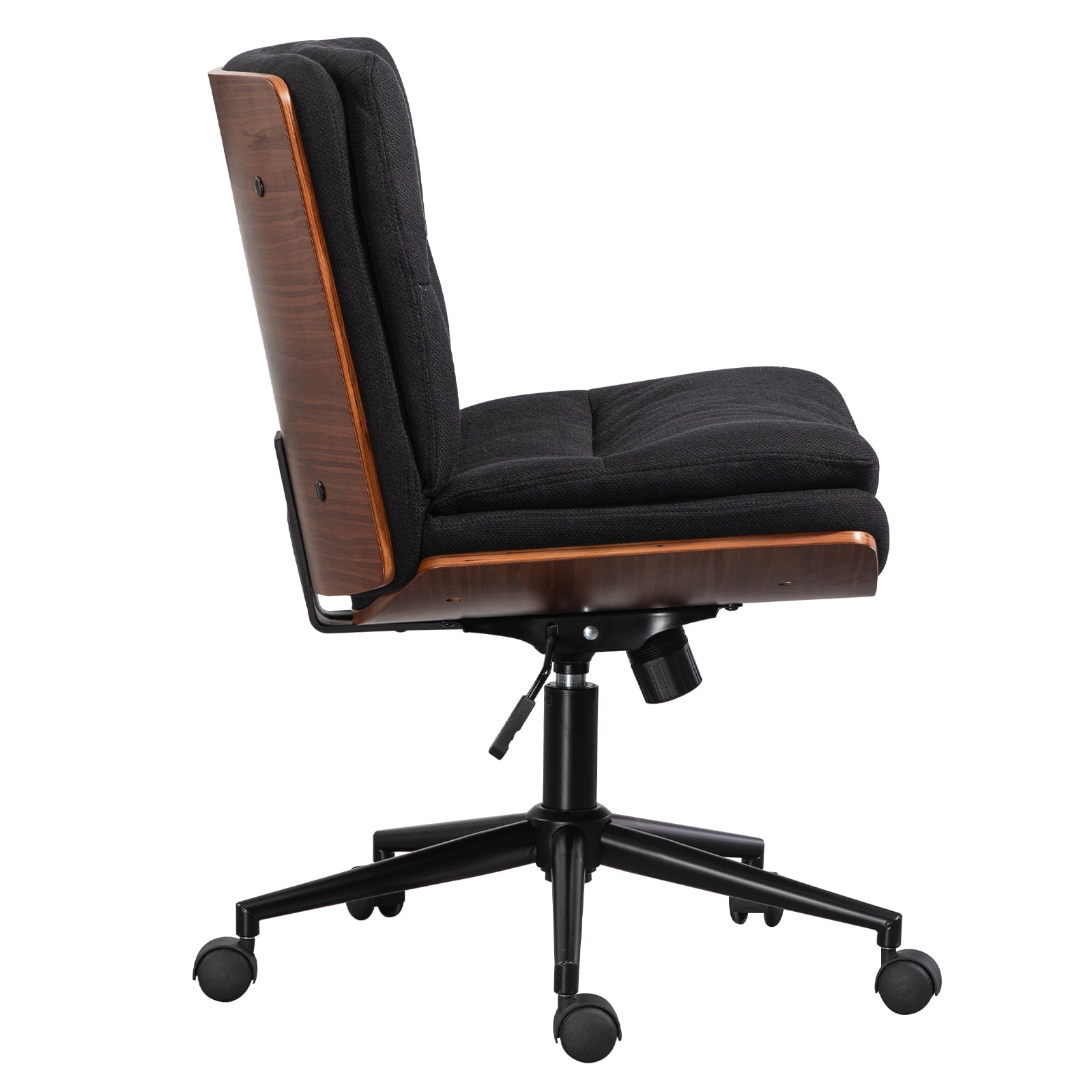
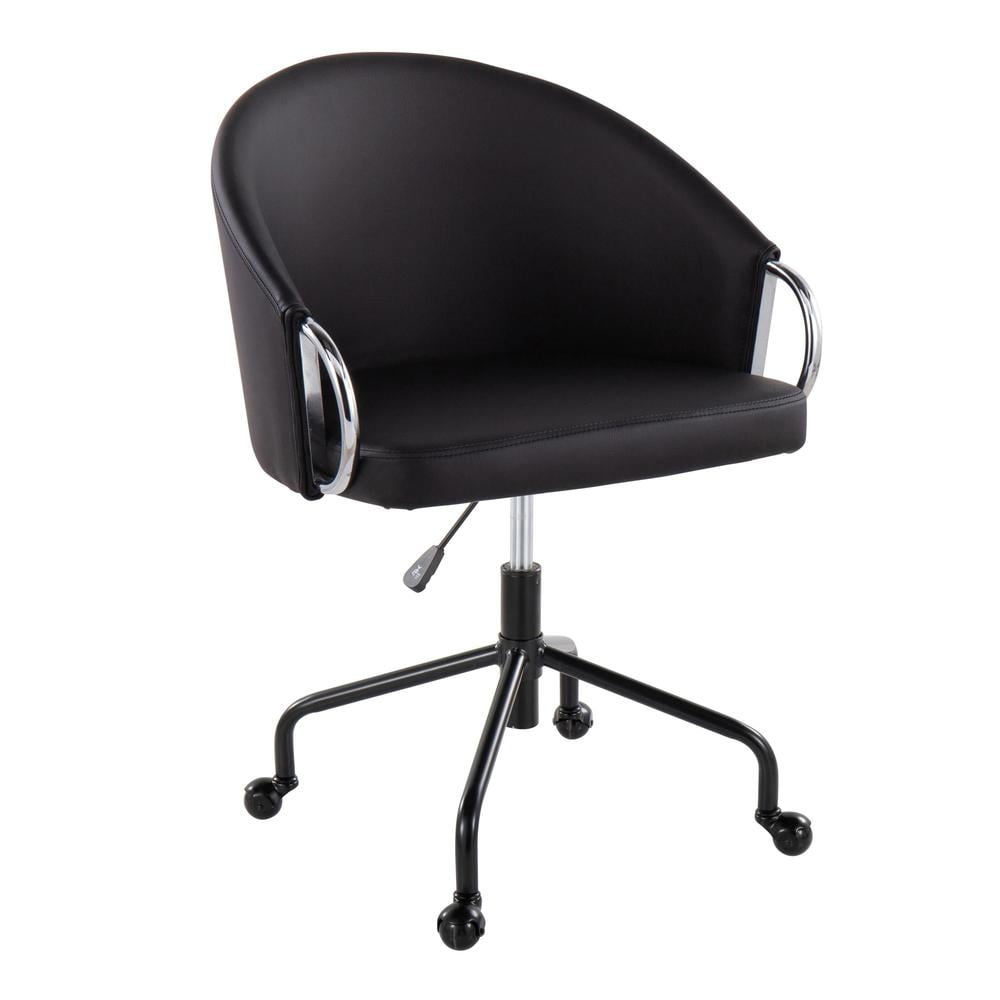
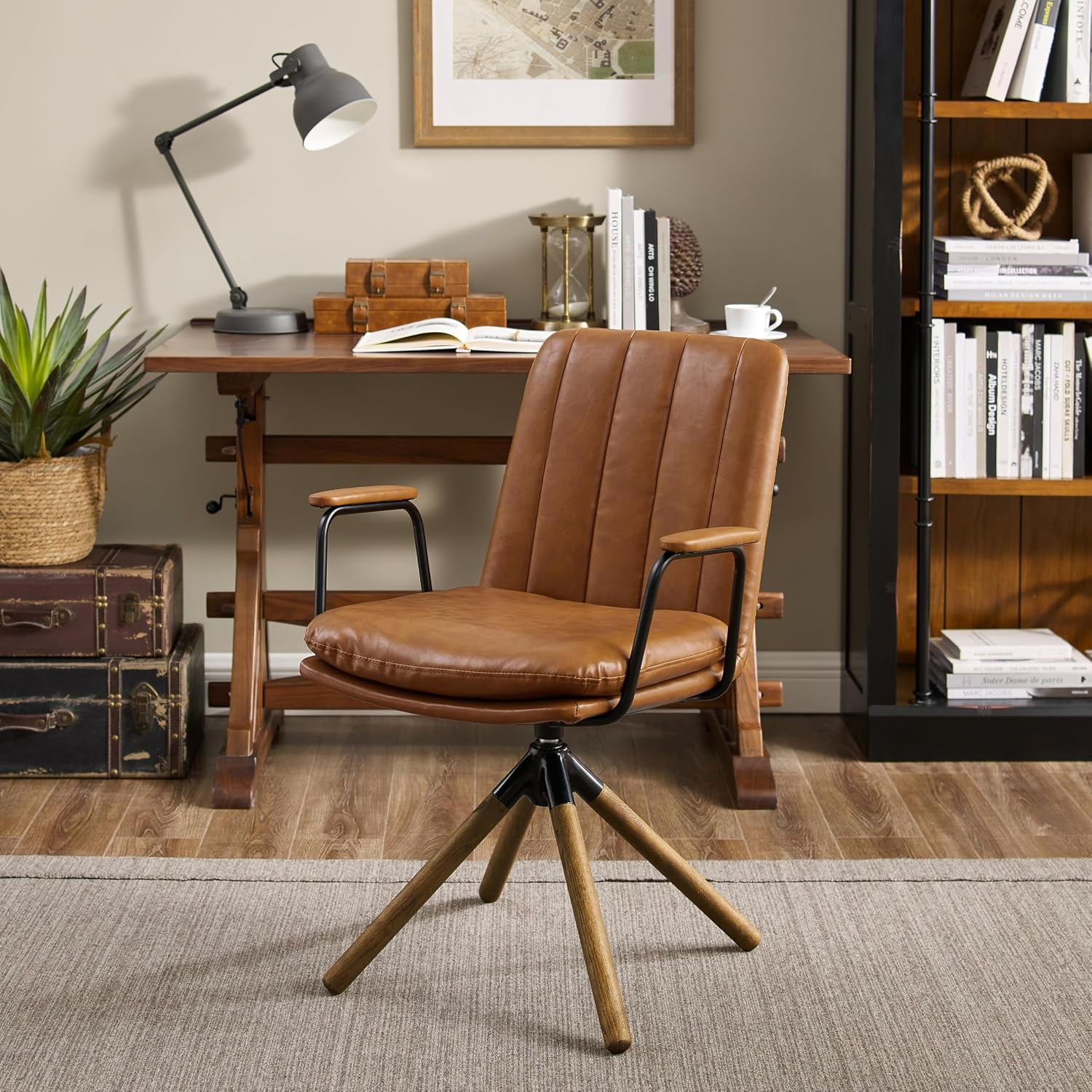
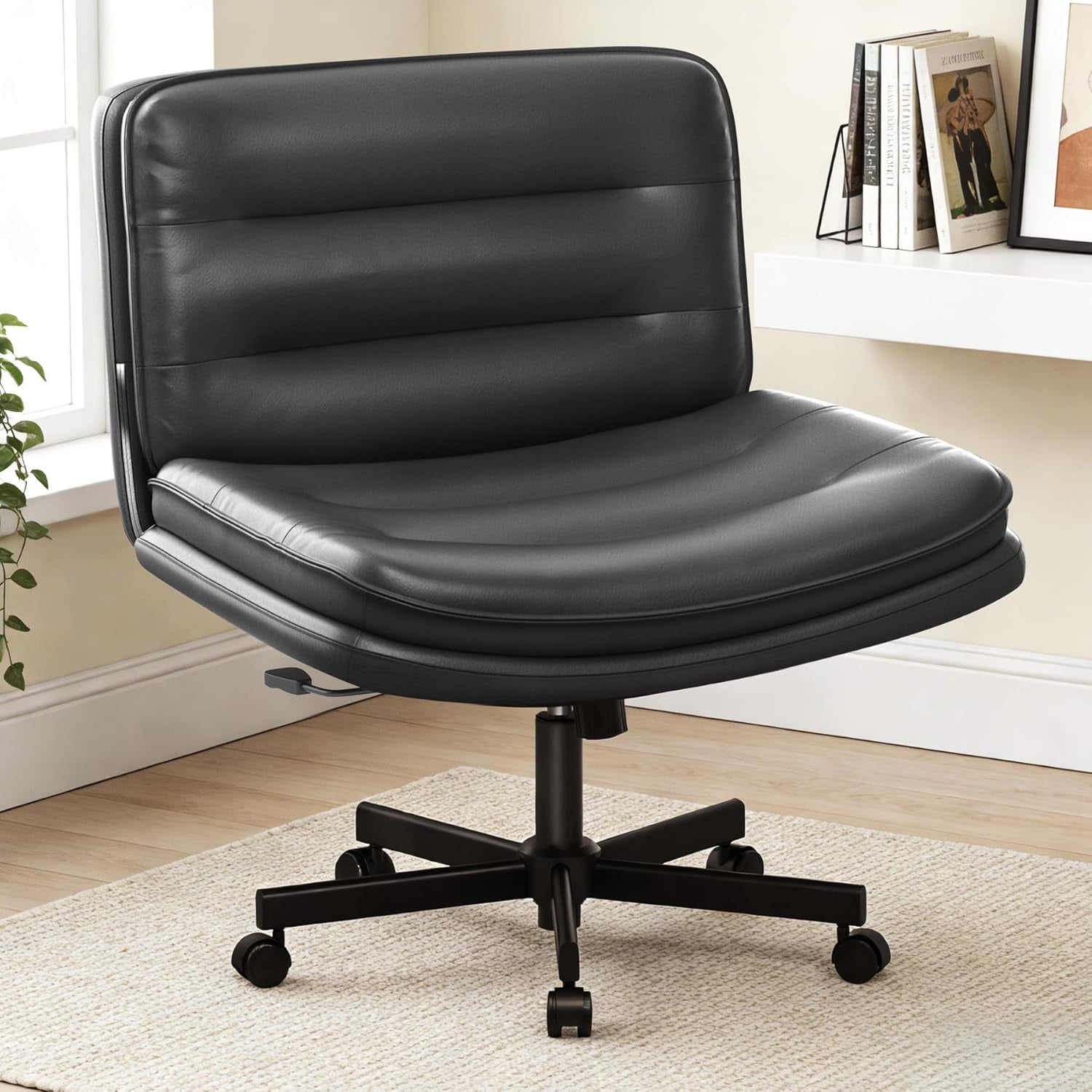
Why Choose a Wooden Office Chair With Wheels?
Imagine the stability of solid wood combined with the freedom to glide across your office. That’s exactly what a wooden office chair with wheels offers. Unlike all-metal or plastic chairs, wood brings a living texture, warmth, and timeless character to your workspace. Whether you’re drafting contracts, hopping on video calls, or reading reports, a rolling wooden chair keeps you mobile without sacrificing an ounce of sophistication.
Did you know? According to interior design surveys, 68% of home office users prefer furniture that blends natural materials with ergonomic function. Wooden chairs with wheels bridge that gap – they’re increasingly popular among architects, writers, and remote executives who want their chair to reflect personal style.
The Anatomy of a Quality Wooden Rolling Chair
Not all wooden chairs are created equal. A genuine wooden office chair with wheels must balance structural integrity, comfort, and floor protection. Let’s break down the core components that separate a heirloom piece from a wobbly nuisance.
• Frame construction: solid wood vs. engineered wood
Solid hardwoods (oak, walnut, maple, ash) provide longevity and natural grain. They can be sanded and refinished. Engineered wood (plywood, MDF with veneer) is lighter and cheaper but won’t endure decades of use. For a chair that lasts, prioritize solid wood arms and seat base. The best chairs use mortise-and-tenon joinery or metal brackets hidden inside.
• Wheel and base dynamics
A wooden chair rolls on casters attached to a base — often made of wood or a wood-wrapped metal frame. Look for:
- Caster type: soft rubber or polyurethane (floor-friendly, quiet). Dual-wheel casters offer better stability.
- Base design: five-point base (standard) for tipping resistance. Some mid-century styles have four legs with casters – check weight distribution.
- Swivel mechanism: smooth 360° rotation with a reliable gas lift (class 3 or 4) for height adjustment.
• Ergonomics meet woodworking
Modern wooden chairs integrate lumbar curves, waterfall seat edges, and sometimes adjustable lumbar padding. The wood itself can be shaped to support the spine’s natural S-curve. Many models add a detachable cushion or upholstered seat for extra comfort. A 2023 ergonomics study noted that properly contoured wooden seats reduce sitting fatigue by 22% compared to flat wooden stools.
• Aesthetic versatility
Wooden office chairs with wheels are not one-style-fits-all. Here’s a quick overview:
| Style | Wood type | Best for |
|---|---|---|
| Mission / Craftsman | Oak, quarter-sawn | Traditional offices, library vibe |
| Scandinavian / Modern | Birch, beech, ash | Minimalist, light-filled spaces |
| Mid-Century | Walnut, teak | Retro or design-oriented studios |
| Industrial rustic | Reclaimed pine, oak | Loft-style, creative agencies |
• Floor protection and maintenance
Because wood and wheels interact with flooring, manufacturers now fit rollerblade-style wheels that are kind to hardwood, tile, and low-pile carpet. If you have delicate floors, ensure the chair comes with soft rubber casters (often marked “hard floor casters”). Regular cleaning of wheels prevents debris scratches.
Who Benefits Most From a Wooden Office Chair With Wheels?
This isn't just another task chair. It appeals to:
- Home office workers who want furniture that doubles as decor.
- Executives and managers seeking a distinguished look without leather dominance.
- Creative professionals (writers, designers, architects) who value natural materials.
- Those with allergies – wood doesn’t trap dust as much as thick fabric upholstery.
- Anyone needing mobility in a study, library, or spacious office.
Pros and Cons: At a Glance
✅ Advantages
- Timeless aesthetics, ages gracefully
- Sturdy, can last decades
- Eco-friendly (sustainable wood options)
- Unique grain patterns (each piece one-of-a-kind)
- Often compatible with custom cushions
⚠️ Considerations
- Heavier than plastic/metal chairs
- May require occasional polishing
- Solid wood versions cost more upfront
- Limited high-weight capacity vs reinforced steel
How to Choose the Right Wooden Office Chair With Wheels
Follow this simple step-by-step approach to find your perfect match:
- Measure your space: wooden chairs often have wider arms or sled bases. Ensure it fits under your desk and allows legroom.
- Check wood type: oak and maple = durable; walnut = softer but elegant; bamboo = eco-friendly and hard.
- Test the rolling action: if possible, try the casters on your floor type. Look for replacement caster options.
- Evaluate seat comfort: solid wood seat with a thin cushion vs fully upholstered? Consider how many hours you sit.
- Inspect joinery: dovetail or screwed joints? Avoid stapled connections.
- Warranty: reputable brands offer at least 5 years on frame and mechanism.
Pro tip: If you love antique chairs, you can retrofit an old wooden chair with modern wheels using a wheeled base conversion kit. But ensure the chair’s structure supports dynamic movement.
Frequently Asked Questions – Wooden Rolling Chairs
Final Verdict: Is a Wooden Office Chair With Wheels Right for You?
If you value craftsmanship, natural beauty, and the flexibility to move around your workspace, a wooden rolling chair is an excellent investment. It’s not just a seat; it’s a statement that you appreciate quality materials and timeless design. While they may require a bit more care than plastic alternatives, the payoff in aesthetics and durability is substantial. Whether you opt for a sleek modern bentwood or a classic leather-cushioned oak executive, pairing wood with wheels gives you the best of both worlds: elegance and motion.
Remember to match the chair’s size, wood type, and caster style to your daily routine. Browse the selection above to find a wooden office chair with wheels that will serve you comfortably for years.