

The Art of the Style Office Chair: Where Design Meets Daily Function
Your office chair is likely the piece of furniture you interact with most. Yet for years, the choice was stark: prioritize your back or prioritize your room's decor. The rise of the style office chair shatters that trade-off. Today, you can command a room with a sleek silhouette, enjoy the warmth of velvet, or make a minimalist statement—all while benefiting from ergonomic science. This guide explores how to choose a chair that elevates both your posture and your interior design.
Design insight: A 2023 survey by the American Society of Interior Designers noted that 68% of home workers consider an office chair's aesthetic equally as important as its comfort. The chair is no longer just a tool; it's a style anchor.
Why "Style Office Chair" Is More Than a Buzzword
A style office chair is defined by intentional design. It considers proportions, materials, color, and how it interacts with light and space. Unlike generic task chairs that fade into the background, a style chair often becomes a focal point or a harmonious element in a curated room. It signals attention to detail—a quality that matters whether you're hosting a video call or simply creating a space that inspires you.
- Visual coherence: Chairs designed with specific aesthetics (mid-century, industrial, Scandinavian) help unify your office theme.
- Material as expression: From breathable mesh to plush velvet or sustainable wood, the material sets the tone.
- Ergonomics + silhouette: Designers now sculpt chairs that support the body while maintaining elegant lines—no more bulky eyesores.
- Personal branding: For entrepreneurs and remote professionals, a stylish chair reinforces a professional, thoughtful image on camera.
Anatomy of a Well-Designed Chair: Key Style Elements
When shopping for a style office chair, train your eye on these components. They determine whether a chair feels cohesive or clunky in your space.
Base & Casters
Polished aluminum, matte black, or brass-finished bases add sophistication. Wooden legs (walnut, oak) bring warmth and a mid-century vibe.
Backrest design
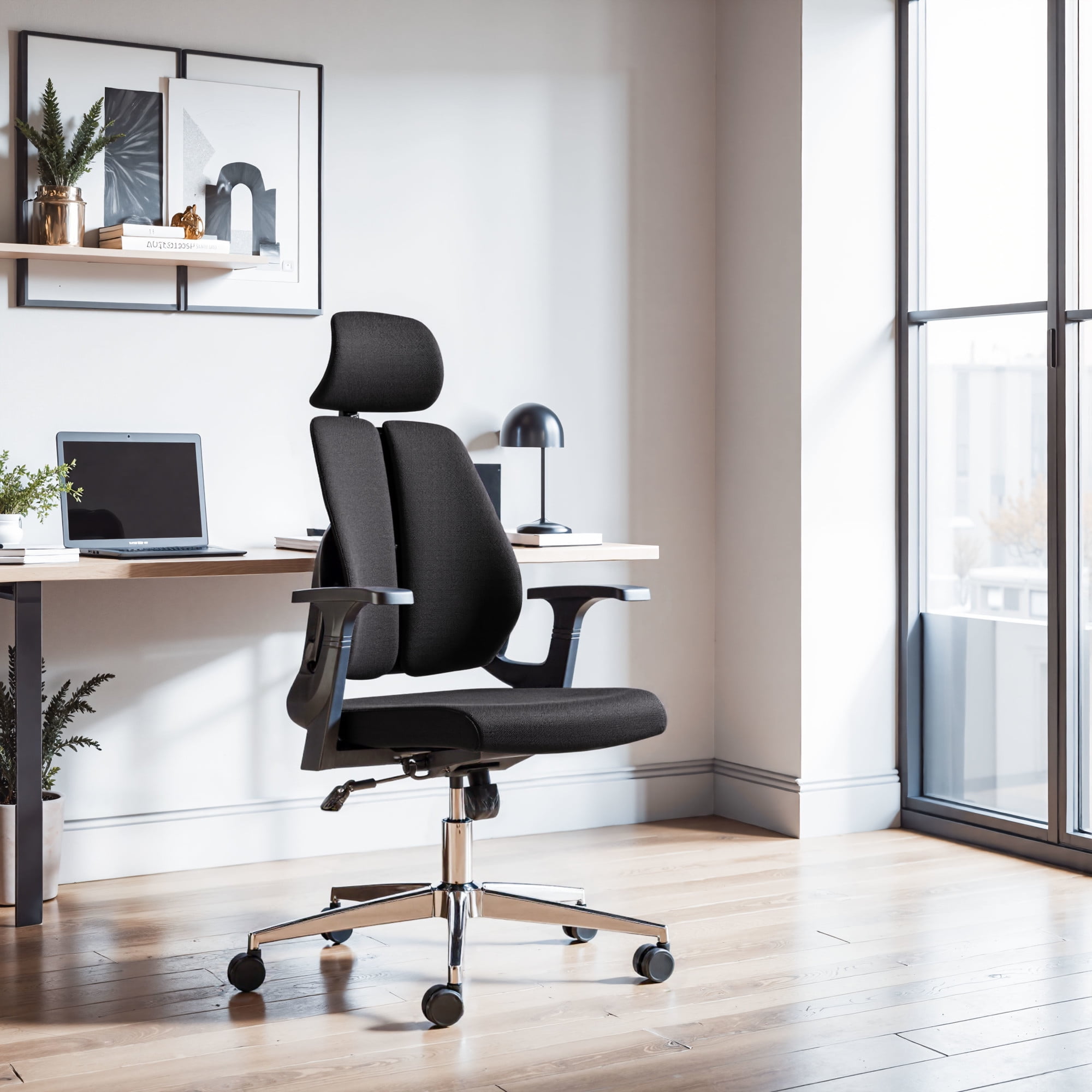
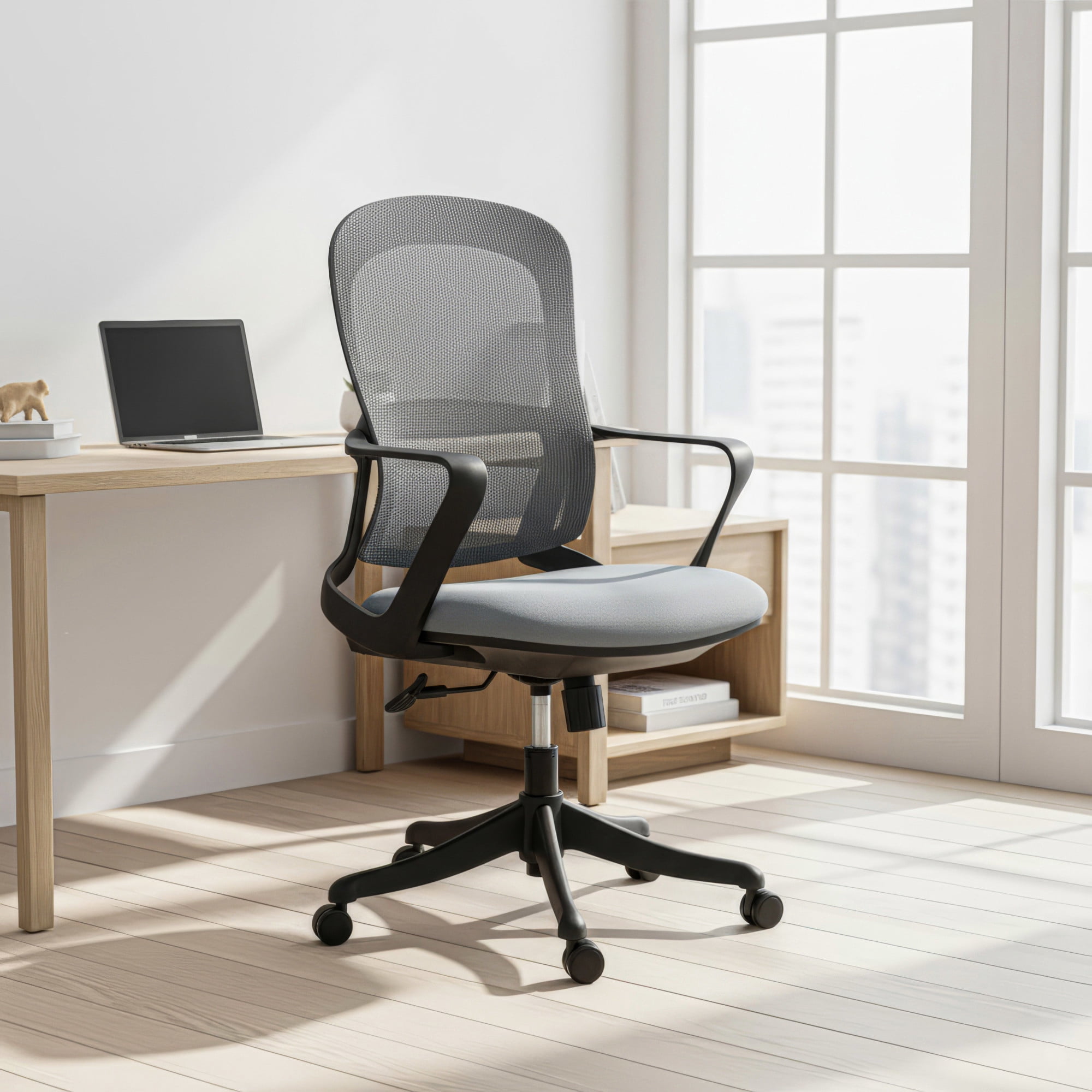
High-back executive styles exude authority; slim-profile mesh or transparent backs feel airy and modern; channel-tufted leather adds classic luxury.
Seat upholstery
Texture matters. Velvet feels soft and glam, linen is relaxed and organic, leather is timeless and durable. Color can be neutral or a bold accent.
Armrests & stitching
Integrated armrests keep lines clean. Contrast stitching or piping adds a custom, tailored look.
Popular Style Archetypes: Find Your Chair Personality
Not sure which direction to go? Here are four dominant style categories that blend form with function.
- Mid-Century Modern: Characterized by tapered wooden legs, organic curves, and upholstery in jewel tones or tweed. Often features a low, angled backrest. Perfect for adding retro charm.
- Minimalist / Scandinavian: Clean lines, light woods, mesh or light fabric, and an almost invisible presence. Focuses on functionality with understated elegance.
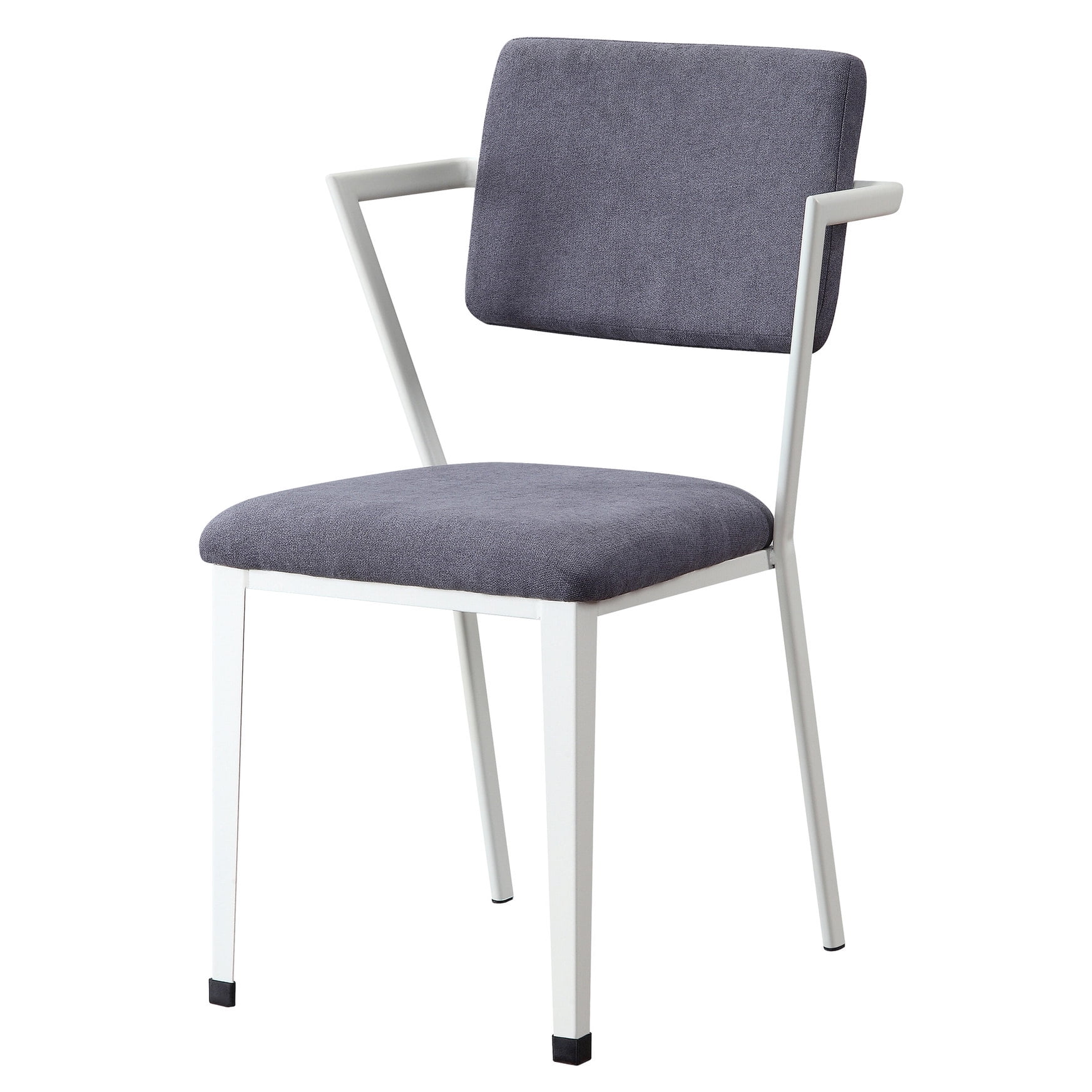
- Industrial Loft: Exposed stitching, black metal frames, distressed leather or canvas-look fabric, and sturdy casters. Brings an urban, rugged feel.
- Luxury Executive: High-back, premium leather (often cognac or black), polished chrome or brass base, and plush cushioning. Commands respect and pairs well with traditional or opulent decor.
How to Integrate a Style Chair Into Your Existing Decor
Think of your chair as part of a larger composition. Here's a simple framework to ensure it fits beautifully:
1. Mirror the room's primary material
If you have a wooden desk, match the chair's base wood tone. If metal accents are present, choose a chair with similar metal finish.
2. Use the color wheel
Complement wall colors: a blue chair against beige walls, or a mustard chair as a pop of warmth in a grey room.
3. Consider scale
A bulky chair can overwhelm a small home office. Opt for open-back designs or lighter colors to maintain visual space.
4. Texture dialogue
Mix textures for depth: a velvet chair with a glass desk, or a leather chair with a wool rug.
Data Snapshot: Style vs. Ergonomics Perception
According to a 2024 workplace trends report, 54% of employees stated that an attractive office chair made them feel more valued by their employer. Furthermore, 47% said they would be more likely to maintain good posture if their chair was aesthetically pleasing. This suggests that style isn't superficial—it encourages better habits.
Frequently Asked Questions About Style Office Chairs
Conclusion: Your Style, Your Support System
Choosing a style office chair is an investment in your daily environment. It's a declaration that functionality need not be sterile, and that beauty can coexist with hours of use. Whether you lean towards the clean lines of Scandinavian design, the warmth of mid-century wood, or the commanding presence of a leather executive chair, let your choice reflect both your personal taste and your body's needs. After all, a chair that looks good and feels good is the ultimate productivity partner.