
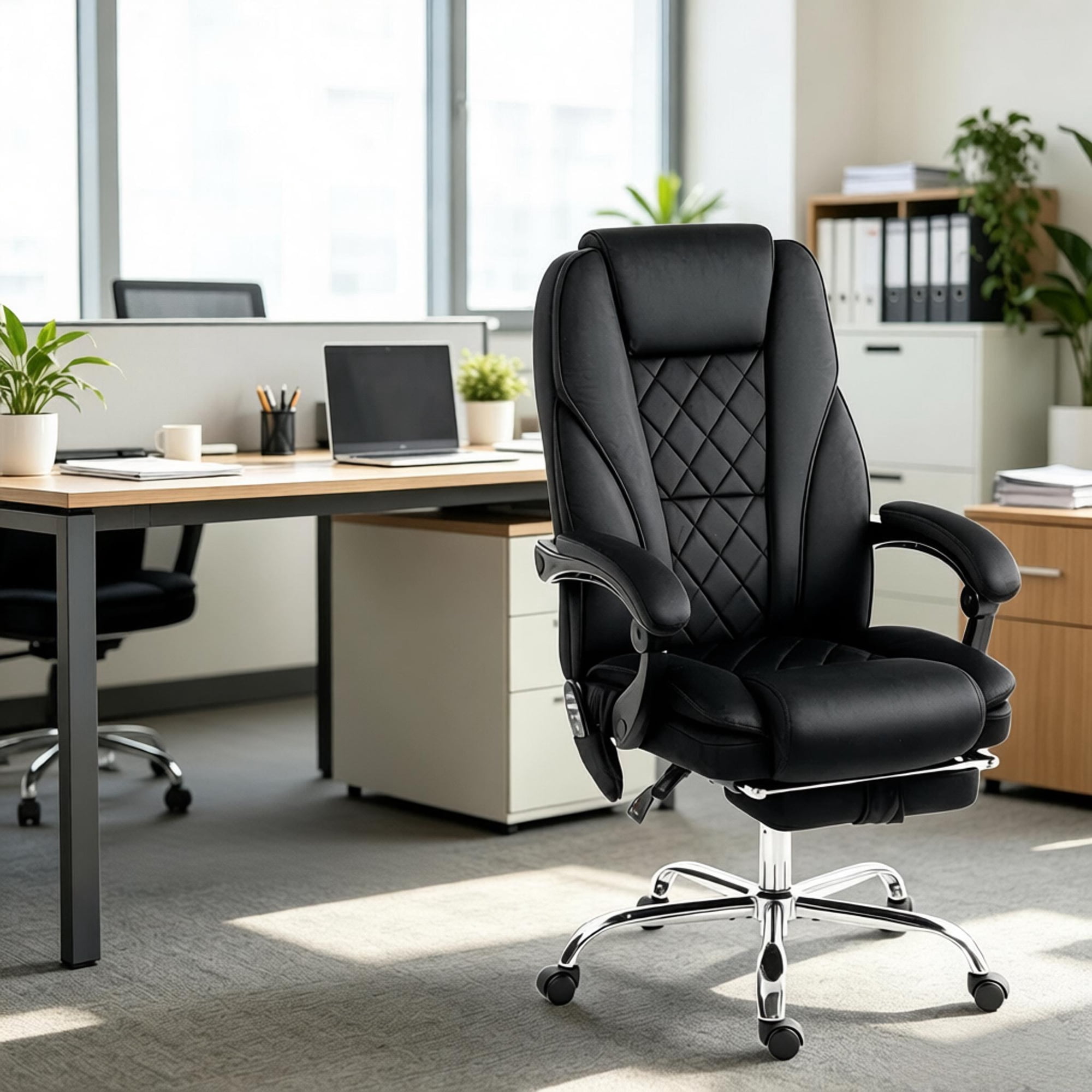
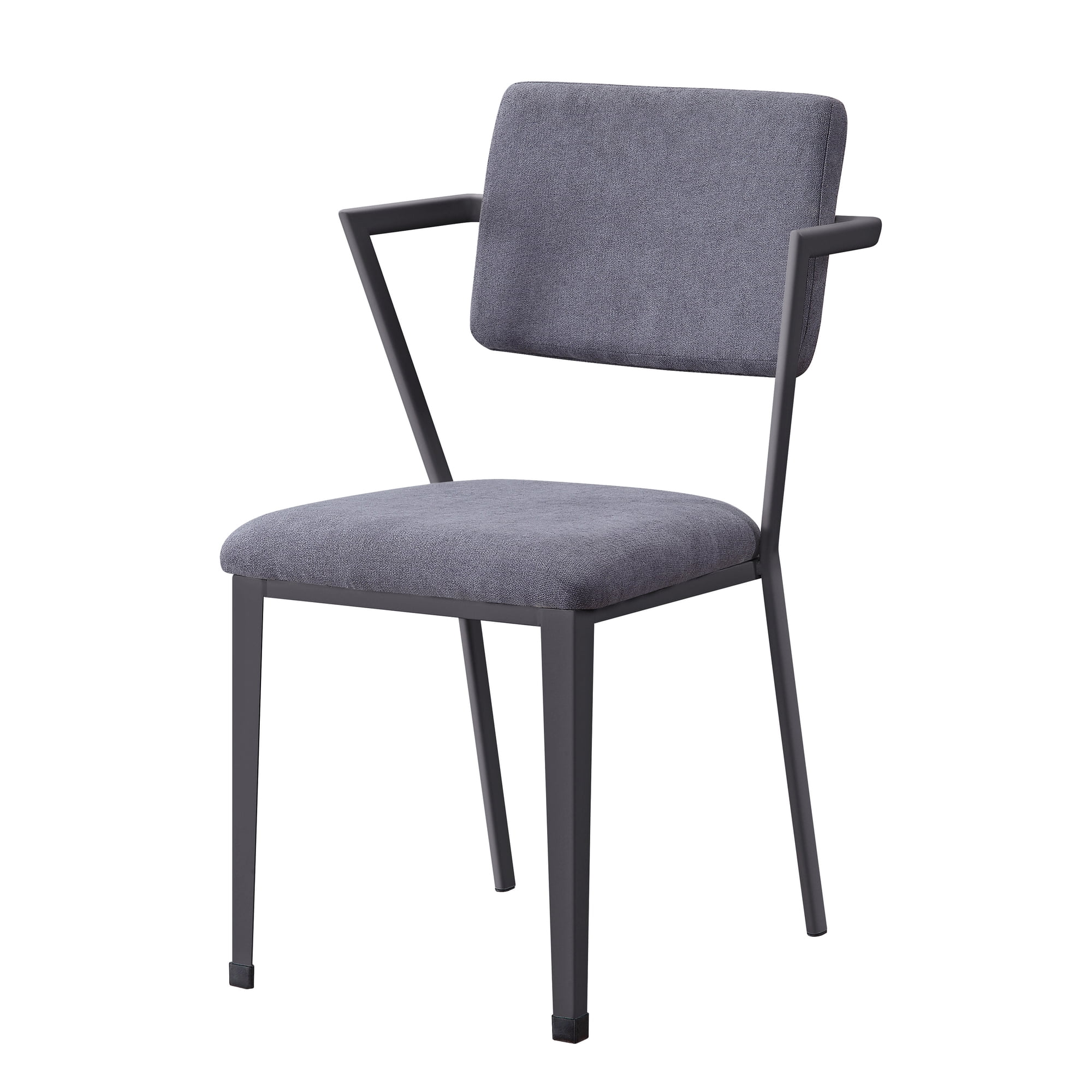
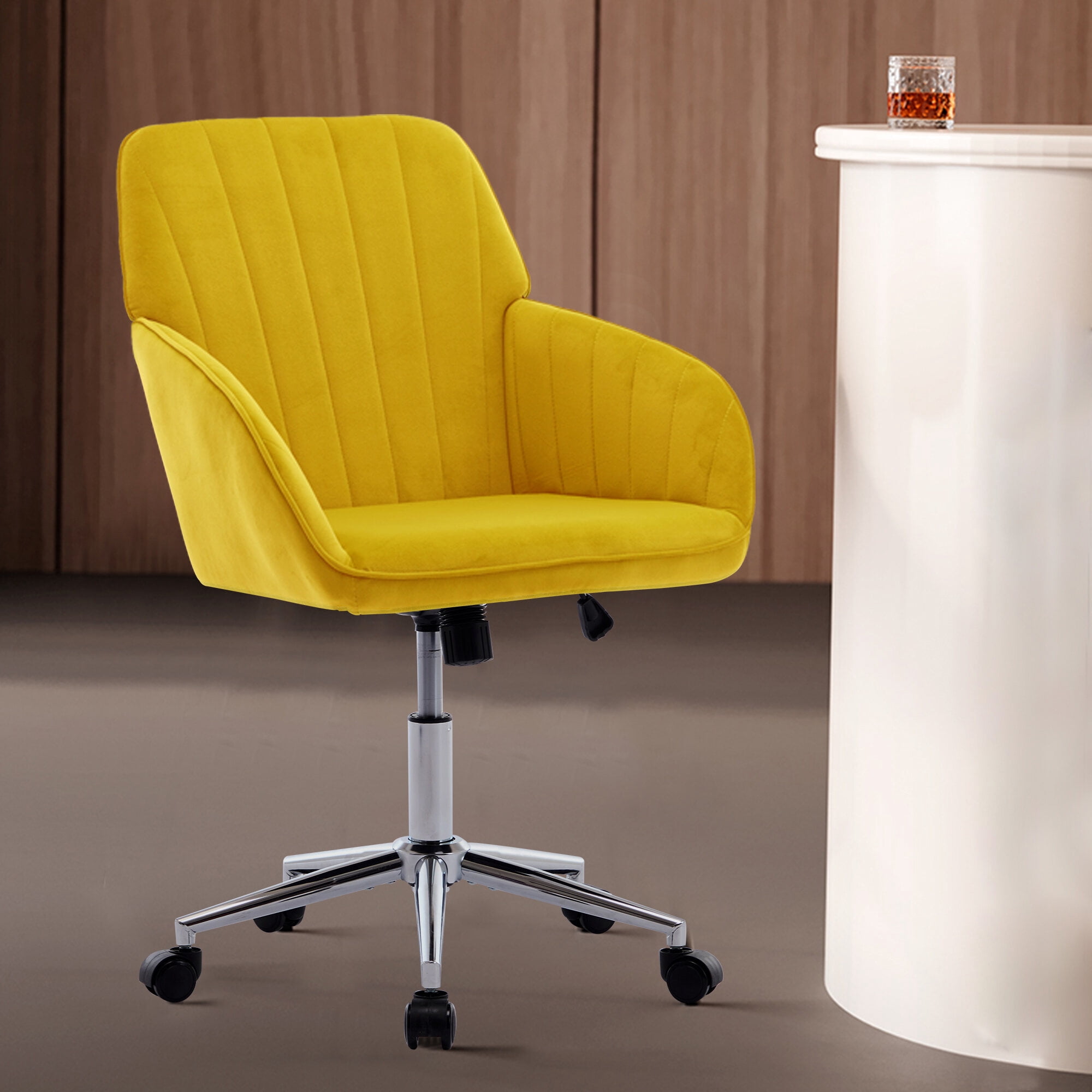
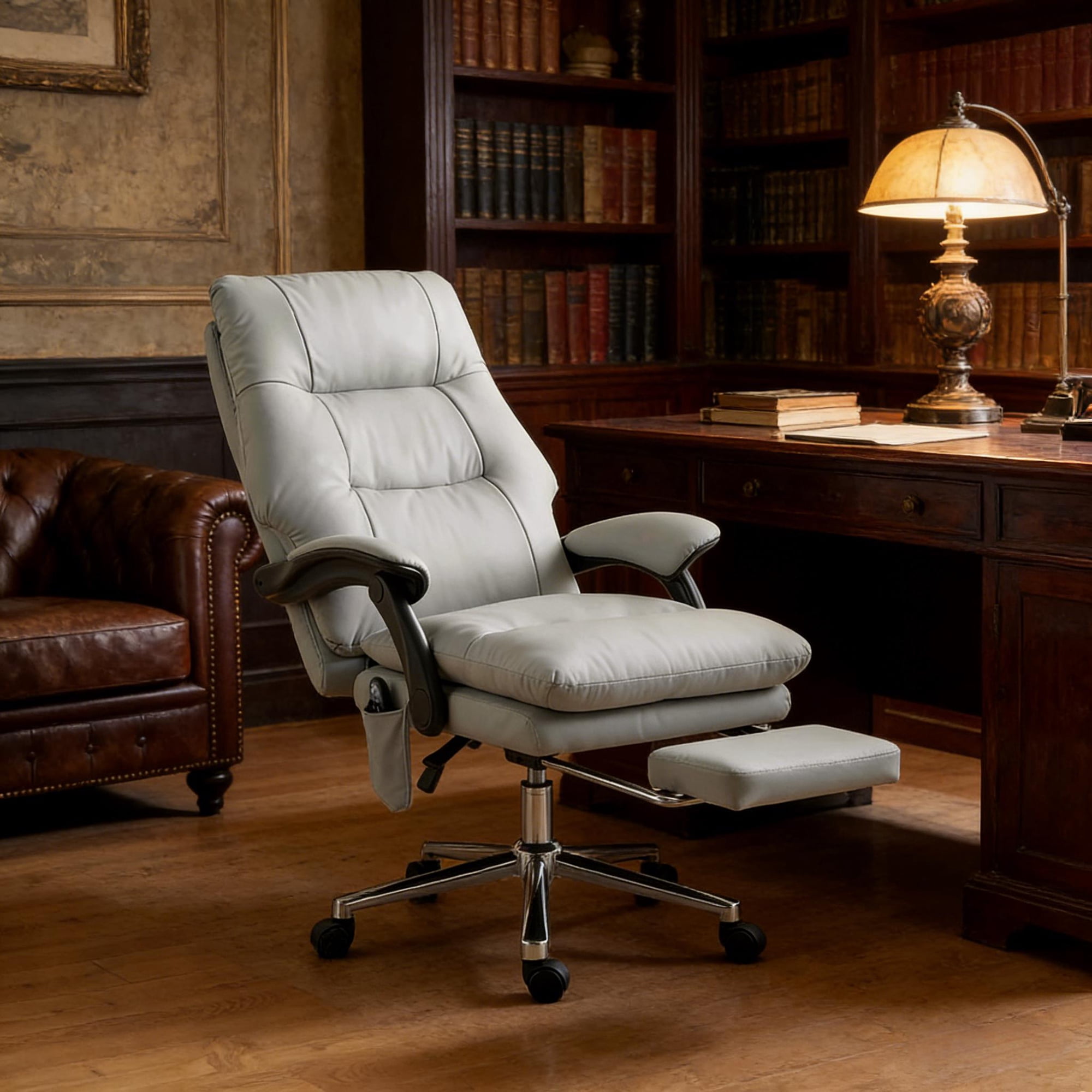
Introduction: Why a "Special" Office Chair Might Be Your Best Investment
Imagine trying to write with a glove that's three sizes too big — awkward, inefficient, and uncomfortable. That's what sitting in a poorly matched office chair feels like for millions of people. A special office chair isn't a luxury; for many, it's a necessity that bridges the gap between standard seating and individual physical requirements. These chairs cater to specific needs: bariatric support, petite frames, wheelchair accessibility, or therapeutic postural care.
According to the Centers for Disease Control and Prevention (CDC), 1 in 4 adults in the U.S. lives with a disability that impacts major life activities, including sitting and working. Furthermore, the average American sits for 6.5 to 8 hours daily. For those with non-average body types or specific health challenges, a standard chair can exacerbate pain, reduce productivity, and even lead to long-term musculoskeletal disorders. This guide dives deep into the world of adaptive seating, helping you find a chair that fits not just your body, but your life.
Understanding the Spectrum of Special Office Chairs
Unlike general office chairs, "special" chairs are engineered with a primary focus on accommodation. Let's break down the main categories.
1. Bariatric & Heavy-Duty Special Office Chairs
Designed for users typically weighing over 300 pounds, these chairs feature reinforced frames, wider seats, and higher-density foam. A study in the journal Work indicated that proper seating for bariatric individuals reduces pressure ulcers and improves workplace comfort by over 60%. Key features include:
- Steel-reinforced frames with weight capacities ranging from 400 to 800+ lbs.
- Wider seat pans (typically 22-30 inches) and deeper backs for full support.
- Heavy-duty gas lifts and larger, more durable casters (often 3-inch) for stability and easy rolling.
- Reinforced armrests that withstand significant downward pressure.
2. Petite & Compact Special Office Chairs
For users under 5'4", standard chairs often force feet to dangle or create pressure behind the knees. Petite special chairs address this with proportional dimensions. Ergonomics research from the Human Factors and Ergonomics Society shows that a properly fitting seat can reduce leg fatigue by up to 40%.
- Shorter seat depth (16-17 inches) to support thighs without compressing the back of knees.
- Lower minimum seat height (as low as 15-16 inches) so feet rest flat on the floor.
- Narrower backrests and adjustable arms that can be brought closer together.
- Lighter tension adjustments that are easier for smaller frames to operate.
3. Chairs for Wheelchair Users & Transfer Assistance
These innovative designs bridge the gap between a wheelchair and a desk chair. They often feature removable arms, higher seat heights (to align with wheelchair seat height), and stable bases for safe transfers.
- Flip-up or removable armrests allow for side transfers without obstruction.
- Seat height range matching wheelchair height (typically 19-22 inches) for level transfers.
- Sturdy, non-tip bases and locking casters for stability during transfer.
- Easy-clean upholstery (medical-grade vinyl) for hygiene needs.
4. Medical & Therapeutic Support Chairs
These chairs integrate features for specific conditions like chronic back pain, sciatica, or poor posture. They go beyond standard ergonomics.
- Multi-dimensional lumbar support (height, depth, and sometimes inflatable air bladders) for customized spinal alignment.
- Dynamic tilt mechanisms that encourage micro-movements and reduce static sitting pressure.
- Forward tilt function to open the hip angle, beneficial for those with lower back stiffness.
- Optional headrests and leg rests for conditions requiring elevation or complete support.
Quick Comparison: Standard vs. Special Office Chair
| Feature | Standard Office Chair | Special Office Chair |
|---|---|---|
| Weight Capacity | Up to 250-300 lbs | 400 - 800+ lbs (bariatric models) |
| Seat Width | 18 - 20 inches | 20 - 30 inches (adaptive width) |
| Seat Depth Range | 17 - 19 inches (often fixed) | 15 - 21 inches (adjustable for petite/tall) |
| Armrest Adjustability | 2D or 3D typical | 4D or flip-up/removable for accessibility |
| Casters | Standard 2-inch | Larger (3-inch) or locking for stability |
Step-by-Step Guide: How to Select Your Ideal Special Office Chair
- Measure Your Body & Workspace: Measure your seated popliteal length (back of knee to buttock) for seat depth, and your lower leg length for seat height. Also, measure your hip width while seated.
- Identify Non-Negotiables: List your primary needs: is it weight capacity, transferability, or specific postural support? This will narrow the category.
- Prioritize Adjustability: The more adjustable components, the better the chair can be fine-tuned. Focus on lumbar, seat depth, and armrests.
- Consider Material & Maintenance: For hygiene or allergies, look for antimicrobial, fluid-resistant, or easily wipeable fabrics.
- Check Warranty & Support: Special chairs are investments. Look for at least a 5-year warranty on the frame and mechanical parts.
Real-World Analogy: The Tailored Suit
Think of a special office chair like a tailored suit. An off-the-rack suit might fit okay, but a tailored one fits perfectly — it moves with you, doesn't pinch, and makes you feel confident and comfortable. A special chair is the "tailored suit" of seating. It accounts for your unique measurements and needs, ensuring that you can focus on your work, not your discomfort.
Frequently Asked Questions About Special Office Chairs
Conclusion: Seating That Respects Individuality
Your office chair should be a tool that empowers you, not a barrier you tolerate. A special office chair acknowledges that human bodies are wonderfully diverse, and seating should reflect that. Whether you need the robust support of a bariatric chair, the precise fit of a petite model, or the adaptability of a medical-grade design, investing in the right chair is investing in your long-term health, comfort, and professional effectiveness. Use this guide as your roadmap, and don't hesitate to seek out chairs that are built for *your* unique story.