
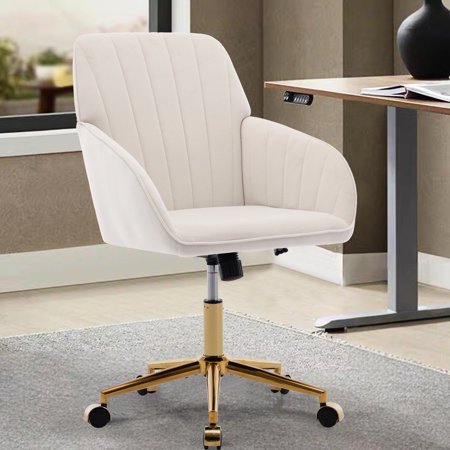
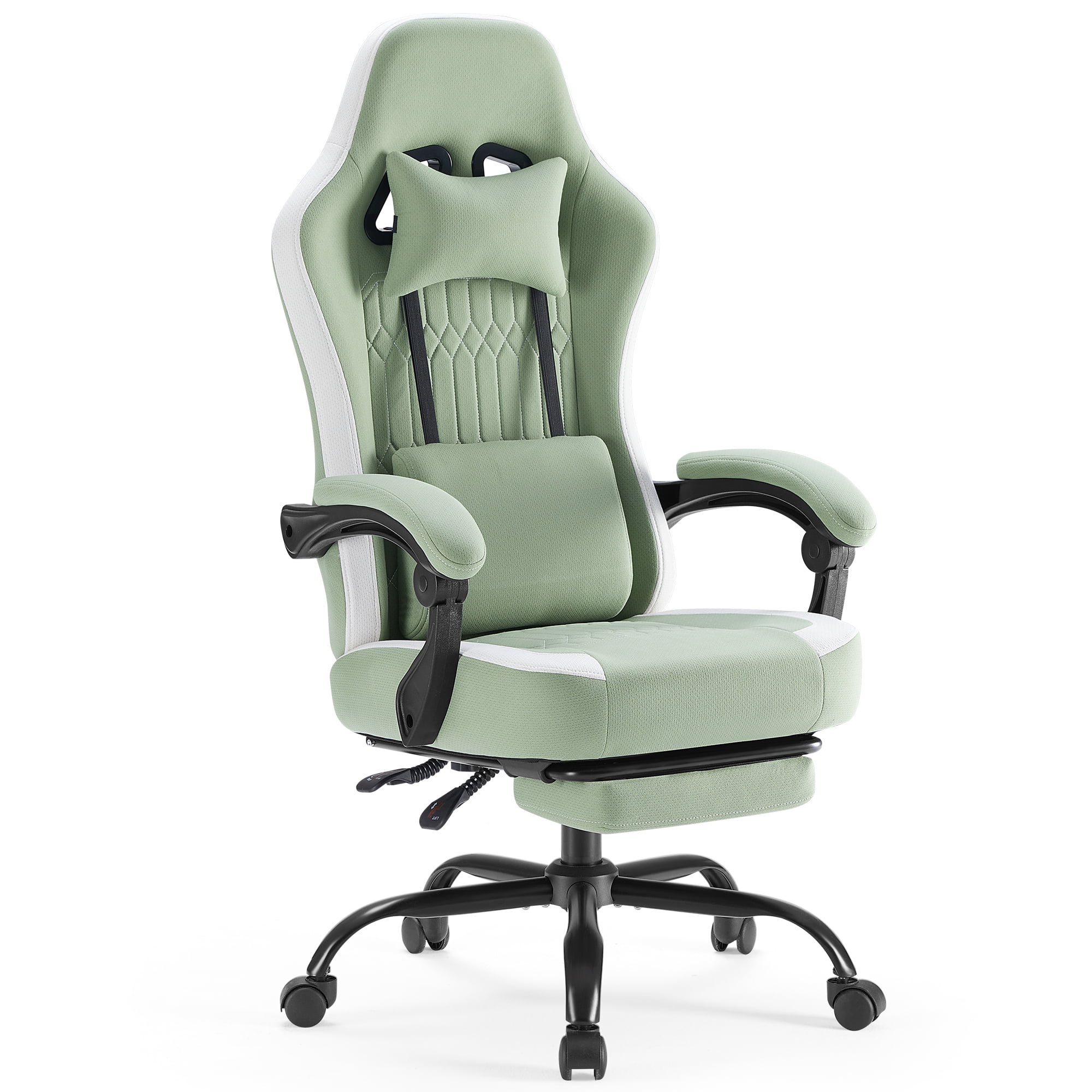
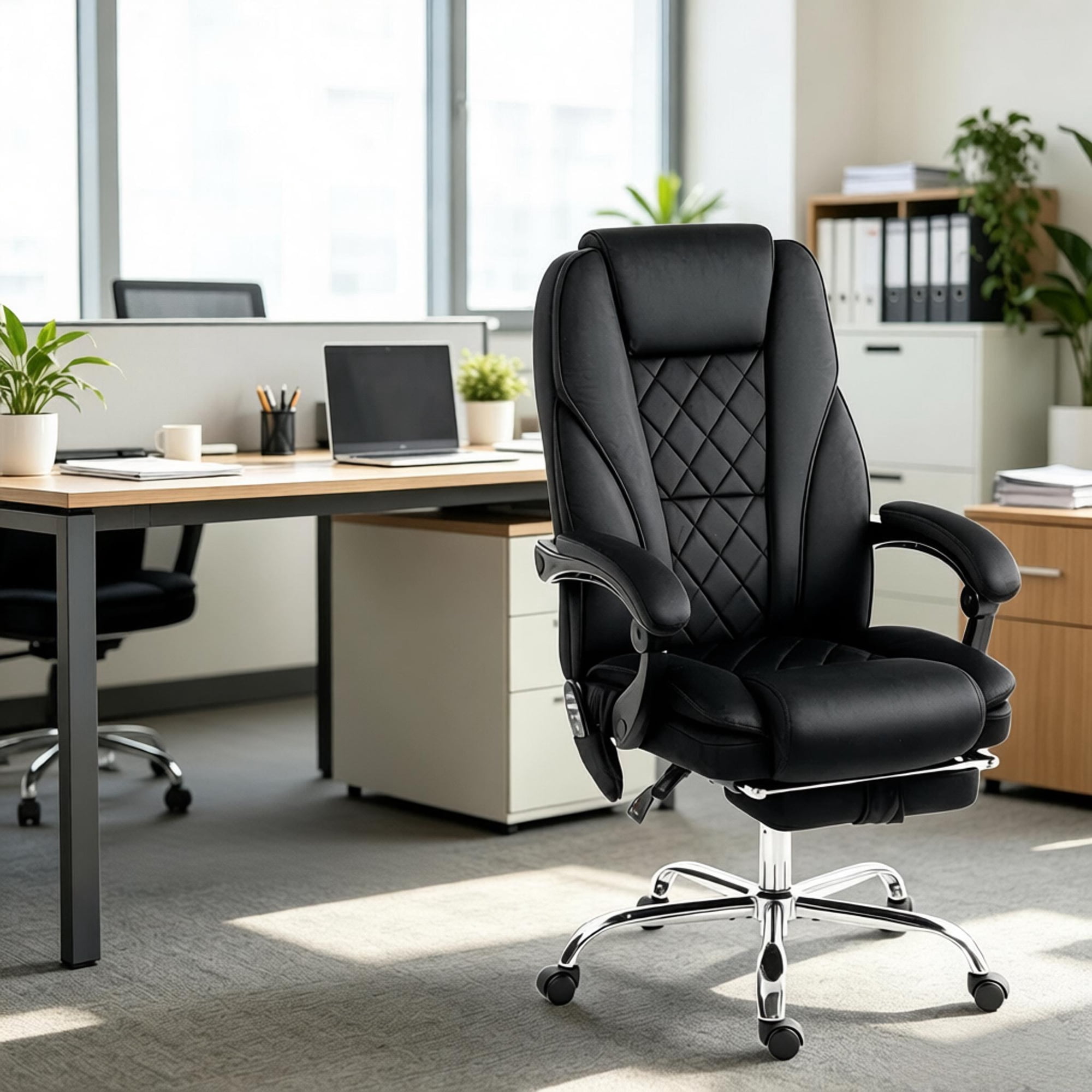
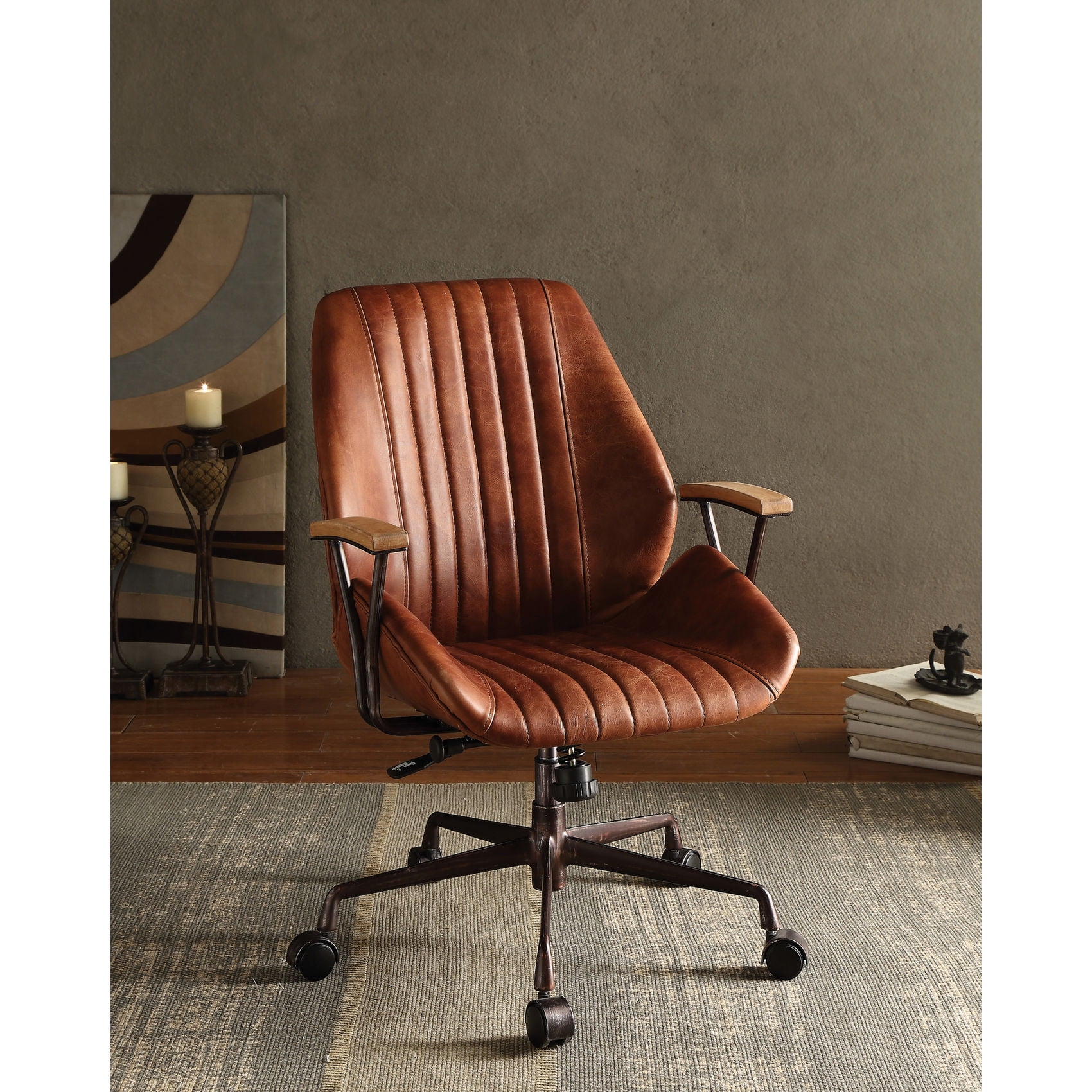
Why Proper Office Chair Selection Matters
Choosing an office chair is one of the most important decisions you'll make for your workspace, impacting not just comfort but also long-term health, productivity, and overall wellbeing. With the average office worker spending approximately 6-10 hours seated daily, the right chair can mean the difference between productive workdays and chronic discomfort.
Research Insight: According to ergonomic studies, properly selected office chairs can reduce workplace discomfort by up to 62%, decrease absenteeism by 28%, and increase productivity by 17%. The investment in proper seating typically pays for itself within 6-9 months through improved performance alone.
Key Considerations When Choosing an Office Chair
Selecting the perfect office chair involves evaluating multiple factors that work together to support your unique body and work style:
- Ergonomic Adjustability: Customization options that adapt to your specific body dimensions
- Material Selection: Choosing between leather, mesh, fabric, or hybrid materials
- Support Systems: Lumbar, thoracic, and sometimes cervical support mechanisms
- Movement Features: Tilt, swivel, and recline functions that encourage healthy movement
- Size and Scale: Proper dimensions matching your body proportions and workspace
The Comprehensive Selection Process
Follow this systematic approach to ensure you select an office chair that meets all your requirements:
| Selection Phase | Key Considerations | Recommended Actions |
|---|---|---|
| Needs Assessment | Identifying your specific work patterns, physical needs, and workspace constraints | Analyze daily schedule, measure workspace, note any existing physical issues |
| Feature Prioritization | Determining which ergonomic features are essential versus optional | Create must-have vs. nice-to-have list based on usage patterns |
| Material Selection | Choosing appropriate upholstery and construction materials | Consider climate, maintenance willingness, durability needs, and aesthetics |
| Adjustment Testing | Ensuring the chair can be properly adjusted to your body | Test all adjustments, check range of motion, verify comfort in various positions |
| Long-Term Evaluation | Considering durability, warranty, and potential future needs | Review warranty terms, check weight capacity, consider adaptability for changing needs |
Health Benefits of Proper Chair Selection
Beyond immediate comfort, a well-chosen office chair provides significant health advantages that compound over time:
Reduced Back Pain
Proper lumbar support decreases spinal pressure by 35-40% compared to basic chairs
Improved Posture
Ergonomic features encourage natural spinal alignment throughout the workday
Enhanced Circulation
Proper seat design prevents pressure points and improves blood flow to legs
Increased Productivity
Comfortable seating reduces distractions and maintains focus for longer periods