
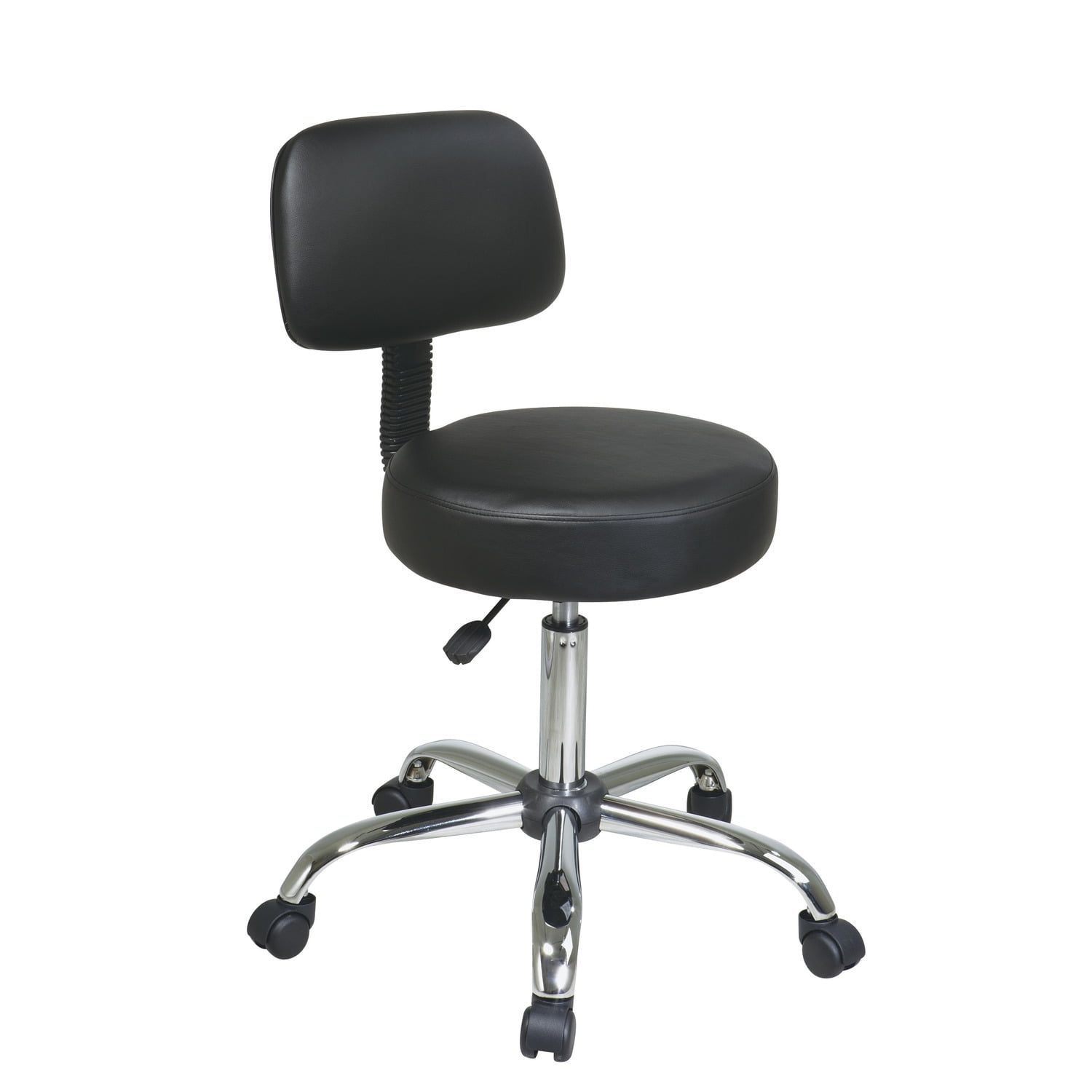
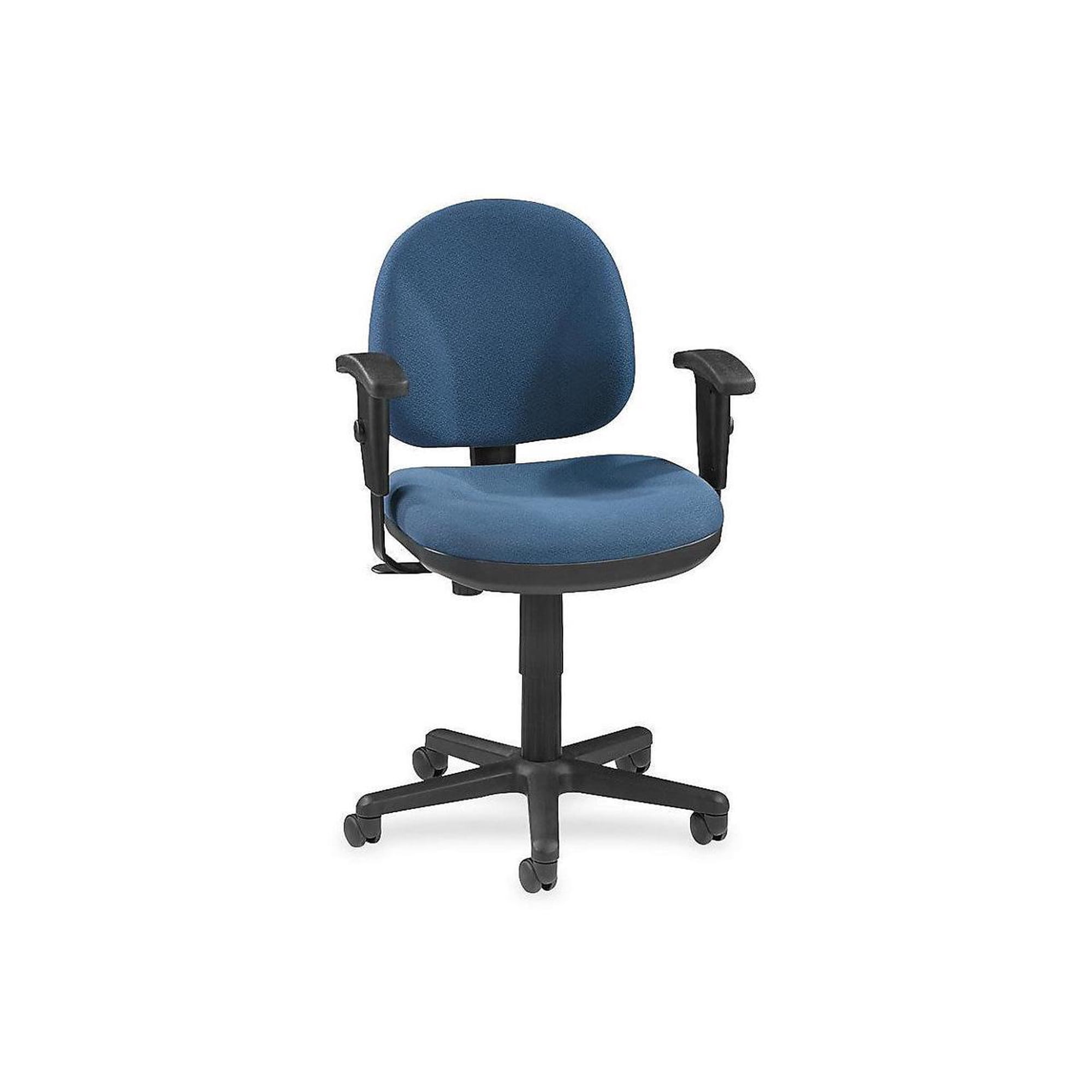

The Essential Role of the Pneumatic Office Chair
Think of the pneumatic lift as the shock absorber and suspension system of your office chair. Just as a car's suspension smooths out a bumpy road, a quality gas lift mechanism allows you to effortlessly adjust your seat height, ensuring your feet rest flat on the floor and your eyes align with your monitor. For millions of office workers and home office users, the humble pneumatic office chair is the unsung hero of daily comfort and productivity.
But not all gas lifts are created equal. From the BIFMA-certified safety standards to the different "classes" of cylinders, understanding what's underneath you can prevent back pain, increase the lifespan of your chair, and even avoid rare but serious safety issues. This guide dives deep into the world of pneumatic office seating, helping you make a smart, informed purchase.
Anatomy of a Pneumatic Chair: How the Gas Lift Works
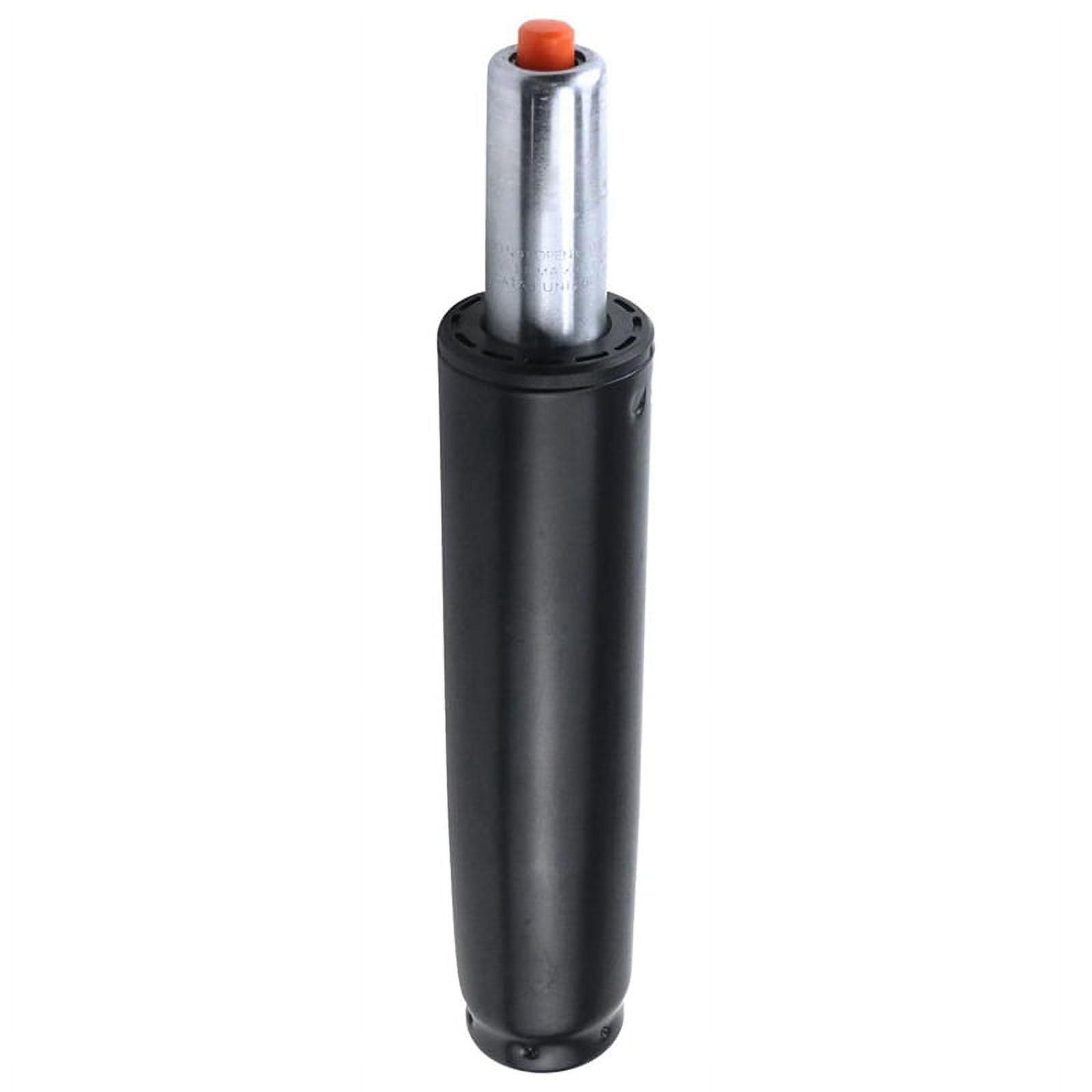
At its core, the pneumatic mechanism is a marvel of simple physics. Inside the steel cylinder, there is pressurized nitrogen gas. When you pull the height adjustment lever, a valve opens, allowing gas to flow from one side of a piston to the other. This changes the pressure balance and moves the seat up or down. Release the lever, and the valve closes, locking the height in place.
Gas Lift Classes: Decoding the Numbers (Class 2, 3, 4)
This is the most critical specification for durability and safety. These classes refer to the BIFMA (Business and Institutional Furniture Manufacturers Association) standards testing.
- Class 2 cylinders are typically found in budget or guest chairs used infrequently. They are not designed for 8-hour shifts by larger users.
- Class 3 is the industry standard for most task and executive chairs. It's a reliable choice for the average office worker.
- Class 4 is the premium choice for 24/7 use, big and tall users, or anyone wanting maximum durability and a "rock-solid" feel. Many high-end ergonomic chairs boast Class 4 lifts.
Signs Your Pneumatic Lift Is Failing
No mechanical part lasts forever. Here are the tell-tale signs that your gas lift needs attention or replacement:
- The Slow Sink: You set your chair height, but within minutes or hours, it gradually sinks to its lowest point. This indicates internal seal leakage.
- The Uncontrollable Drop: The chair drops immediately when you sit down.
- Sticking or Jerky Movement: The chair doesn't move smoothly when you pull the lever; it might stick or move in bursts.
- Unusual Noises: Grinding, hissing (beyond the normal quiet hiss), or squeaking from the cylinder area.
Safety First: Certification You Must Look For
While extremely rare today with quality chairs, there have been historical instances of cheap, uncertified gas lifts failing explosively. To ensure your safety:
- Look for the BIFMA X5.1 standard (common in North America) or the TÜV/GS mark (common in Europe).
- These certifications involve pressure tests that simulate years of use and ensure the cylinder won't burst under load.
- Most reputable manufacturers, including those found on Walmart, use certified lifts. If you are buying a no-name chair for $50, be cautious.
Choosing the Right Pneumatic Chair: A Step-by-Step Guide
Step 1: Assess Your Weight and Usage Intensity
Use the Gas Lift Class guide above. If you weigh over 225 lbs or sit for more than 8 hours a day, jump straight to a Class 3 or 4 chair. This is not just about lift durability; it also ensures the base and casters are heavy-duty.
Step 2: Consider Height Range
Pneumatic chairs have a specific stroke length—the distance the seat can travel. Standard strokes are 4-6 inches. If you are very tall or very short, check the "seat height range" in the specs. You want a range that allows your thighs to be parallel to the floor with feet flat.
Step 3: Material and Comfort Interaction
The pneumatic lift works in tandem with the seat cushion. A high-density foam seat will distribute your weight better, reducing pressure on the lift mechanism over time. A saggy, worn-out seat can also make you feel like the lift is failing.
Step 4: Check for Easy Replacement Options
Even the best lifts eventually wear out. A well-designed chair allows for gas lift replacement. This is an easy DIY fix (universal replacements are widely available) that can give your favorite chair a second life. Look for chairs where the lift cylinder is accessible and not permanently enclosed.
✅ Advantages of Pneumatic Chairs
- Effortless Adjustability: Change height with a simple lever, even while seated.
- Ergonomic Necessity: Essential for achieving correct posture relative to your desk.
- Shared Workstations: Perfect for hot-desking environments where different users need different heights.
- Smooth Motion: Gas lifts provide a much smoother ride than old-school mechanical spindles.
- Widely Available: The vast majority of modern office chairs use this system, meaning parts and replacements are easy to find.
⚠️ Limitations to Keep in Mind
- Wear and Tear: The gas lift is a consumable part and will eventually fail.
- Quality Variance: Cheap, uncertified lifts can be unsafe or fail quickly.
- Limited Repairability: Some budget chairs have non-standard cylinder sizes, making replacement difficult.
- Temperature Sensitivity: In extreme cold, gas pressure can drop, making the lift feel sluggish (though this is rare indoors).
Pneumatic vs. Mechanical vs. Electric: A Quick Comparison
While pneumatic is the king of office chairs, it's worth knowing the alternatives:
| Type | Mechanism | Best For |
|---|---|---|
| Pneumatic (Gas) | Uses compressed nitrogen for spring-assisted adjustment. | 99% of office tasks. Perfect balance of cost, smoothness, and durability. |
| Mechanical (Spindle) | A threaded rod and nut; you spin the seat to raise/lower it. | Very basic stools or vintage chairs. Inconvenient for frequent changes. |
| Electric | A motor drives the height adjustment, often with memory presets. | High-end luxury chairs or standing desk integrations. Expensive and heavy. |
For the vast majority, a quality pneumatic chair offers the best value and functionality.
Frequently Asked Questions About Pneumatic Office Chairs
Conclusion: Invest in a Reliable Pneumatic Lift for Long-Term Comfort
The pneumatic office chair is a cornerstone of modern ergonomics. The ability to effortlessly change your seat height throughout the day encourages movement, improves circulation, and keeps your workspace adaptable. When shopping for your next chair, don't just look at the upholstery; investigate the gas lift. Prioritize chairs that clearly state they use a Class 3 or Class 4 BIFMA-certified cylinder. This small detail is the difference between a chair that lasts five years and one that lasts ten, between a wobbly seat and a stable foundation. Use the product grid below to explore top-rated pneumatic chairs that combine smooth adjustment with durable construction.