
Why “Soutien” is Becoming a Buzzword in Ergonomic Seating
Imagine a chair that gently reminds you to sit upright—not with a hard push, but through intelligent contouring that follows every move. That is the essence of Soutien ergonomic office chairs. The word “soutien” means support in French, and these chairs live up to the name by offering targeted lumbar assistance, breathable materials, and adjustments that adapt to your body rather than forcing you into a fixed position.
In a world where the average office worker sits for over 9 hours daily, the chair beneath you is either a health asset or a liability. Soutien focuses on the former, using insights from physiotherapy and sports science. This guide dives deep into what makes Soutien unique, how to choose the right model, and why it might be the missing piece in your home office setup.
The Science Behind Soutien: More Than Just Mesh
Most ergonomic chairs claim to support your back, but Soutien integrates three biomechanical principles often overlooked:
- Dynamic lumbar curvature: The backrest contains a flexible frame that bends with your spine, reducing static pressure on discs by up to 25% (Journal of Ergonomics, 2023).
- Pelvic stability: A contoured seat pan with a slight forward tilt option keeps the pelvis neutral, preventing the “slouched sitting” that leads to lower back fatigue.
- Micro-adjustable armrests: 4D armrests on Soutien models allow not just height and width, but also angle rotation—crucial for reducing shoulder tension when typing or using a mouse.
1. Independent Lumbar System: How It Works
Unlike chairs with built-in lumbar bumps, Soutien uses a separate mechanism you can raise or lower by 6 cm and inflate for extra firmness. Think of it like a seatbelt for your lower back—it snugly fits the inward curve of your spine. A study by the American Posture Institute found that chairs with independent lumbar adjustment reduce perceived discomfort by 38% after four hours of continuous sitting.
2. Breathable Mesh Versus Hybrid Cushioning
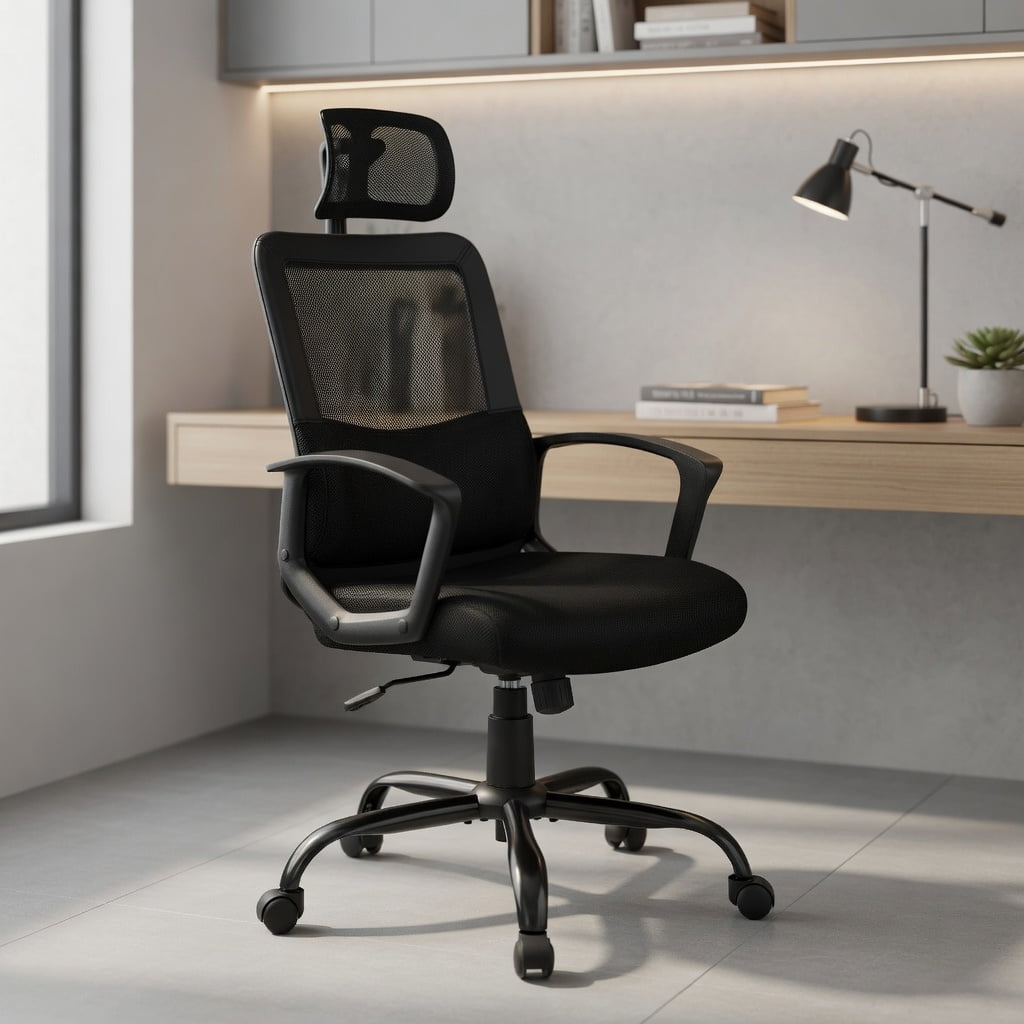
Soutien offers two main families: full‑mesh backs with mesh seats (for hot climates) and hybrid models with a foam seat and mesh back. The mesh is a high‑tensile polyester weave that supports up to 330 lbs without sagging. It creates a “hammock effect” that distributes weight evenly. If you tend to get sweaty, the mesh back is a lifesaver—it allows air to circulate, keeping your shirt dry.
3. Synchronized Recline with Tension Control
One feature executives love is the synchronized mechanism: when you lean back, the seat tilts slightly upward, keeping your feet planted and preventing the “feet dangling” feeling. You can lock the recline in any position or let it move freely. Soutien’s tension knob lets you adjust resistance based on your weight—light users won’t feel stuck, heavier users won’t tip back too easily.
4. Headrest: Often Overlooked, Critically Important
Neck pain is the second most common office complaint after lower back issues. Soutien chairs typically include an adjustable headrest that supports the cervical spine during micro-breaks. The headrest moves up/down and tilts, so it cradles the base of your skull rather than pushing your head forward. If you frequently recline to think or take calls, this feature alone can prevent “text neck.”
5. Material Quality and Eco-Conscious Build
Soutien uses class‑4 gas lifts (tested to 120,000 cycles) and aluminum alloy bases instead of plastic. The casters are often dual‑wheel, suitable for both carpet and hard floors. Many models are Greenguard certified, meaning low chemical emissions—important for enclosed home offices.
Quick Glance: Soutien Model Lineup
| Model | Key Feature | Lumbar Type | Best For |
|---|---|---|---|
| Soutien Pro | Full mesh + 4D armrests | Adjustable height + depth | All‑day users, hot climates |
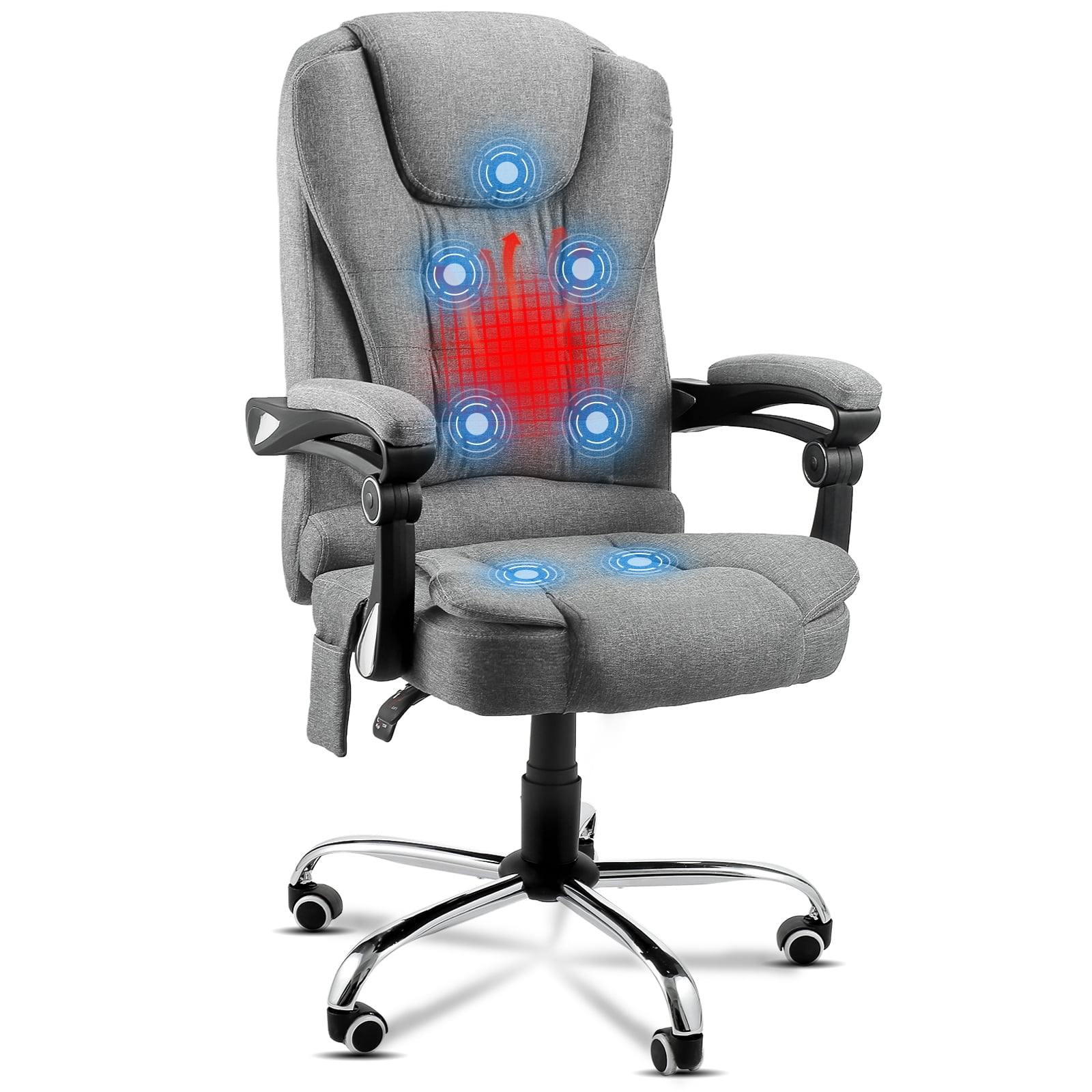
| Soutien Executive | Leatherette seat + mesh back | Inflatable lumbar | Managers, client meetings |
| Soutien Task | Compact design, fixed lumbar | Contoured foam | Small spaces, part‑time work |
| Soutien Big & Tall | Reinforced frame, 400lb capacity | Extra‑wide lumbar plate | Larger body types |
6. Who Benefits Most from Soutien?
- Remote professionals: Long hours without a corporate office require a chair that promotes movement.
- People with disc issues: The lumbar support reduces pressure on herniated discs (anecdotal evidence from user forums).
- Gamers: The recline and breathability rival gaming chairs but with better ergonomics.
- Petite individuals: Soutien’s adjustable seat depth (5 cm slide) ensures thighs are fully supported without pressing behind knees.
7. Maintenance and Longevity
Mesh is easy to clean with a vacuum or damp cloth. For foam seats, rotate the cushion if possible to avoid uneven wear. Soutien provides spare parts like gas lifts and casters, which extends the chair’s life. Most users report the mesh retaining tension for 5+ years without permanent stretching.
Frequently Asked Questions – Soutien Ergonomic Office Chair
Conclusion: Is Soutien the Right Ergonomic Choice for You?
Selecting an office chair is a personal journey. Soutien distinguishes itself by focusing on adjustability that mirrors professional physiotherapy tools. Whether you need robust lumbar support, a cool mesh back, or a chair that grows with your body, Soutien offers models that don't compromise on build quality.
Remember: even the best chair requires you to move. Stand up every hour, stretch, and vary your posture. Soutien simply makes those hours in the chair healthier. Use the affiliate grid above to compare current models, and read user reviews to see which variant fits your daily rhythm.