
Why Short Seat Depth Chairs Are Essential for Ergonomic Alignment
Imagine wearing shoes that are two sizes too big — you'd constantly adjust your stride, causing blisters and discomfort. The same principle applies to office seating. A standard office chair with a deep seat pan forces shorter individuals into unnatural postures, leading to slouching, lower back strain, and even restricted circulation in the legs. An office chair with short seat depth solves this fundamental mismatch, allowing your thighs to be fully supported without pressing against the back of your knees.
Ergonomic Insight: According to the Human Factors and Ergonomics Society, approximately 65% of office workers use chairs that are improperly sized. A seat depth that exceeds thigh length by more than 1.5 inches increases lumbar disc pressure by up to 28%. Choosing a short-depth chair directly mitigates this risk.
Who Needs a Short Seat Depth Chair?
Short seat depth isn't exclusively for petite individuals. It's a critical ergonomic feature for anyone who experiences:
- Petite stature (under 5'5"): Standard chairs often feel like oversized thrones, creating a gap between the lower back and the backrest.
- Shorter thigh length: Even if height is average, individual body proportions vary; some people have shorter femurs requiring compact seat pans.
- Knee or leg circulation issues: Deep seats cut off circulation behind the knees, leading to numbness and discomfort.
- Preference for active sitting: A well-fitted seat encourages dynamic posture and reduces pressure points.
The Anatomy of a Perfect Short Depth Office Chair
Not all chairs labeled "compact" deliver the same quality. A truly ergonomic short-depth chair integrates several design elements that work together:
💳 Seat Pan Dimensions
Depth: 15 to 17 inches (ideal for 5'0" – 5'6" users). Width: 18-20 inches to avoid a bulky fit. These dimensions ensure your back contacts the lumbar support naturally.
⚙️ Adjustable Mechanisms
Look for a seat depth slider that offers at least 1.5 inches of travel, plus pneumatic seat height adjustment (as low as 16 inches from floor). Adjustable armrests (3D/4D) allow narrower positioning for petite shoulders.
💃 Lumbar & Backrest Fit
A shorter backrest height (18-22 inches) prevents the shoulder blades from being pushed forward. Integrated or adjustable lumbar support ensures the curve aligns with your lumbar spine — crucial for back health.
5 Signs Your Current Office Chair Seat Depth Is Wrong
Still unsure if you need a short-depth chair? Here are telltale signs that your seat pan is too deep:
- ❌ You sit with a cushion behind your back: That's a DIY fix for excessive depth, but it compromises lumbar alignment.
- ❌ Your legs fall asleep after 30 minutes: Pressure on the popliteal vessels indicates the seat edge is pressing into your thighs.
- ❌ You constantly scoot forward: This creates a "C" curve in the spine and eliminates support from the backrest.
- ❌ You cannot reach the floor comfortably: When the seat is too deep, your knees may lock or you compensate by perching.
- ❌ You experience persistent lower back pain despite having a "good" chair: The mismatch between seat depth and leg length is a leading hidden cause of office-related back pain.
Material & Construction Considerations for Short Depth Models
Compact chairs come in a variety of materials, each with specific benefits for petite users:
Material Suitability for Short-Seat Chairs
- Breathable Mesh – Ideal for warm climates and active sitting; often features contouring that complements a smaller frame. Mesh backrests also provide flexible lumbar tension.
- Premium Fabric – Soft and warm; high-density foam in a shorter seat pan ensures adequate cushioning without excessive bulk. Great for executive aesthetics.
- Leather / Faux Leather – Provides a sleek look; ensure the seat foam is not overly firm and that the seat depth is truly compact (since leather can add visual bulk).
Pro Tip: When testing a short-depth chair, sit all the way back and measure the gap behind your knees. Ideally, you should have 2 to 3 finger widths of space — no more, no less. This ensures both support and freedom of movement.
Health Benefits Beyond Comfort: Why Size Matters
Selecting an office chair with appropriate seat depth is a long-term investment in your musculoskeletal health. Here’s how proper sizing translates into measurable benefits:
- Improved Spinal Alignment: Maintaining the natural S-curve of your spine reduces disc degeneration risks. A proper depth allows the pelvis to tilt correctly against the backrest.
- Enhanced Circulation: No more "pins and needles" sensation; blood flows freely to lower extremities, reducing varicose vein risk and leg fatigue.
- Higher Productivity & Focus: When you’re not fidgeting or adjusting every 10 minutes, cognitive resources stay dedicated to work. Studies show ergonomic interventions can boost task performance by 12-17%.
- Postural Awareness: A chair that fits correctly makes it easier to maintain a neutral posture without conscious effort, reinforcing healthy habits.
Data Point: A 2022 workplace study published in the Journal of Ergonomics revealed that employees using properly sized chairs (including seat depth) reported 48% less discomfort in the lower back and hips compared to those using standard one-size-fits-all seating.
How to Measure for Your Ideal Short Seat Depth Chair
Before purchasing, follow this simple step-by-step measurement guide to confirm the exact specifications you need:
- Measure Your Thigh Length: Sit on a firm surface with your back straight. Measure from the back of your knee to the wall behind your buttocks (or use a measuring tape from the back of your knee to the end of your glutes). This gives your ideal seat depth in inches.
- Determine Preferred Seat Height Range: With feet flat on the floor, measure from the floor to the crease behind your knee. Subtract 1 inch for pneumatic adjustment. Look for chairs that reach this minimum height (often 16–18 inches).
- Check Seat Width & Armrest Span: Measure your hip width and ensure the seat pan width is at least 1–2 inches wider for comfort. Armrests should adjust to a width that supports elbows without splaying arms outward.
- Cross-reference Product Specs: Use the manufacturer's dimension charts; don't rely solely on “petite” labels. Verify seat depth, minimum seat height, and backrest height.
Frequently Asked Questions (FAQs) About Short Seat Depth Office Chairs
Conclusion & Final Recommendations: Find Your Perfect Compact Seating
Choosing an office chair with short seat depth is not just about comfort — it's about aligning your workspace to your body's unique geometry. Whether you're a petite professional, someone with shorter legs, or simply value a snug, supportive seat, a well-sized chair eliminates the physical friction that holds you back. Prioritize models with adjustable depth or dedicated short-seat dimensions, and always test the 2-3 finger rule for the best ergonomic fit.
Our Expert Takeaway
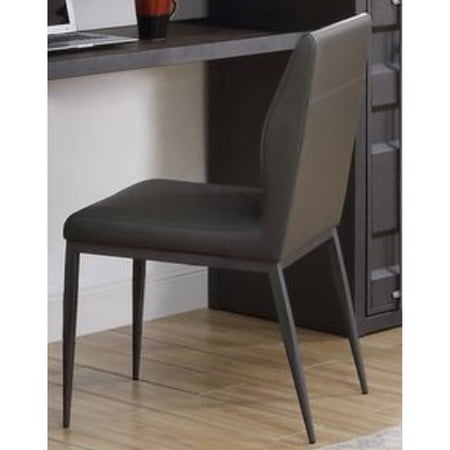
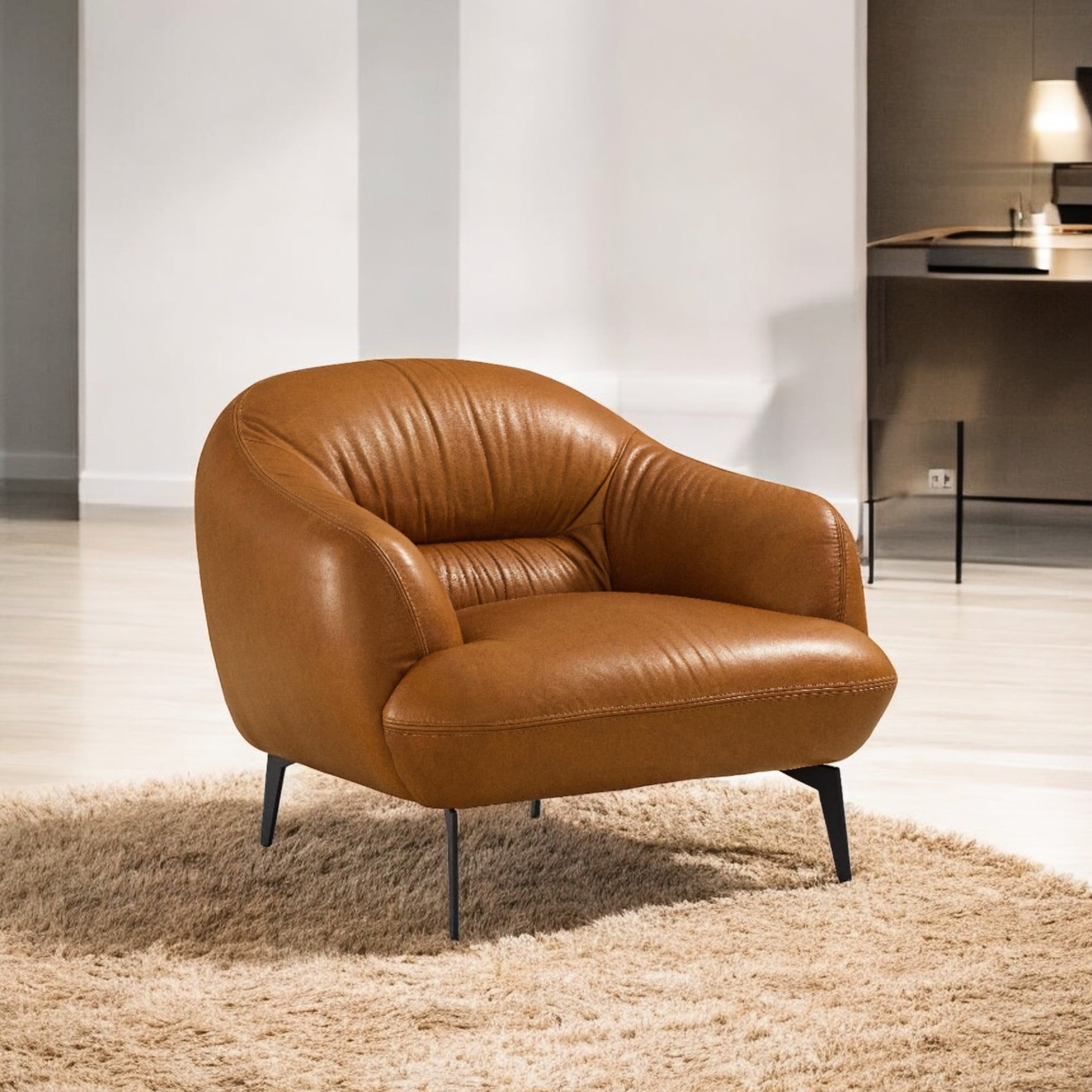
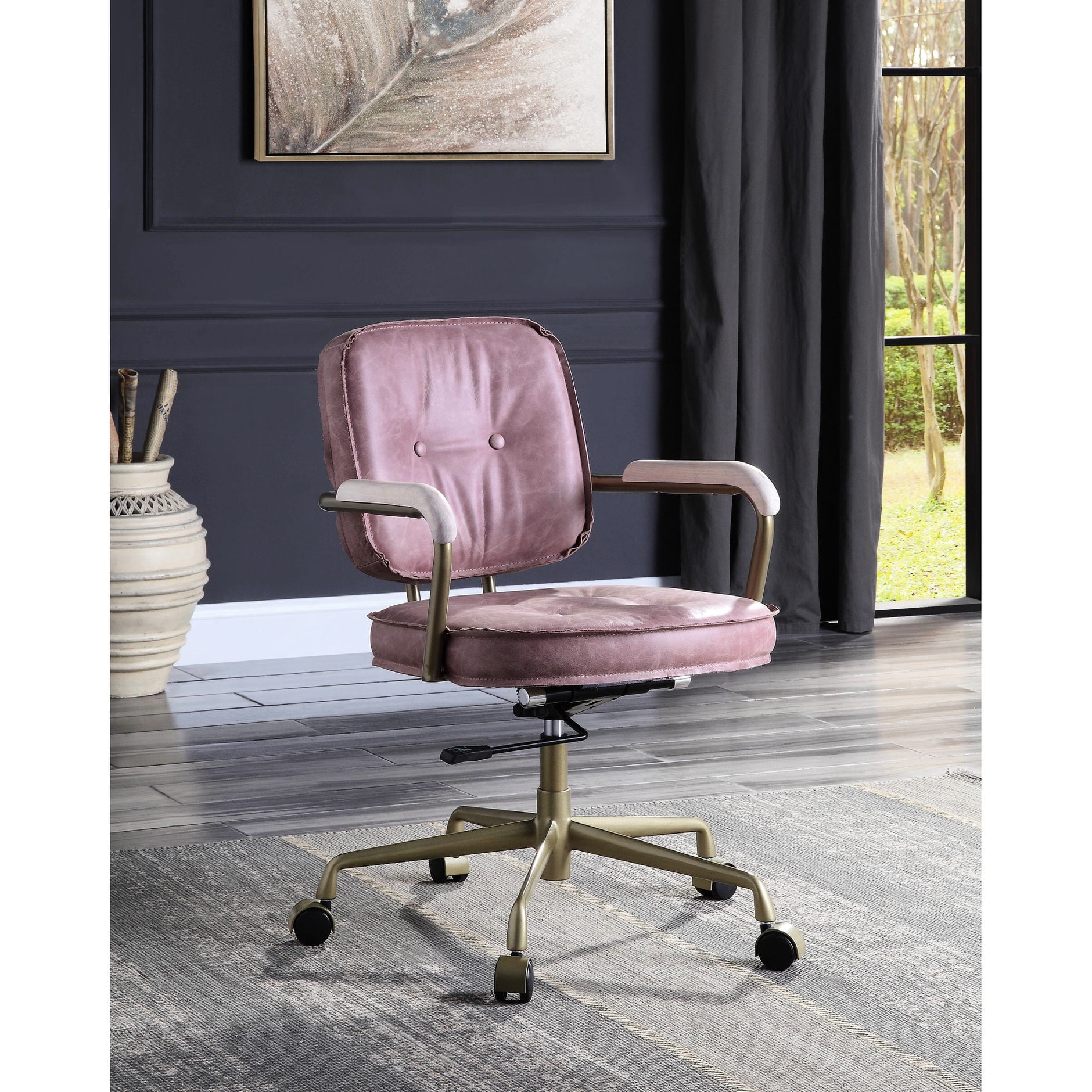
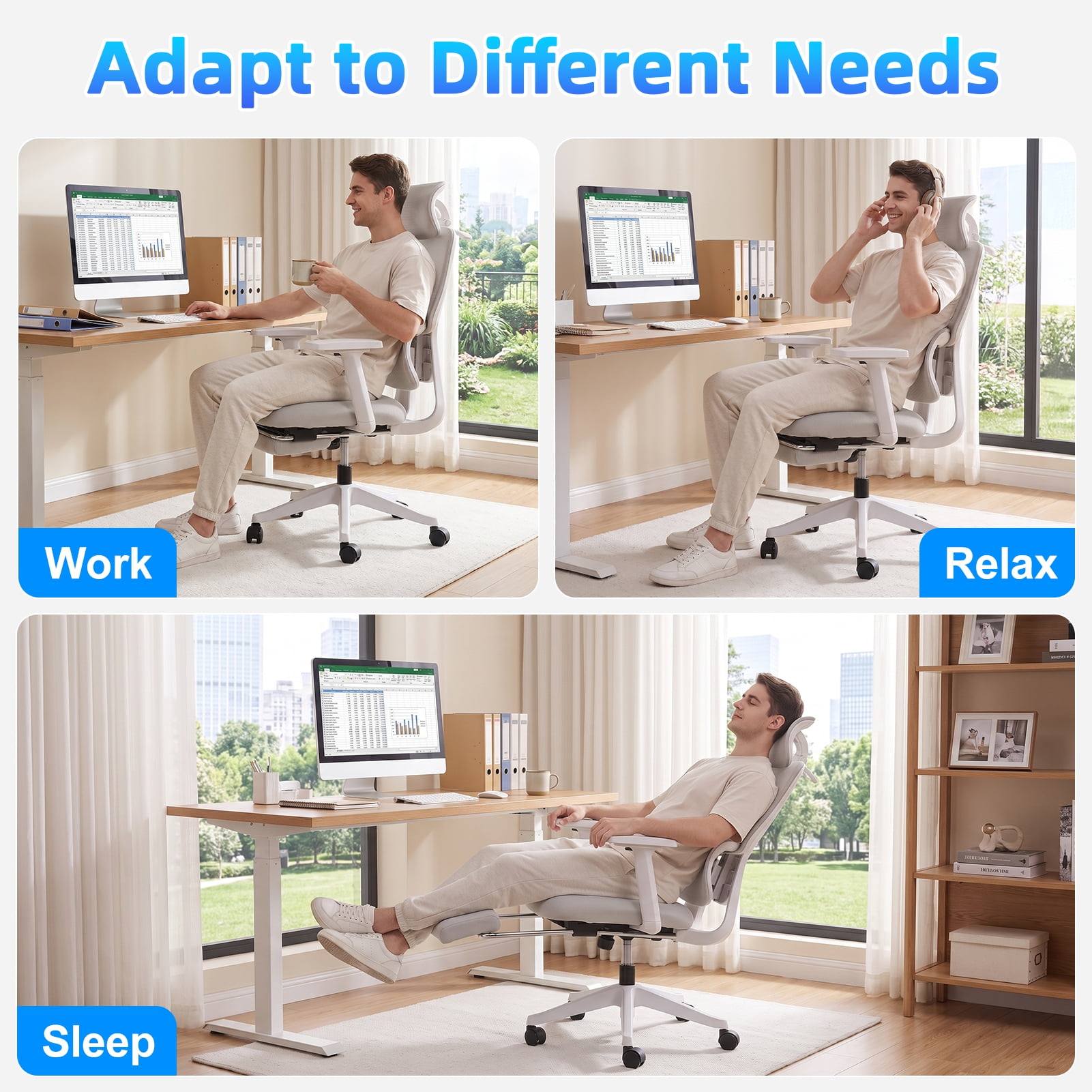
Investing in a proper short-depth office chair reduces injury risk, enhances daily concentration, and provides a professional seating experience tailored to you. The products displayed above are sourced from Walmart's affiliate network, offering a range of compact ergonomic chairs that meet strict depth and support criteria. Browse the selections, cross-reference your measurements, and elevate your sitting experience today.