
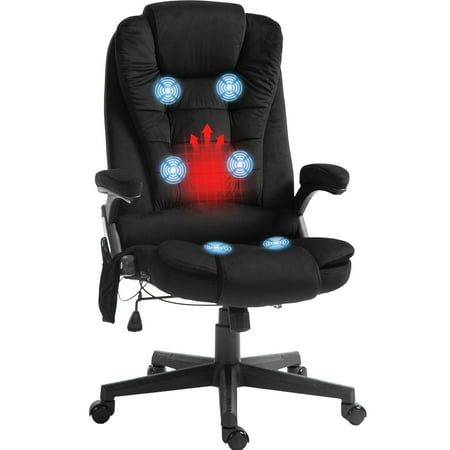
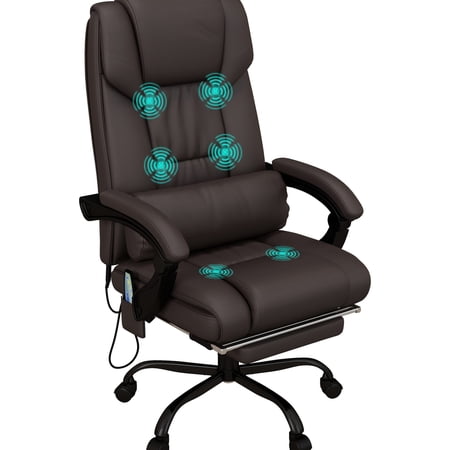
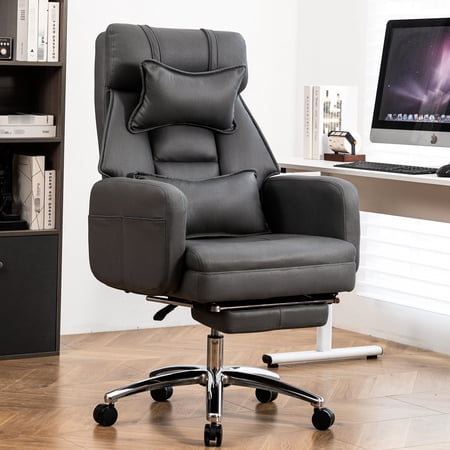
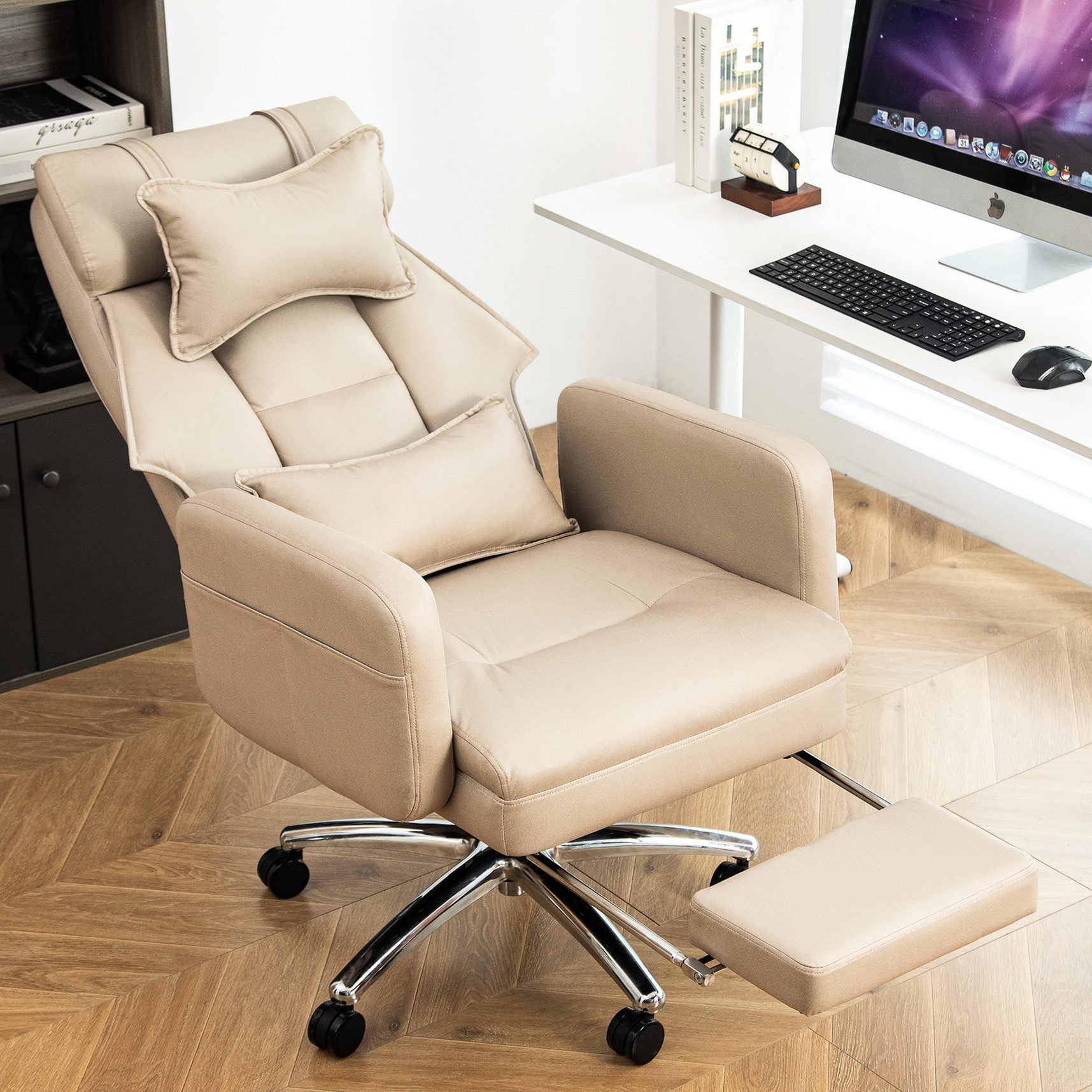
Beyond Ergonomics: The Therapeutic Approach of Relax The Back
When back pain becomes a daily companion, a standard office chair—even an ergonomic one—often falls short. This is where the philosophy of Relax The Back office chairs diverges from the norm. They aren't just about sitting; they are about spinal health, pressure management, and long-term wellness. Think of it as the difference between a standard running shoe and a custom orthotic. One provides basic comfort; the other is designed to correct and support your body's unique structure.
Did You Know? According to the American Chiropractic Association, 80% of the population will experience a back problem at some point in their lives. For office workers, this risk is significantly higher due to prolonged static posture. Relax The Back chairs are engineered to combat this by promoting micro-movements and dynamic sitting.
The Core Philosophy: Why "Therapeutic" Matters
The term "therapeutic" is key. These chairs are often developed with input from orthopedic specialists and physical therapists. They focus on three critical areas:
- Passive vs. Active Support: Standard chairs offer passive support (a static backrest). Relax The Back chairs utilize active support systems that move with you, encouraging your back muscles to engage lightly while providing a firm foundation.
- Pressure Redistribution: They use high-quality, density-specific foams and advanced mesh to eliminate "hot spots" (like tailbone pressure) that cause fidgeting and discomfort.
- Natural Alignment: The goal is to maintain the spine's natural S-curve. This is achieved through independently adjustable lumbar supports that don't just push forward but cradle the lower back.
Anatomy of a Relax The Back Chair: Key Technologies
Not all "ergonomic" chairs are created equal. Here are the hallmark features you'll find in a premium Relax The Back model, which set them apart in the world of office seating.
🔧 Multi-Dimensional Lumbar
Unlike simple pads, these systems offer height, depth, and sometimes angle adjustment. This allows you to perfectly fill the gap between your lumbar spine and the chair, providing true, customized support that prevents slouching.
⚙️ Synchronized Tilt Mechanism
This sophisticated mechanism allows the seat and backrest to move in a carefully calibrated ratio (often 2:1 or 3:1). As you recline, your feet stay planted, and your line of sight to the monitor remains consistent, reducing neck strain.
🌬️ Space-Fabric or Premium Mesh
Many therapeutic chairs utilize a high-tension, breathable mesh that acts like a hammock for your back. It provides firm, distributed support while allowing air to circulate, keeping you cool during long, focused work sessions.
🪑 4D Adjustable Arms
Armrests that move up/down, forward/back, left/right, and pivot are crucial. They allow you to keep your elbows at a 90-degree angle and your shoulders relaxed, directly impacting tension in the upper back and neck.
Who Is the Ideal Candidate for a Relax The Back Chair?
While anyone can benefit from superior ergonomics, these chairs are particularly transformative for specific groups:
- The Chronic Pain Sufferer: If you've tried cushions, different chairs, and even medication for back or sciatic pain, the targeted support of a therapeutic chair can be a game-changer.
- The Power User (8+ hours/day): For developers, writers, or executives who are virtually glued to their desk, the investment in a chair that reduces fatigue pays dividends in daily energy and focus.
- The Recovery Patient: Individuals recovering from back surgery or injury often need a chair that enforces proper posture without irritating sensitive areas.
- The Proactive Professional: You might not have pain yet, but you understand that prevention is key. A high-quality ergonomic chair is an investment in your future physical health.
Mesh vs. Leather in Therapeutic Seating
The choice of material in a Relax The Back chair often dictates its comfort profile. Here’s a quick breakdown to help you decide:
| Material | Benefits for Back Health | Best For |
|---|---|---|
| High-Performance Mesh | Provides contouring support without pressure points. Its breathability prevents sweating, which can be a distraction. It's also durable and maintains its tension for years. | Warm climates, those who run hot, and users who want maximum back breathability and dynamic contouring. |
| Premium Leather/Fabric | Often combined with multi-density foam (softer on top, firmer underneath) to provide "hugging" comfort while maintaining deep-down support. Can feel more stable and secure. | Traditional office aesthetics, cooler climates, and users who prefer a more cushioned, substantial feel. |
How to Set Up Your Relax The Back Chair for Optimal Relief
Buying the chair is the first step. Proper adjustment is where the magic happens. Follow this simple numbered guide to get started:
- Seat Height: Adjust so your feet are flat on the floor, and your knees are at a 90-degree angle (or slightly lower than your hips). Your thighs should be parallel to the floor.
- Seat Depth: Slide forward until your back is against the backrest. You should have 2-3 finger widths of space between the back of your knee and the front edge of the seat. Adjust the seat pan depth accordingly.
- Lumbar Support: Stand up, locate the narrowest part of your waist, and mark that height. Sit down and adjust the lumbar support's height to that point. Then, adjust the depth until you feel a firm, but not aggressive, pressure in the small of your back.
- Armrests: With your shoulders relaxed, adjust the armrests so they just barely touch the underside of your elbows. Then, move them inward so your forearms can rest comfortably while typing.
- Recline Tension: Lean back. The chair should move easily but provide enough resistance to support you. Adjust the tension knob so you can recline without feeling like you're "fighting" the chair.
Spend 15-20 minutes fine-tuning these settings. Your body will thank you.