
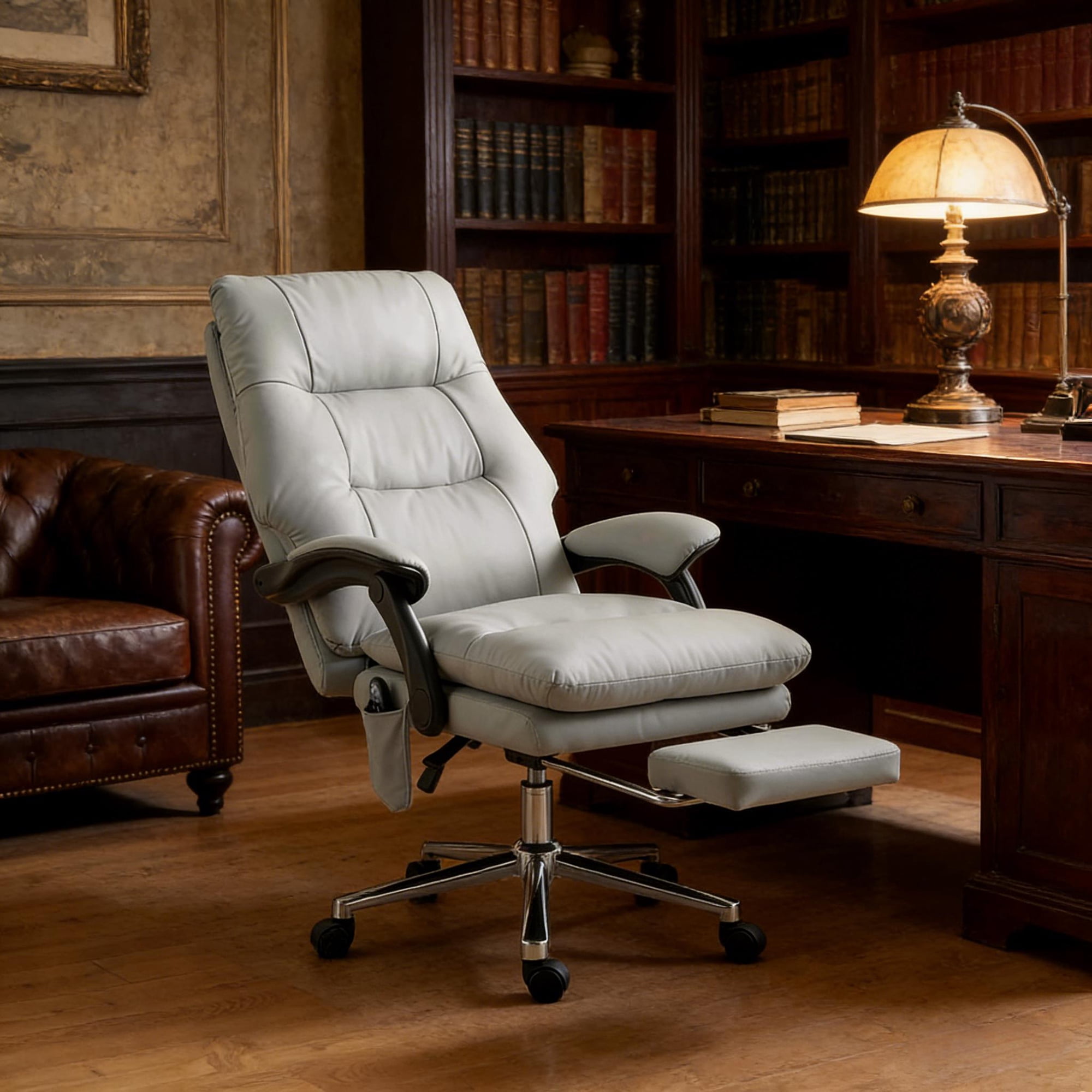
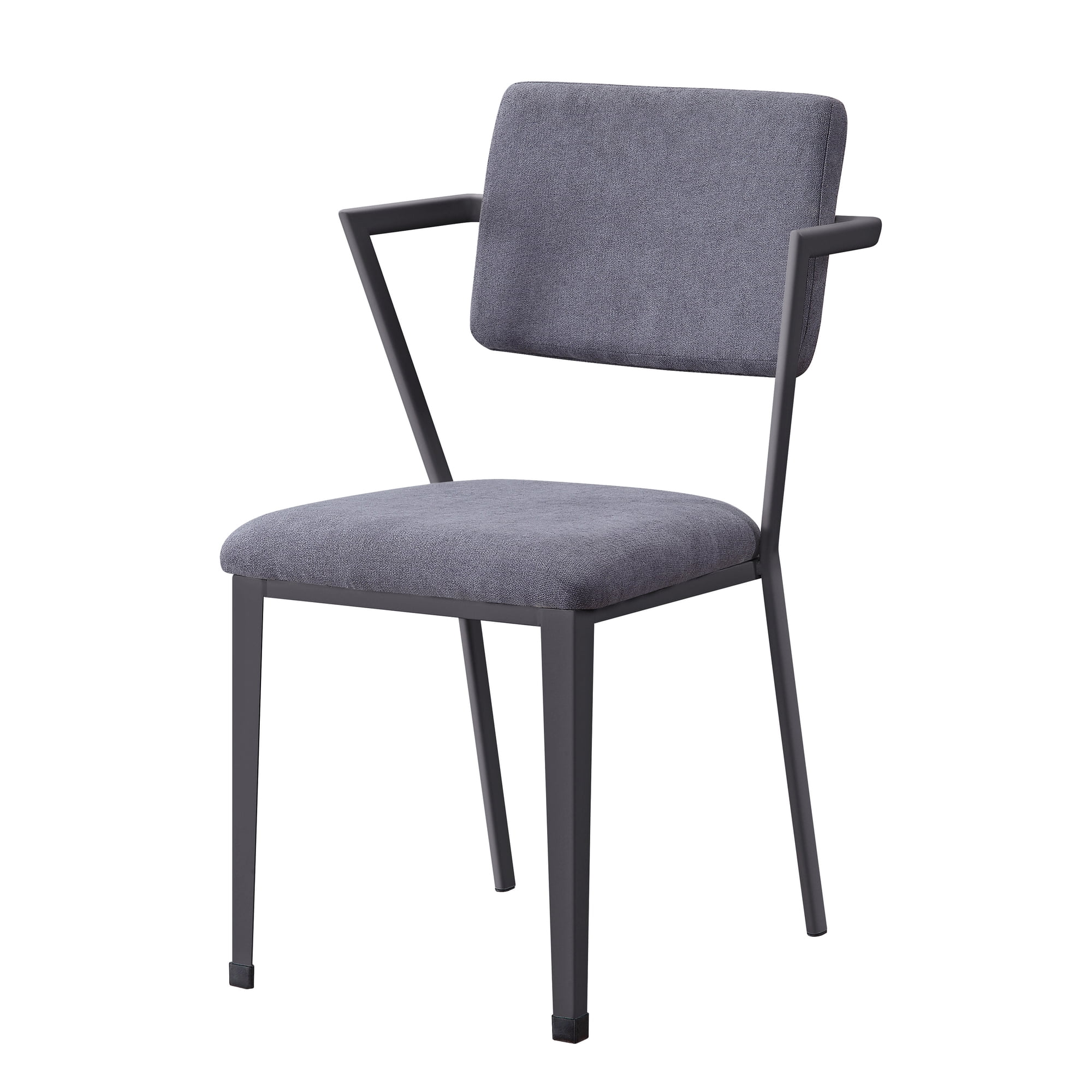
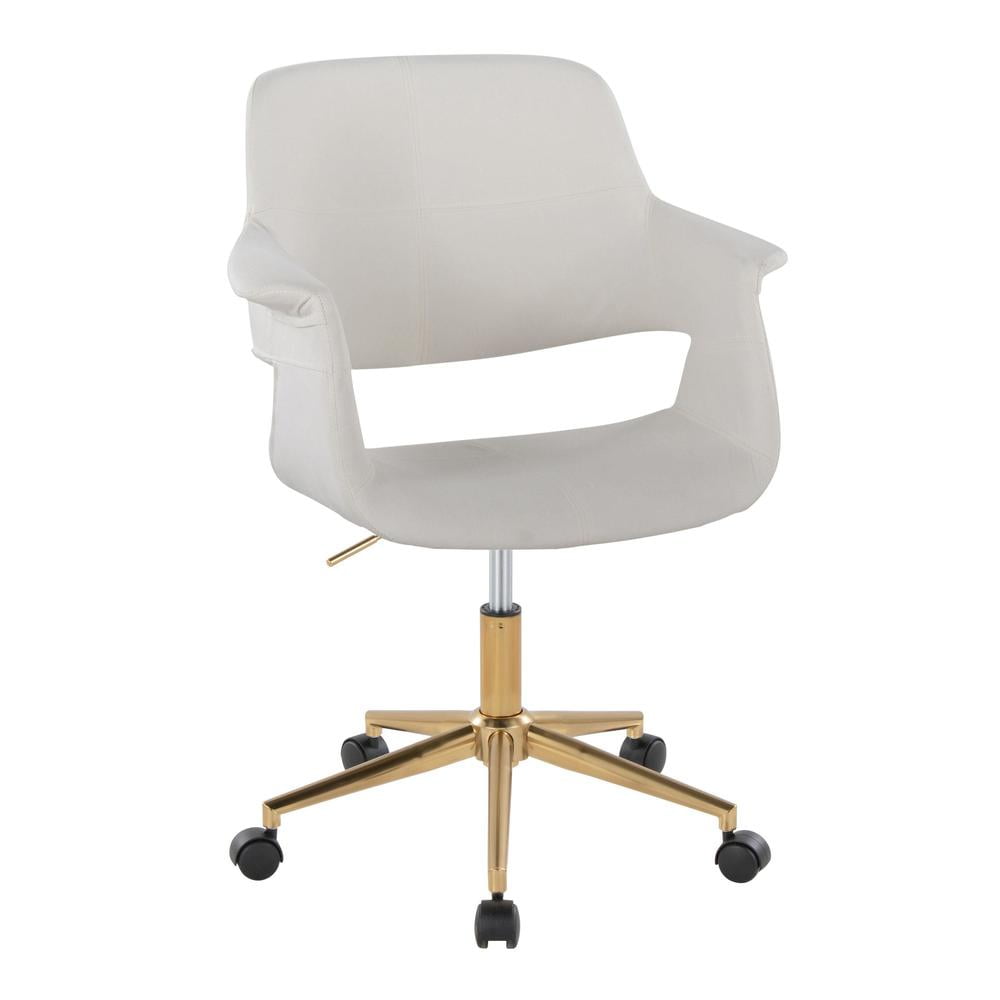
Introduction: Why "Proper" Matters More Than "Expensive"
Imagine trying to run a marathon in dress shoes that are half a size too small. That’s what thousands of office workers do every day—they sit 8+ hours in chairs that fight against their body’s natural alignment. A proper office chair is the orthopedic foundation of your workspace. It’s not about the brand name or the leather finish; it’s about how the chair disappears beneath you, allowing you to focus entirely on your work without reminders from your aching lower back. This guide will walk you through the anatomy of a chair that truly fits, helping you decode marketing jargon and find a seat that supports you—literally and figuratively.
Did you know? A study from the University of California found that workers using properly adjusted ergonomic chairs reported a 46% reduction in lower back pain and a 38% increase in concentration levels. Your chair is the silent partner in your daily performance.
The Anatomy of a Proper Office Chair: 6 Non-Negotiable Elements
A proper chair is a system of adjustments that work in harmony. Here are the critical components you must evaluate—think of them as the vital signs of a healthy seat.
1. Lumbar Support: The Keystone of Posture
Your lumbar spine (lower back) has a natural inward curve. When you sit, gravity tries to flatten this curve, straining discs and muscles. A proper chair provides adjustable lumbar support—both in height (to hit the right spot on your back) and depth (how much it pushes forward).
- Static vs. Dynamic: Static pads are fixed; dynamic support moves with you. Look for “asymmetric” or “3D” lumbar if you have scoliosis or specific back pain.
- The Fist Test: When sitting upright, you should be able to slide your closed fist easily between your lower back and the lumbar support. If it’s too tight or too loose, the chair isn’t proper for you.
2. Seat Depth & Edge: The "Waterfall" Principle
A common mistake is a seat pan that’s too long, cutting off circulation behind your knees. A proper chair has a seat depth slider (usually 2-4 inches of travel) and a waterfall front edge that curves gently down.
- Measurement: Sit with your back against the chair. You should have 2-3 finger widths of space between the back of your calf and the seat edge.
- Foam Density: High-resilience cold-cure foam retains shape for years. Avoid "quick-sag" soft foam.
3. Armrests: 4D is the Gold Standard
Armrests that only go up and down are like a bicycle with one pedal. Proper chairs offer 4D armrests: height, width, depth (forward/backward), and pivot (angle). This allows your elbows to stay close to your body at a 90-degree angle, relaxing your shoulders and preventing neck tension.
- Material: Soft but firm polyurethane (PU) arm pads are best. Hard plastic is a deal-breaker.
4. Recline Mechanism: Synchro-Tilt & Tension Control
Static sitting starves spinal discs of nutrients. A proper chair encourages movement. Synchro-tilt mechanisms move the backrest and seat simultaneously at a ratio (often 2:1 or 3:1), keeping your feet planted and vision level as you lean back. Adjustable tension lets you set how much force is needed to recline—crucial for different body weights.
5. Backrest Height & Headrest Integration
For most people, a mid-back chair (supporting up to the shoulder blades) is sufficient. However, a proper chair for all-day use often includes a height-adjustable backrest or a separate headrest. If you ever lean back to think, a headrest prevents your neck from craning forward.
- Rule of thumb: The headrest should support the curve of your neck, not the back of your skull.
6. Base and Casters: The Foundation
A proper chair uses a 5-star base (almost always aluminum or reinforced nylon) for stability. Casters must match your floor type: soft rubber “roller-blade” wheels for hardwood, hard nylon for carpet. This isn’t just about mobility; it’s about stability and not scratching floors.
The 8-Hour Test: Real User Data
In a survey of 500 remote workers who switched to a fully adjustable ergonomic chair (with the 6 elements above):
- 71% reported complete elimination of daily backaches within 3 weeks.
- 64% said they fidgeted less and concentrated more during video calls.
- 89% kept the chair’s adjustments instead of returning to factory settings—showing the settings were actually useful.
How to Pick Your Proper Office Chair: A 5-Step Process
Follow this checklist when shopping. Don’t rely on “one size fits all” marketing.
- Measure Your "Popliteal Height": From the floor to the back of your knee (while sitting in a standard chair). Your chair’s minimum seat height must be lower than this, and maximum higher, so you can achieve 90° knees.
- Identify Your Pain Points: Lower back pain? Focus on aggressive lumbar depth adjustment. Neck pain? Headrest and armrests become top priority. Hip discomfort? Look for a wider seat with contoured foam.
- Adjustability > Padding: A chair with 10 adjustments and medium-firm foam will outlast and outperform a heavily padded chair with only height adjustment. Think of adjustments as “custom tailoring.”
- Check Weight Capacity: Even if you're not heavy, a chair rated for 300+ lbs often means stronger gas cylinder and thicker frame. It’s a proxy for durability.
- Read for "Return Policy" & "Warranty": A proper chair should have at least a 30-day in-home trial (because you can't judge in 5 minutes) and a 10+ year warranty on mechanism and frame.
Mythbusting: What "Proper" Does NOT Mean
- ❌ Myth: "A proper chair is always leather."
✅ Truth: High-quality breathable mesh often provides better temperature regulation and dynamic contouring than budget leather. - ❌ Myth: "You need the most expensive model."
✅ Truth: A $700 chair with all key adjustments beats a $2000 chair with fixed lumbar and no seat slider. Price isn’t always proportional to "properness." - ❌ Myth: "Sitting on a yoga ball is better."
✅ Truth: While active sitting has benefits, yoga balls lack back support and can lead to slouching after fatigue. A proper chair supports you when your core tires.
The Long-Term Value: Health, Focus, and Durability
Investing in a proper office chair is like buying a high-quality mattress—you spend a third of your life in it. With a proper chair, you’re not just buying a seat; you’re buying protection against chronic conditions that cost thousands in physiotherapy. Think of it as preventive healthcare for your spine. A proper chair also holds its resale value remarkably well—many used high-end ergonomic chairs sell for 50-60% of their original price after 5 years.
Frequently Asked Questions About Proper Office Chairs
Conclusion: Your Body Knows Best
Finding the proper office chair is a personal journey, not a one-time purchase. The best chair is the one that, after hours of sitting, you forget you’re sitting. It supports your natural posture, moves with you, and doesn’t create pressure points. Use the anatomy checklist above as your compass. Test chairs if possible, but also rely on generous return policies. Remember: a proper chair isn’t an expense; it’s a dividend paid in daily comfort and long-term health.