
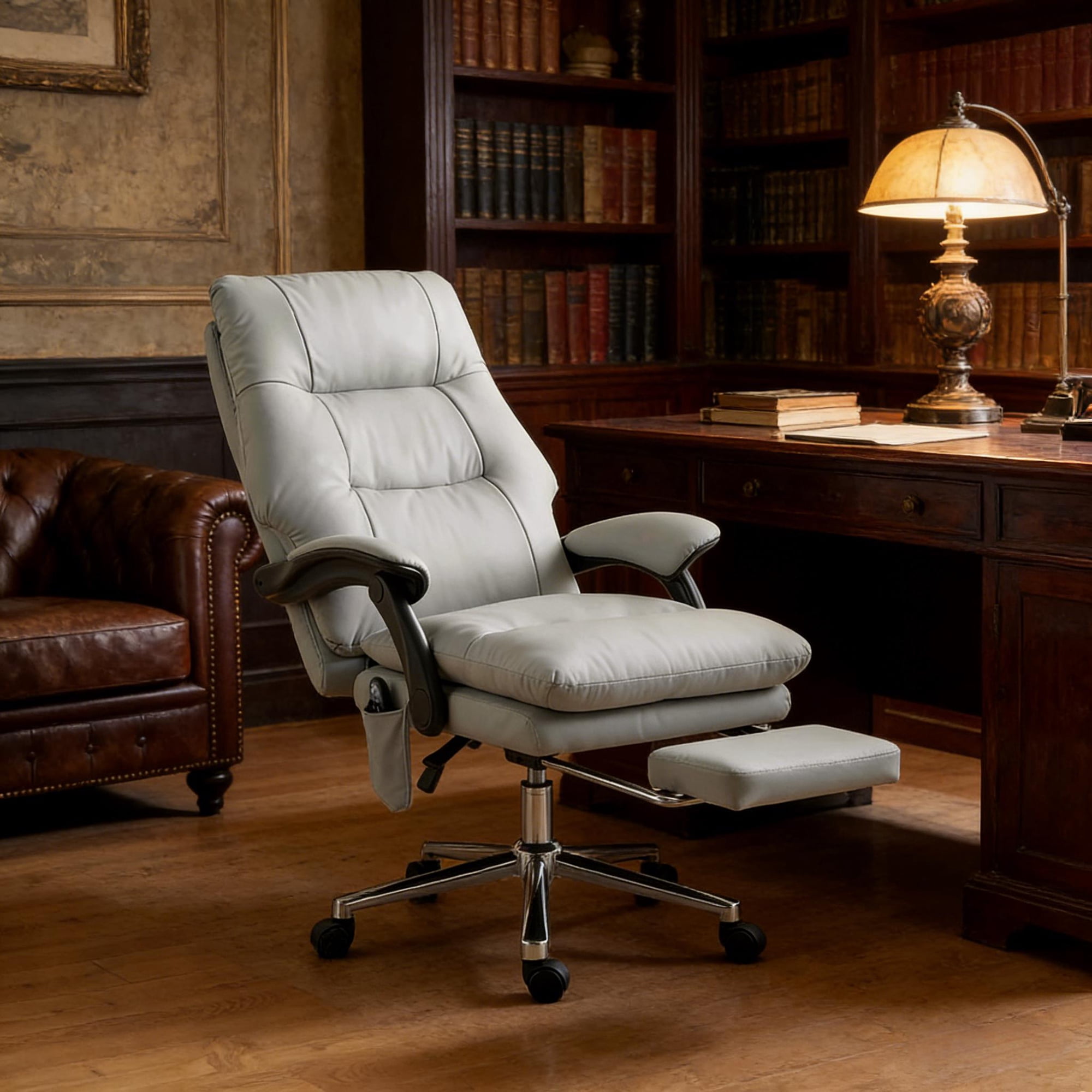
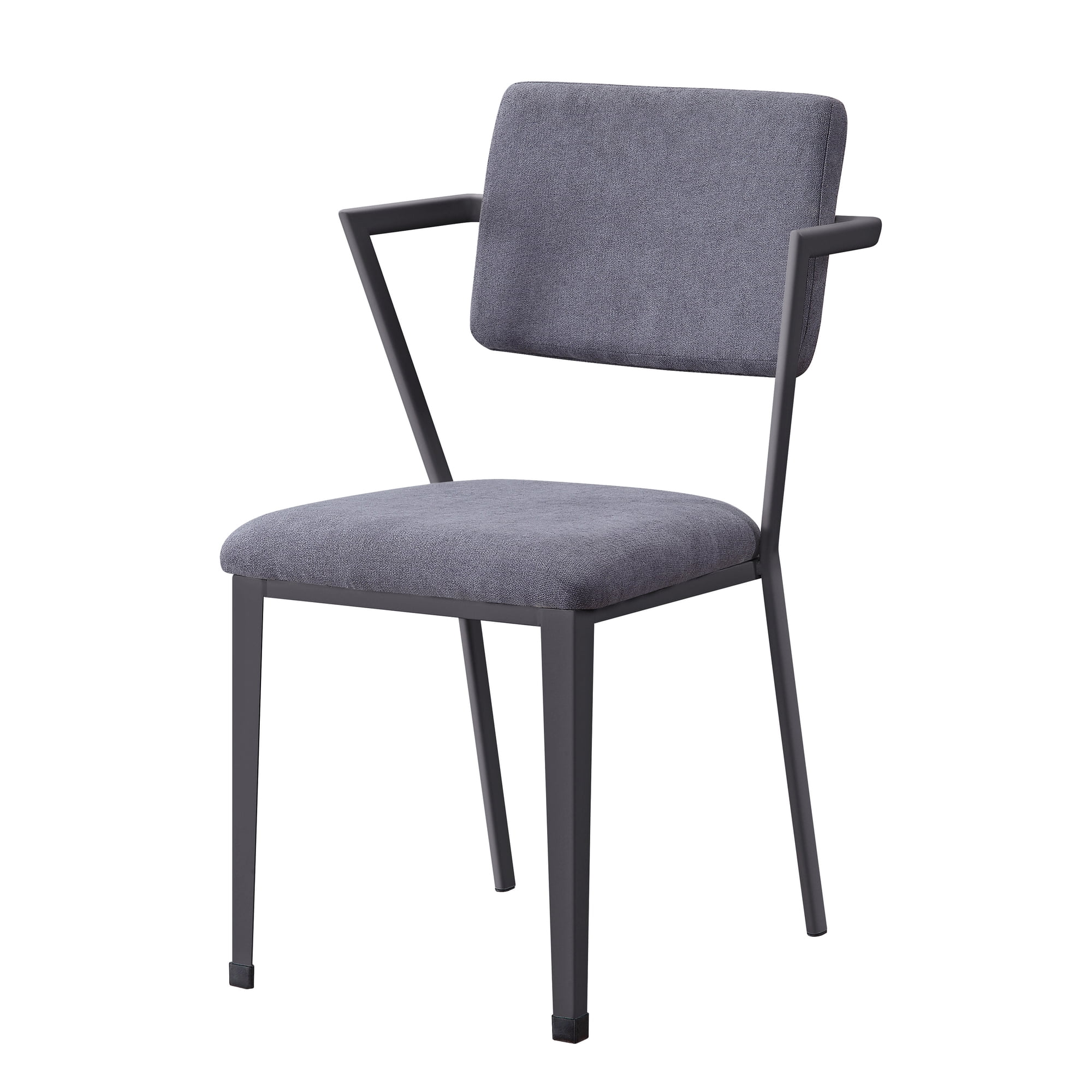
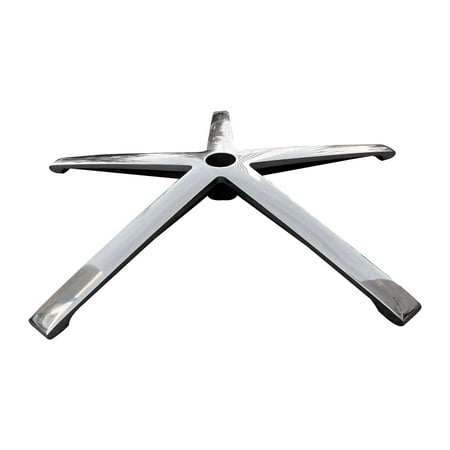
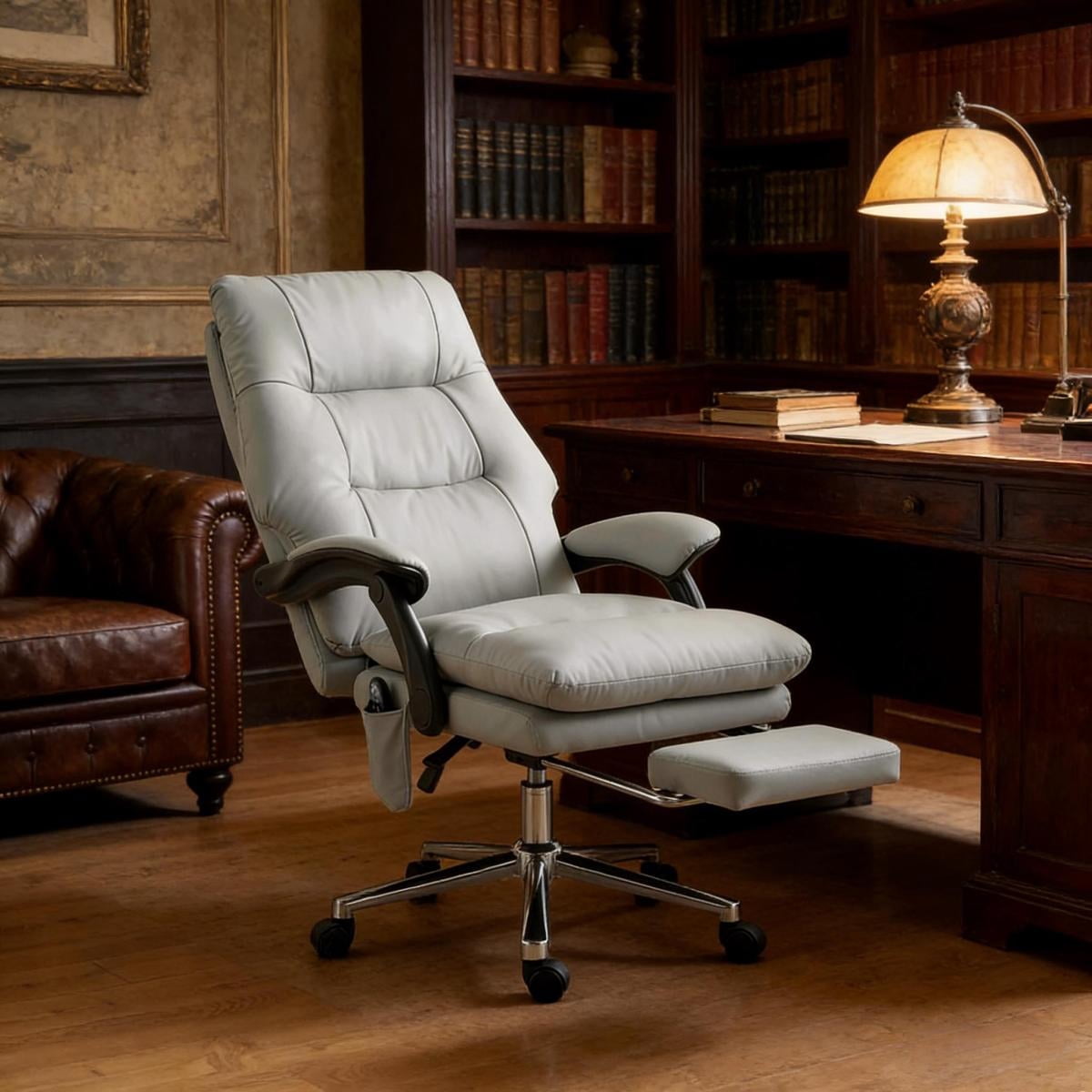
Embrace the Outdoors: Why You Need a Dedicated Outdoor Office Chair
Working from home has evolved. For many, the home office now extends beyond four walls—onto a sunny patio, a shaded balcony, or even a dedicated shed in the garden. But taking your indoor office chair outside is a recipe for disaster: fabric fades, cushions soak up rain, and wheels sink into the lawn. That’s where a purpose‑built outdoor office chair becomes essential. It’s the bridge between nature’s benefits and the ergonomic support your body needs during a full workday.
Why it matters: A 2022 study by the International Journal of Environmental Research and Public Health found that employees who worked outdoors at least twice a week reported 32% higher vitality and 45% less stress. The right outdoor office chair makes that possible without sacrificing posture or durability.
What Defines a True Outdoor Office Chair?
An outdoor office chair isn’t just a patio chair with wheels. It must withstand UV rays, morning dew, sudden showers, and temperature swings, while still offering the adjustability of an office chair. Think of it as a hybrid: the robust construction of outdoor furniture meets the ergonomics of a task chair. Key characteristics include:
1. Frame Materials That Fight the Elements
The skeleton of your chair determines its lifespan outdoors. You’ll encounter three main types:
- Powder‑coated aluminum: Lightweight, rust‑proof, and stays cool under sun. Ideal for frequent movers.
- Stainless steel: Heavier and extremely durable, but can get hot. Great for permanent installations.
- All‑weather resin / HDPE: Used in high‑end outdoor furniture; never rusts, fades, or splinters. Often made from recycled materials.
2. Fabric & Cushioning: Quick‑Dry and UV‑Stable
Standard foam acts like a sponge. Outdoor office chairs use:
• Textilene® mesh: PVC‑coated polyester that breathes, dries instantly, and resists tearing.
• Solution‑dyed acrylic (e.g., Sunbrella®): Color is part of the fiber, so it won’t fade. Water beads up and rolls off.
• Quick‑dry foam: Open‑cell foam that drains water and dries rapidly, preventing mildew.
3. Base and Mobility
Outdoor surfaces vary: wood deck, concrete, gravel, or artificial grass. Look for:
- Non‑marking casters suitable for hard floors.
- Braking casters if your workspace is on a slope.
- Fixed glides (instead of wheels) for a permanent setup on grass—place the chair on a outdoor rug for stability.
Ergonomics Meet the Elements: Features You Should Not Compromise On
Just because a chair lives outside doesn’t mean your back should suffer. Premium outdoor office chairs now include:
| Ergonomic Feature | Why It Matters Outdoors | What to Look For |
|---|---|---|
| Adjustable Lumbar Support | Outdoor work often means changing light conditions—you shift positions more. Lumbar keeps you aligned. | Mesh back with built‑in lumbar curve or a tension‑adjustable pad. |
| Seat Height Adjustment | You might pair the chair with different tables (bar‑height patio table vs. standard desk). | Pneumatic lift with a weather‑resistant cylinder cover. |
| Recline and Tilt Tension | Enjoying a breeze? Reclining helps you relax during breaks while maintaining support. | Lockable recline positions, with a tension knob you can adjust even with damp hands. |
| Breathable Backrest | Outdoor heat + humidity = sweat. Mesh or slatted backs prevent sticky situations. | Full mesh back or a combination of mesh and weather‑resistant fabric. |
Types of Outdoor Office Chairs for Different Workspaces
Not every outdoor office is the same. Let’s match chair types to your environment:
• The Balcony / Small Patio Worker
Space is tight, and you need to bring the chair inside during storms. Choose a foldable or stackable outdoor office chair made from lightweight aluminum with a mesh back. Example: the foldable mesh task chair with wheels that lock—easy to store and move.
• The Garden Office / Shed
You have a permanent structure but want to sit outside the door on sunny days. A mid‑back chair with all‑weather wicker and a swivel base works beautifully. Ensure the base has a wide footprint so it doesn’t tip on soft ground. Some models come with a floor protector disc for grass.
• The Poolside or Open‑Air Workspace
Water and electronics are a risky mix, but if your desk is under a covered patio near the pool, choose a chair with rust‑proof aluminum and quick‑dry mesh. Avoid fabric cushions that hold chlorine. Look for chairs with drain holes in the seat so rainwater doesn’t pool.
Data Snapshot: Outdoor Work Trends
According to a 2023 survey by FlexJobs, 17% of remote workers now have a dedicated outdoor workspace, up from 6% in 2020. The same survey noted that 63% of those workers reported improved mood and creativity. However, 41% initially used indoor chairs outdoors and experienced rapid wear—underlining the need for proper outdoor office seating.
How to Protect Your Outdoor Office Chair (and Make It Last)
Even the toughest chair benefits from simple maintenance:
- Cover it: Use a waterproof cover when not in use for extended periods, especially during winter.
- Rinse regularly: A garden hose removes pollen, dust, and salt (if near the ocean).
- Store cushions: If your chair has removable cushions, bring them inside during rain or high humidity.
- Check casters: Debris like small stones can jam wheels—clean them monthly.
Outdoor Office Chair vs. Indoor Chair: A Quick Comparison
| Feature | Outdoor Office Chair | Indoor Office Chair |
|---|---|---|
| Frame material | Aluminum, stainless steel, HDPE (weatherproof) | Steel, plastic (prone to rust if wet) |
| Fabric | Textilene, Sunbrella, quick‑dry mesh | Polyester, bonded leather, standard mesh |
| UV resistance | High (color and material stability) | Low to none (fading and brittleness) |
| Mildew resistance | Engineered to prevent mold | Often promotes mold if damp |
| Typical lifespan outdoors | 5‑10 years (with care) | Less than 1 year |
Frequently Asked Questions (Outdoor Office Chairs)
Final Thoughts: Work Where You Feel Alive
An outdoor office chair isn't a luxury—it's a tool that expands your workspace and wellbeing. By choosing a model with proper ergonomics and weather‑ready materials, you invest in years of comfortable, productive days under the sun or stars. Whether you're answering emails on a breezy balcony or brainstorming in a garden studio, the right chair makes all the difference.
Browse the curated selection above to find your perfect match. Remember: your outdoor office should feel like an extension of your indoor space—only better.