
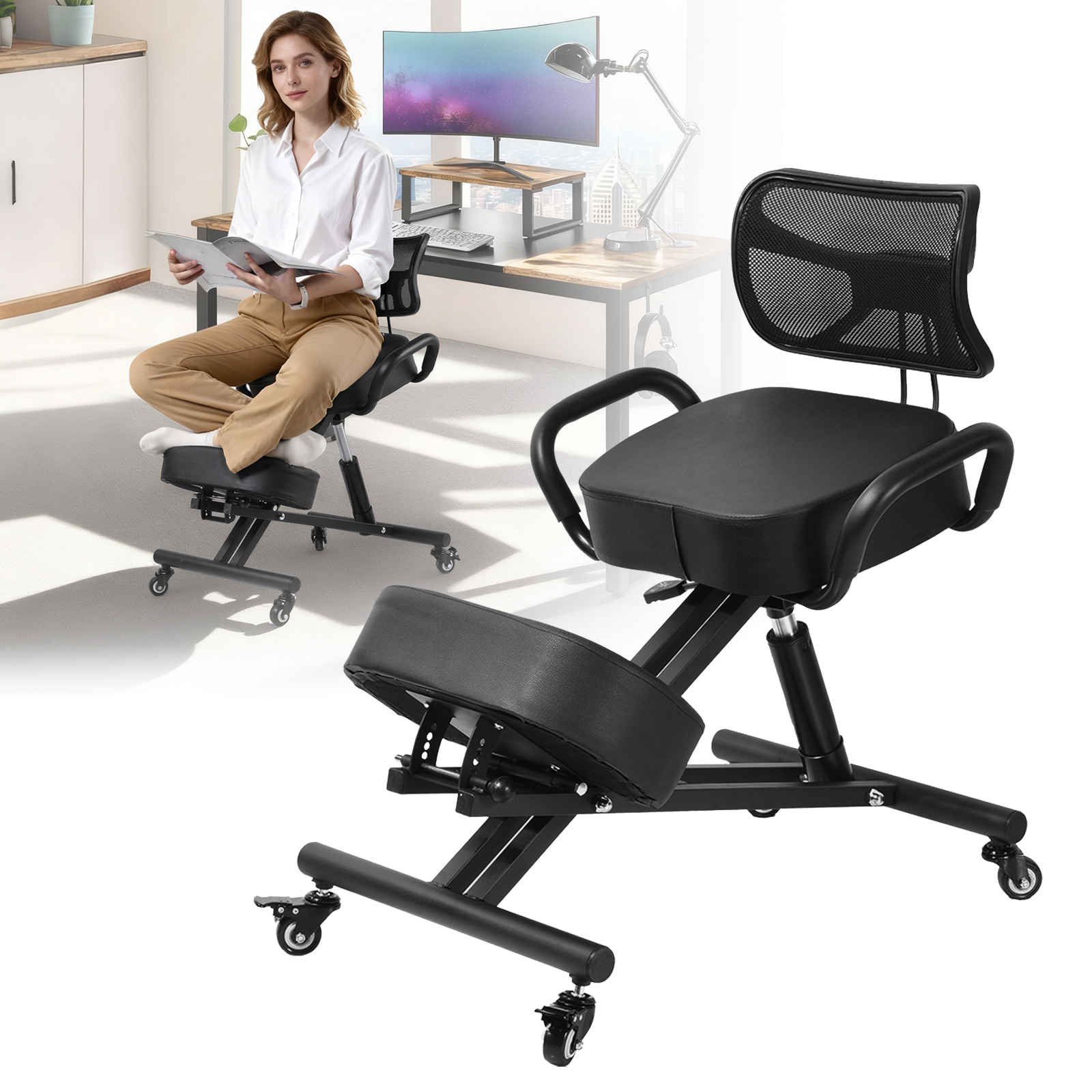
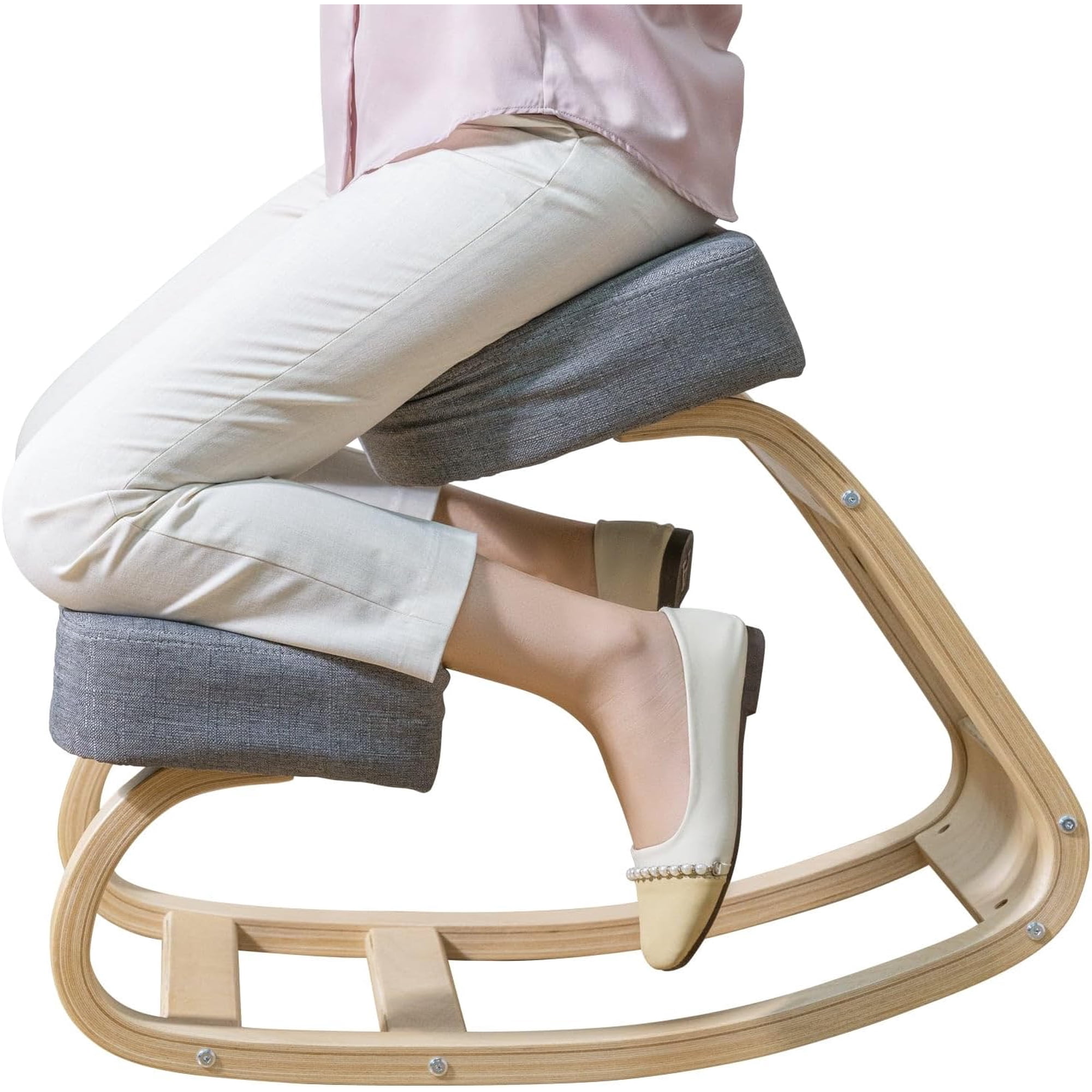
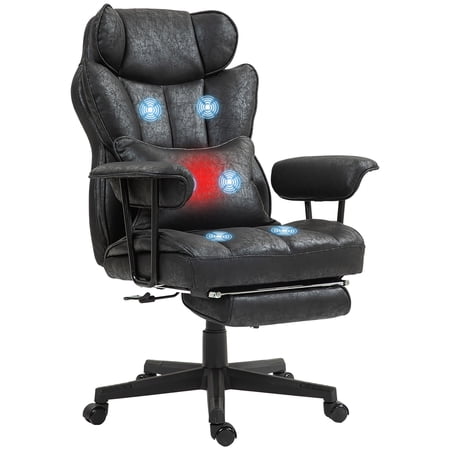

Is Your Office Chair a Pain in the Back? You're Not Alone.
Sitting for extended periods is an unavoidable reality for millions of professionals. But when that reality translates into a constant ache in your lower back, stiffness in your shoulders, or a sharp twinge after a long meeting, it's a sign that your body is fighting back. For many, the culprit isn't just the act of sitting, but the unsupportive throne they're sitting on. This is where the orthopedic office chair for back pain transforms from a luxury into a necessity. It's not just a chair; it's a proactive investment in your long-term health and daily productivity.
Think of your spine like a delicate column of building blocks. A standard, flat office chair is like placing that column on a wobbly, uneven surface. It forces your muscles to constantly work to keep you upright, leading to fatigue and pain. An orthopedic chair, conversely, acts as a custom-molded foundation, supporting the natural S-curve of your spine and allowing your muscles to relax. According to the American Chiropractic Association, 80% of the population will experience back pain at some point in their lives. Choosing the right seating can be a powerful step in ensuring you're not part of that statistic.
Decoding the Orthopedic Office Chair: More Than Just a Label
The term "orthopedic" gets thrown around a lot, but in the world of office seating, it signifies a design philosophy rooted in biomechanics and spinal health. A true orthopedic office chair for back pain isn't just about adding a pillow; it's about creating an environment where your spine can thrive, even during a 9-hour workday.
The 5 Pillars of an Effective Orthopedic Chair
When you're evaluating chairs, keep these five critical components in mind. They are the non-negotiable elements that separate a genuinely therapeutic chair from a merely comfortable one.
- Dynamic Lumbar Support: This is the heart of the matter. Look for lumbar support that adjusts not only in height but also in depth. This feature pushes the support forward to fill the natural gap in your lower back, preventing the dreaded "C-curve" slouch that crushes spinal discs.
- Contoured Seat Cushion: A flat, pancake-style seat puts pressure on your tailbone and the back of your thighs, restricting blood flow. An orthopedic chair features a "waterfall edge"—a gentle downward slope at the front of the seat—that relieves pressure on your legs and promotes healthy circulation. The foam should be high-density to resist sagging over time.
- Independent Seat Angle Adjustment (Tilt): This allows the entire seat pan to tilt forward slightly. This is a game-changer for many with back pain, as it opens up the angle between your torso and legs, reducing pressure on the lumbar discs and promoting a more open, neutral posture.
- Customizable Armrests: Tension in your shoulders and upper back often radiates down to your lower back. 4D armrests (adjustable height, width, depth, and pivot angle) allow you to position your arms so your shoulders are relaxed, not hunched, preventing upstream tension.
- Synchro-Tilt Mechanism: This sophisticated mechanism allows the chair's backrest and seat to move in a synchronized, weight-sensitive ratio (often 2:1 or 3:1). As you recline, your feet stay flat on the floor, and your vision line stays consistent, encouraging dynamic movement without compromising ergonomics.
Material Matters: Comfort vs. Support
The material of your chair plays a surprisingly significant role in your back health. It's a balance between immediate plushness and long-term structural support. Imagine your chair's cushion as the suspension in a car. A soft, marshmallow-like seat might feel great for five minutes, but over an hour, it offers no structural support, causing you to sink and your posture to collapse.
High-Density Foam
The Support Champion: This is the gold standard for orthopedic seating. It provides a firm, resilient base that distributes weight evenly and resists permanent deformation. It supports your pelvic structure, keeping you aligned.
Memory Foam
The Conforming Contender: While it molds to your body, cheaper memory foam can lack the "push-back" needed for support. High-quality, slow-recovery foam can be excellent, but only if it's dense enough to prevent you from bottoming out against the hard frame beneath.
Advanced Mesh
The Breathable Balancer: A high-tension mesh backrest conforms to your spine's shape while providing excellent airflow. Some orthopedic chairs combine a mesh back (for flexible support) with a generously padded, high-density foam seat (for stable comfort).
The "Active Sitting" Concept: Your Chair as a Gym
A revolutionary idea in orthopedic design is "active sitting." The goal isn't to lock you into one perfect position but to encourage micro-movements throughout the day. Static postures starve your spinal discs of nutrients. An orthopedic chair that facilitates active sitting might feature a slightly flexible or "tilting" seat that responds to your shifts in weight, or a backrest that allows for a full range of recline. These subtle movements act like a pump, circulating blood and synovial fluid to keep your back healthy and nourished. It’s the difference between being *planted* in your chair and being *supported* to move.
Consider this analogy: Your spine is like a sponge. When you sit statically, the sponge is compressed and squeezed dry. Active sitting—those subtle shifts and adjustments—is like letting the sponge expand and soak up fresh water again, keeping it supple and functional.
Chair or Chiropractor? Understanding the Role of Your Seat
Let's be clear: an orthopedic office chair for back pain is a powerful tool for prevention and management, but it's not a replacement for professional medical advice. Think of it as your first line of defense. It creates the ideal conditions for your spine to heal and function, reducing the strain that often leads to pain. A study in the Journal of Physical Therapy Science found that participants using ergonomic chairs reported a significant decrease in musculoskeletal discomfort compared to those using standard chairs. It works in concert with other healthy habits—regular stretching, standing breaks, and core-strengthening exercises—to form a comprehensive approach to a pain-free life.
Frequently Asked Questions About Orthopedic Office Chairs
Conclusion: Invest in Your Spine, Invest in Your Future
Choosing the right orthopedic office chair for back pain is one of the most consequential decisions you can make for your professional and personal well-being. It's an investment that pays dividends not just in dollars, but in days free from distracting pain, increased focus, and the confidence that you're protecting your body for years to come. Don't view it as an expense; view it as a foundational tool for a healthier, more productive life.
Start by identifying the features that speak to your specific pain points. Do you need aggressive lumbar support? Do you prefer a breathable mesh back or a plush, supportive foam seat? Use the product grid above as your starting point. Read reviews, compare specifications, and remember that the best chair is the one that fits *your* unique body and provides the relief *you* deserve. Your back will thank you.