
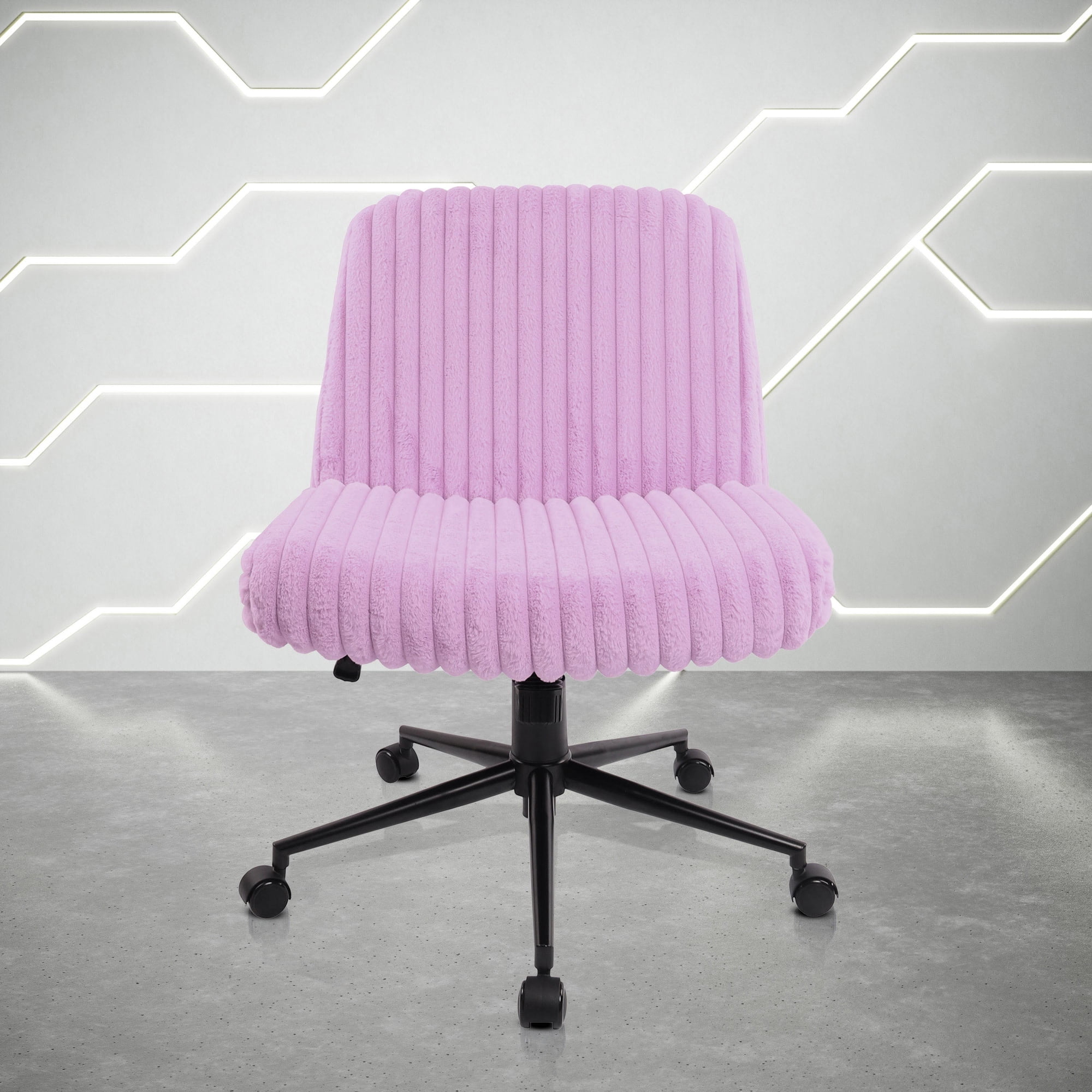
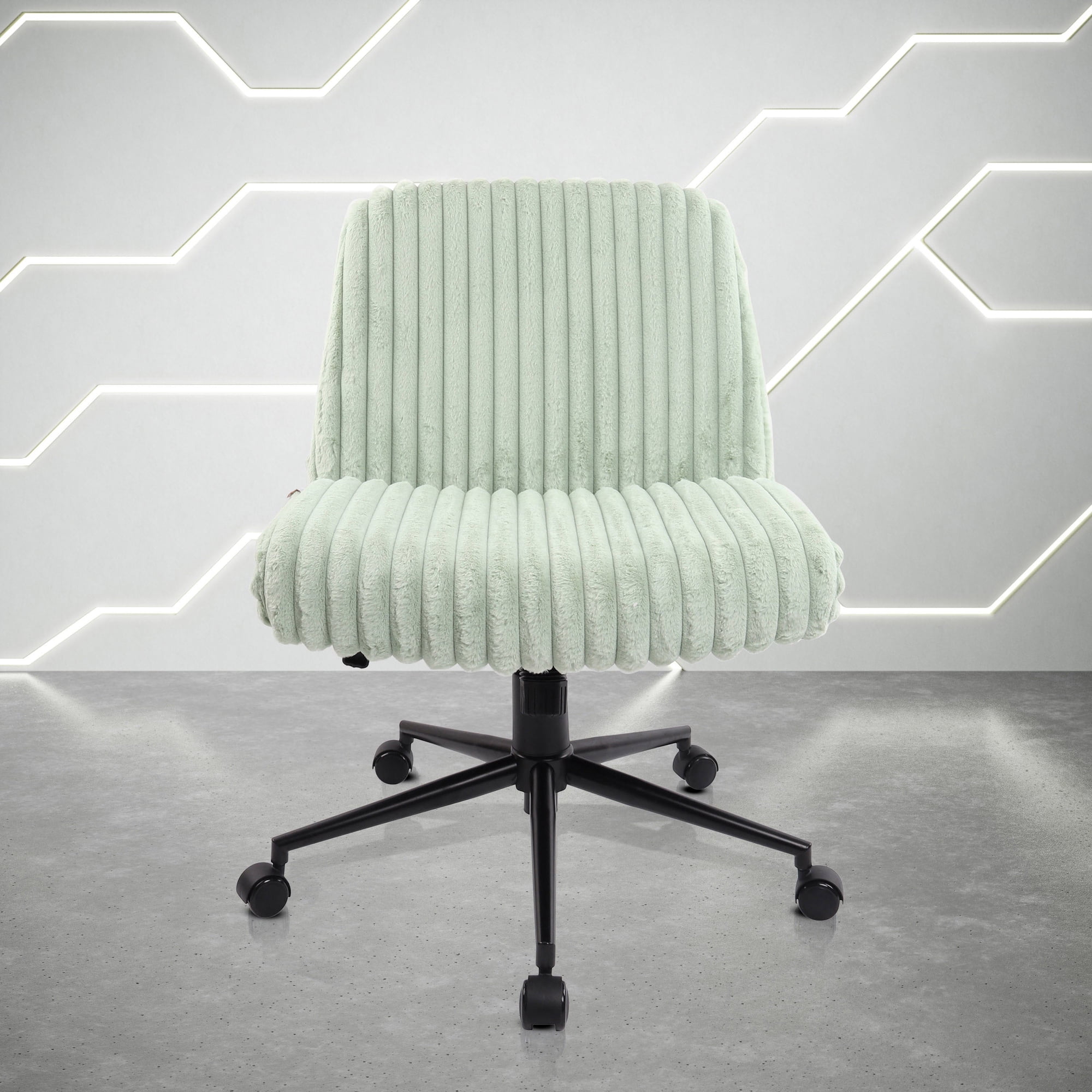
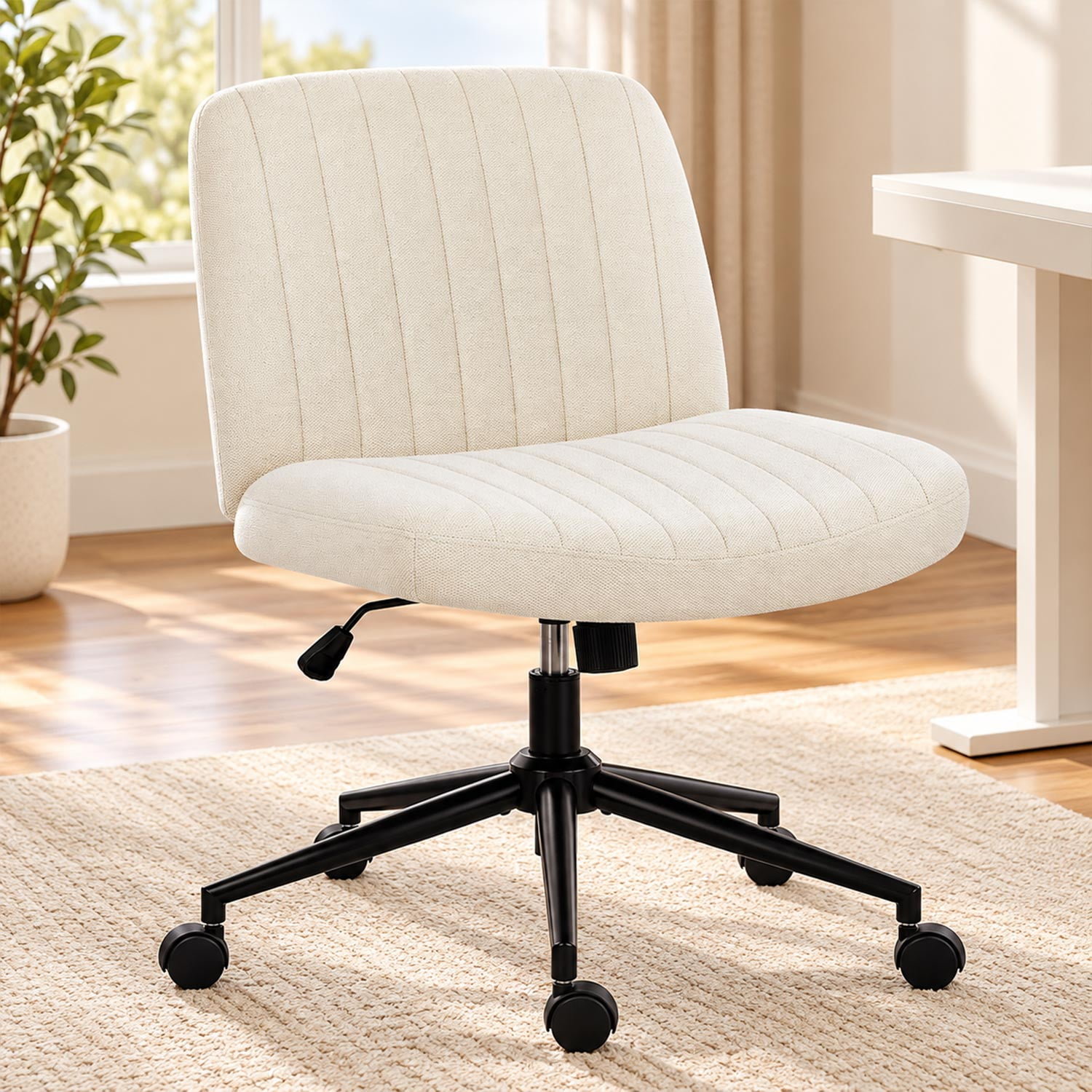
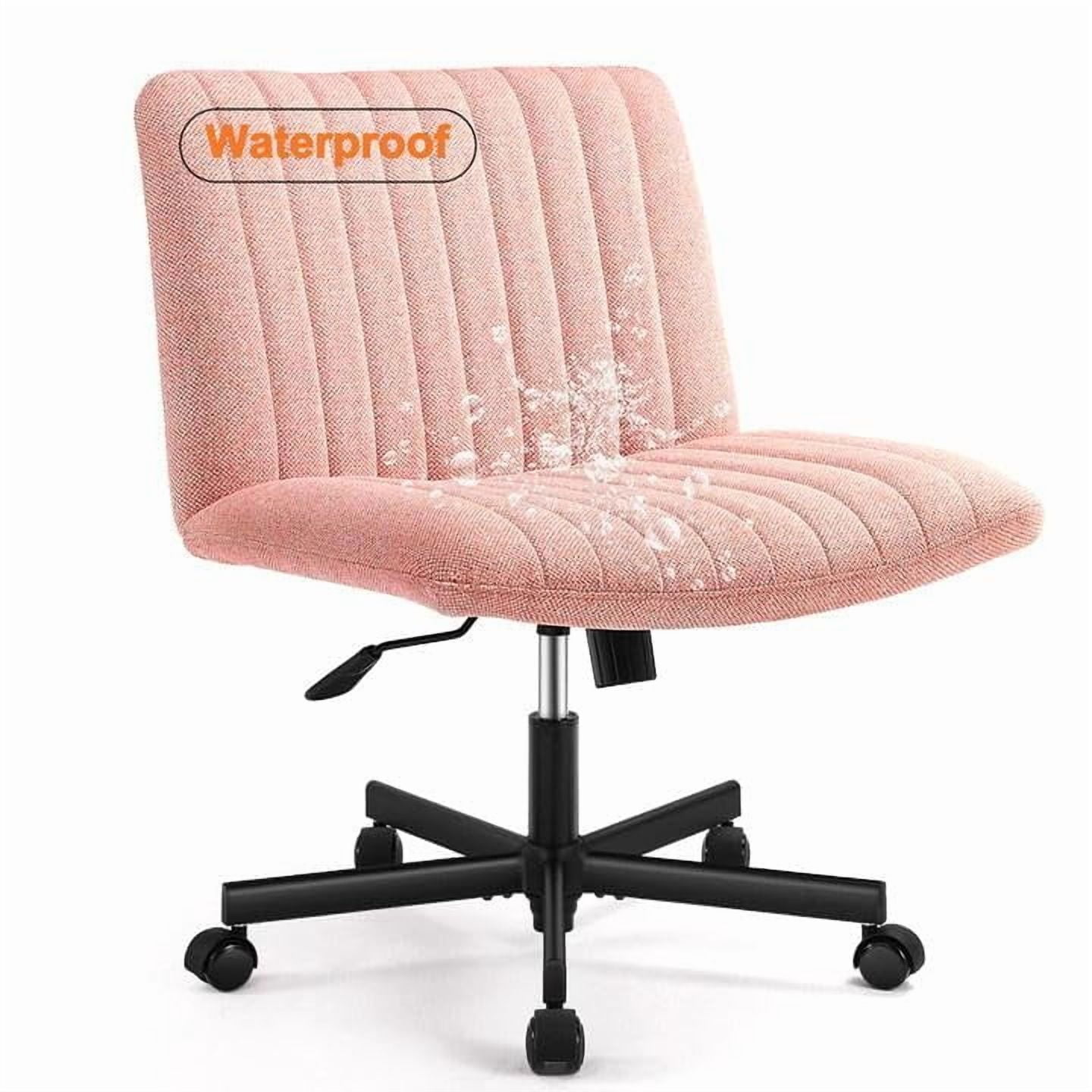
Why Choose a Chair That Allows Cross-Legged Sitting?
For many people, sitting cross-legged is the most natural and comfortable position. Whether you call it criss-cross applesauce, Indian style, or simply folding your legs, this posture can help improve focus and reduce lower back strain. However, most standard office chairs are too narrow to accommodate this sitting style comfortably. That's where specialized chairs come in.
Did You Know? A survey by the American Chiropractic Association found that over 40% of desk workers prefer to sit in alternative positions, including cross-legged, to relieve discomfort. A chair designed for this can boost productivity and comfort significantly.
Key Features of a Cross-Legged Friendly Office Chair
Not every chair will work for cross-legged sitting. Look for these essential features:
- Wide Seat Pan (20+ inches): Provides enough surface area to comfortably fold your legs without dangling over the edges.
- Flat or Plush Cushion: Avoids the hard edges or pronounced waterfall fronts that can cut into your calves.
- Adjustable Armrests: Arms that flip up or are height-adjustable allow you to sit sideways or fold legs more freely.
- Sturdy Base: A 5-star base with smooth casters ensures stability even when you shift your weight.
- Pneumatic Height Adjustment: Lets you set the chair height so your knees are comfortable and your feet can rest naturally.
Benefits Beyond Comfort
Improved Focus
When you're comfortable, you're less distracted. Cross-legged sitting can help you settle in and concentrate.
Better Posture
Sitting cross-legged naturally tilts your pelvis forward, encouraging a straighter spine.
Reduced Pressure
Wide seats distribute weight evenly, reducing pressure points on hips and thighs.
Versatility
Switch between standard sitting and cross-legged as your mood or comfort dictates.
How to Choose the Right Chair for Cross-Legged Sitting
Selecting the perfect chair for this unique sitting style involves more than just seat width. Here's a step-by-step guide to help you make the best choice.
Step 1: Measure Your Preferred Sitting Space
- Seat Width: Sit on a flat surface and measure the width you occupy with legs crossed. Add 2-3 inches for comfort.
- Seat Depth: Ensure the seat depth (front to back) is at least 18-20 inches to support your thighs.
- Armrest Clearance: Check that armrests don't obstruct your legs when folded.
Step 2: Consider Your Work Environment
- Desk Height: Make sure the chair's height range fits your desk. You may need a taller cylinder.
- Floor Type: Choose casters suitable for your floor (hardwood, carpet, etc.).
- Space: Ensure the chair's base and size fit comfortably under your desk and in your room.
Step 3: Test Ergonomics
- Lumbar Support: Even when sitting cross-legged, you need lower back support. Look for adjustable lumbar.
- Recline Tension: A chair that allows a slight recline can help you relax and shift positions.
- Material: Breathable mesh or soft fabric can be more comfortable for long periods.
Material and Build Considerations
The materials used in your chair affect both comfort and durability. Here's what works best for cross-legged sitters.
Recommended Materials
- High-Density Foam: Provides firm yet comfortable support that doesn't compress too much over time.
- Breathable Mesh Back: Keeps you cool, especially important if you tend to sit warmly.
- Fabric or Soft Leather: Offers a non-slip surface that prevents you from sliding when shifting positions.
What to Avoid
- Hard Plastic Edges: Can dig into your legs and cause discomfort.
- Thin Padding: Insufficient cushioning leads to pressure points on your sit bones.
- Highly Textured Surfaces: May snag on clothing or cause friction.
FAQ: Office Chairs for Cross-Legged Sitting
Conclusion & Final Recommendations
Finding the right office chair that allows you to sit cross-legged is about matching your personal comfort with ergonomic design. The best chair for you will have a wide, flat seat, adjustable features, and quality materials that support your unique sitting style.