

Beyond Utility: The Rise of the Aesthetically Pleasing Office Chair
In today's work environment, where the lines between home and office blur, the furniture we choose speaks volumes. An aesthetically pleasing office chair is no longer a luxury but a necessity for creating a space that fosters creativity, focus, and a sense of personal style. It's about finding that perfect intersection where visual delight meets ergonomic necessity.
Design Insight: Studies in environmental psychology suggest that a well-designed workspace can boost mood and productivity by up to 32%. An aesthetically pleasing chair acts as an anchor, transforming a utilitarian office into a sanctuary of inspiration.
Key Elements of a Design-Forward Office Chair
What truly makes an office chair a piece of art? It's the thoughtful combination of several design principles that create a cohesive and captivating look.
1. Silhouette & Form
The overall shape sets the tone. Clean, geometric lines convey modernity, while curved, organic forms suggest softness and comfort. The silhouette should complement your body and your room's architecture.
2. Material Symphony
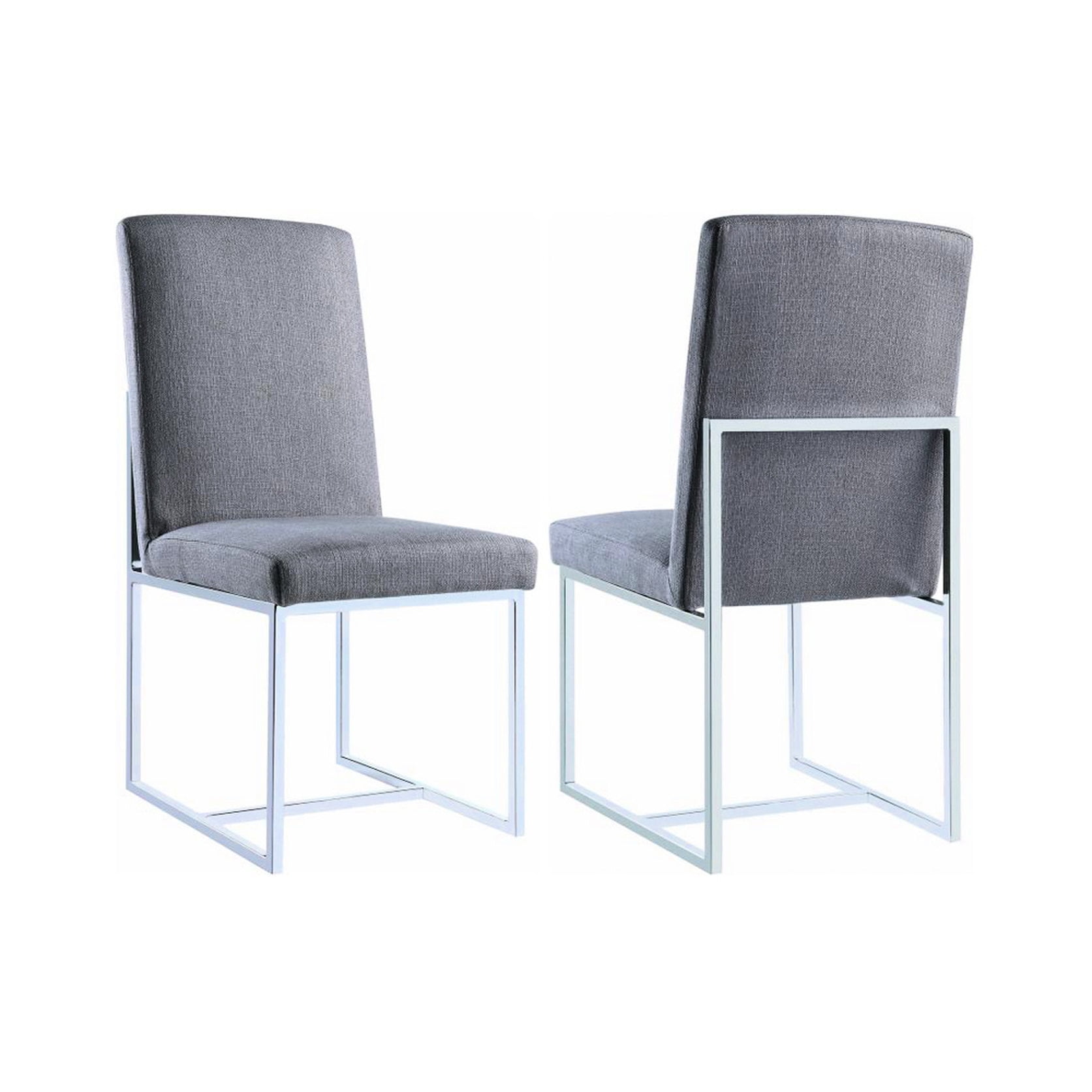
Mixing textures—like a plush velvet seat with a polished chrome base—creates depth. Consider breathable mesh for a tech-forward feel, or rich leather for timeless elegance. The material choice defines the chair's character.
3. Color as a Statement
Your chair can be a neutral anchor or a bold accent. Earthy tones bring calm, jewel tones add vibrancy, and monochromatic schemes create a sophisticated, minimalist vibe. Color psychology plays a key role in your daily mood.
4. Harmonious Proportions
A well-designed chair respects its environment. A bulky executive chair might overwhelm a small home office, while a sleek, low-profile chair could get lost in a grand corporate suite. Proportions must be in balance.
Material Showcase: Aesthetics in Texture and Form
The materials used in your chair are the first thing people notice and touch. Here's how different materials contribute to visual appeal:
🧵 Luxe Textiles
Velvet, bouclé, and premium woven fabrics offer a rich, inviting texture. They're perfect for creating a warm, cozy, and high-end aesthetic in home offices or creative studios.
🌿 Sustainable & Natural
Wood, bamboo, and recycled materials bring an organic, eco-conscious element to your space. These materials add warmth and are ideal for biophilic design schemes that connect you with nature.
✨ Metal Accents & Bases
Polished aluminum, brushed steel, or matte black metal frames and bases provide a sleek, industrial edge. They add durability and a touch of sophisticated contrast to soft upholstery.
Harmonizing Your Chair with Your Office Environment
An aesthetically pleasing chair doesn't exist in a vacuum. Its true beauty shines when it complements its surroundings. Follow these steps to achieve visual harmony:
- Assess Your Style Foundation: Is your office minimalist, bohemian, mid-century modern, or eclectic? Your chair should be a natural extension of this existing style.
- Create a Color Story: Use the 60-30-10 rule: 60% dominant color (walls, large furniture), 30% secondary color (curtains, rug), 10% accent color (chair, artwork). Let your chair be that dynamic accent or a seamless part of the primary palette.
- Balance Focal Points: If your desk is a statement piece, choose a more subtle chair. If your room is neutral, a vibrant, sculptural chair can become the room's captivating centerpiece.
- Consider Visual Weight: A chair with a heavy, solid base can ground a room, while a chair with a slim, transparent profile can make a small space feel larger and more open.
Designer Tip: Use your chair to tie together disparate elements. For instance, if you have wooden bookshelves and a metal desk lamp, a chair with a wooden armrest and a metal base can create a cohesive, thoughtfully curated look.
Ergonomics: The Non-Negotiable Foundation of Beauty
True aesthetic appeal in a chair is incomplete without comfort. A beautiful chair that causes back pain is a design failure. Modern aesthetically pleasing chairs seamlessly integrate ergonomic features:
Hidden Adjustability
Look for chairs where levers and mechanisms are discreetly integrated into the design, maintaining clean lines while offering full ergonomic customization.
Sculptural Support
Lumbar support is now often molded into the chair's back design, creating a visually interesting form that provides essential spinal alignment.
Refined Materials
High-quality foam and suspension systems offer comfort without requiring bulky, unattractive padding. The result is a slim, elegant profile that's still supportive.
Harmonious Armrests
Armrests are designed to be both functional and beautiful, flowing with the chair's overall aesthetic rather than appearing as an afterthought.