
The Ultimate Guide to Choosing Office Chairs for Big and Tall People
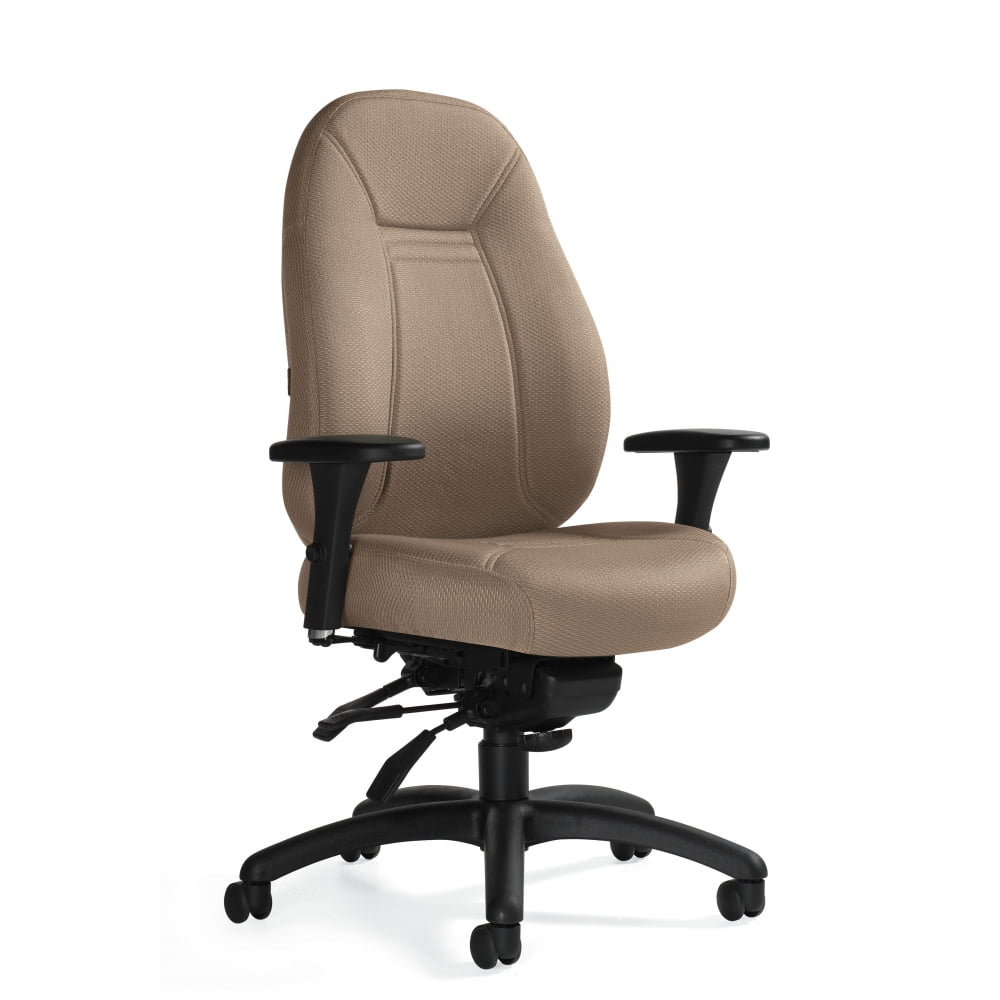
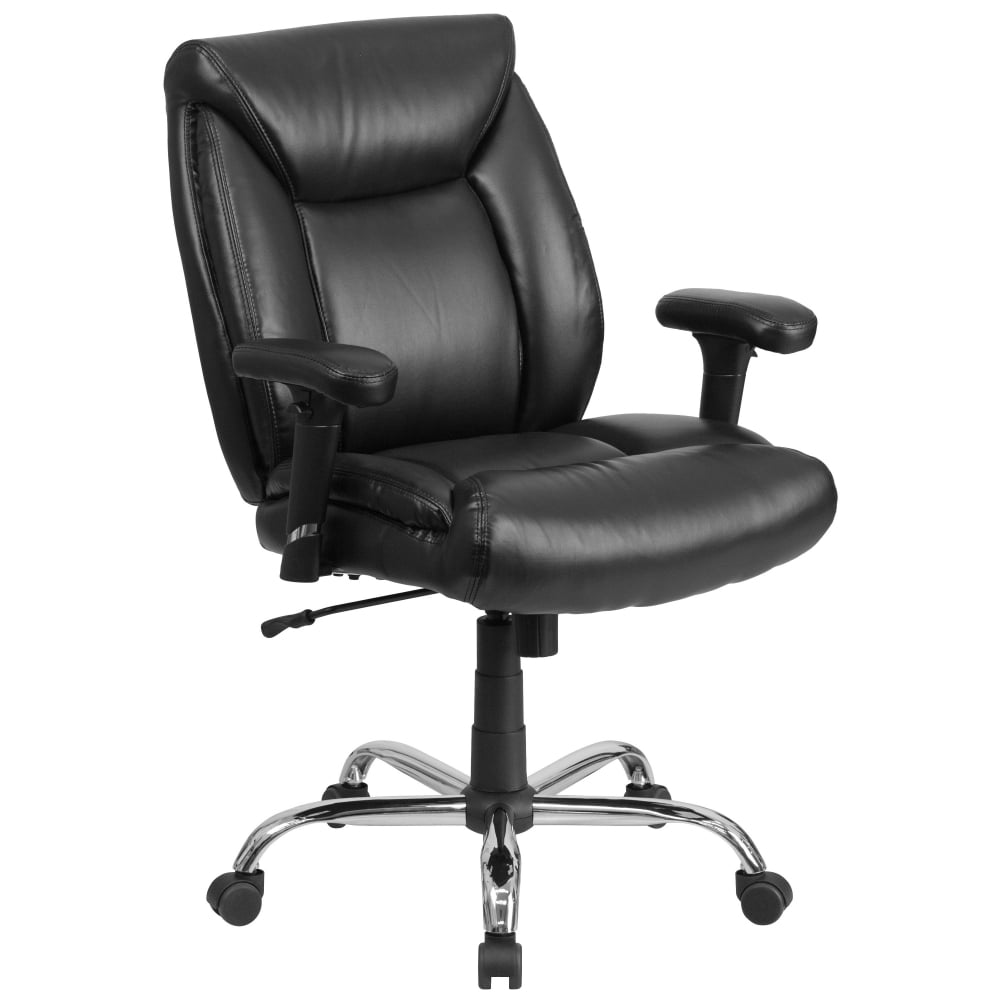
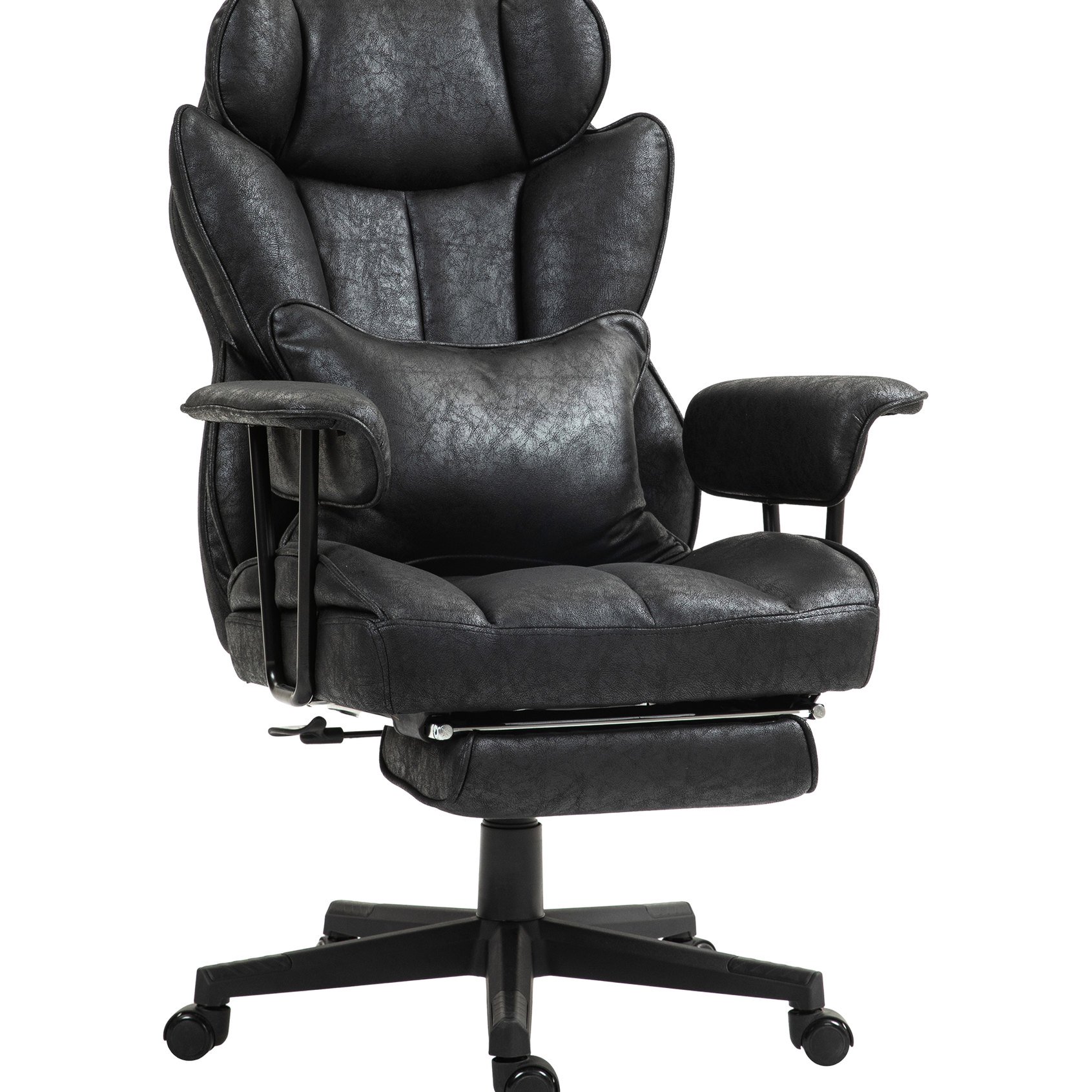
Finding the perfect office chair when you are above average height or carry a larger frame can feel like searching for a needle in a haystack. Standard office chairs often leave big and tall individuals feeling cramped, unsupported, and uncomfortable after just a few hours of work. That's where specialized office chairs for big and tall people come into play. These are not just "wider" versions of regular chairs; they are engineered from the ground up with reinforced steel frames, larger pneumatic cylinders, and extended warranties to handle more weight and provide superior ergonomic support.
Did You Know? According to the CDC, approximately 42% of American adults are considered "big and tall" in terms of body frame. Yet, less than 10% of office chairs on the market are specifically designed to support this demographic. Investing in a chair that fits your body can reduce musculoskeletal complaints by up to 55% and increase focus and energy levels significantly.
Why Standard Office Chairs Fail Big and Tall Users
Most standard office chairs have a weight capacity of 250 pounds and a seat width of 18-19 inches. For taller individuals, the backrest often ends at the mid-back, leaving the shoulders unsupported. For larger users, the armrests may be too narrow, causing discomfort, and the seat pan may be too short, failing to provide adequate thigh support. This mismatch leads to poor posture, fatigue, and long-term health issues such as sciatica, chronic lower back pain, and neck strain.
Key Engineering Differences in Big & Tall Chairs:
- Reinforced Steel Frame: High-gauge steel or aluminum base rated for 400-500 lbs.
- Class 4 Gas Lift: A heavy-duty pneumatic cylinder that ensures smooth height adjustment without sinking.
- Wider Seat Pan: Typically 22-24 inches wide and 20-22 inches deep to accommodate larger thighs.
- Extended Backrest: High-back designs (30+ inches) that support the entire spine, including the cervical region.
- Extra-Wide Armrests: Padded and often 4D adjustable to accommodate broader shoulders.
Top Ergonomic Features to Prioritize
When shopping for the ideal office chair for a larger frame, prioritize these non-negotiable features. These elements separate a temporary solution from a long-term investment in your health and productivity.
Weight Capacity
Look for chairs with a minimum rating of 350 lbs. Premium models support 400-500 lbs. This ensures the chair’s structure, base, and gas lift are built to last.
Seat Width & Depth
A seat width of 22 inches or more provides ample room. Adjustable seat depth (minimum 19 inches) ensures proper blood circulation behind the knees.
Lumbar Support
Dynamic or adjustable lumbar support is crucial. Look for chairs with height-adjustable lumbar to fit your natural spinal curve, reducing fatigue.
High Backrest
A high-back design (minimum 30 inches) supports the entire spine, including the neck. Many models include an adjustable headrest for tall users.
Material Considerations: Mesh vs. Leather vs. Fabric for Big & Tall
Choosing the right material is not just about aesthetics; it affects breathability, durability, and maintenance. Here's a quick breakdown tailored for big and tall users:
- Heavy-Duty Mesh: Ideal for warmer climates and extended sitting. High-quality mesh offers excellent breathability, prevents heat buildup, and provides flexible support that adapts to body movements. Look for mesh with reinforced edges to prevent sagging over time.
- Leather (Top-Grain or Faux): Offers a premium, executive look and is easy to clean. However, leather can get sticky in summer. For big and tall chairs, bonded leather is not recommended; instead, opt for heavy-duty PU leather or genuine leather with robust stitching.
- High-Performance Fabric: Often the most comfortable and durable option for larger frames. Modern fabrics are stain-resistant, durable, and breathable. Many heavy-duty chairs use a combination of fabric seat with mesh back to balance comfort and support.
Ergonomic Benefits Beyond the Surface
Investing in a proper big and tall office chair is a proactive approach to health. Here are specific benefits that go beyond simple comfort:
Measuring Yourself for the Perfect Fit
Before purchasing, take a few minutes to measure yourself. This ensures the chair you choose will truly fit your unique dimensions.
1. Seat Width
Measure the width of your hips or thighs. Add 1-2 inches for comfort. Aim for a seat width 2-3 inches wider than your hip width.
2. Seat Depth
Sit with your back against a wall. Measure from the wall to the back of your knee. Subtract 1-2 inches. That is your ideal seat depth.
3. Back Height
Measure from your seat to the top of your shoulders or neck. Choose a chair with a backrest that at least reaches your shoulders.
4. Armrest Height
When sitting with relaxed shoulders, your forearms should be parallel to the floor. Look for chairs with height-adjustable armrests.
Common Myths About Big & Tall Office Chairs
There are several misconceptions that prevent people from buying the right chair. Let's debunk them:
- Myth: Big and tall chairs are only for very heavy people. Reality: Even if you are tall but lean, a tall back and higher seat height are essential. These chairs cater to height as much as weight.
- Myth: They are not ergonomic. Reality: Many premium big and tall chairs come with more advanced ergonomics (4D armrests, multi-angle tilt locks) than standard chairs because they are designed for demanding users.
- Myth: They are too bulky for a home office. Reality: While they have a larger footprint, many modern designs are sleek and blend well with professional decor.
Frequently Asked Questions About Office Chairs for Big and Tall People
Conclusion: Invest in Your Comfort, Protect Your Health
Choosing the right office chair is not a luxury; it is a necessity, especially for big and tall individuals. A standard chair can lead to chronic pain, reduced productivity, and even long-term health complications. By investing in a chair specifically engineered with reinforced materials, a higher weight capacity, and ergonomic adjustments for larger frames, you are making a crucial investment in your well-being.
Remember to prioritize seat width (22+ inches), weight capacity (400+ lbs ideal), and high-back support. Test the chair if possible, or rely on brands known for their heavy-duty engineering. Whether you prefer the breathability of mesh, the classic look of leather, or the durability of premium fabric, there is a perfect solution waiting for you. Your body will thank you with years of pain-free, productive workdays.