
The Myth of the 'Boring' Ergonomic Chair
For years, the quest for a comfortable office chair meant accepting a bulky, black mesh eyesore that clashed with your carefully curated office decor. On the flip side, finding a stylish chair often meant sitting on a rigid piece of "design" that offered about as much support as a park bench. This is the classic dilemma: comfort vs. style.
Today, that compromise is obsolete. The modern market for office chairs comfortable and stylish has exploded with innovation. Designers and engineers have finally collaborated to create seating that supports your spine through 9-hour workdays while looking like a piece of modern art. Whether you're outfitting a chic home office or a trendy startup, you no longer have to sacrifice your back for aesthetics.
In this guide, we'll explore how to find that perfect synergy. We'll break down the key features, materials, and design philosophies that define the best comfortable stylish office chairs on the market today.
The Three Pillars of a Perfectly Balanced Chair
To find a chair that truly excels in both comfort and style, you need to understand the three foundational pillars that support it: Ergonomics (The Science), Materials (The Feel), and Design Language (The Look). A chair that masters all three is a worthy investment.
Pillar 1: Invisible Ergonomics – Support You Don't See, But Feel
This is the "comfort" part of the equation, cleverly hidden beneath a beautiful exterior. The best chairs integrate these features so seamlessly that they don't detract from the chair's visual appeal.
- Adaptive Lumbar Support: Look for chairs where the backrest mimics the natural 'S' curve of your spine. Some high-end models have a tension-adjusted lumbar that moves with you, rather than a bulky external pad.
- Waterfall Seat Edge: This is a small design curve at the front of the seat that relieves pressure on your thighs, promoting better blood circulation. It's a critical comfort feature that is purely functional but adds a subtle sculptural element.
- Synchro-Tilt Mechanism: This allows the seat and backrest to move in unison at a specific ratio (often 2:1 or 3:1) as you recline. It keeps you supported in any position, encouraging dynamic sitting—a concept where your body is in constant, healthy motion.
- Discreet Adjustability: The hallmark of a stylish ergonomic chair is that the levers and knobs are integrated into the design. You shouldn't see a bunch of ugly plastic controls. They should be hidden under the seat or designed as sleek, metallic accents.
Pillar 2: Material Alchemy – The Intersection of Touch and Sight
The material of your chair dictates 50% of its comfort and 80% of its style. Choosing the right one is crucial.
• Performance Mesh: The Modern Choice
Gone is the scratchy, one-dimensional mesh of the past. New "performance mesh" is softer, more flexible, and available in subtle weaves and colors. Its primary comfort benefit is unparalleled breathability—you won't get a sweaty back on a long conference call. Stylistically, it offers a clean, minimalist, and high-tech look that's perfect for contemporary offices.
• Sculpted Foam & Premium Fabric: The Cozy Aesthetic
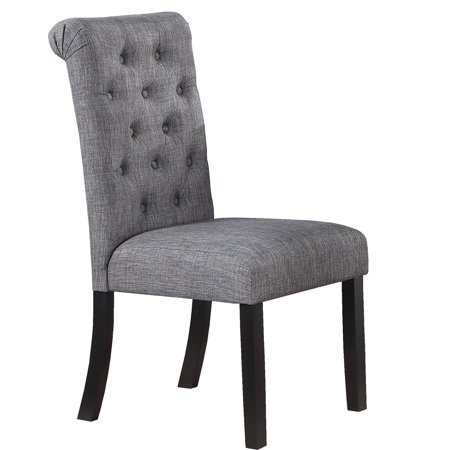
This category is booming for home offices. Chairs upholstered in high-density foam and wrapped in wool-blend, linen, or textured polyester fabrics feel like furniture, not office equipment. They bring warmth and a residential feel to a workspace. The comfort here is a "sink-in" sensation, but with enough density to provide support. These chairs often feature button-tufting or clean, tailored lines, making them a stylish focal point.
• Refined Leather: The Timeless Statement
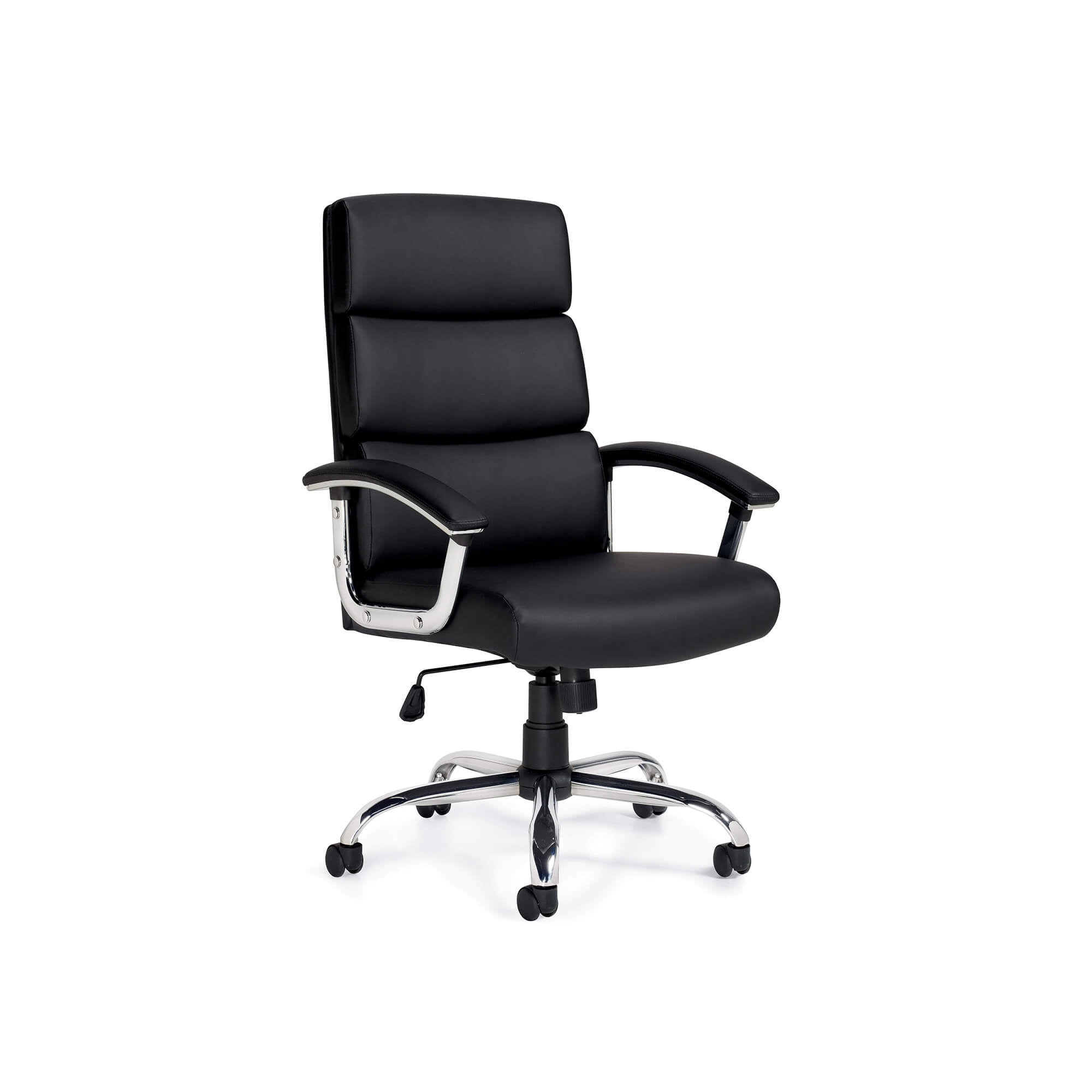
Leather isn't just for the corner office anymore. Modern leather chairs forgo the puffy, dictatorial look for slim profiles and sleek stitching. Bonded or top-grain leather offers a soft, smooth feel that conforms to your body over time. It projects an image of success and pairs beautifully with wood desks. The comfort is luxurious, though it may require a bit more care regarding temperature.
Pillar 3: Design Language – More Than Just a Chair
A stylish chair contributes to the overall narrative of your room. It's a design object.
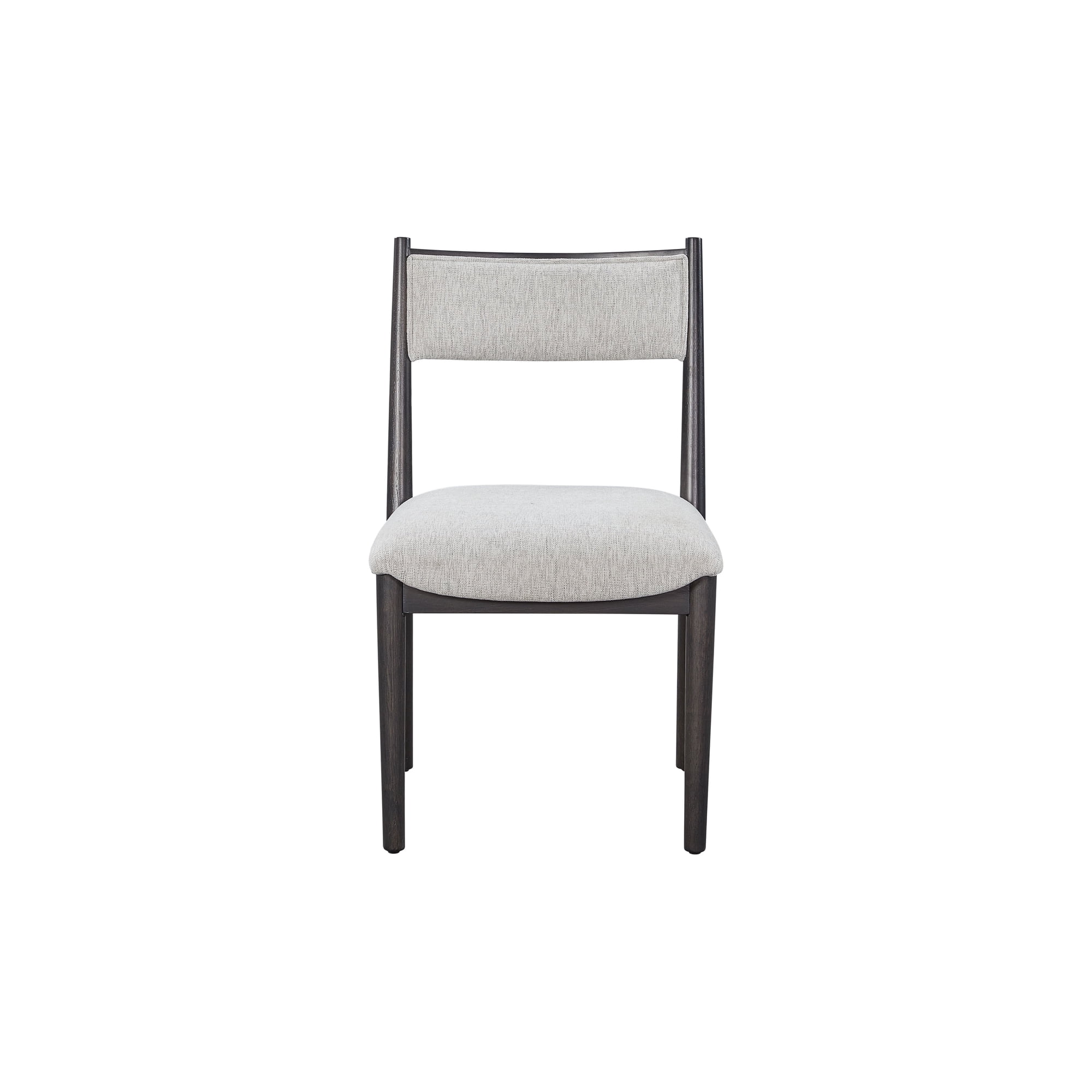
- Mid-Century Modern Influence: Think tapered wooden legs, molded shells, and gentle curves. These chairs add a retro-chic vibe and often use fabric or bonded leather upholstery. They are incredibly popular for home offices seeking a "Mad Men" aesthetic.
- Scandinavian Simplicity: Clean lines, light woods (like ash or birch), and light-colored mesh or fabric. This style focuses on minimalism and functionality, creating an airy, uncluttered workspace. Comfort comes from smart, human-centric design rather than bulk.
- Industrial Loft: Exposed stitching, matte black metal frames, and materials like saddle leather or heavy-duty canvas. This style is rugged, durable, and makes a bold statement. It's perfect for creative agencies or modern lofts.
Why Settle? The 'And' Generation of Seating
The market has finally listened. We are in the generation of "and." You can have a chair that is comfortable AND stylish, supportive AND sleek. According to a recent industry report, 68% of home office buyers now rank aesthetics as equally important as ergonomics, up from just 32% five years ago. This shift has driven incredible innovation, forcing brands to invest in design without cutting corners on health.
Think of it this way: your office chair is like a tailored suit. It must fit perfectly (ergonomics), be made from high-quality cloth (material), and have a cut that makes you feel confident (design). When all three align, you don't just have a chair—you have an asset.
As we move towards more flexible work environments, our tools need to adapt. A stylish and ergonomic office chair does just that—it transitions from a serious work tool during a video call to a comfortable spot for reading a report in the afternoon, all while looking great in your background.