
Introduction: More Than Just a Support
When you think about your office chair, you probably focus on the seat cushion, the backrest, or the armrests. But have you ever considered the foundation it all sits on? The office chair leg, often part of a 5-star base, is the critical component that connects you to the floor. It's the interface for mobility and the anchor for stability. A high-quality base ensures you can move fluidly, lean back confidently, and sit safely for years. Conversely, a weak or damaged leg can lead to wobbly seats, frustrating immobility, and even dangerous accidents.
Did You Know? According to safety reports from the U.S. Consumer Product Safety Commission, thousands of chair-related injuries are treated annually, with a significant portion attributed to base failure, such as cracked plastic legs or broken casters. This makes understanding your chair's leg construction not just a matter of comfort, but of personal safety.
1. Anatomy of an Office Chair Leg System
The term "office chair leg" typically refers to the entire base assembly. It's a system designed for both form and function. Understanding its parts is the first step in making an informed choice or successful repair.
The 5-Star Base: The Industry Standard
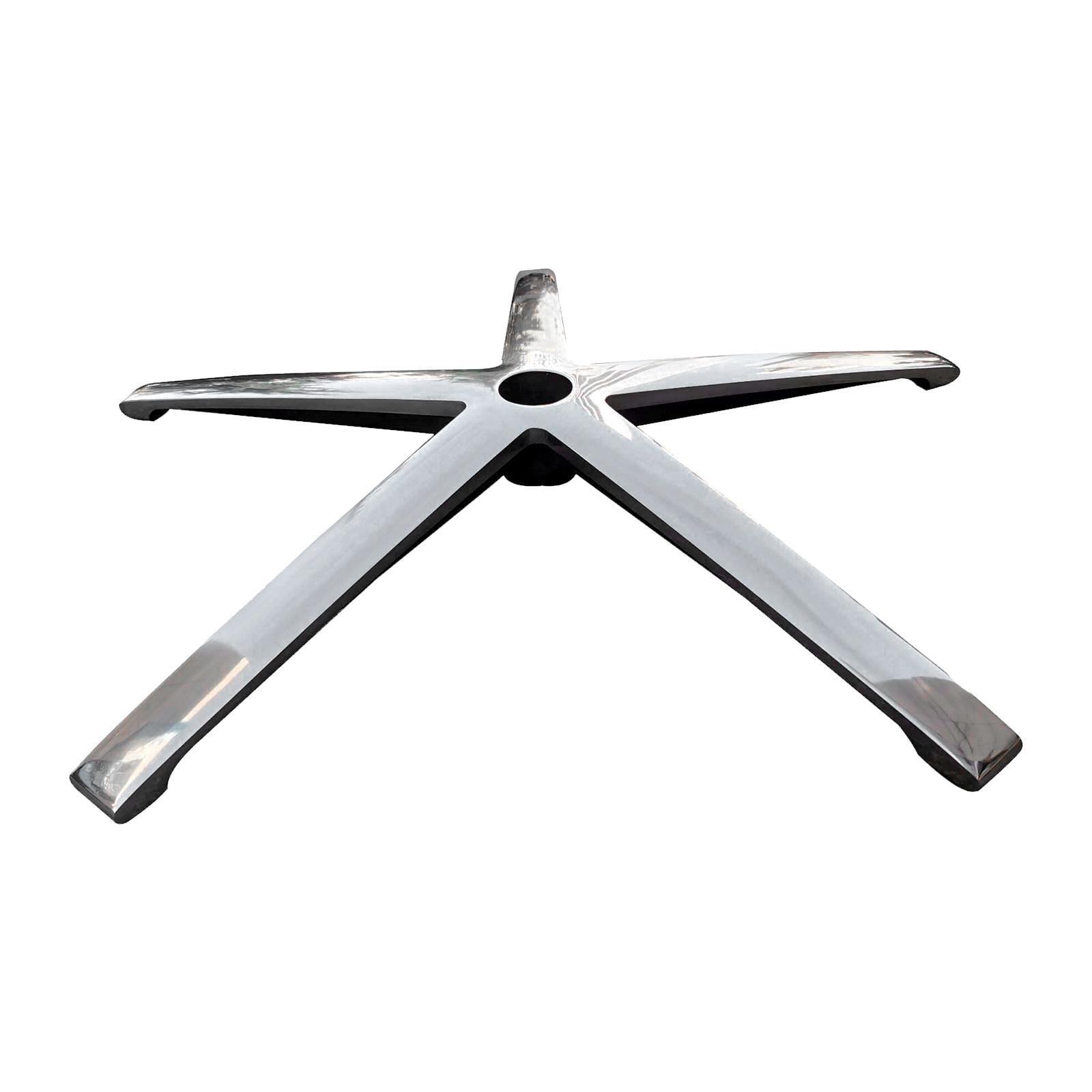
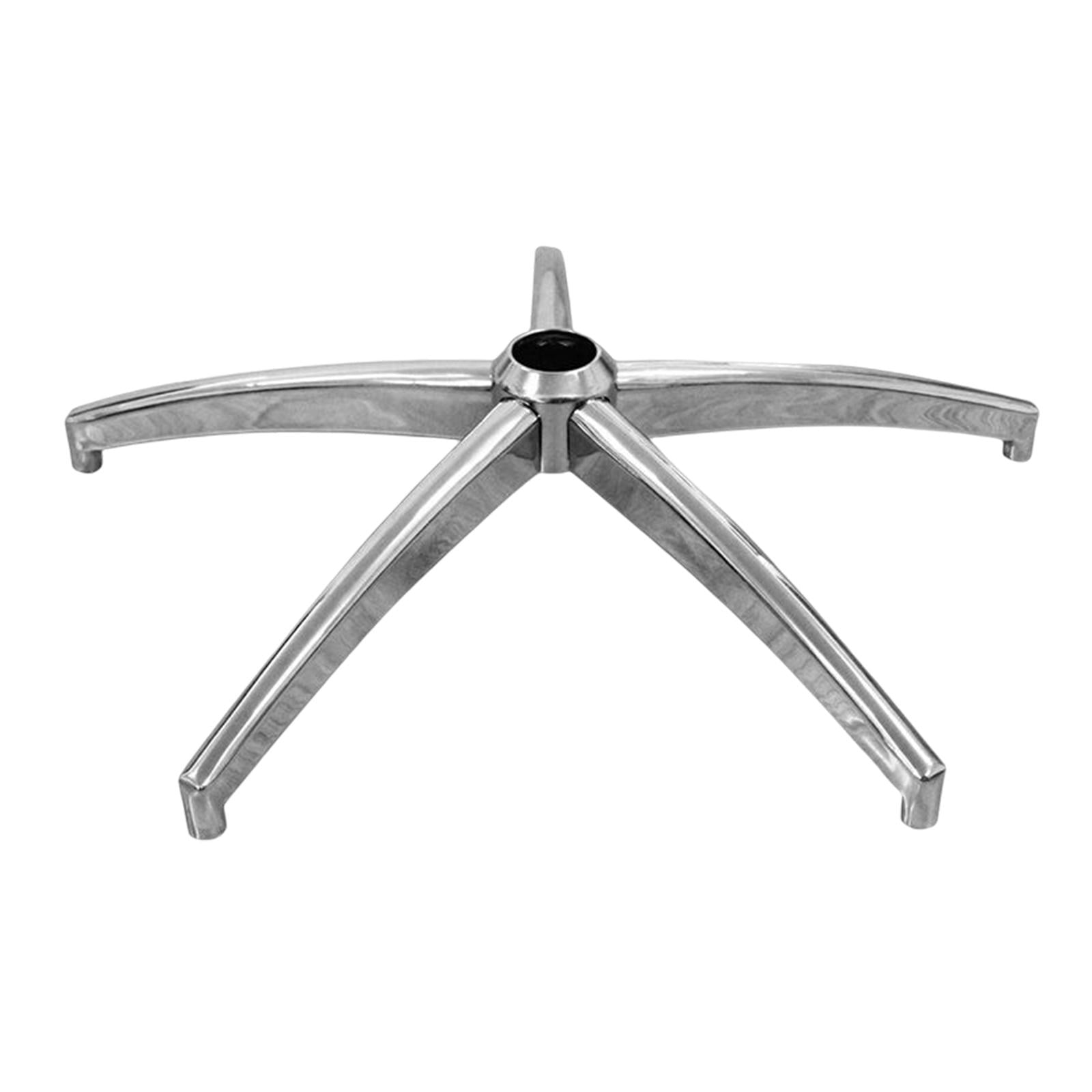
Virtually all modern office chairs use a 5-star base. Why five legs? It's the perfect balance between stability, material efficiency, and floor space. This design provides a wide footprint, distributing your weight evenly and making the chair extremely resistant to tipping, even when you lean. The five legs radiate from a central hub, which houses the gas lift cylinder that allows for height adjustment.
Materials: From Nylon to Polished Aluminum
The material of your chair's legs dictates its strength, weight, and appearance. Here’s a breakdown of the most common types:
- Nylon/Plastic Bases: The most common and cost-effective option. High-quality, reinforced nylon is incredibly strong, lightweight, and won't rust. It's perfect for standard office environments and supports most users up to 250-300 lbs. Look for "reinforced" or "heavy-duty nylon" for added durability.
- Metal Bases (Steel): These are the workhorses of the industry. Steel bases are exceptionally strong and durable, often found on big and tall chairs with weight capacities exceeding 400 lbs. They are usually painted or coated to prevent rust. The trade-off is weight—they make the chair significantly heavier.
- Metal Bases (Aluminum): The premium choice. Aluminum offers the strength of metal with a much lighter weight. It’s often polished or has an anodized finish, giving executive chairs a sleek, professional, and luxurious look. It’s the best of both worlds: robust and visually appealing.
The Role of Casters (Wheels)
Attached to the end of each leg is the caster. These are your mobility. While not the "leg" itself, they are an integral part of the system.
- Hard Floor Casters: Feature soft polyurethane or rubber wheels designed to roll smoothly without scratching hardwood, tile, or laminate.
- Carpet Casters: Usually made of harder nylon or plastic with a wider tread to roll easily on carpet without digging in.
- Dual-Wheel Casters: Provide more surface area contact, distributing weight better and rolling more smoothly than single-wheel casters.
2. Choosing the Right Office Chair Leg for Your Needs
Selecting the correct leg/base is crucial whether you're buying a new chair, replacing a broken one, or building a custom setup. Here’s a step-by-step guide:
Step 1: Assess Weight and Usage
Your weight is the primary factor. For users under 250 lbs in a standard office setting, a high-quality reinforced nylon base is usually sufficient. For users between 250 and 400 lbs, or for chairs that will see extremely heavy use, a steel base is the safest and most durable choice. For executive users over 300 lbs who want a premium look and feel, an aluminum base is the ideal investment.
Step 2: Match the Mounting Mechanism
If you are replacing a base, you must ensure it fits your chair's gas lift cylinder. The standard size for the center hole is 50mm (approx. 2 inches) for most office chairs. However, some heavy-duty chairs use a larger 2.5-inch mechanism. Always measure your existing cylinder's diameter or check your chair's specifications before ordering a replacement office chair leg base.
Step 3: Consider the Aesthetics
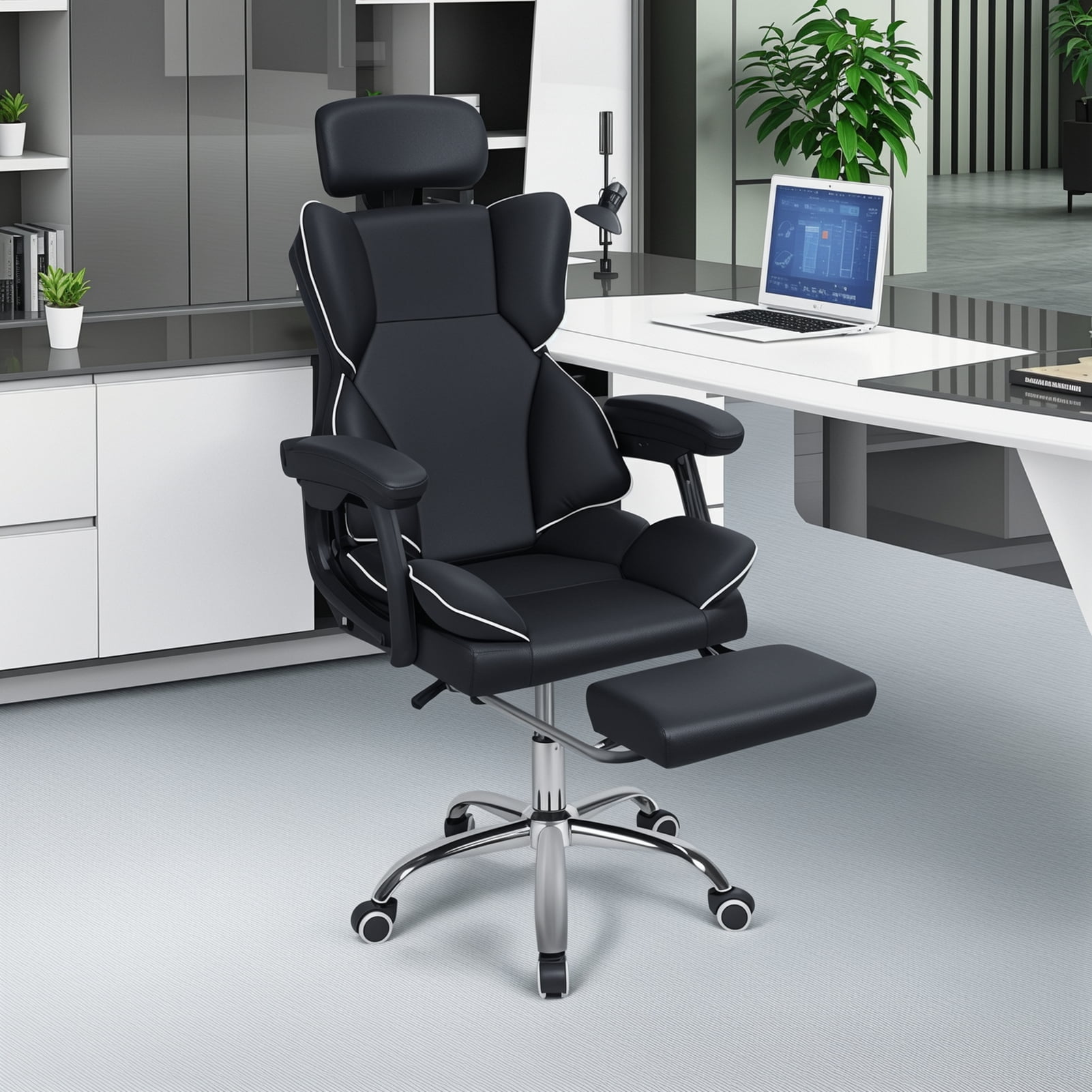
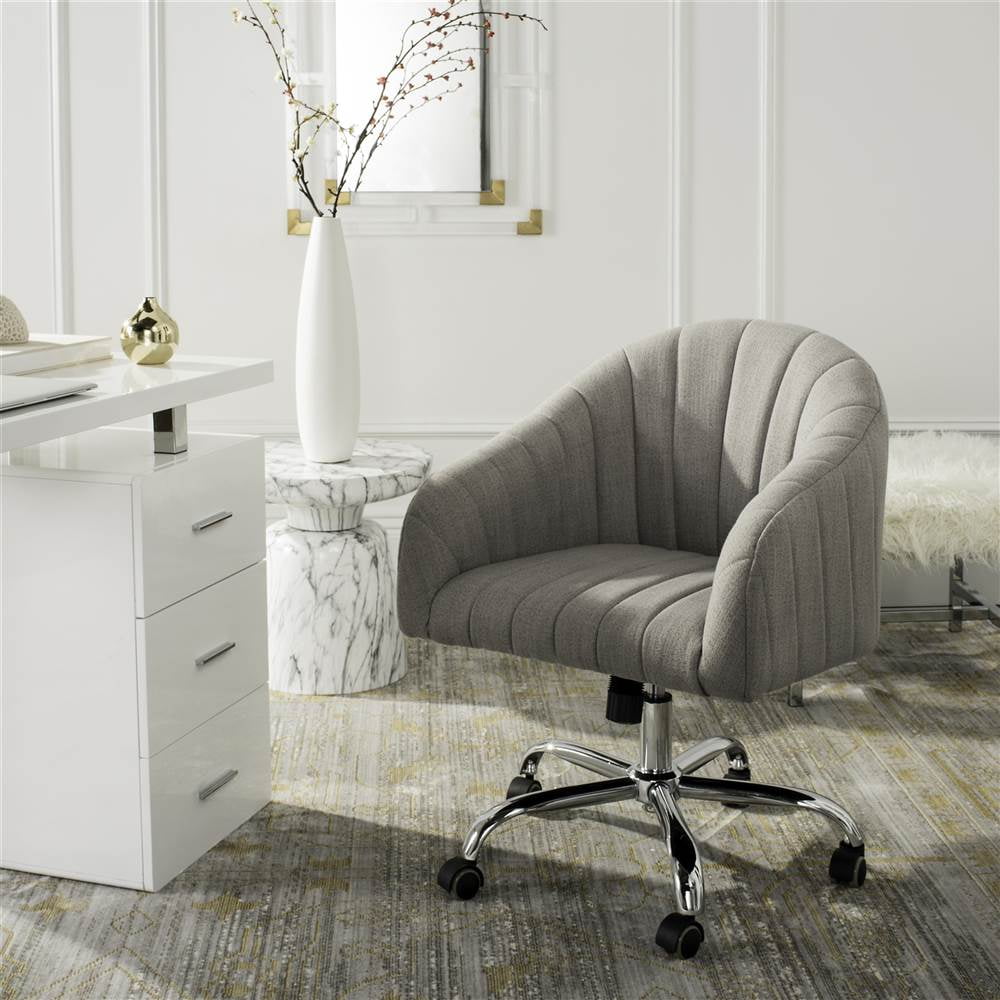
The chair leg contributes significantly to the overall style. A polished aluminum base with matching casters elevates a leather executive chair to a statement piece. A matte black nylon base is discreet and functional for a minimalistic task chair. Choose a finish that complements your office decor.
🔩 Enhanced Stability
A solid, well-constructed base prevents wobbling and tipping, keeping you securely seated.
⚙️ Smooth Mobility
The right leg and caster combination ensures effortless movement across your floor type.
🛡️ Long-Term Safety
Choosing a base with an appropriate weight capacity prevents catastrophic failure and injury.
✨ Professional Look
Upgrading to a sleek aluminum or unique base can instantly modernize and enhance your chair's appearance.
3. When to Replace Your Office Chair Legs
Knowing the signs of wear can save you from a sudden collapse. Here are clear indicators that it's time for a replacement:
- Visible Cracks: Hairline cracks in a plastic base, especially around the caster sockets or the central hub, are a major red flag. They will only get worse.
- Persistent Wobble: If your chair wobbles even after tightening the casters and gas cylinder, the base structure itself may be warped or damaged.
- Bent Metal: While rare, a steel or aluminum leg can bend under extreme stress or impact, compromising stability.
- Broken Casters: While casters are replaceable separately, if the caster socket on the leg is damaged, you'll need a new base.
- Aesthetic Upgrade: Sometimes, replacement isn't about failure. Swapping a standard plastic base for a stylish wooden-look or polished aluminum base can completely transform your chair.
4. Quick Material Comparison: Nylon vs. Steel vs. Aluminum
| Material | Best For | Durability | Weight | Typical Capacity |
|---|---|---|---|---|
| Reinforced Nylon | Standard office use, budget-friendly | Good (resists rust, can become brittle over decades) | Lightweight | Up to 300 lbs |
| Steel | Heavy-duty, big & tall chairs | Excellent (very strong, can rust if coating fails) | Heavy | 400 lbs and up |
| Aluminum | Premium executive, high-style chairs | Excellent (strong, lightweight, rust-proof) | Lightweight | 300-400 lbs (can be engineered for more) |