
Why Your Office Chair Keeps Sinking — And What To Do About It
Imagine this: you sit down at your desk, adjust your chair to the perfect height, and within minutes you're staring at your monitor from a lower angle. By lunchtime, you're practically sitting on the floor. If this sounds familiar, your office chair has a classic "sinking" problem. The good news? It's almost always repairable, often with simple tools and a little know-how.
Quick insight: According to a survey by the Office Furniture Rehabilitation Council, nearly 40% of office workers experience chair sinking issues within the first 5 years of ownership. The culprit is almost always the gas lift cylinder — a pneumatic piston that loses its ability to hold pressure.
The Anatomy of a Sinking Chair
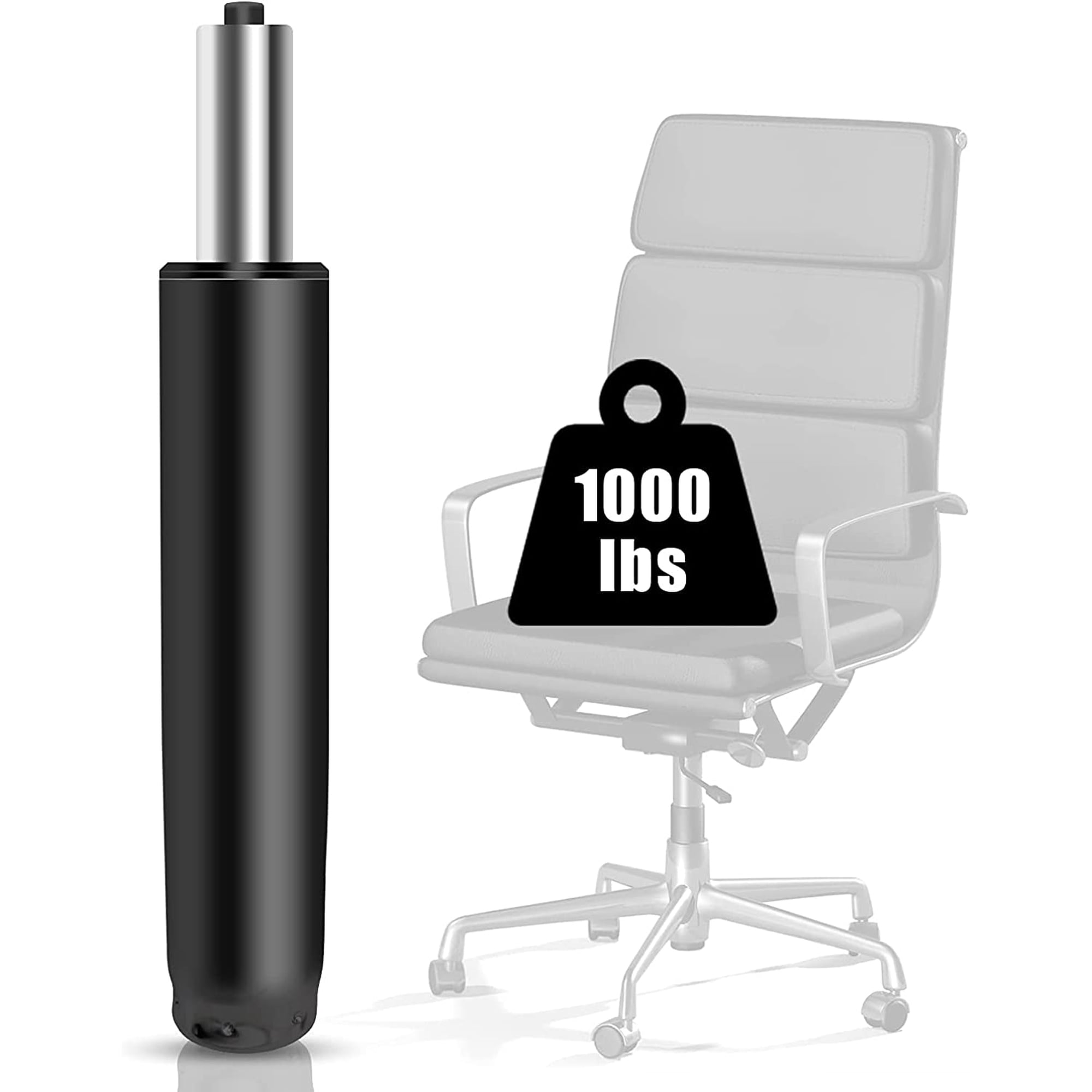
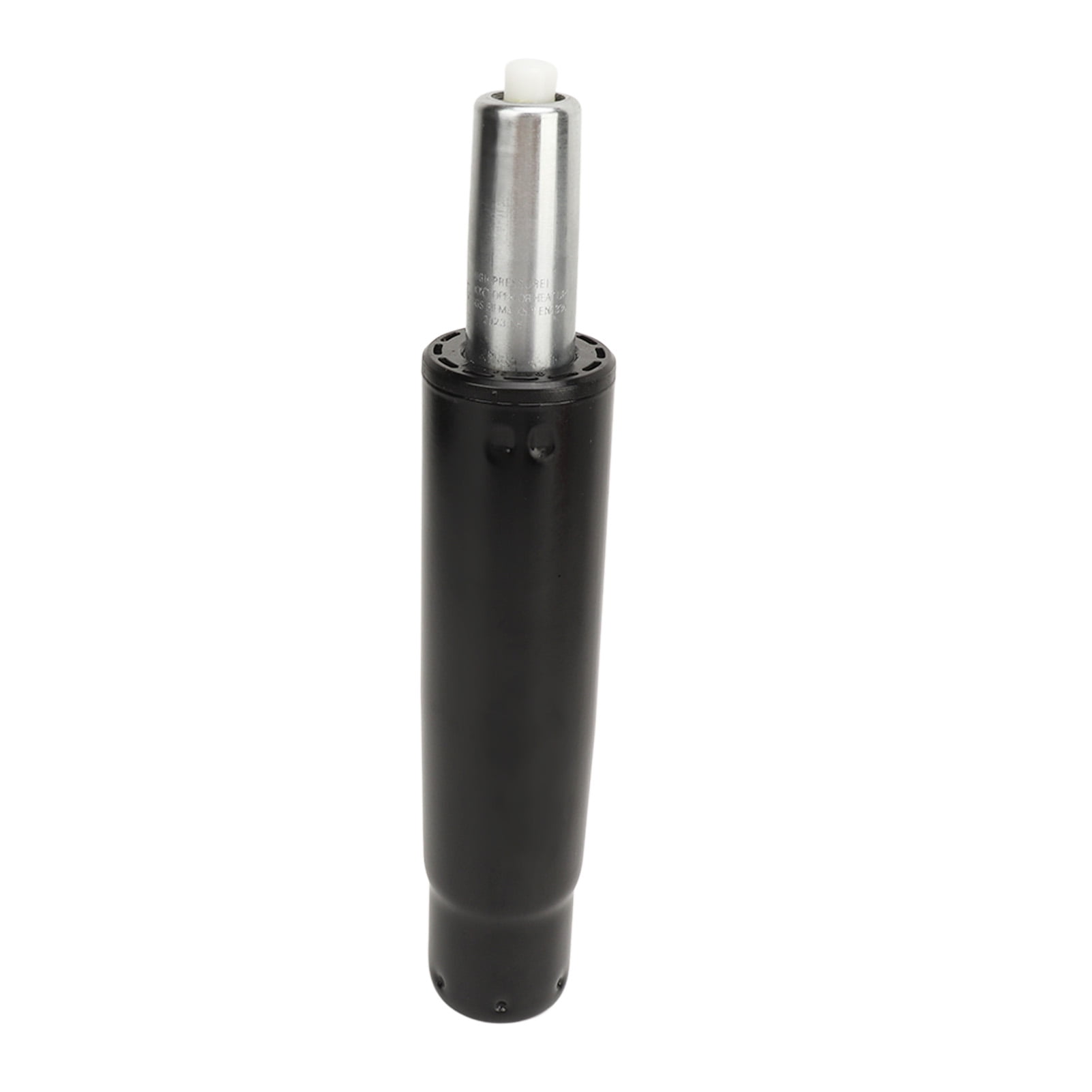
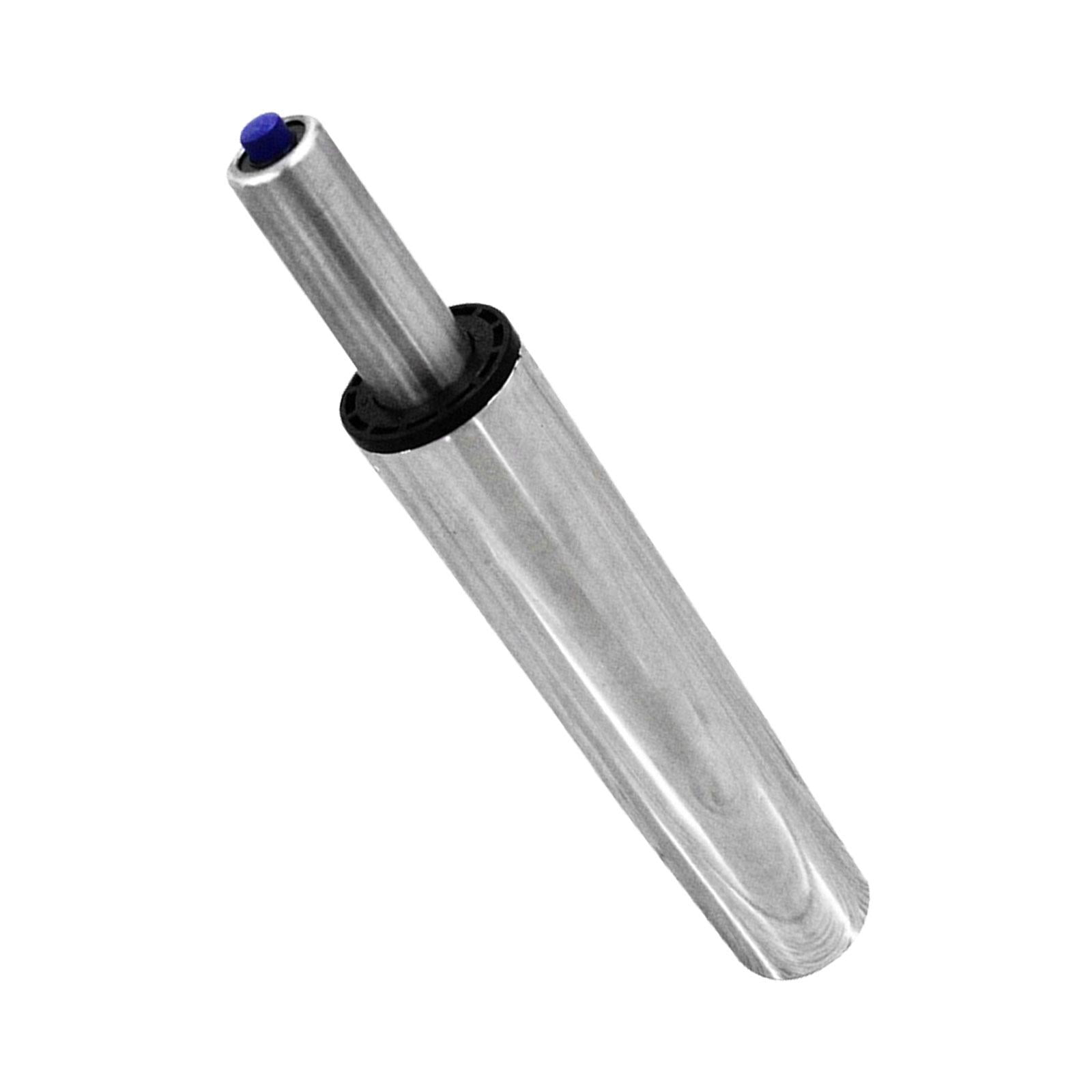
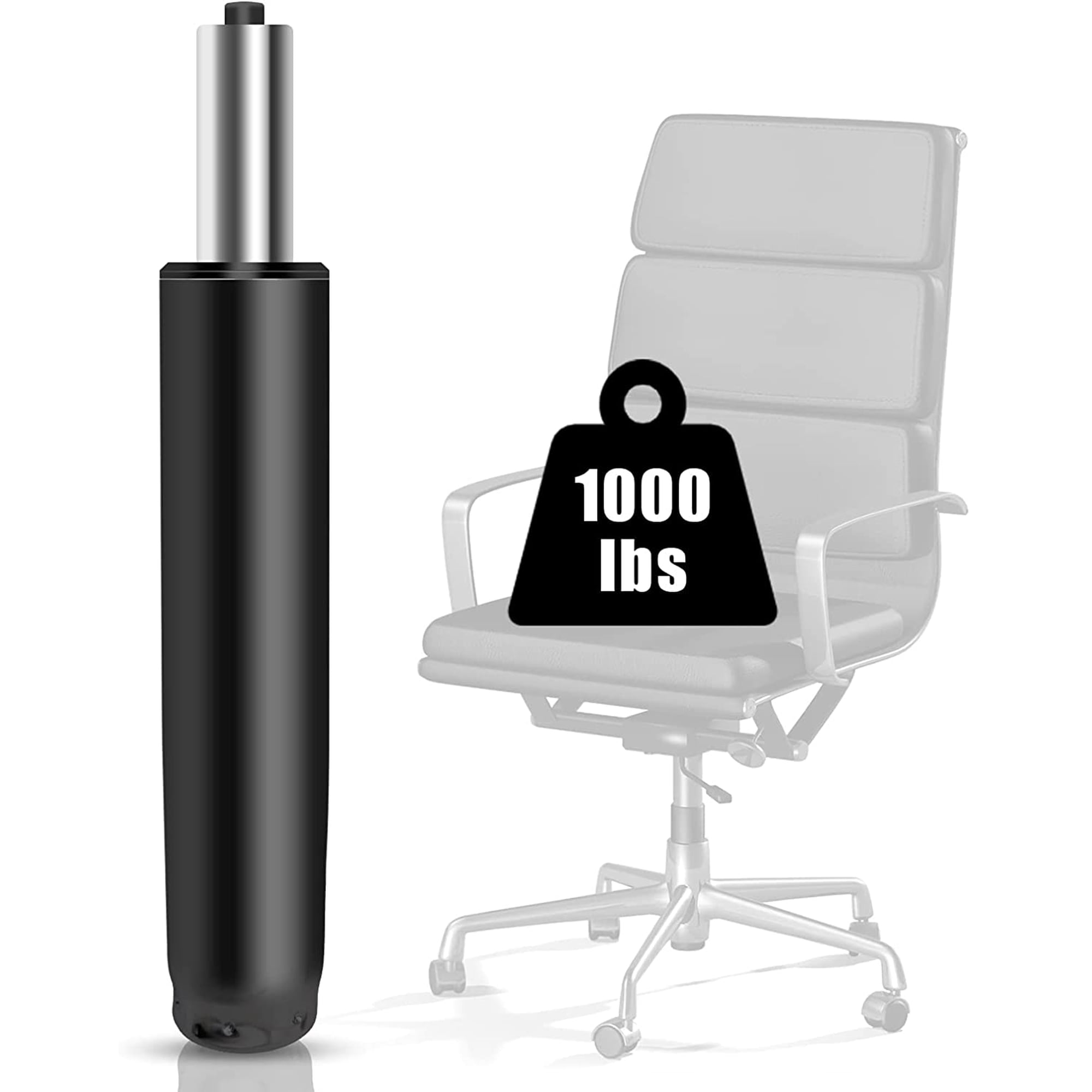
Your office chair's height adjustment relies on a gas spring (cylinder) filled with nitrogen under high pressure. When you pull the lever, a valve opens, allowing gas to flow and change the height. Releasing the lever closes the valve, locking the height. Over time, seals wear, gas leaks, and the chair gradually sinks — just like a slow leak in a car tire.
Step-by-Step Diagnosis: Is It the Cylinder or Something Else?
Before buying parts, confirm that the cylinder is the real issue. Follow this diagnostic flow:
- • The "bounce test": Sit in the chair at full height and bounce gently. If you hear a hissing sound and it drops, the cylinder is leaking.
- • Lever inspection: Sometimes the height adjustment lever gets stuck partially open. Check if the mechanism returns fully.
- • Base and mechanism: Ensure the cylinder is properly seated in the base and chair mechanism. A loose fit can mimic sinking.
Temporary Fix: The 5-Minute "Clamp" Solution
If you need a quick stopgap while waiting for a replacement part, use a large stainless steel hose clamp or a PVC pipe clamp. Here’s how:
- Raise the chair to your desired height. Ask someone to hold it or use a tall object to prop it.
- Wrap a hose clamp tightly around the cylinder's polished shaft just above the plastic guide (where it enters the base).
- Tighten the clamp with a screwdriver until it's snug — but don't crush the shaft.
- Test: The clamp acts as a mechanical stop, preventing the chair from lowering further.
⚠️ This is a temporary workaround. For safety and longevity, replace the cylinder.
Permanent Fix: Replacing the Gas Cylinder
Replacing a gas lift is simpler than most people think. Universal cylinders fit 90% of office chairs. You'll need: replacement cylinder (Class 3 or 4 for heavy-duty), rubber mallet, adjustable wrench, and possibly a pipe wrench.
Step 1: Remove the Old Cylinder
- • Tilt the chair upside down (remove the gas lift mechanism if possible).
- • Use a rubber mallet to tap the cylinder out from the wheelbase. Often, it's held by friction.
- • If stuck, apply penetrating oil (WD-40) and let it soak for 15 minutes.
Step 2: Separate the Mechanism from the Cylinder
- • The top of the cylinder is attached to the chair mechanism (the metal plate under the seat).
- • Use a pipe wrench to grip the cylinder while tapping the mechanism with a mallet.
- • Wear gloves — it can be stubborn.
Step 3: Install the New Cylinder
- • Insert the new cylinder into the wheelbase (the star-shaped base). Tap gently with a mallet to seat it.
- • Place the chair mechanism onto the top of the cylinder. Press down firmly or tap with a mallet using a block of wood to avoid damage.
- • Test by pressing the lever — height adjustment should be smooth and hold firm.
Data point: A 2023 analysis by ChairRepairGuru showed that replacing the cylinder yourself costs an average of $28, while a new comparable chair averages $220. That's a saving of 87%.
When a New Chair Makes More Sense
Not every sinking chair deserves a new cylinder. Consider replacement if:
- • The chair is over 10 years old with torn upholstery or broken armrests.
- • You've replaced the cylinder before and it failed again within a year (sign of low-quality build).
- • The base is cracked or wheels are broken.
In those cases, invest in a chair with a heavy-duty cylinder rated for your weight. Look for "Class 4" gas lift or chairs explicitly tested for 300+ lbs.
| Gas Lift Class | Typical Weight Capacity | Best For |
|---|---|---|
| Class 2 | Up to 220 lbs | Light duty, occasional use |
| Class 3 | 220–300 lbs | Standard office chairs, daily use |
| Class 4 | 300–450 lbs | Heavy-duty, 24/7 use, big & tall |
Preventive Maintenance: Make Your Next Chair Last
Once you've fixed the sinking, or if you buy a new chair, follow these tips to avoid future failure:
- • Don't ride the lever: Avoid sitting on the chair while pulling the height adjustment lever — it strains the valve.
- • Clean the cylinder: Dust and grime can wear seals. Wipe the shaft with a dry cloth monthly.
- • Avoid extreme temperatures: Gas lifts operate best between 50°F and 100°F. Direct sunlight or freezing garages can degrade seals.
- • Lubricate sparingly: Use a silicone spray on moving parts, never oil (attracts dirt).
Tools & Parts You Might Need (Where to Find Them)
Most replacement cylinders are available at office supply stores or online. When buying, measure the length of your old cylinder (usually around 8–12 inches) and check the top and bottom fitting types (tapered or straight). Universal cylinders often come with adapters.
Frequently Asked Questions About Sinking Office Chairs
Final Takeaway: Don't Settle for a Sinking Chair
A sinking office chair is frustrating, but it's rarely the end of the road. With a $30 cylinder and an hour of your time, you can restore full function and comfort. If you decide to upgrade, choose a chair with a reputable gas lift (Class 3 or higher) and enjoy years of stable seating. Remember, your chair is the throne of your productivity — keep it solid.