
Why Gas Cylinder Size Matters for Your Office Chair
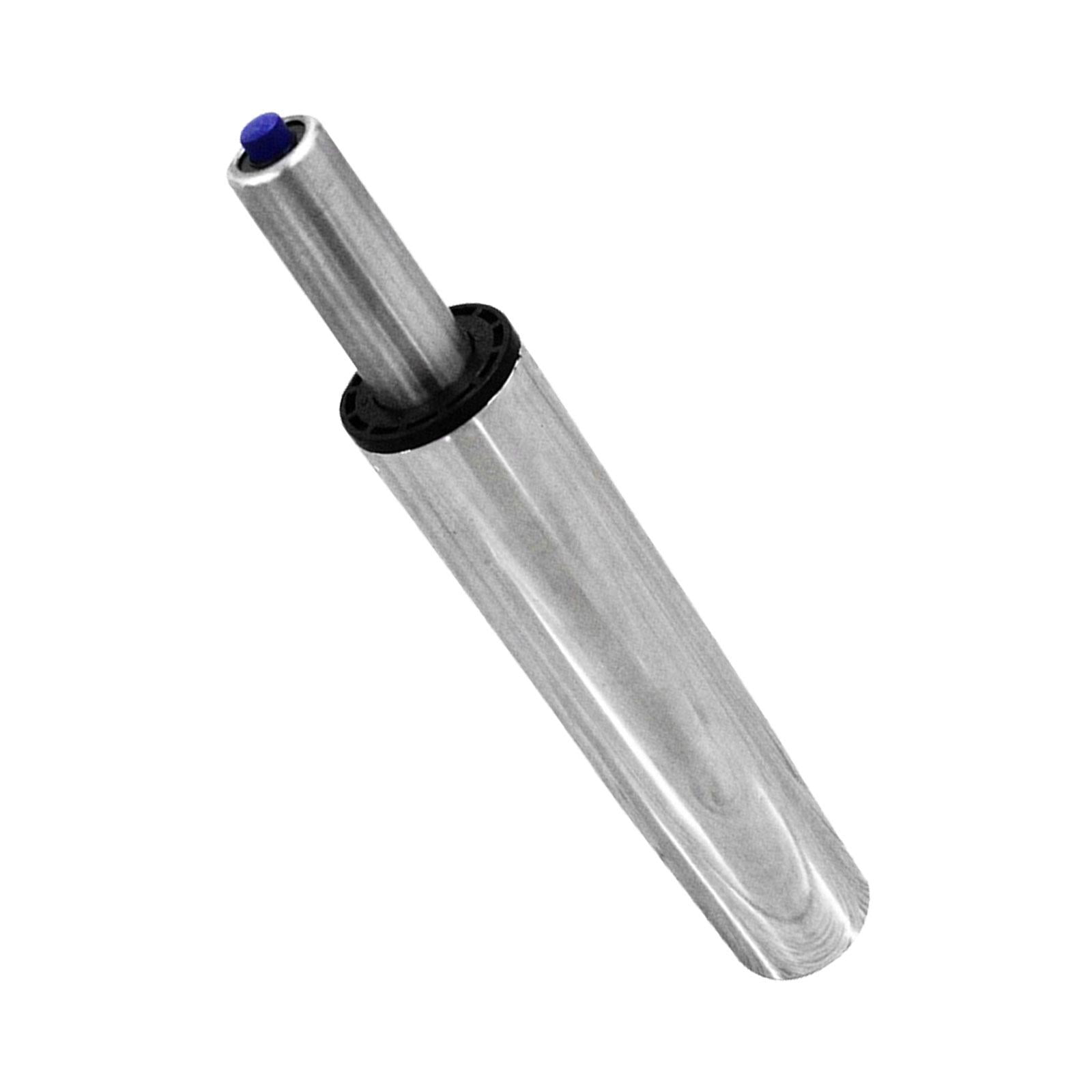
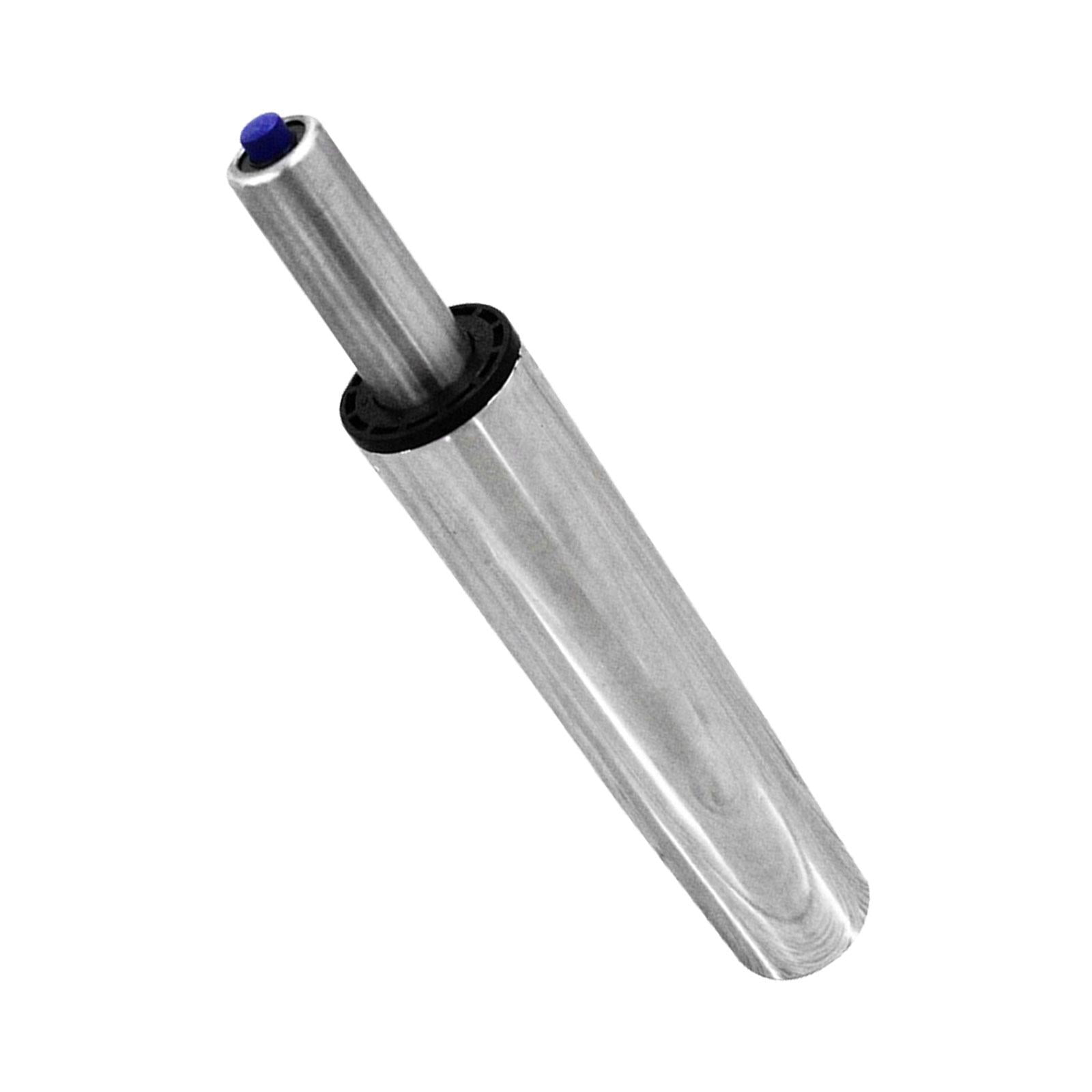
The gas cylinder, often called the pneumatic lift, is the heart of any height-adjustable office chair. It determines not only how high or low you can sit but also the chair's stability, safety, and overall lifespan. Like a well-fitted suit, the right cylinder size ensures your chair performs exactly as intended. A mismatch can lead to annoying sinking, instability, or even damage to the chair base or mechanism.
Critical Insight: Using an incorrectly sized gas cylinder is one of the leading causes of chair failure and accidents. According to industry safety reports, nearly 30% of all office chair-related issues stem from incompatible or poorly fitted gas lifts. Ensuring the correct diameter and stroke length is the first step to a safe and durable repair.
Understanding the Key Dimensions: Diameter, Stroke, and Class
Before purchasing a replacement cylinder, you need to understand three fundamental measurements. Let's break them down with the clarity of a blueprint.
- Outer Housing Diameter: This is the width of the metal tube that fits into the chair base (the star-shaped legs). The standard for the vast majority of office chairs is 2 inches (50.8mm). However, some high-end or heavy-duty chairs may use a 1.9-inch (48mm) or a 2.2-inch (56mm) diameter. This is the most critical dimension for compatibility with the wheel base.
- Piston Rod Diameter: This is the smaller metal rod that extends from the cylinder and connects to the chair mechanism under the seat. The industry standard is 3/4 inch (19mm). Heavy-duty cylinders often have a 1 inch (25.4mm) rod for greater strength. Using a rod that's too small can cause wobbling; a rod that's too large won't fit at all.
- Stroke Length: This defines the travel distance – how much the seat height can change from its lowest point to its highest point. Common stroke lengths are 3, 4, 5, 6, 7, and 8 inches. A longer stroke offers more range, which is excellent for sit-stand desks or tall individuals, but it requires the cylinder to fit within your chair's mechanism.
Standard Sizes: A Quick Reference Table
To help you quickly identify the right component, here is a breakdown of the most common gas cylinder sizes found in modern office chairs.
| Cylinder Type | Outer Diameter | Piston Rod Diameter | Typical Stroke Length | Common Use |
|---|---|---|---|---|
| Standard Home/Office | 2 inches (50.8mm) | 3/4 inch (19mm) | 3.5 - 5 inches | Most task chairs, executive chairs, mid-back chairs |
| Heavy-Duty / Big & Tall | 2 inches (50.8mm) | 1 inch (25.4mm) | 5 - 7 inches | Chairs rated for 350+ lbs, 24/7 use |
| High-End / Ergonomic | 1.9 - 2.2 inches (48-56mm) | 3/4 inch (19mm) | 6 - 8 inches | Premium ergonomic chairs, sit-stand desks |
| Stool / Drafting Chair | 2 inches (50.8mm) | 3/4 inch (19mm) | 8 - 12 inches | High stools, drafting tables, standing desk companions |
How to Measure Your Existing Gas Cylinder (Step-by-Step)
Getting accurate measurements is a straightforward process. Follow this simple guide to ensure you order the perfect replacement.
Flip your chair upside down. Most cylinders are held in the base by friction. Use a rubber mallet to gently tap the base around the cylinder housing to loosen it. Alternatively, apply penetrating oil if it's stuck.
Use a caliper or a ruler to measure the diameter of the metal tube that was inserted into the chair base. The standard is 2 inches. Measure at the very end for the most accurate reading.
Measure the diameter of the smaller rod that connects to the seat mechanism. Use a caliper for precision. It's typically 3/4 inch or 1 inch.
Extend the cylinder to its maximum length, then compress it fully. The difference between these two lengths is the stroke. You can also look for markings on the cylinder body, which often indicate the stroke in millimeters (e.g., "STROKE 100" for 100mm or 3.9 inches).
Choosing the Right Cylinder for Your Needs
Beyond the raw dimensions, your choice should align with how you use your chair. Think of it like choosing tires for a car – the size must fit, but the durability rating matters just as much for performance and safety.
Standard Replacement (Class 3)
- Ideal for home offices, occasional use
- Affordable, wide compatibility
- 2" OD, 3/4" rod, 3-5" stroke
- Good for chairs under 250 lbs
- Lasts 3-5 years with regular use
Heavy-Duty & Commercial (Class 4)
- Best for full-time office workers, larger users
- Thicker steel walls, reinforced seals
- Often 1" rod, 5-7" stroke available
- Rated for 350-500+ lbs capacity
- Lasts 10+ years, smoother operation
Tall / Sit-Stand (Long Stroke)
- Perfect for sit-stand desks and tall individuals
- Stroke length of 7 to 12 inches
- Requires compatible chair mechanism
- Typically Class 3 or 4 construction
- Adds 4-8 inches to maximum seat height
Signs You Need a New Gas Cylinder
Recognizing the symptoms of a failing gas lift can save you from an uncomfortable or unsafe sitting experience. Here are the tell-tale signs:
- Sinking While Seated: The most common sign. If you set a height and the chair slowly drops over minutes or hours, the internal seal has failed.
- Rough or Jerky Movement: The cylinder should raise and lower smoothly. If it feels scratchy, sticky, or makes grinding noises, internal components are worn.
- Complete Failure to Adjust: If the lever does nothing and the chair is stuck in one position, the cylinder has likely seized or the gas has leaked entirely.
- Visible Damage: Any cracks, dents, or leaks around the cylinder body or rod are immediate red flags. Do not use a chair with a damaged cylinder.
Step-by-Step Guide to Replacing Your Gas Cylinder
Once you have your new cylinder with the correct size, replacement is a straightforward DIY project. Follow these steps safely:
- Safety First: Wear gloves and eye protection. Place the chair on a stable surface.
- Remove the Old Cylinder: As mentioned earlier, tap the base with a rubber mallet. If it's stubborn, use a pipe wrench to gently twist and pull. For the mechanism side, use a similar technique to separate it.
- Install the New Cylinder: Insert the new cylinder into the chair base. Ensure it's fully seated. A rubber mallet can help.
- Attach the Mechanism: Align the piston rod with the hole in the chair's tilt mechanism. Lower the seat onto the cylinder, applying firm, even pressure. You should hear or feel it click into place.
- Test: Flip the chair back over, sit on it, and test the height adjustment. Ensure it moves smoothly and holds the position without sinking.
Professional Tips for Longevity
To maximize the life of your new gas cylinder, consider these maintenance tips:
- Avoid Overloading: Respect the weight capacity of your chair and cylinder.
- Regular Cleaning: Dust and debris can clog the mechanism. Periodically clean the piston rod with a dry cloth.
- Lubrication: A small amount of silicone spray on the piston rod can keep movement smooth, but avoid petroleum-based lubricants which can damage seals.
- Even Weight Distribution: When sitting down, do so in the center of the seat to avoid putting lateral stress on the cylinder.